
*FYI - this post may contain affiliate links, which means we earn a commission at no extra cost to you if you purchase from them. Also, as an Amazon Associate I earn from qualifying purchases. Check out our Privacy Policy and Disclosure. for more info.
Frequently topping lists of the ‘world’s most livable cities’, Vancouver is a city that glitters atop countless bucket lists thanks to its heavenly combo of mountains, beaches, rainforests and perhaps most importantly, aggressively affordable sushi.
And coming from someone born and raised here, I can confirm – this city is a magical place to be… so long as you know how to do it right.
I’m sure most people feel this way about their hometowns, but to me, most tourists miss out on what makes Vancouver truly unique and special… opting to traipse through overpriced and underwhelming guidebook sights before ending up in the wrong neighbourhoods due to outdated advice. That won’t be you though, because as the city’s #1 cheerleader, I won’t allow it.
At the risk of sounding like an overprotective mother, you will love my city. And this list of local insider must-knows is here to make sure of that.
So, from transit quirks and accommodation recs to the must-eats that Vancouverites actually go for, read on for a list of practical tips and insider advice for beautiful Vancouver, BC… based on decades of braving the rainstorms and brunch lines so you don’t have to.
Save this list of Vancouver Travel Tips for Later!
You’ll be very glad you did.
First: A Land Acknowledgement
Before we start, I do want to acknowledge that the City of Vancouver is situated on the unceded traditional territories of the xʷməθkʷəy̓əm (Musqueam), Sḵwx̱wú7mesh (Squamish), and səlilwətaɬ (Tsleil-Waututh) Nations… so while you’re in town, do be sure to incorporate some activities involving Indigenous culture if you can.
Indigenous Tourism BC is a great resource for finding Indigenous owned and run businesses but some great starting points in Vancouver include…
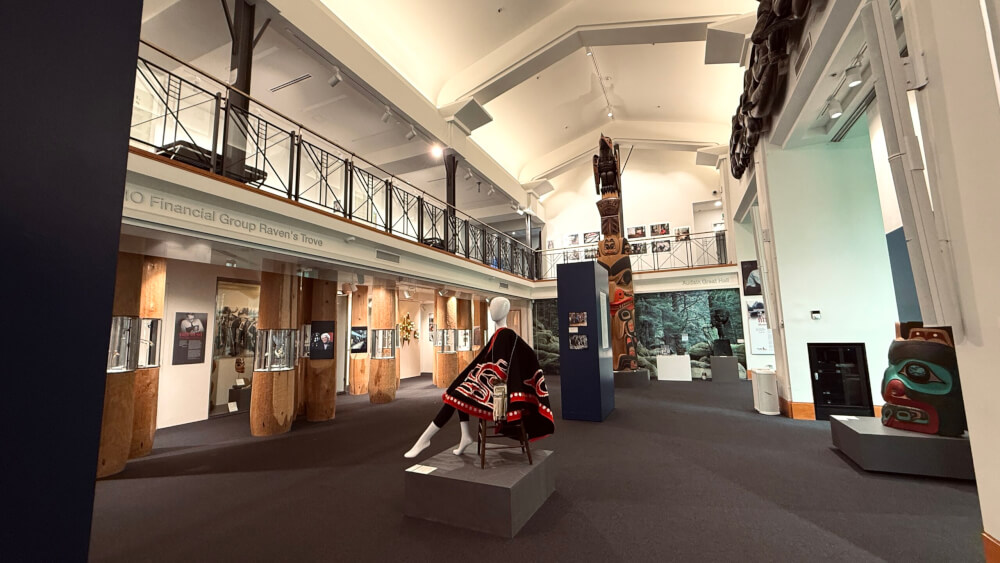
- The Bill Reid Gallery of Northwest Coast Art in Downtown Vancouver
- The Museum of Anthropology at UBC
- Salmon n Bannock for First Nations cuisine if you wanna try it – they even have a location at the airport actually!
1. Understand what we actually mean by “Vancouver”
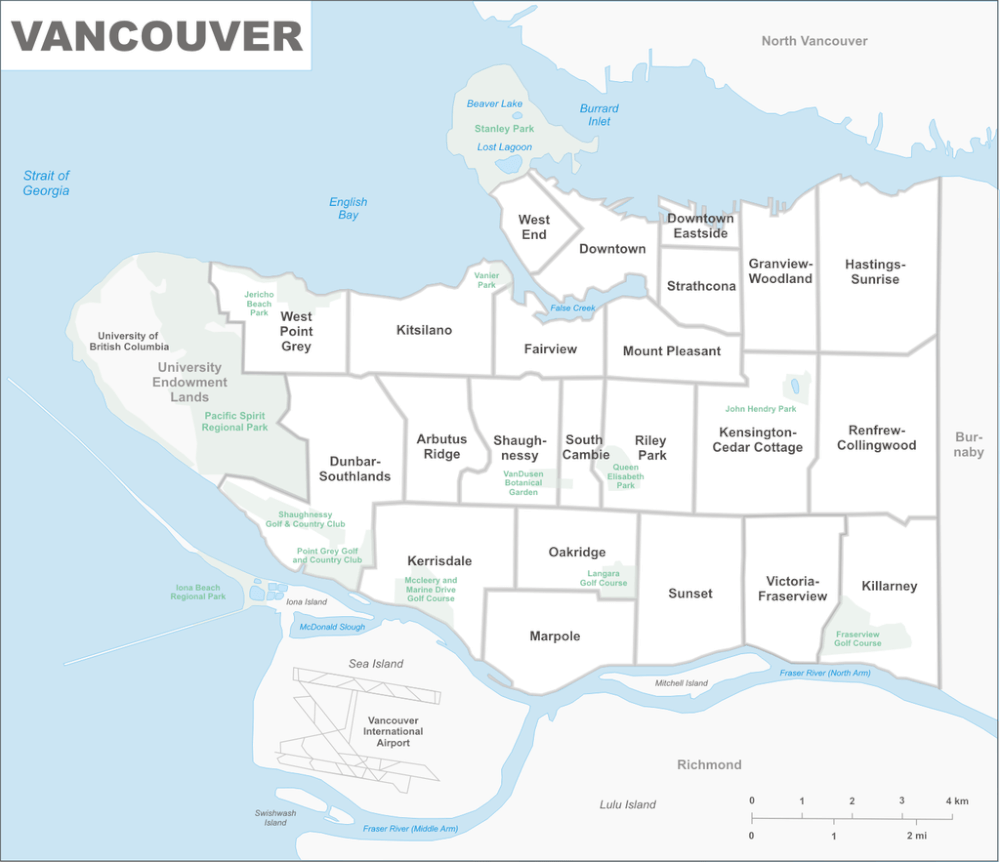
First, to help you get your bearings and understand this guide, I want to clarify what area we actually mean when we talk about Vancouver.
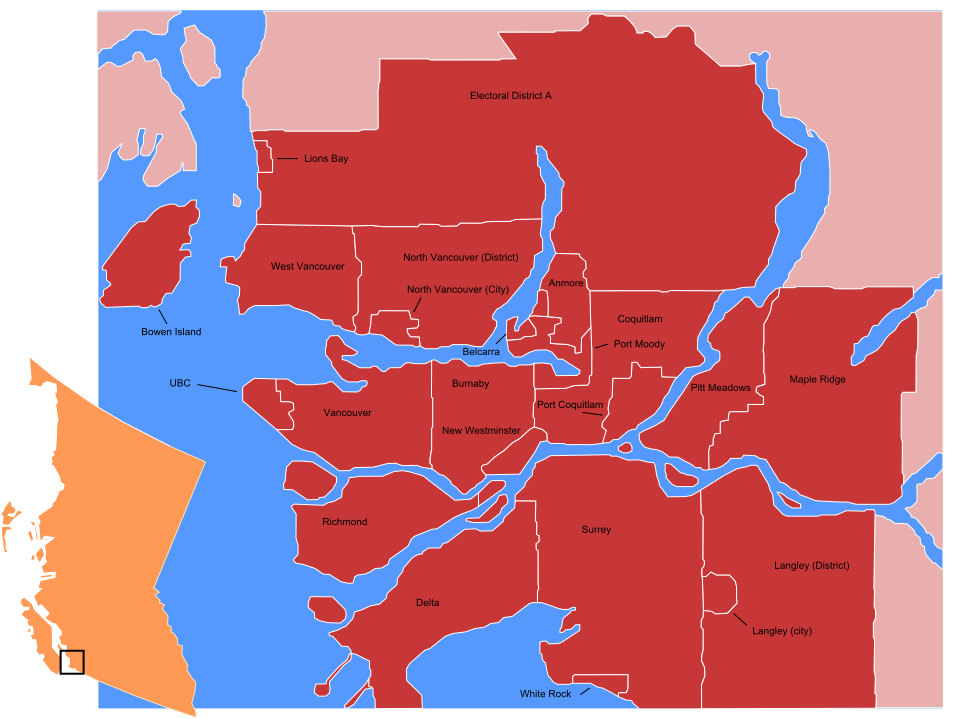
It’s somewhat confusing, but the area known generally by the world as ‘Vancouver’ is actually a collection of 21 municipalities officially known as ‘Metro Vancouver’ (or sometimes ‘Greater Vancouver’ or the ‘Lower Mainland’). The City of Vancouver is just one small portion of this area, and encompasses most of the main points of interest for tourists, like the Downtown core, Stanley Park, etc.
But, you’ll inevitably find yourself in other parts of ‘Metro Vancouver’ during your stay. The airport that you land in for instance is in the City of Richmond, and you have to drive through the City of North Vancouver and the City of West Vancouver if you plan to go over to Squamish or Whistler.
Honestly, as a tourist, you don’t need to concern yourself too much with what is ‘Vancouver Vancouver’ and just ‘Metro Vancouver’ – the roads and public transport connect everything seamlessly like it’s just one massive city, but just FYI in case you’re looking at hotels in say… Burnaby, New Westminster or Richmond, those are technically their own cities, but they are still easily linked to the City of Vancouver.
All to say, when I talk about the City of Vancouver, or Vancouver proper, just know that I’m referring to just this area:
And when I talk about Metro Vancouver, I’m referring to this broader area:
2. Learn the pros and cons of visiting in each season
Alright now, let’s tackle some logistics, starting with when to visit Vancouver.
I’m supremely biased, but I do think of Vancouver as a great year round destination… even though haters will insist it isn’t! I will say though: it all depends on what you’re coming for.
Most people will recommend summer as the ideal time to visit because the weather is, of course, at its best for all the outdoorsy activities that the city is known for, and there’s lots of great events like street festivals and the annual Celebration of Light Fireworks as well. That said, Vancouver was not built for high temperatures, so buses are a nightmare as soon as it gets hot, and AC isn’t really a standard in most houses or apartments, which makes heatwaves a sweaty and harrowing challenge.
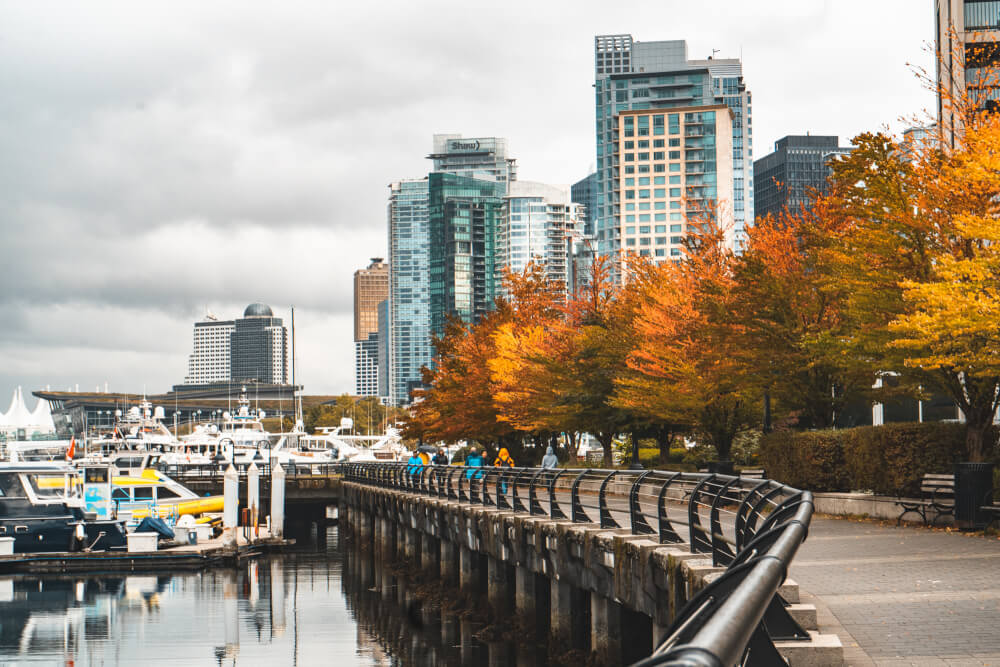
This is why I might actually recommend shoulder reasons like April – June and September – October instead. Both Spring and Fall can be great times to explore – you just have to layer up a bit and maybe expect a higher chance of rain. Spring from March to April usually means gorgeous cherry blossoms all over the city, and Fall of course comes with the perk of gorgeous golden foliage from October to November.
May and June are also really solid months where you get (generally) good weather and fewer crowds compared to July and August, along with more tolerable temperatures.
So all to say: there’s no bad time to come, so long as you dress for the weather and aren’t scared of random rain. The only time I might avoid (if you’re not into snow sports at all) is winter, because it can get very gloomy here. Still, there are loads of fun events like Christmas festivities, as well as annual events like Dine Out Vancouver where restaurants have set menus for a cheap price, and the Hot Chocolate Festival too. So don’t stress – Vancouver can be amazing any time of year!
3. Plan your visit for a minimum of five days
In terms of how long to stay, if you’re hoping to cover just the main sights in and around Downtown Vancouver, two days is probably enough.
But let’s not forget that there is a ton to do in Metro Vancouver, including plenty of that epic nature that the city is known for.
So, if you intend to get out of the core city centre to explore more of the nature/scenery and fun neighbourhoods around, then I’d personally say five days, if not a week minimum would be good for you to get a well-rounded experience.
4. Learn the best areas to stay in
Now listen up because this is an important one that can make or break your trip.
Downtown Vancouver is the main area of choice for most first time visitors just because it’s close to the sights, but to be honest, it’s the most expensive option and some parts of Downtown are just frankly not that nice to stay in.
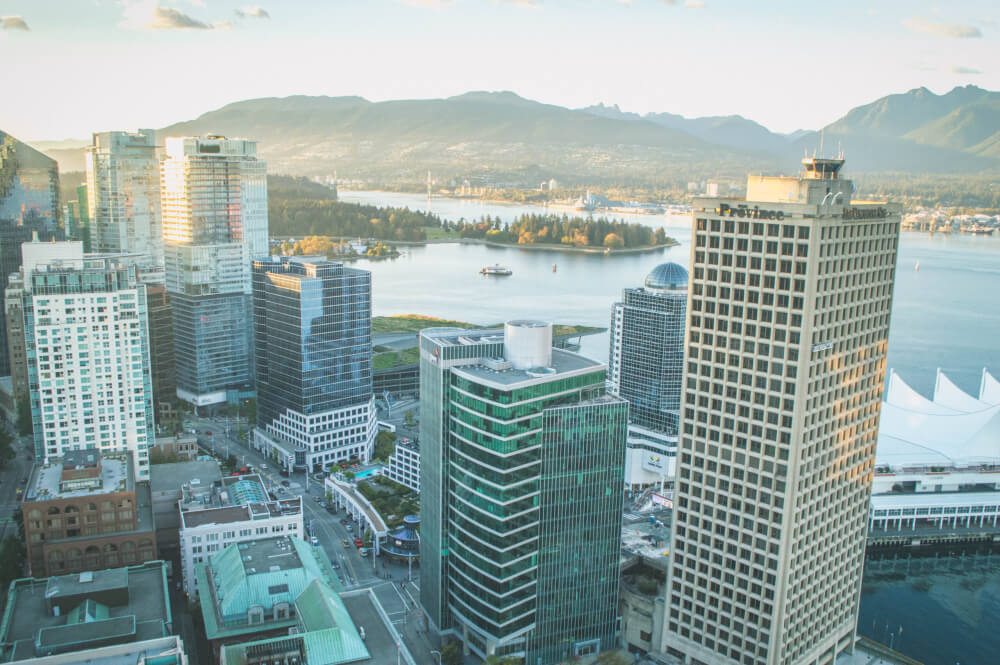
If you want to stay downtown, I’d recommend picking somewhere around Coal Harbour, the West End or Yaletown – basically anywhere closer to the water. The central downtown core itself can be fairly chaotic and busy, and not the most comfortable to walk around after dark… though on or around Robson Street is usually fine.
All that said, if you don’t mind using public transport, then any hotel that is near a SkyTrain station will get you downtown reasonably quickly and might be a better option in terms of value.
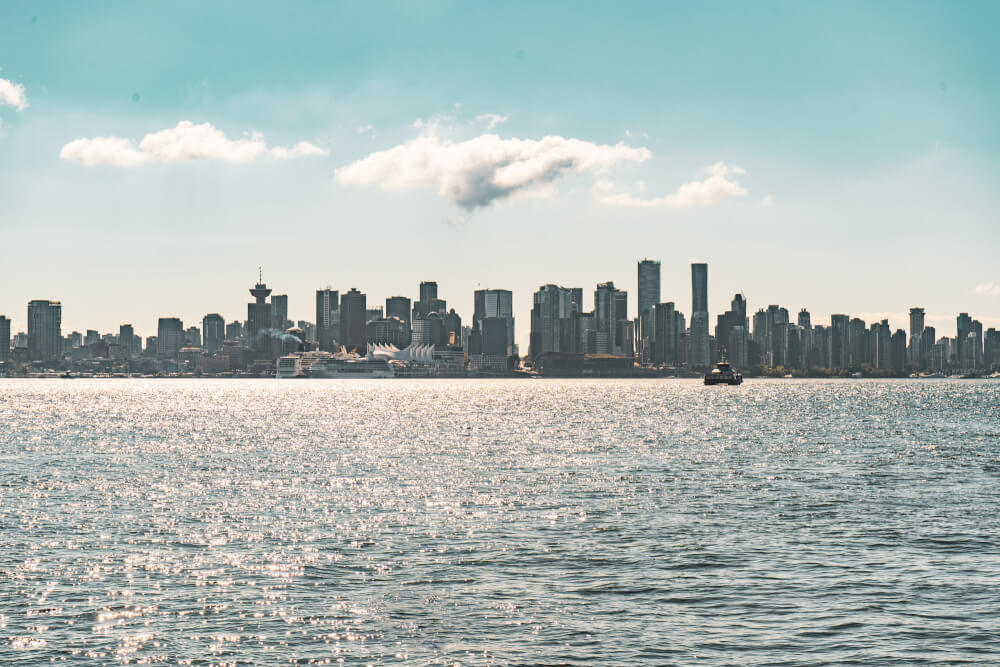
My personal recommendation is somewhere around Lonsdale Quay in North Vancouver – the hotels here can be way cheaper than downtown and you’re only a 12 minute SeaBus ride from Waterfront station. The commute is also stunning, plus you’re close to lots of nature-oriented activities once you’re on that side of the water.
5. The SkyTrain is the easiest way to get from the airport to downtown Vancouver
If you’re flying into Vancouver, then the good news is getting to the city centre from the airport couldn’t be easier. The SkyTrain will get you straight Downtown in about 25 minutes, and the cost is about $10 which includes a $5 charge that they apply when you get on at stops close to the airport.
All the payment terminals accept contactless cards now so you can just tap in and go. BUT it might be worth getting a Day Pass if you plan to use public transport multiple times the day you arrive, because it’s about $12 for all zones all day.
You can also get a taxi, though do note that flat rates to apply depending on where you’re going, so don’t get scammed by drivers trying to charge you more. Here’s a flat rate map to check out.
NOTE: People in Vancouver typically prefer using rideshare apps like Lyft and Uber over regular taxis because taxi companies in the city don’t have the best reputation, but I’ve heard okay things about the new Yellow Cab app if you’re looking for an alternative to rideshares. I’d always advise you book a ride through an app though so you have a rough estimate of cost, rather than just hopping into a random cab on the street.
6. Vancouver public transport is robust and uses time-based tickets
In terms of how to get around the city, honestly, if you’re staying just in Vancouver proper, seeing the main sights in and around Downtown then you will be absolutely fine to get by with public transport, using Uber, Lyft or taxis to fill any gaps in between. There will be very little need for a car unless you plan to venture out of the Downtown core to explore further.
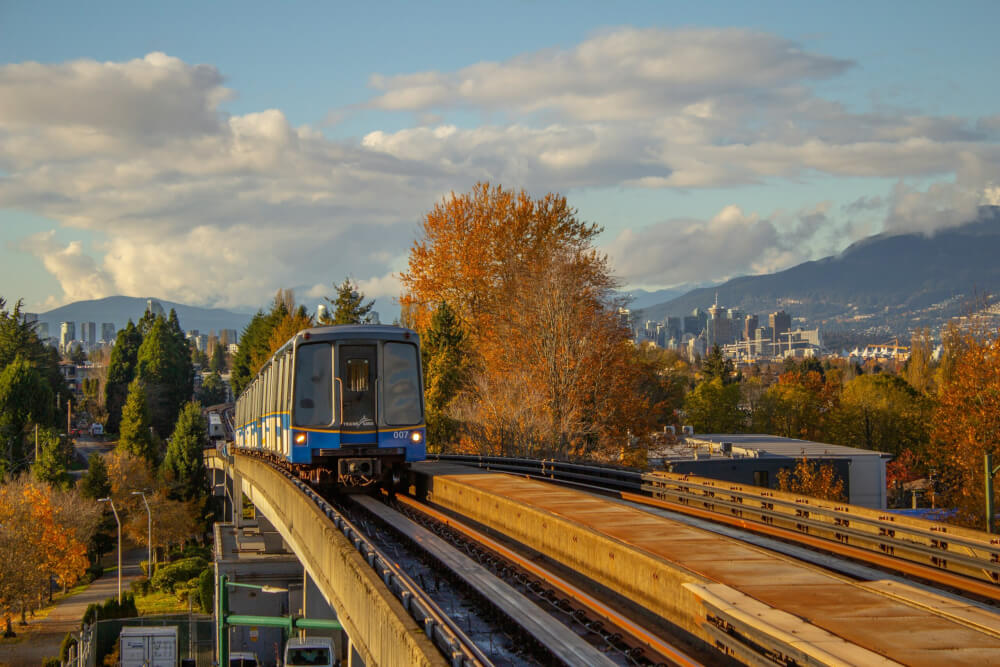
Now to help you understand how public transport works in Vancouver, the local transit system is run by Translink and includes over 250 bus routes and three SkyTrain lines, plus the SeaBus over to North Vancouver.
One ticket gets you on all these different modes of transport, and something I love is the tickets are time based, meaning you can do a round-trip journey on one ticket so long as it’s within 90 minutes.
As I mentioned before, Vancouver’s transport system is compatible with contactless payments, so for short trips you can just use any credit, debit card or digital wallets too. This takes the guesswork out of things like zones and peak vs. off-peak pricing because you just tap at the fare gates or at a bus payment portal and it’ll charge you accordingly.
7. Look into Compass Cards or Day Passes to potentially save money on public transport
It has to be said though, if you are staying for a longer period of time, the fares are much cheaper for public transport if you get a Compass Card, which is a reloadable card that you can use on public transport.
Here’s how it works: you pay a $6 deposit on the cards when you buy them, but you can return them when you leave for a full refund at the customer service center at Waterfront station, which is conveniently on your way back to the airport. By paying with a Compass Card rather than a regular contactless payment card, you save 65 cents to $1.50 depending on how many zones you’re travelling, so the savings can add up if you’re staying for a while and using a lot of public transport.
Again, another option is to get a Day Pass, which isusually worth it if you plan to do two or more trips in one day across 2 zones.
8. Fare zones can impact pricing on the Skytrain & Seabus
One of the more confusing things about Vancouver’s transport pricing is zones. Luckily, fares are calculated automatically for you when you tap in and out at the fare gates, so you probably don’t need to worry about zones too much during your trip.
Just for your information though, on the SkyTrain and Seabus, zones do matter, so the farther you travel, the more you pay. There will be fare gates at the start of your trip and at the end, so be sure to have your payment card handy.
The same is not true for buses though – buses in Vancouver are all one zone. You just tap in at the start and that’s it – no need to tap out.
And it’s worth noting as well that travel on weekends and holidays, as well as after 6:30pm on weekdays, are considered 1 zone across the board, so cheaper travel.
9. Renting a car makes sense if you plan to explore beyond the city center
If, however, you want to go out and explore some nature then renting a car will give you the most flexibility. I usually use DiscoverCars because they let you search and compare a bunch of companies at once to find the best deal.
You can also look into private tours to bring you to more car-reliant places if you don’t want to rent a car, like these:
- Vancouver to Victoria / Vancouver Island Tour
- Vancouver to Sea to Sky Gondola & Whistler Tour
10. Take note that some transport modes are privately-owned
Finally, before we move onto non-transporty tips, there are some privately owned modes of transport worth noting.
These are not covered by Translink (so you wouldn’t be able to use your Compass Card or Day Pass), but they are super fun so worth considering if you have the time!
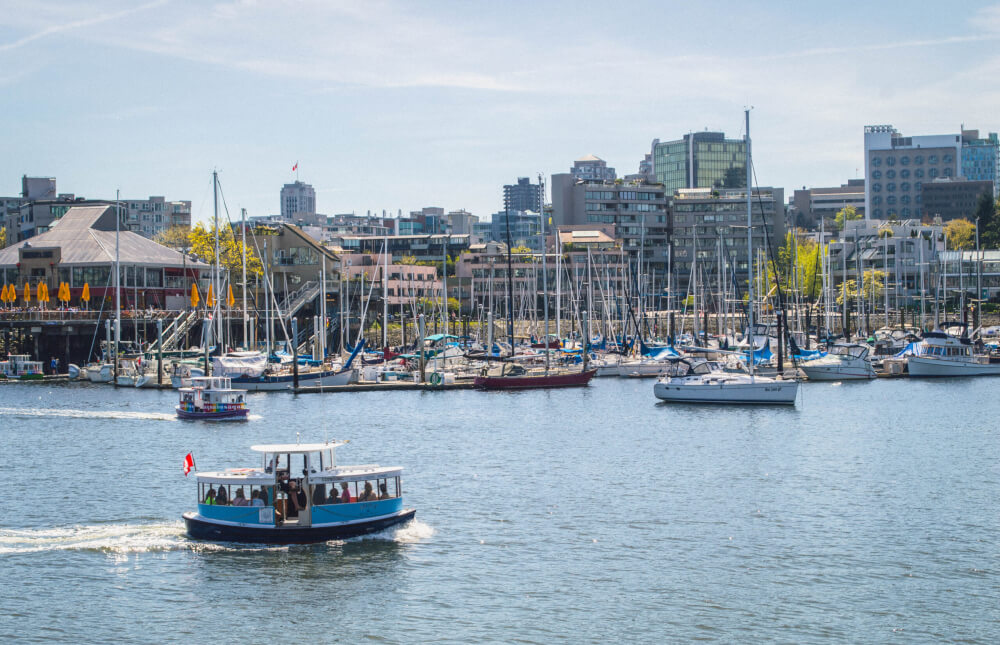
There are the small ferries, for instance, that operate in False Creek – both False Creek Ferries (the blue ones) and the Aquabus (the rainbow ones). On a nice day, I love taking these… especially to get to Granville Island or Vanier Park. It’s a super scenic journey so it makes the price tag worth it, although, of course, normal buses are cheaper.
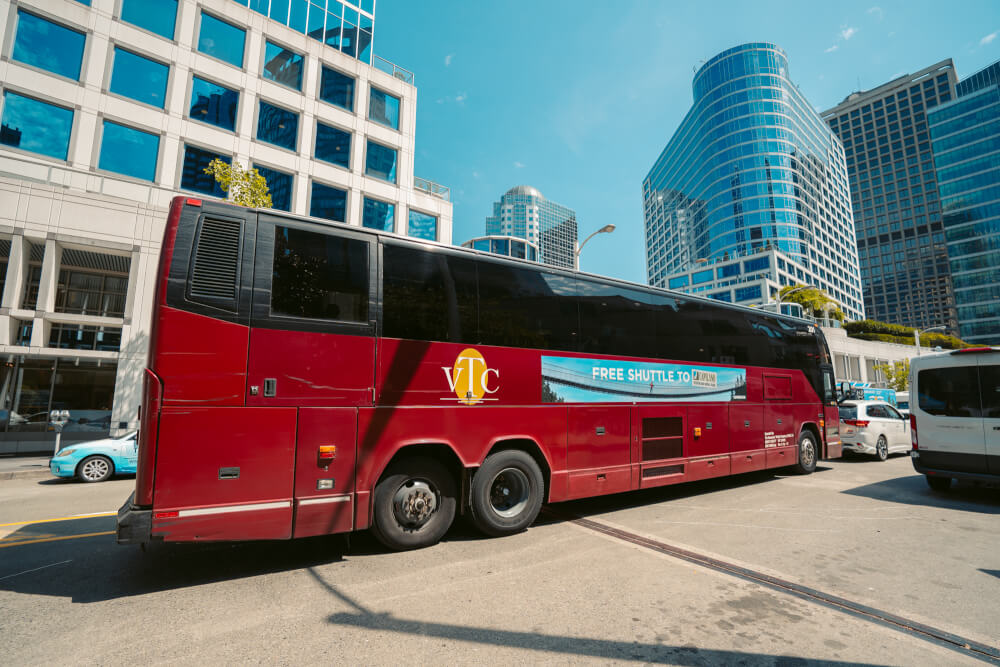
There are also privately owned sightseeing buses, though to be honest I find these super overpriced. They can be a good way to get a feel for the city if you have a short amount of time though!
11. Popular chains serving ‘casual fine dining’ are popular and safe picks
Now, let’s move onto Vancouver food and drink tips!!
If there’s one thing this city is known for, it’s the food.
In terms of what is good to try in Vancouver, there are the typical staples of West Coast cuisine, so things like fresh seafood, but an overwhelming theme to most chain restaurants – especially Downtown – is something people often call casual fine dining… so, restaurants that have a nice vibe with menus featuring a bit of everything, e.g. a few burgers and sandwiches, pastas, steaks, and various mains representing different cuisines.
Cactus Club, Earl’s, and the Keg for steak would be the best known chains for this, and they’re reliable but honestly, there are better places to eat in my opinion, if we’re talking strictly about food. More on this below!
NOTE: Tap & Barrel kind of fits into this category as well, though it’s more casual than the others. They tend to have great locations though, usually by the water in some capacity, so good for a casual bite if you can’t decide on where to go.
12. Vancouver is full of great diverse food options
The reason I’d recommend you go beyond the ‘usual’ casual fine dining spots like Cactus Club & Earl’s is not because there’s anything wrong with them (in fact – they’re always packed with locals), but if you have a short time in the city, you can definitely do better.
One really great thing about Vancouver is how diverse it is as a city, a main perk of which is the diversity of its food culture as well… so if you’re short on time, you should explore that as much as your stomach will allow you to.
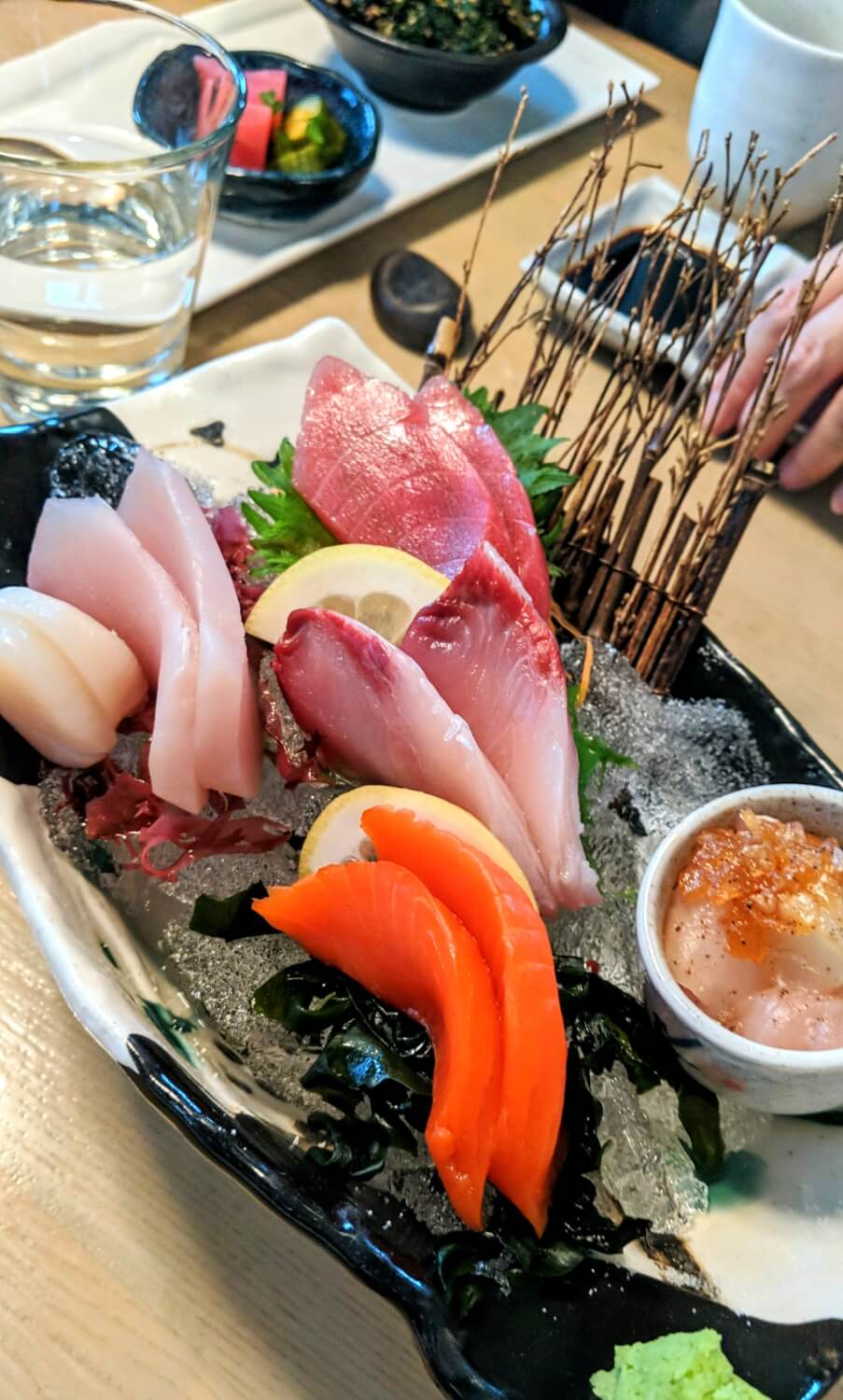
You can find SO many different cuisines in this city, but honestly to me, there are few things more quintessentially Vancouver than sushi.
I think everybody in the city has their go-to decent sushi place that they frequent, and there are SO many options, but Downtown I’d say Tom Sushi is a good bet, and Miku or Minami if you want something on the more luxurious side… especially for their signature Aburi style sushi which is lightly torched and so delicious. Sushi California is also a nice casual option with good prices.
For a more unique sushi experience, some notable ones include Sushi Aboard in the West End, where the food is served to you via model train, or Tojo’s on West Broadway (a pricier option) known for its chef who invented the world-famous California Roll back in the day.
If you’re not feeling for sushi, there’s loads of other options. Here are some other places I can recommend in and around Downtown:
- Phnom Penh in Chinatown for Vietnamese-Cambodian – their butter beef and fried chicken is the stuff of Vancouver legend
- Jingle Bao for soup dumplings and other Chinese classics – their Happy Hour is probably one of the best deals in Downtown Vancouver but shhh don’t tell too many people
- Di Beppe for classic and cozy Italian
- Maruhachi Ramen for… ramen, but honestly take a quick walk along the northern end of Robson Street and you’ll find PLENTY of other ramen shops too – there’s a truly shocking amount
- Sooda Korean BBQ for unique Korean BBQ dishes like shareable platters
… and if you want a no-frills and cheap late night bite, both 24 Train Express Noodle House (for pho and other Vietnamese dishes) and Marugame Udon (for udon) have great deals, and are my go-tos after evening events at Rogers Arena or BC Place… especially the latter which has a late night deal from 8pm until close that I’m convinced is one of the best deals in the city.
I’m not joking though when I say that you can find cuisine from all over the world in Vancouver, so if there’s anything you’ve ever wanted to try, then have a quick search. Finding your own hidden gems is half the fun.
13. Find some quintessentially ’Vancouver’ must-eats & Canadian classics
If you want to have a very Vancouver experience though, I feel like there are some foods that are just iconic to the city, so be sure to pencil in a few of these as well. I know, I’m getting ultra niche with these food tips but this is clearly a topic I’m passionate about, so let me have this okay?
Other quintessentially Vancouver foods you’ll find in and around Downtown include…
- Japadogs – Hot dogs with Japanese toppings that are absolutely amazing
- Earnest Ice Cream – My personal favourite ice cream in the city – very Vancouver! Though many other locals are devoted to its main competitor, Rain or Shine
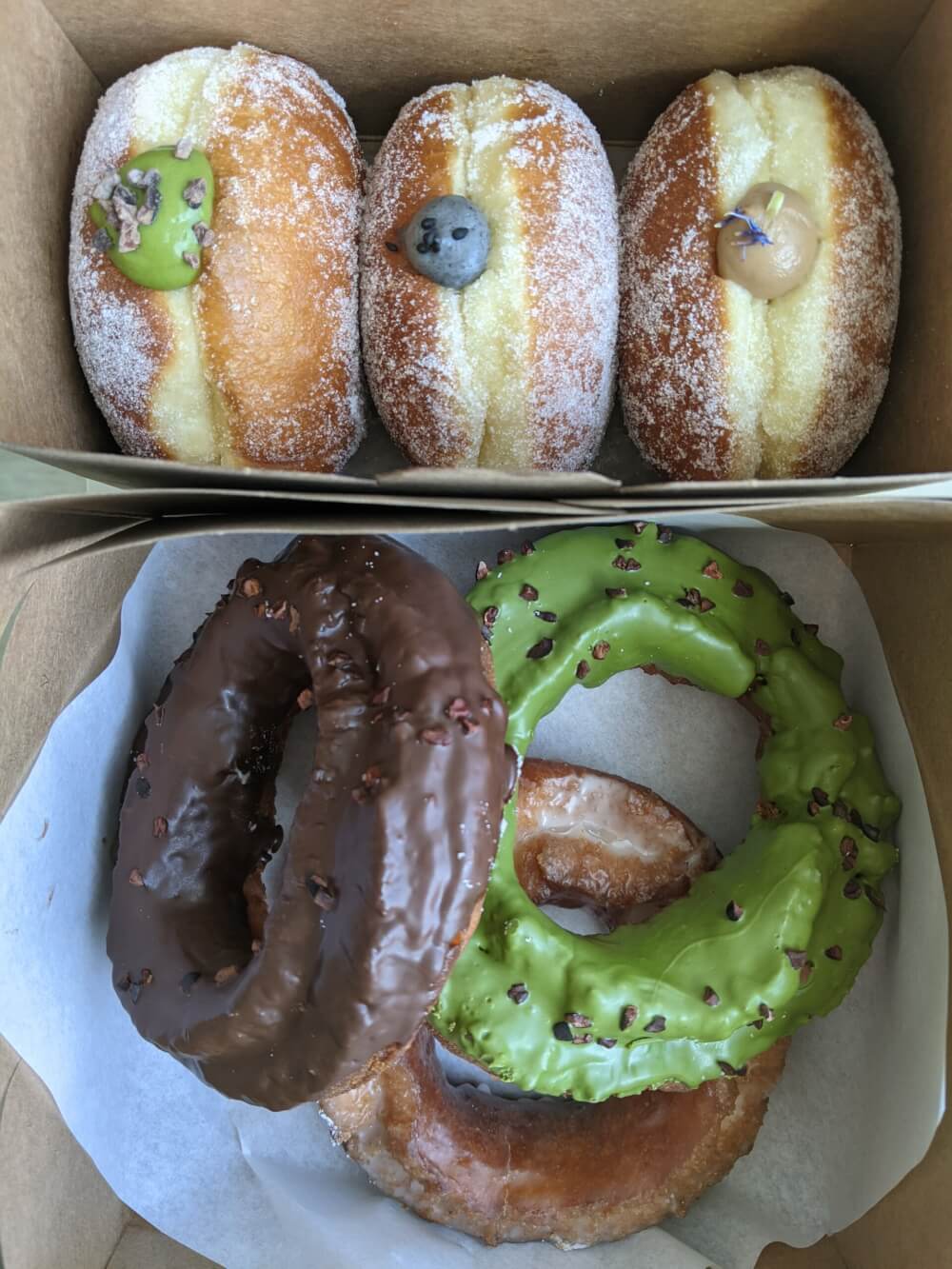
- Mello – My personal favourite donuts – brioche style with the tastiest fillings!
- Joe Fortes – A fancy little old school restaurant in the heart of Downtown – they aren’t known for a signature dish in particular, but the restaurant itself is an icon, and a fun vibe if you want something that feels a bit like a time warp
And if you’re feeling for more general ‘Canadian’ classics, then here are some must-tries and where to get them:
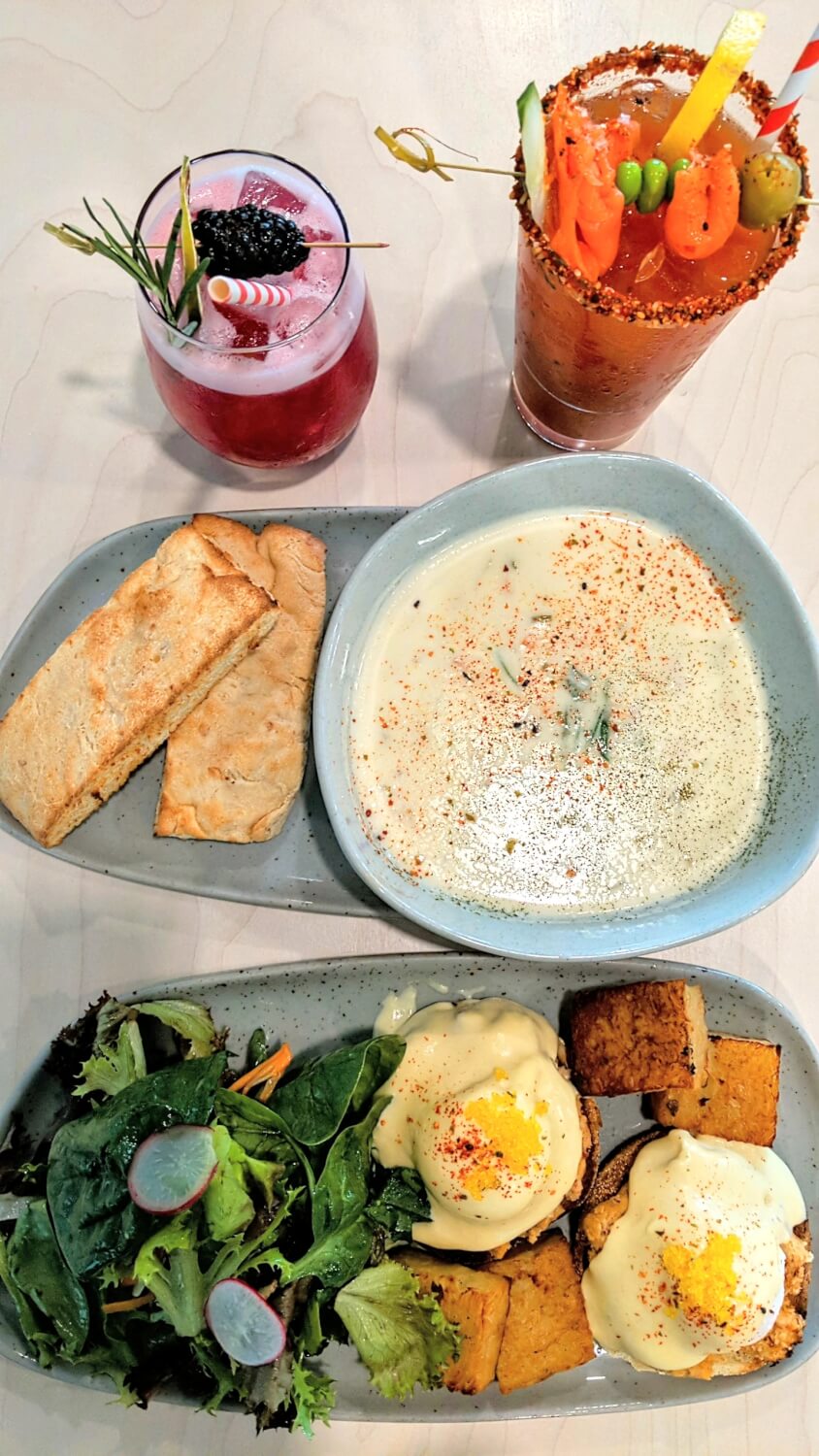
- Caesars – Canada’s national cocktail, and the Score on Davie is a classic place for them with so many options.
- Poutine – Fries topped with gravy and cheese curds – another Canadian specialty. I like getting it from La Belle Patate, which is conveniently very close to the Score on Davie
14. Be sure to also check out some craft breweries & brunch spots
Now if we want to get into the true heart of Vancouver culture, I’d argue you need to get yourself to a few breweries and brunch spots.
Truly, there are few things that Vancouverites seem to fawn over more than this basic B combo – breweries and brunch! So, take advantage.
If you’re into breweries, then the two best areas for brewery hopping include Mount Pleasant and Lower Lonsdale in North Vancouver, where there’s now a strip of breweries just a few minutes’ walk from Lonsdale Quay. If you don’t need a huge brewery crawl though, there are plenty of great options scattered all around the city.
And yes, if you’re into brunch, then the good news is this city is beyond obsessed with brunch. The bad news is there’s almost always a line for it, so definitely try to make some bookings in advance, or set aside time for you to line up (you said you wanted to live like a local, didn’t you???)
Anyways, here are some of the most popular spots for brunch, along with their vibe:
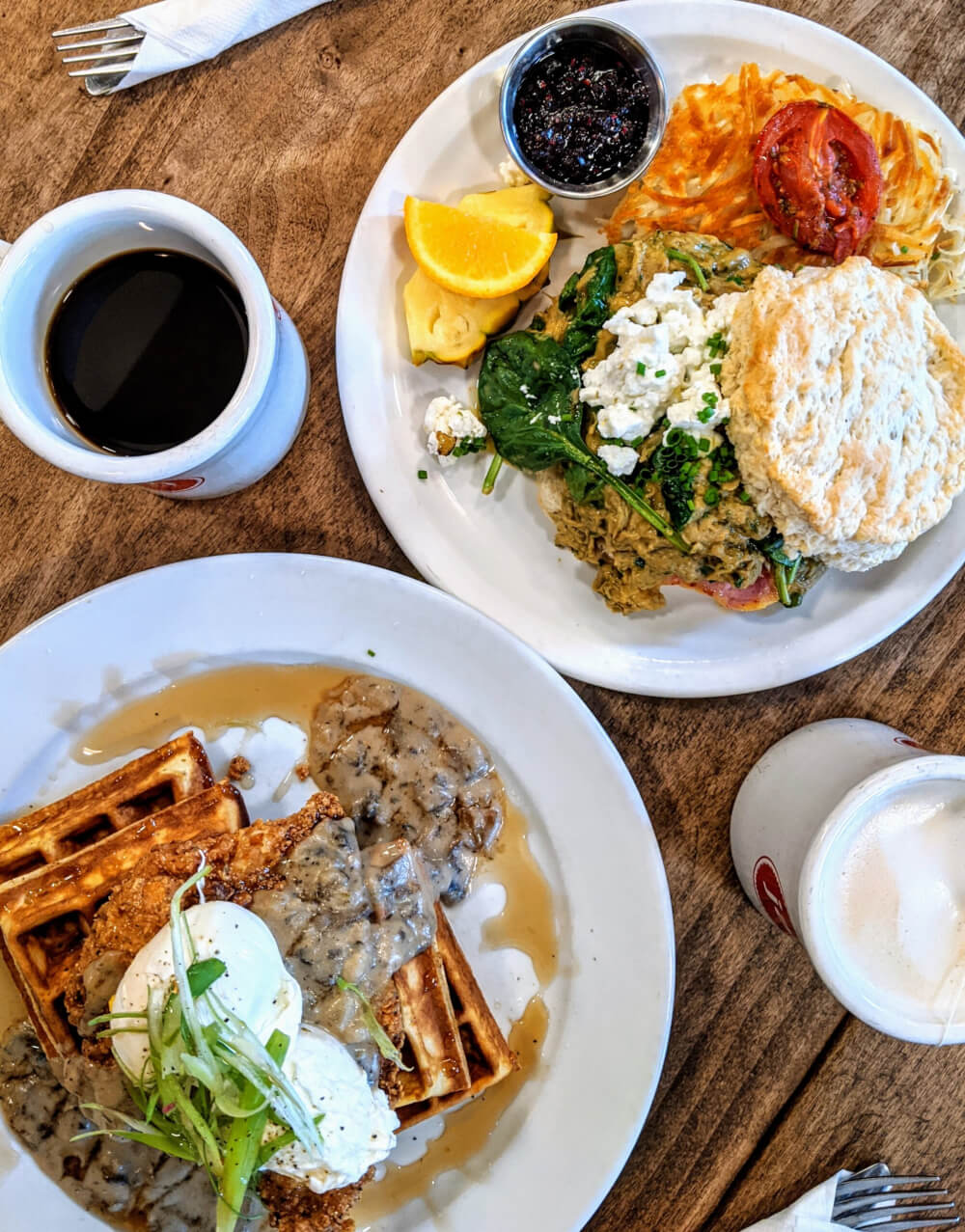
- Jam Café – casual diner-esque feel – tons of decadent and delicious options. The Charlie Bowl is my favourite, but they don’t do reservations so you’ll have to line up. Usually going just before closing is a better bet for shorter lines, but they might rush you a bit if it gets too close to closing time
- OEB – casual, friendly, and reliable – can’t go wrong with their eggs benny. They have multiple locations and they tend to be quite big so making a reservation a few days in advance is usually pretty easy
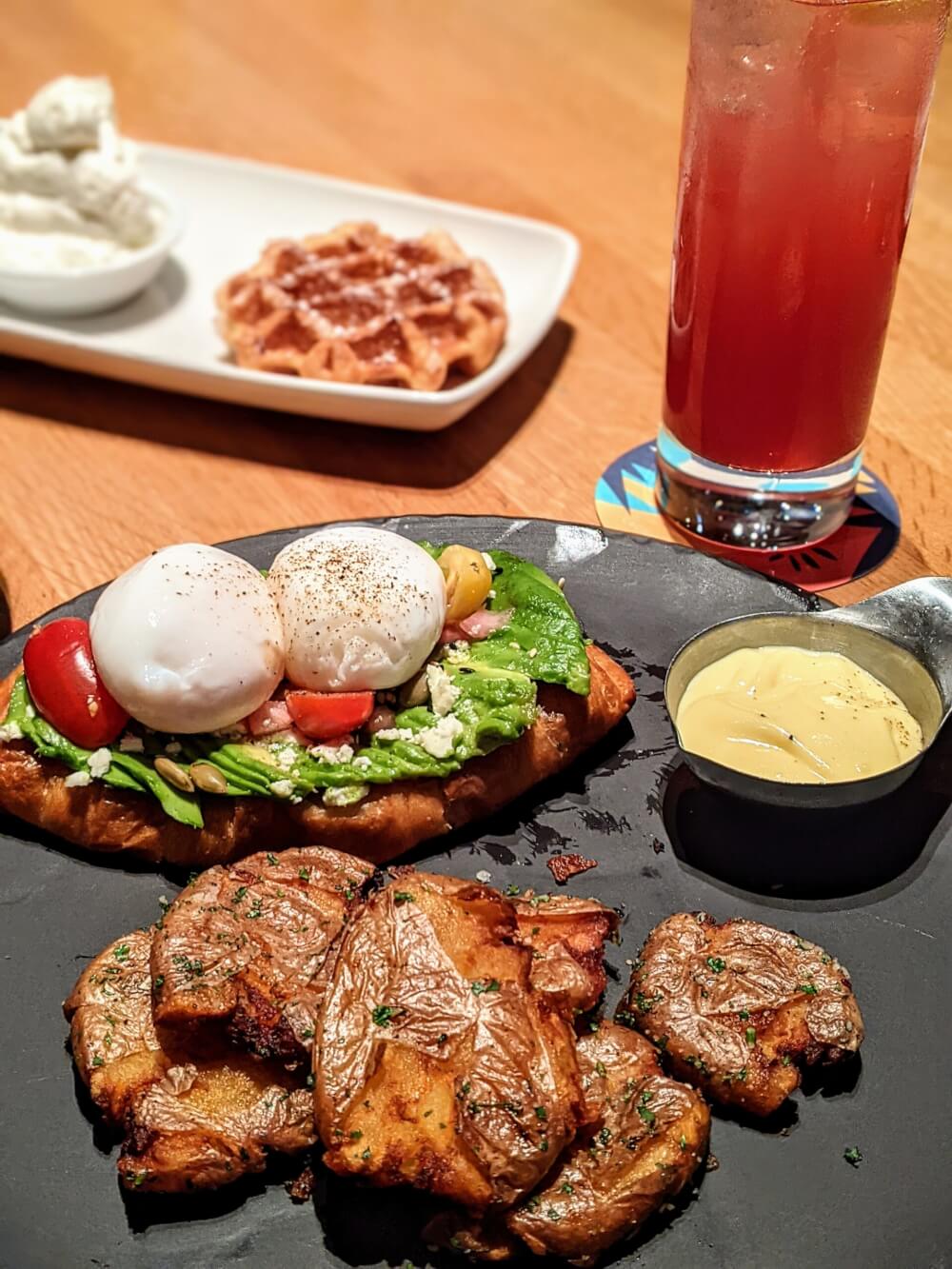
- Cafe Medina – fancier Mediterranean-inspired brunch, a go-to for girls hoping to have a ‘nice’ birthday brunch. Also famous for their waffles, but book well in advance
- Maxine’s – higher end ‘pretty’ brunch dishes in an elegant space – sorta underrated in my opinion! A bit out of the way downtown, but lovely
- ARC – all you can eat brunch dishes in the Fairmont. Ideal if you want to stuff yourself
15. Take advantage of Happy Hour specials to save money on both food and drink
Now without a doubt, dining out in Vancouver can get expensive. Especially because the standard tip here is about 20% these days (ugh).
If you’re looking to save some money though, “Happy Hour” is the way to go. There are no words to explain how much money these deals have saved me over the years! These specials typically run from 2-5pm or sometimes 3-6pm and involve huge savings on drinks and food.
Especially because as tourists, you have a lot more flexibility with your schedule, this can be a great way to eat and drink for wayyyyy less. All the casual fine dining restaurants (Cactus Club, Earl’s, the Keg, Tap & Barrel) I mentioned earlier will have a great Happy Hour. Another popular spot for Happy Hour downtown is Glowbal… but honestly most places will offer some kind of Happy Hour deal, so just keep your eyes peeled.
16. Don’t miss budget bites in the city if you just need sustenance
And this is a niche tip but if you want a super filling and affordable bite downtown, the Costco downtown across from Rogers Arena is one of the few left that offers food court access for everyone, even those without a membership!
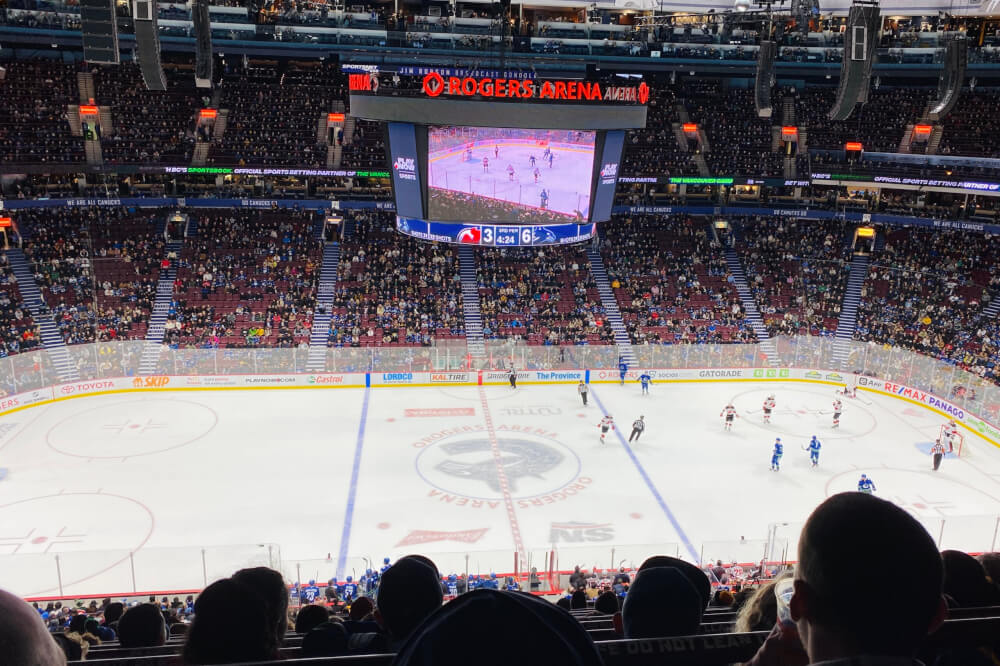
So, we’re talking $1.50 hot dog and drink combos, plus THE best soft serve ice cream, 2.99 pizza slices – you name it! And it’s good. This is an especially nice option if you’re going to an event at Roger’s Arena or BC Place.
Plus, it’s definitely a local rite of passage so you can kinda pass it off as a cultural experience.
17. Prioritize Vancouver’s many free activities to sightsee on a budget
Alright, now it’s time to move onto tips for Vancouver attractions!
I’m not going to lie, sightseeing in Vancouver is eye gougingly expensive. Every time we have guests come to visit, I am dismayed by the price tags on all the popular ‘must-dos’.
Unfortunately, there aren’t many ways around this if you want to see specific paid spots like the Aquarium or Science World. Unlike other large cities, there aren’t any sightseeing passes that will save you a great deal of money.
But luckily, if you’re flexible, some of the best things to do in the city are free. So if budget is a concern, I’d prioritize these free activities first rather than spend hundreds of dollars going to museums and paid sights.
In terms of free things to do…
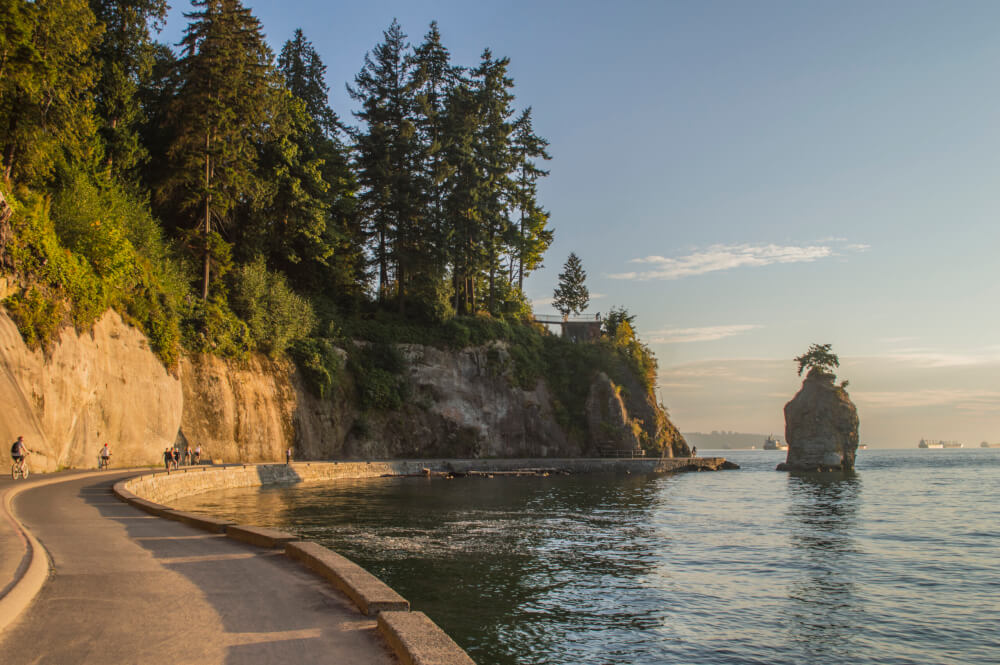
- Walking or biking the Stanley Park Seawall is a must. I don’t think you really get the full Stanley park experience without doing the whole Seawall. If you’re up for extending your journey, continuing along the Seawall to False Creek or starting earlier by the Convention Centre and Coal Harbour is an incredibly scenic walk.
- Another gorgeous park is Queen Elizabeth Park, with great views of the skyline and the underrated Bloedel Conservatory, one of the more affordable paid attractions in Vancouver.
18. Know where to find free alternatives to Vancouver’s most popular paid sights
I should say there are often free alternatives to paid sights as well.
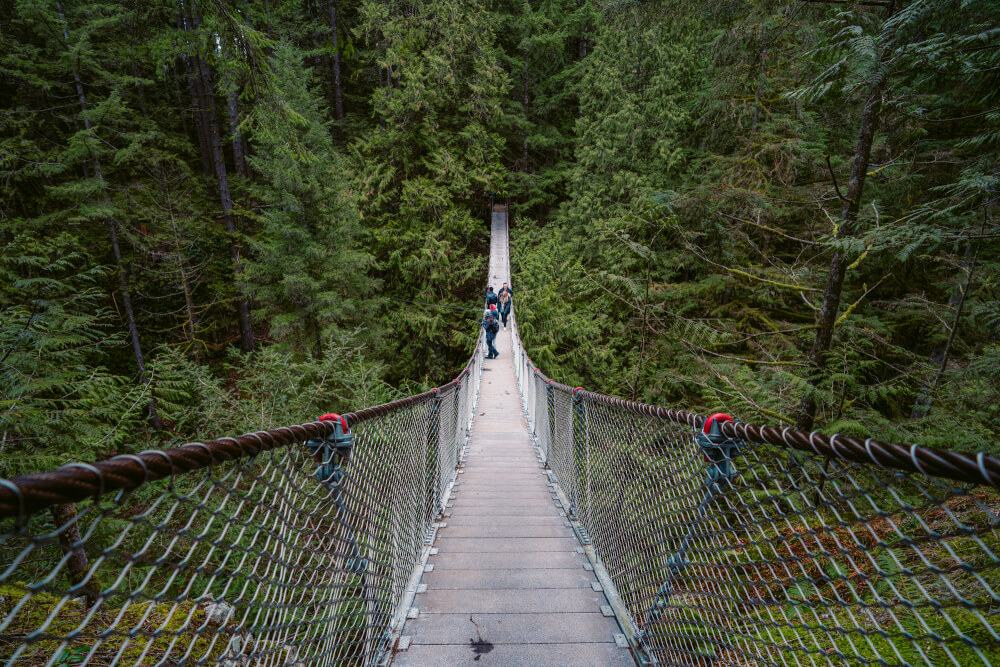
The Capilano Suspension Bridge, for instance, is beautiful, it really is a special place, but at $70 per person it’s quite pricey especially for families. But North Vancouver is full of gorgeous trails, and Lynn Canyon has a suspension bridge of its own that’s free! Sure, it’s not as long or epic but the scenery there is unreal, and free, so that’s a great alternative.
There are also SO many great views that you don’t need to pay for. So, while the Vancouver Lookout has a nice view, you can get more impressive views elsewhere for free. If you have a car, the viewpoint at Cypress Mountain and the New Trestle Bridge is gorgeous, and Burnaby Mountain Park is also always a winner.
Downtown, there’s also a free rooftop terrace at the main Vancouver Public Library that most people don’t know about. Here’s a link to my full list of Vancouver must-dos, but do keep in mind that there are probably way better alternatives to the typical guidebook must-dos… like the Gastown Steam Clock which is just okay.
19. Consider alternative day trips to Vancouver Island
And if you plan to do a day trip or two while you’re here, I know Victoria over on Vancouver Island is usually the most popular choice, but to be honest with you, that’s a super long day – an hour and a half on the ferry each way, plus time to get between the ferry terminals and the main city on both sides.
I love Victoria and think it’s beautiful but if you want to make the most of a day with less travelling, I’d actually recommend a day trip to either Bowen Island if you don’t have a car, or the Sunshine Coast if you do.
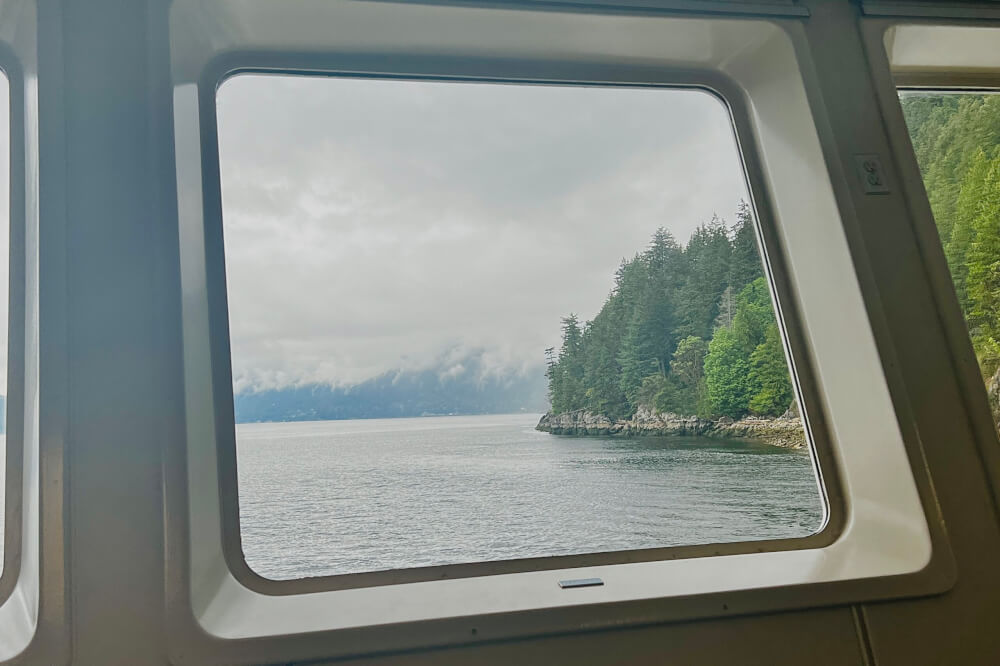
Both have ferry sailings from Horseshoe Bay, which has an express bus to and from Downtown that takes about 35 minutes. And the journey times are considerably shorter. The views you get along the way are also amazing, so that’d be my recommendation.
There are also tons of amazing spots all around Metro Vancouver and the Fraser Valley as well suitable for day trips too, so don’t just limit yourself to Victoria. Again, you can check out my full Vancouver guide for more recommendations.
20. Be sure to research hikes beyond the most famous ones like the Grouse Grind
In terms of outdoor attractions, let me make one thing clear.
You. do. not. need. to. do. the. Grouse. Grind.
I know – it’s a famous hike. Everybody talks about it like some incredible rite of passage. BUT I assure you – there are literally hundreds of nicer hikes if what you want are views or connection to nature.
For context, the Grouse Grind is all stairs, and you don’t get any nice views along the way really because it’s all trees. It’s also not a particularly pleasant hike because (again) it’s all stairs, and largely filled with frighteningly sporty locals who are trying to make a good time and therefore HATE when confused tourists are clogging up the trail. Then, once you get to the top, you have to pay $20 for the gondola ride back down. Ughhh. What kind of reward is that?!
Granted, there are some nice attractions at the top of Grouse like the resident bears and a fun lumberjack show, but if your goal is hiking and amazing views, there are probably better alternatives out there for you. Not to mention, ones that might be better suited to your skill level, since the Grind is notoriously tough, and hundreds of flip flopped tourists seem to underestimate it every year.
So, I wouldn’t recommend this one unless you want the bragging rights or to bypass the super pricey gondola trip up to the top. Instead, go out and enjoy the many other great hikes in the area. What’s ideal for you will depend on your skill level/priorities, so I’ll just say that the AllTrails app is a great resource for finding hikes to do.
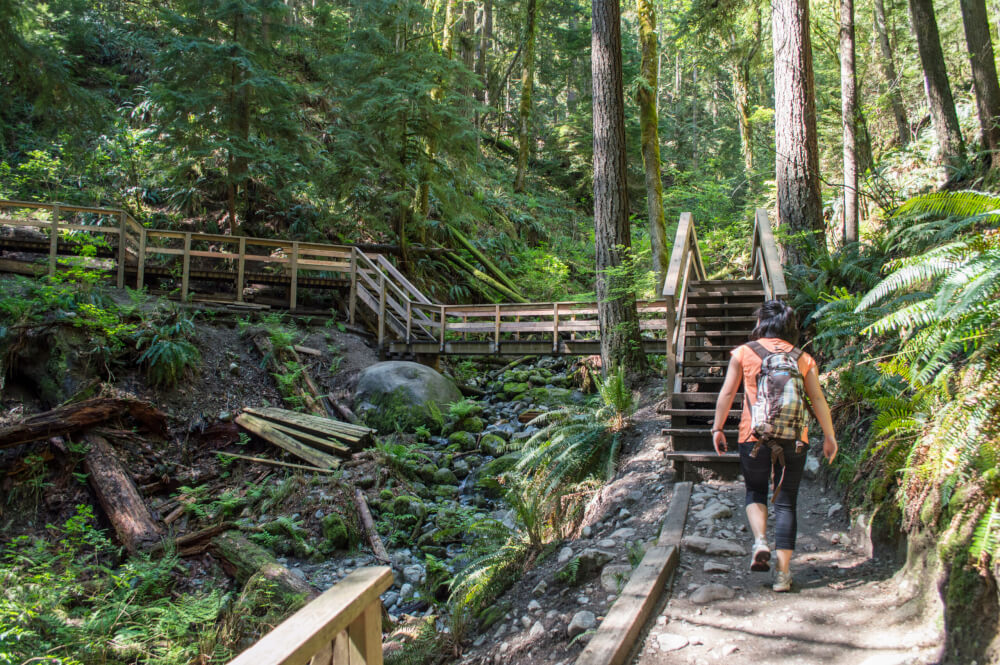
My favourite work-to-reward ratio hikes though are Quarry Rock and the Twin Falls loop in Lynn Canyon.
21. Some popular places like Provincial Parks require you to reserve a Day Pass
And if you’re renting a car (smart choice if you plan to explore beyond the city), keep in mind that parking isn’t always as simple as “show up and park.”
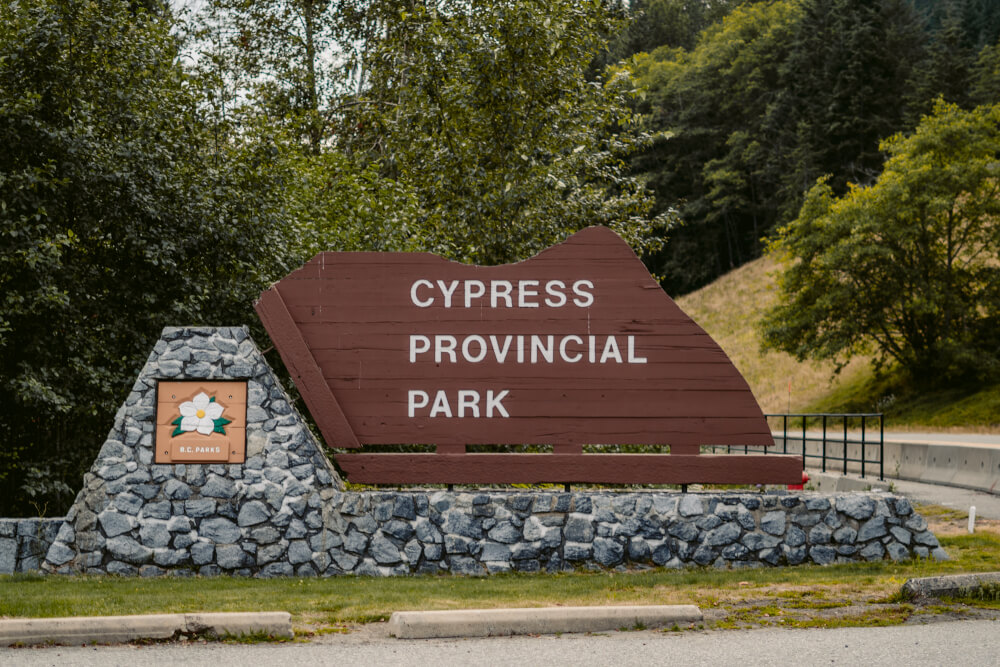
Popular provincial parks like Garibaldi, Joffre Lakes, and parts of Cypress now require you to reserve a free day-use pass online in advance – especially during the busy summer months. No pass, no entry, even if you manage to find a parking spot. It’s an easy thing to miss, and it’s no fun driving an hour out of town just to get turned away at the trailhead.
22. Make sure to carry 2 pieces of ID if you plan to visit bars and clubs & buy alcohol
Now, let’s move onto tips for once you arrive in Vancouver!
First, do be aware that most bars and clubs will ask for ID on busy evenings, and sometimes even restaurants if you’re sitting in a lounge or bar area… so never leave the hotel without two pieces of ID. Why two? Well, it’s standard practice here to ask for two – one needs to have your photo (like your driver’s license or passport) and the second just needs to have your name on it (like a credit card or health card).
If you only flash one piece, there’s a good chance they’ll politely, but firmly, turn you away, so better to have both ready and avoid the awkward scramble at the door!
23. Carry around some cash just in case
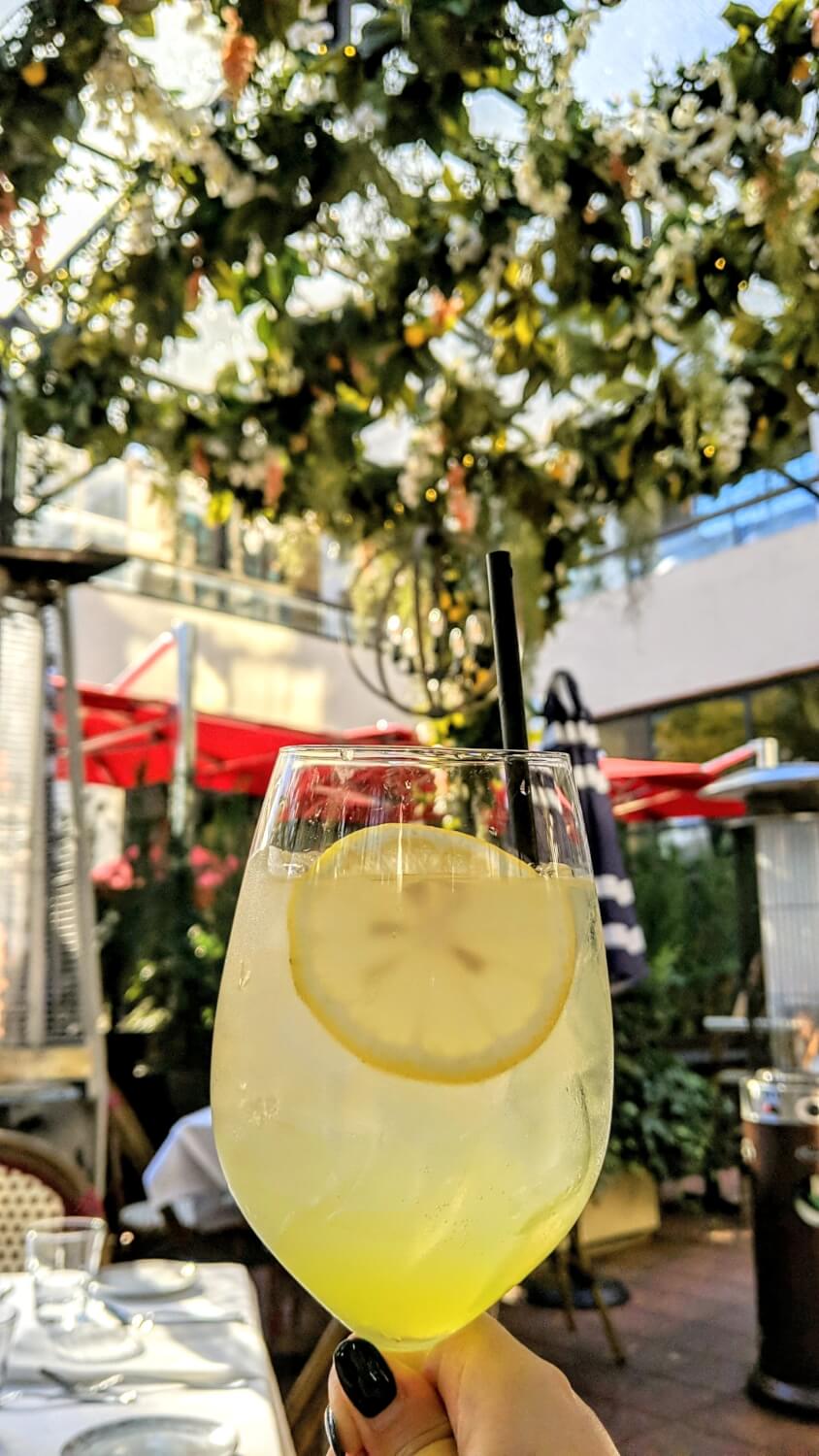
I’d also recommend carrying at least 30 bucks in cash with you, just in case.
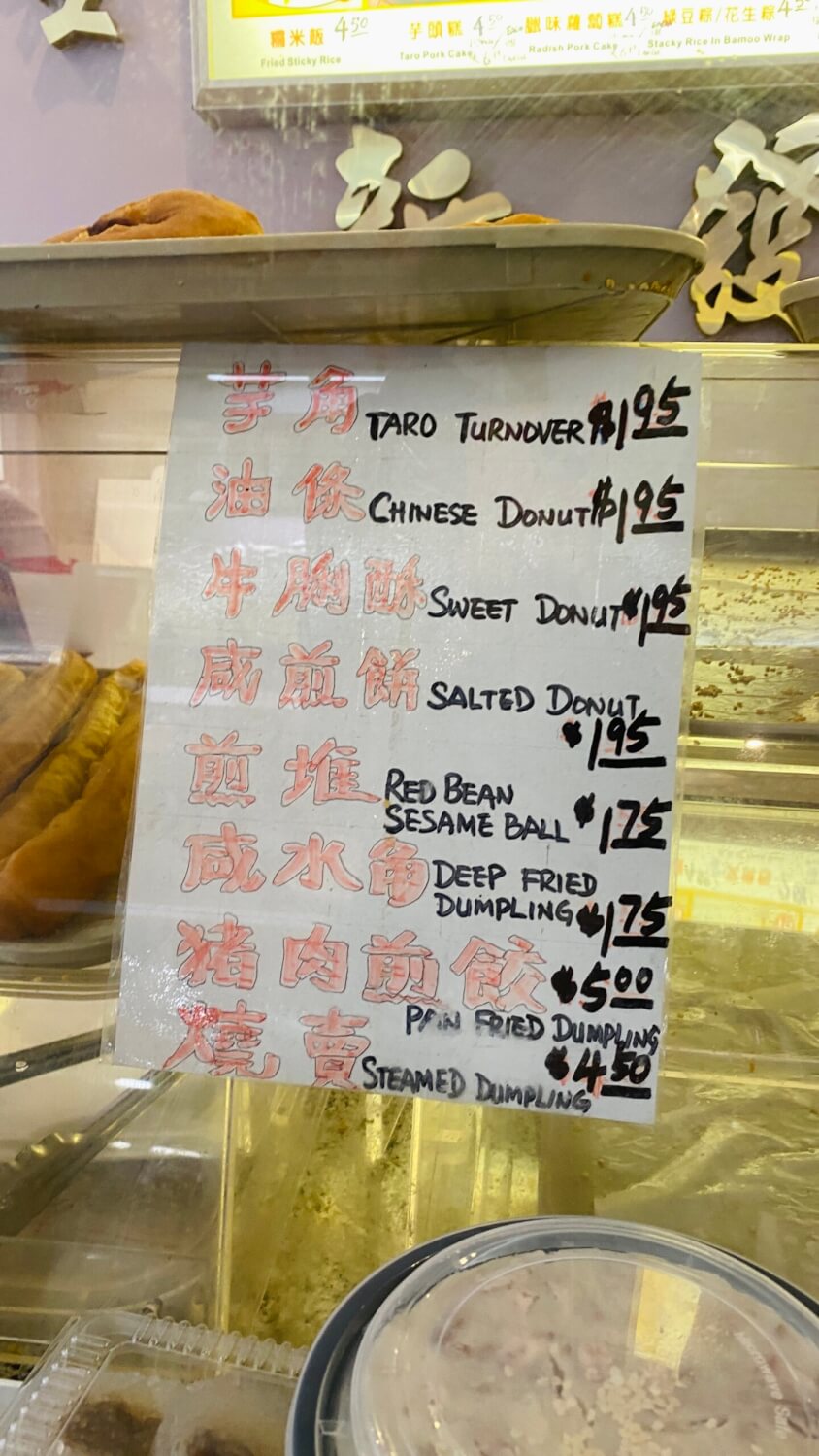
Granted, most places, especially downtown, are more than happy to take cards – in fact, a lot of them are card only these days… buuuut if you’re planning to visit smaller restaurants, food courts, or any of the amazing hidden gems (especially when it comes to Asian food), you’ll find quite a few that are cash only.
Indeed, some of the best dumplings, noodle bowls, and bubble teas in the city are hiding behind handwritten signs that say “no cards accepted,” and trust me, you don’t want to miss out just because you can’t pay!
24. Know that tipping culture is strong here
As I mentioned before, tipping culture in Vancouver is unfortunately out of control. For larger groups of 6 or more, usually an automatic gratuity is added onto the bill (typically 18-20%), and for smaller groups, the expectation is still there that you’ll tip at least that much.
It’s not a great system, but alas…
Cash tips are still accepted in most cases but don’t worry – usually the option to tip comes up on the card machine with suggested percentages, so you don’t have to do much math or carry cash specifically for tipping. Do note though that these days, 18% is a common minimum for good service for a sit-down meal.
You can always input a custom tip of less, but sometimes people won’t be too happy about that.
Annoyingly, the tipping option will also be presented for takeout spots and quick service businesses like cafes (and even liquor stores!). In these cases, tipping is a bit more of a grey area – some do, some don’t. Depending on the person, they may get a little snippy with you if you choose to NOT tip at all, but the choice is up to you.
NOTE: In response to the city’s increasingly absurd tipping culture, some places have famously implemented a no-tip policy. Folke in Kitsilano and Cowdog Coffee are two examples.
25. Beware of repeat street names in various Metro Vancouver cities
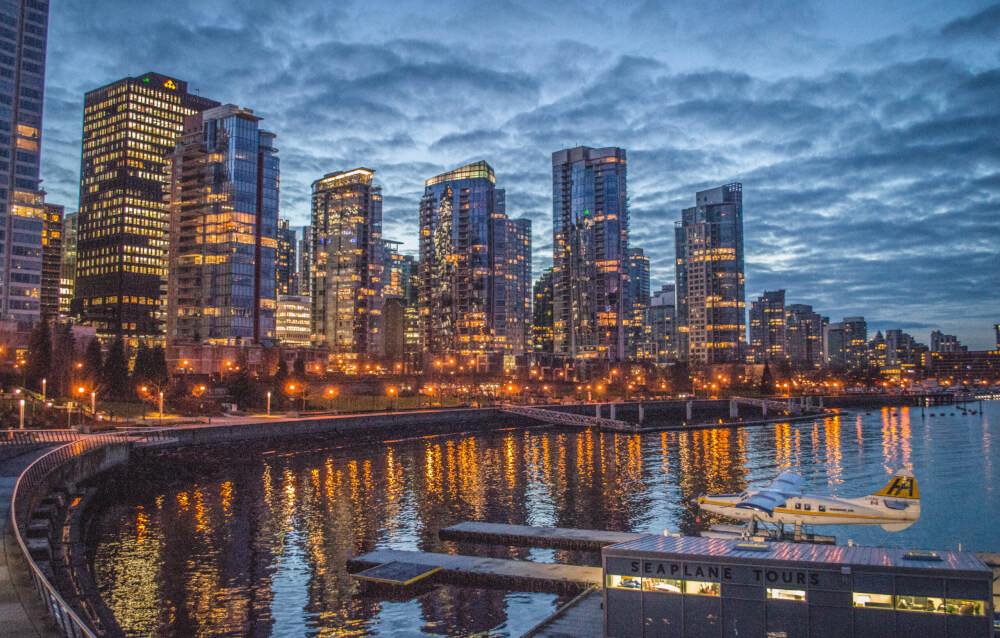
Now, when it comes to getting around, just a reminder: Metro Vancouver isn’t one big city – it’s a cluster of smaller cities like Burnaby, Richmond, North Vancouver, and others, all packed closely together.
So, if you’re plugging an address into your GPS or Google Maps, make sure you double-check which city it’s actually in. A lot of places use the same numbered street names, for example, there’s a West 16th Avenue in Vancouver and a totally different West 16th Street in North Vancouver. Google Maps sometimes gets confused too, so it’s easy to end up in the wrong place if you’re not careful.
26. West Vancouver, the West End and the West Side of Vancouver are all different places
And here’s a random but important heads-up so you don’t get totally turned around: West Vancouver, the West End, and the West Side of Vancouver are three completely different areas.
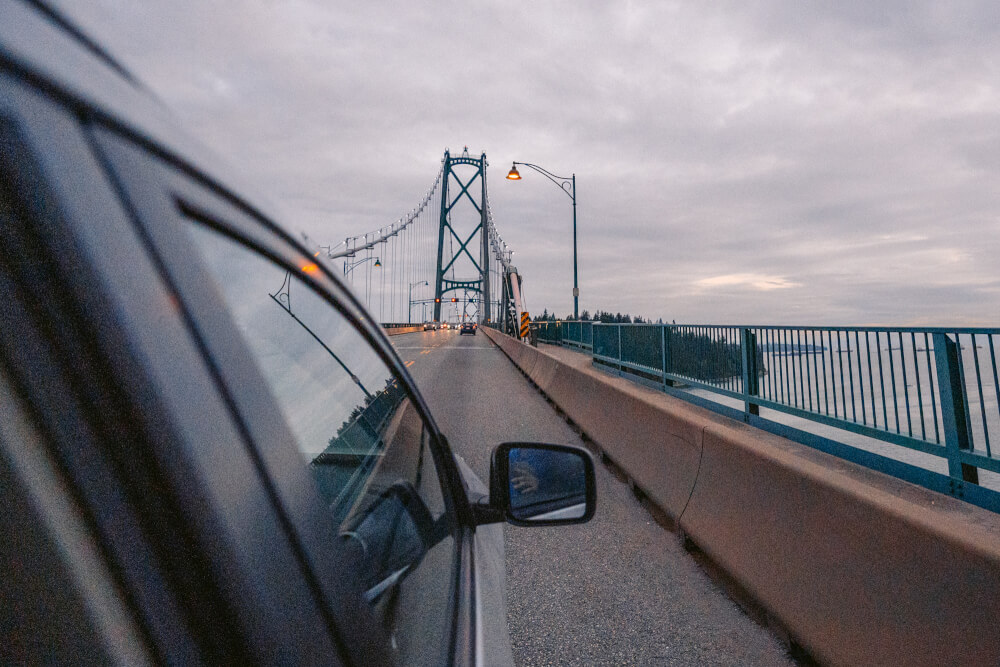
West Vancouver is its own separate city across the Lions Gate Bridge – mostly residential, very fancy, and definitely not downtown.
The West End is a bustling, super walkable neighbourhood in downtown Vancouver, close to Stanley Park and the beaches.
And the West Side? That’s the western half of Vancouver proper, mostly residential too but filled with leafy neighbourhoods, cute shops, and UBC (the university).
It’s one of those local quirks that confuses a lot of first-timers, but now you know!
27. Be prepared for the fact that there can be many unhoused individuals
Finally, it has to be said: Vancouver is a city that, like many other cities, has issues around unhoused people, mental illness and addiction. Depending on where you’re from, seeing this in person can be quite shocking because it’s a fairly visible issue that you’ll encounter, certainly downtown.
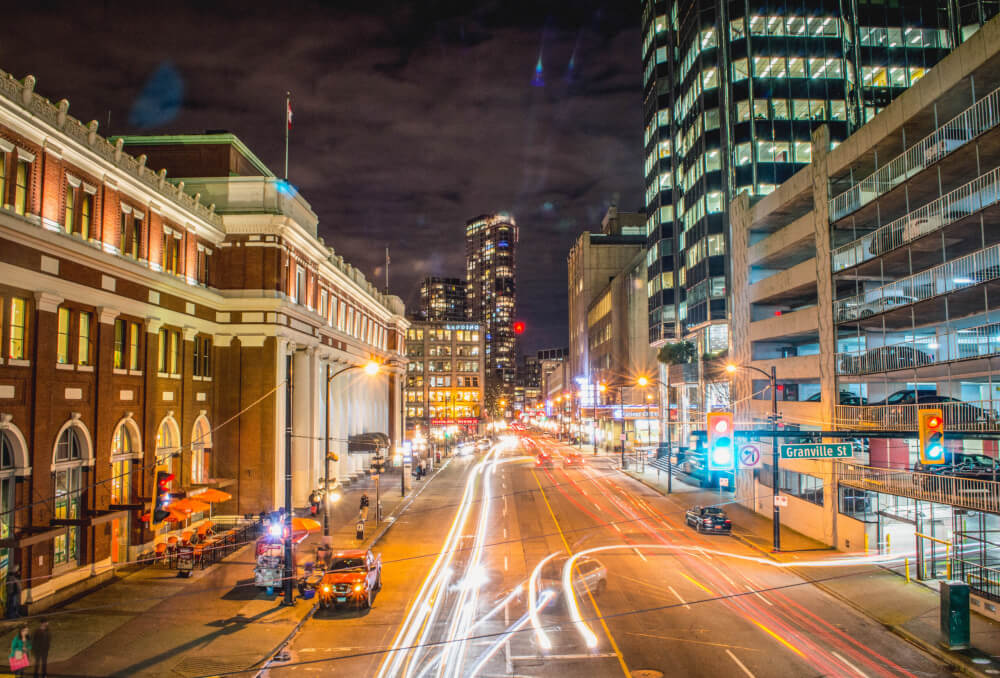
Some areas to definitely try to avoid include East Hastings, and the eastern end of Gastown, and unfortunately Granville Street, which used to be regarded as a hub of Vancouver nightlife, but really isn’t the most pleasant place to walk anymore.
I hope this list of Vancouver Travel Tips was helpful!
Let me know in the comments if you have any more to add.