
*FYI - this post may contain affiliate links, which means we earn a commission at no extra cost to you if you purchase from them. Also, as an Amazon Associate I earn from qualifying purchases. Check out our Privacy Policy and Disclosure. for more info.
I’m sure most travellers will agree with me on this one – a first visit to Tokyo is the travel equivalent of getting punched in the face and absolutely loving it.
Few words can adequately capture the electric buzz of the world’s largest metropolis… but an “assault on the senses” comes close. Densely packed with sights and people, this multi-layered wonderland is where centuries-old temples and shrines mingle with a sea of sprawling skyscrapers… with so many restaurants, you could dine at a different one every day for over 300 years.
… So, little surprise then that Tokyo is an easy source of overwhelm and culture shock… especially for first timers.
Luckily, I’ve done all the leg work and made alllll the mistakes on your behalf so you can focus on what matters: where to find the most slurpable ramen and winnable claw machines.
So, from where to stay and which attractions you NEED to book in advance to navigational tricks that’ll save you tears, this post pulls together all the ultra-specific Tokyo must-knows I wish I knew before my first trip. I hope you find it helpful!
Save this list of Tokyo Travel Tips for Later!
You’ll be very glad you did.
1. Tokyo has two international airports: Narita and Haneda
First, to get our bearings in terms of arrivals, do know that Tokyo has two main international airports, and which one you pick does indeed matter.
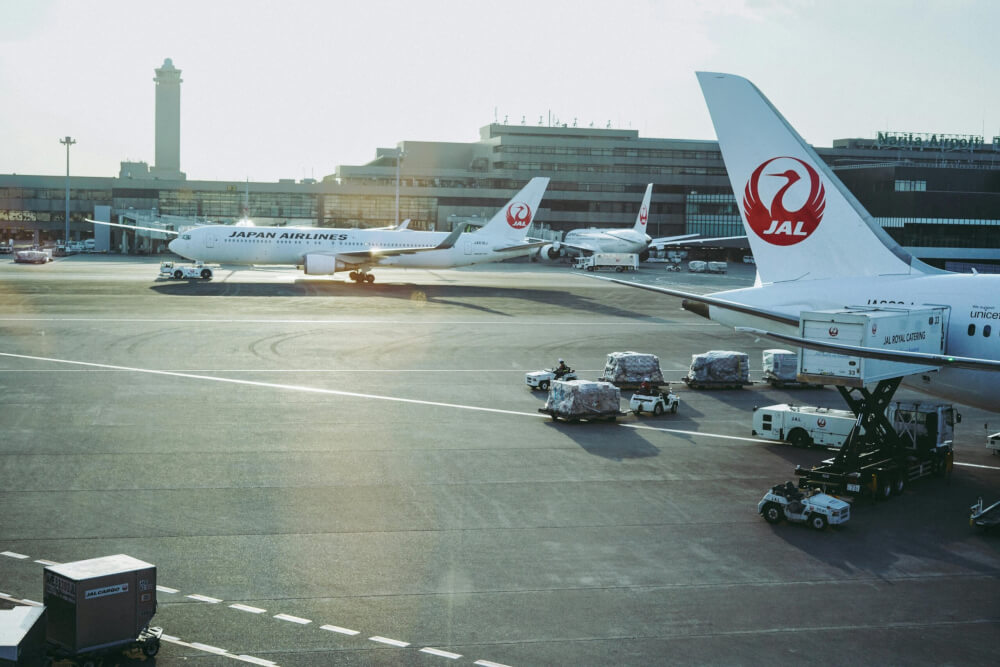
Haneda is much closer to the center, which is why it’s largely considered to be the better choice for most travellers – it also has some very cool amenities like a rooftop onsen! This would be my personal choice is all factors were equal, especially if you want to take one of Tokyo’s notoriously expensive taxis because the distance is so much closer.
That said, Narita is the bigger airport and services more flights and airlines, so it’s possible you could get a better deal flying in and out of there, so definitely compare the options.
2. Be sure to look into programs for FREE or discounted domestic flights
If you’re already flying into Tokyo though, something to put on your radar is that many airlines are now offering free or discounted domestic flights for you to explore more of Japan beyond just Tokyo… allowing you to squeeze in some extra destinations for cheap.
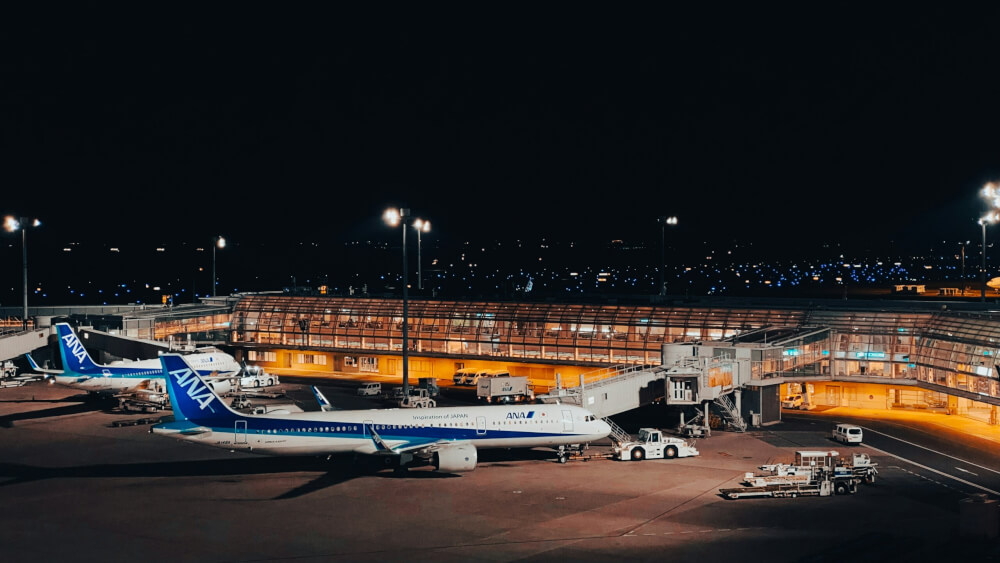
Long story short, in 2024, both national airlines in Japan (JAL Japan Airlines and ANA All Nippon Airways) introduced special programs where you can add extra domestic flights to your journey for FREE or for a heavy discount… so be sure to check out those programs if you have time for more stops on your itinerary.
3. If you’re doing a multi-city trip, consider leaving Tokyo to the end
This is because if you plan to shop during your trip (which duh obviously you will), hands down you’ll find the most options in Tokyo, so it might be smart to save Tokyo for the end so you’re not hauling all your shopping around on every stop of your itinerary.
4. Tokyo is huge, so be smart with where you stay
Now, in terms of where to stay in Tokyo, I know the decision can be overwhelming, so here’s my advice: pick somewhere close to public transport and you’ll be fine.
I know that’s vague advice, but Tokyo is mindbendingly massive, so even if you stay somewhere “super central” geographically, that still means you’ll be doing a lot of travel on public transport to see different popular sights. This is why I think it’s more important to pick an area close to public transport that suits your desired vibe and price point, rather than forcing yourself to pick something just because it’s geographically central.
NOTE: The greater metropolitan area of Tokyo is officially divided into 23 special wards, plus some more cities, towns and villages.. but these official divisions in terms of governance (and what you see used in addresses), are different from the names of neighbourhoods used in most travel guides. For instance, neighbourhoods like Ueno and Asakusa are both actually part of the Taitō City special ward.
So, just know that while Tokyo as a metropolis is divided up into special wards and other divisions officially, more often we talk about distinctive neighbourhoods known for their specific character instead. Often these districts don’t have super official division lines, but more refer to the area around the train station of that name.
So, how can you decide which neighbourhood is for you? Generally, people consider “central Tokyo” to be the part contained within the circular Yamanote Line. Stay near one of these stations and you’ll never be too far from the sights.
From there, the main deciding factor should be what vibe you’re going for. If you want to be in the middle of the action, close to nightlife and entertainment, Shibuya and Shinjuku are top picks, though options here tend to be pricier. We stayed at the gorgeous Hotel Indigo Shibuya for half of our trip and the views were amazing, plus we were close to tons of iconic sights and shopping, but it was also very, very, very busy and congested with tourists.
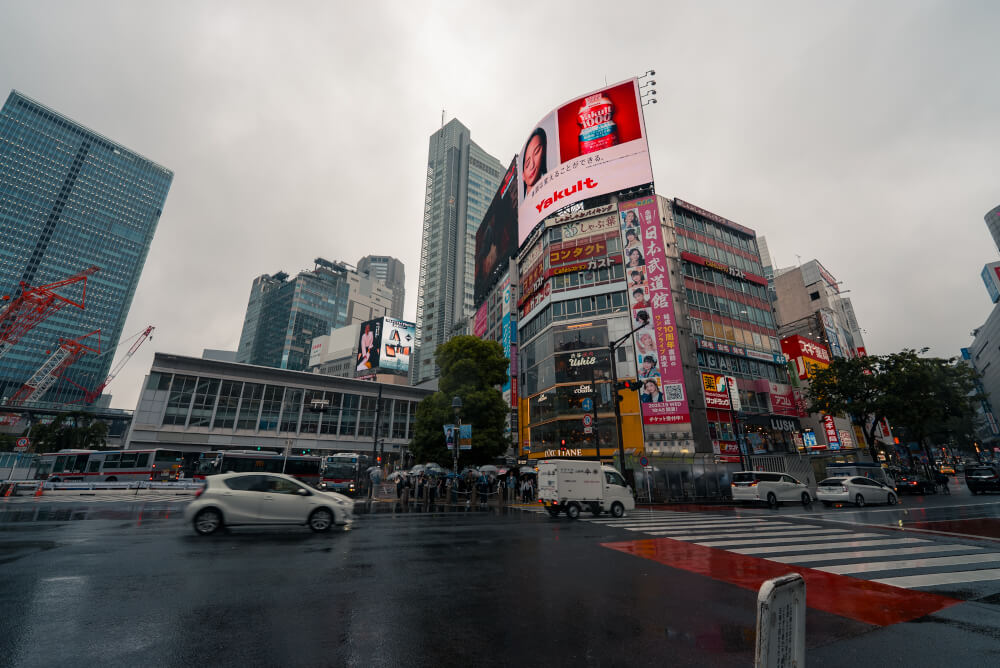
For the second half of our trip, we booked this hotel in a quieter part of Ueno and it was perfect – lots to see nearby but still quiet and peaceful on our walk back to the hotel, with a great mix of nightlife, food, museums, and the park, plus easy walkability to Asakusa and Akihabara.
Other notable neighbourhoods include Ginza or Marunochi if you want upscale vibes with luxury shopping.
But I’m gonna be honest with you – Tokyo has so many great places to eat and shop that you could probably find amazing gems wherever you choose to stay, so just keep that in mind! Don’t stress too much, and let prices and hotel ‘niceness’ guide you.
NOTE: If you have a longer trip planned, I can definitely recommend splitting your stay into two or more accommodations so you can more easily explore different parts of the city. I’m super glad we did it this way!
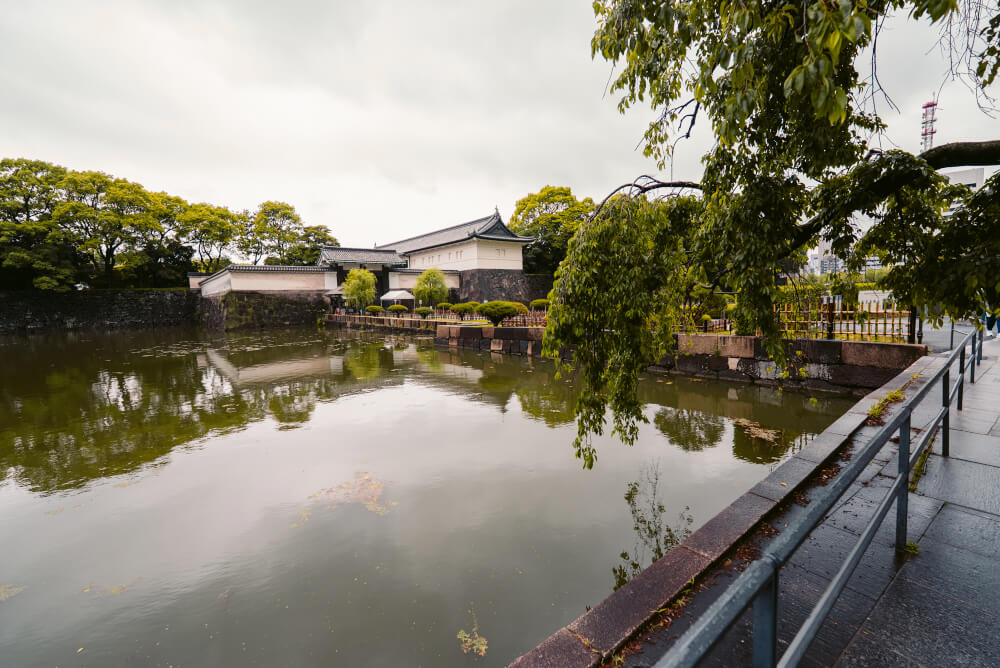
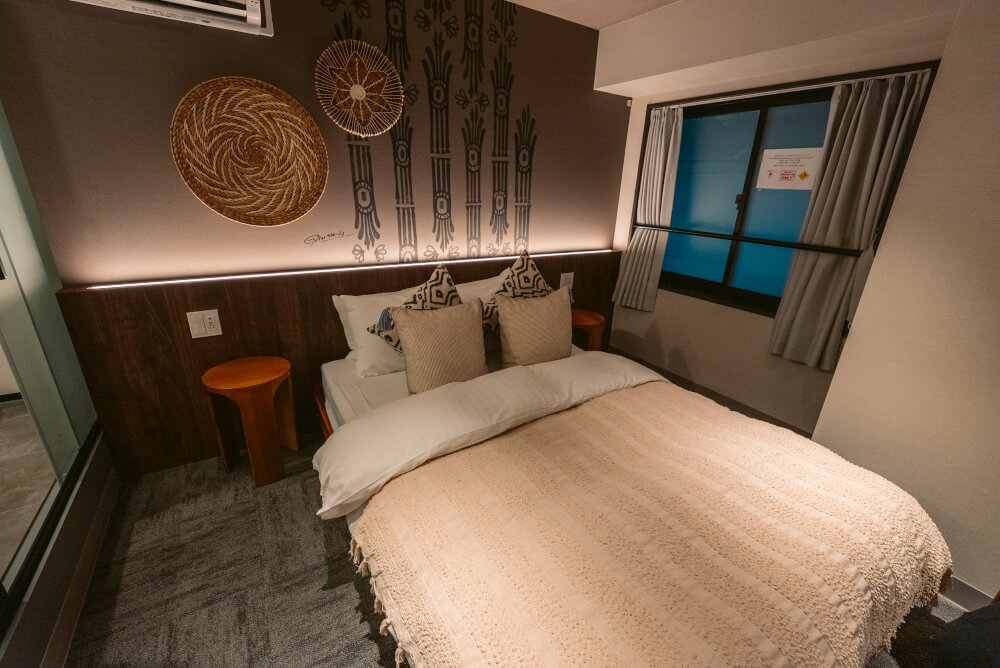
5. Beware that hotels in Tokyo can be smaller than you’re used to
Since Tokyo is so densely packed, space is at a premium, which often translates to much smaller hotel rooms than you might find in other countries and cities.
Even nice and expensive hotel rooms can be lacking a bit in space, so that’s just something to be aware of. If this is a deal breaker for you, do make sure you read the room specs carefully and see how big the room actually is because photos can be deceiving.
6. Set up an eSIM so you have data access right away as soon as you land in Tokyo
Truly, I don’t think I would have survived this trip without my eSIM (Airalo is my go-to). Not only are you using data in Tokyo constantly for directions and translations, you also need it to top up your transport card, and do research on food spots and bars on the go.
I personally used data straight away because not only did I need to message our hotel reception before it closed to let them know we had arrived late, but I also needed it to fill out the digital customs form to save time… and I was only able to do all this from the plane because I had an eSIM installed already on my phone.
For those who haven’t used one, eSIM stands for embedded SIM, meaning it’s pre-installed on your device and connects you to local telecom networks 100% digitally… meaning you can set everything up from your phone without needing to switch SIM cards.
You can check out my complete Airalo video guide to see step by step on how to set your eSIM up here.
7. Get a Suica card or other IC Card to make your life much easier on transport
IC Cards are essentially prepaid cards you can use for contactless payments in a variety of places including public transport, vending machines, convenience stores and even claw machines. In Tokyo, the most common IC Card is the Suica Card.
Back in the day this had to be in the form of a physical card that you’d pre-load with money then tap as you needed at fare gates or on buses. These days, luckily, many digital options exist.
If you’re an iPhone user, the easiest option by far is getting a Suica card downloaded onto your Apple Wallet.
All you need to do is open your Wallet and go to the + sign, then do Transit Card. You can then select Suica card from the list, and top up as needed.
NOTE: Suica is generally the most popular option, but if for some reason that’s not working then PASMO and ICOCA should both work as well. From a tourist perspective, I’ve heard really the only difference is they have different mascots.
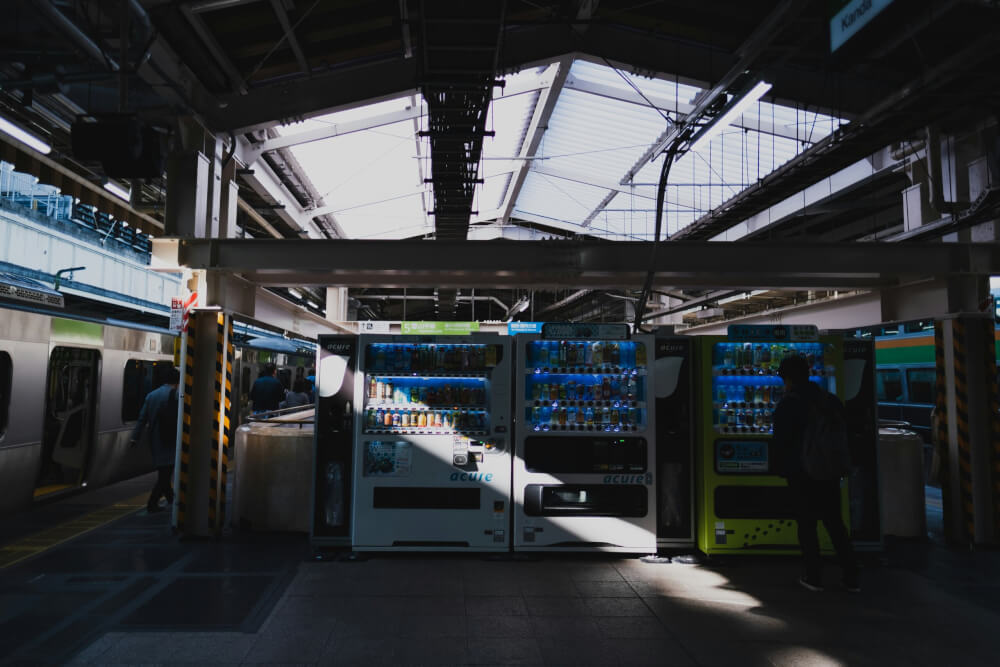
8. Google Maps is a lifesaver in Tokyo
Trust me, if there’s one app that will save you endlessly in Tokyo, it’s Google Maps. Not only does it offer its usual perks of helping you navigate from A to B, it’ll also give you ultra helpful directions like which exit to take in a Metro station and which Metro cars are better to sit in for optimal transfer times.
Some great features to take advantage of include…
- Turning on the “Wheelchair Accessible’ filter to find transport with elevators for your suitcases
- Finding out which Exit you should use in advance of your journey so you can keep an eye out for the right signs to follow
NOTE: In some larger stations like Shinjuku, where there’s literally over 200 exits, there are even coloured lines on the floor you can follow.
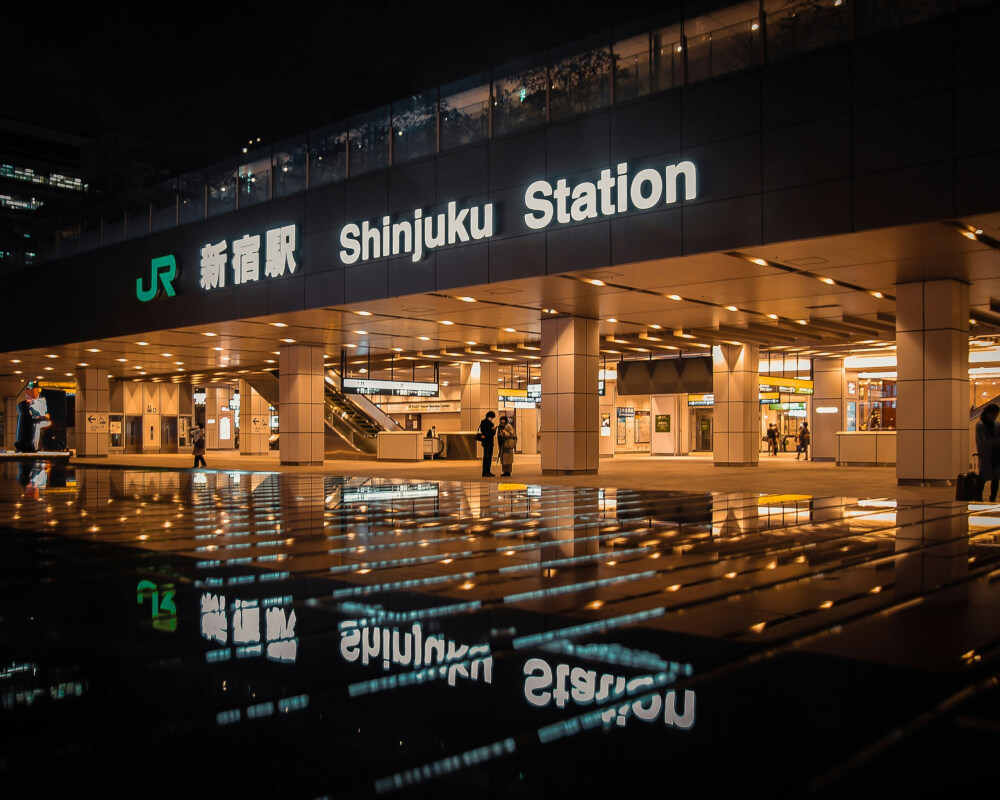
9. Beware that some large neighbourhoods will have multiple stations
But do be mindful that some neighbourhoods have more than one station, so don’t get them mixed up!
Shinjuku, for instance, has five stations servicing different lines and trains, so make sure you read the directions carefully on Google Maps and take into account the full name of the station you actually need. Those stations are massive and confusing anyway, the last thing you need is to also suddenly realise you’re not even in the correct one.
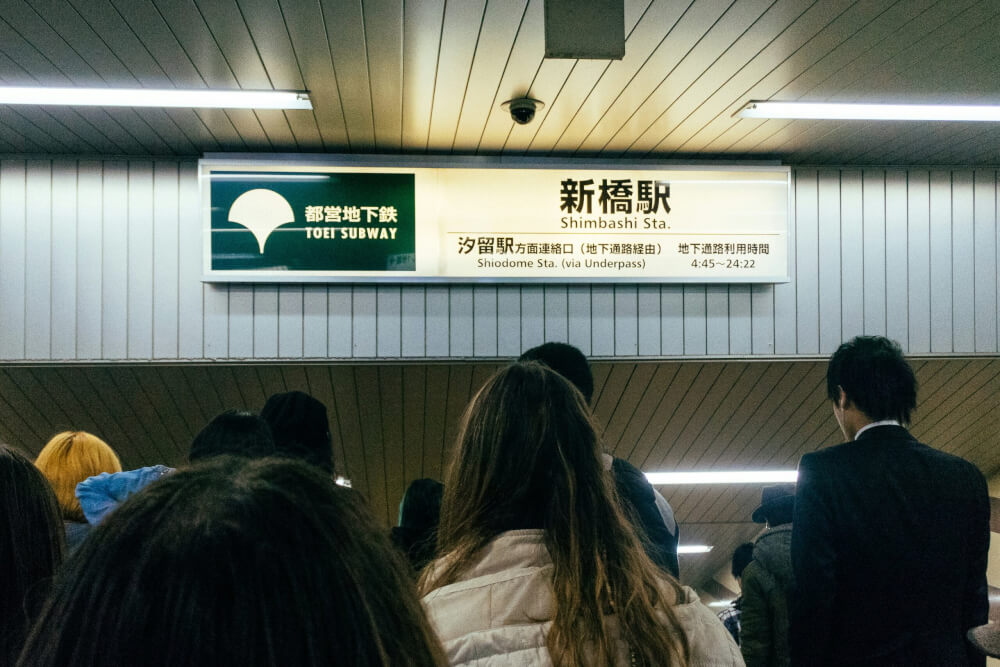
10. You will definitely be walking a lot in Tokyo so dress accordingly
Yes, there are trains and other public transport options but you will still be walking A LOT. So, make sure you wear the comfiest shoes you own as well as breathable clothes, ideally tried and true items and shoes that you’ve broken in because you’ll be walking SO much.
Because I visited in rainy season, I basically lived in my Vessis, which kept my feet completely dry even through puddles and were still comfy to walk in for hours. Here’s a referral code for $$ off.
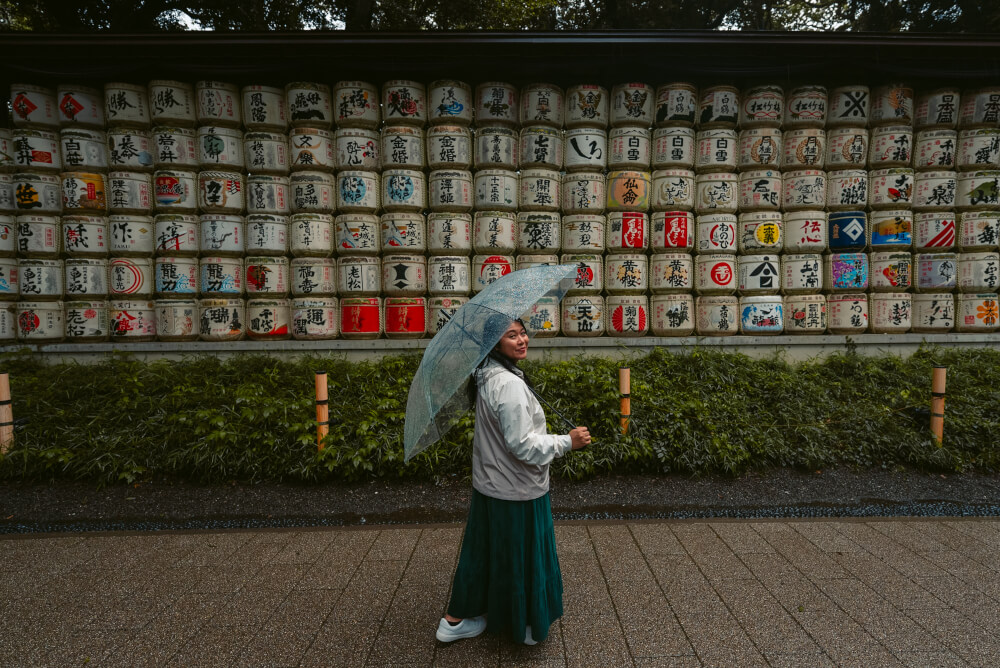
11. Beware that businesses are often stacked on top of each other on multiple floors
Now, when walking around Tokyo, you might find it difficult to find the correct business if it’s on top of (or below) another one… which is common, because boyyyy do they love their vertically stacked businesses in this city.
I will say, before you get used to it though, trying to find the place you’re looking for can be super confusing because Google Maps (and its trusty blue dot) will bring you to the ground floor automatically, and the place you’re actually looking for might not be immediately visible from the ground level.
So, when this happens, always check the address and see if there’s a number followed by F, as this will usually tell you which floor the business is on.
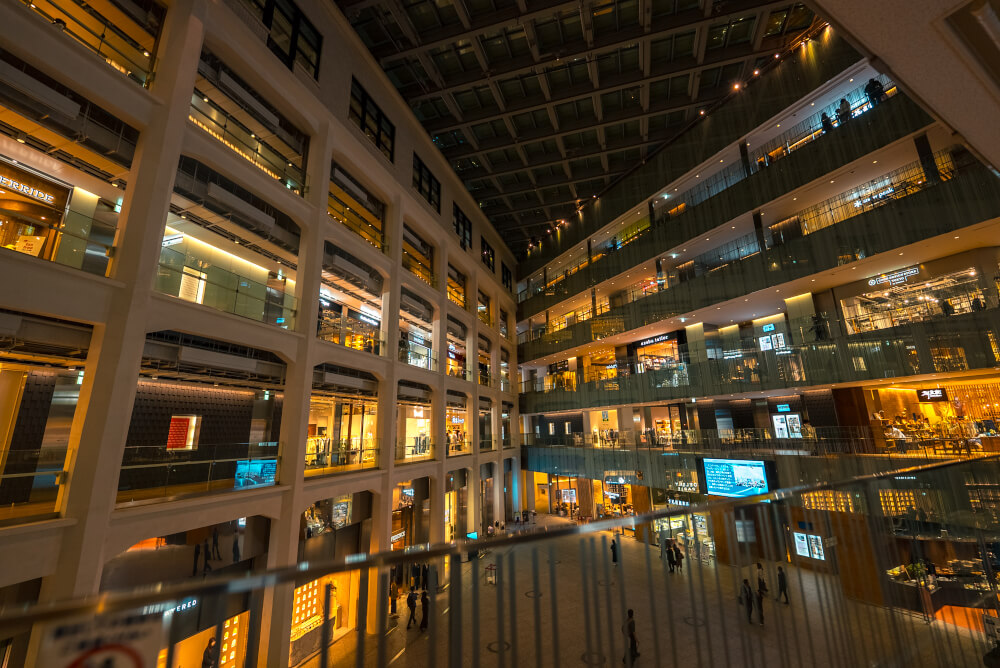
12. Luggage forwarding services can save you from having to bring all your bags
And if you are travelling with luggage, let’s say, from the airport or train station, do know that you don’t actually have to drag alllll your bags around with you. Instead, there are services where you can leave your bags at a counter and they will be delivered to your hotel for you.
Yamato Transport is a popular one of these services, for instance. This inexpensive solution helps ensure you aren’t a nuisance with tons of baggage on board a metro car and just takes a lot of stress out of finding your way around the first time.
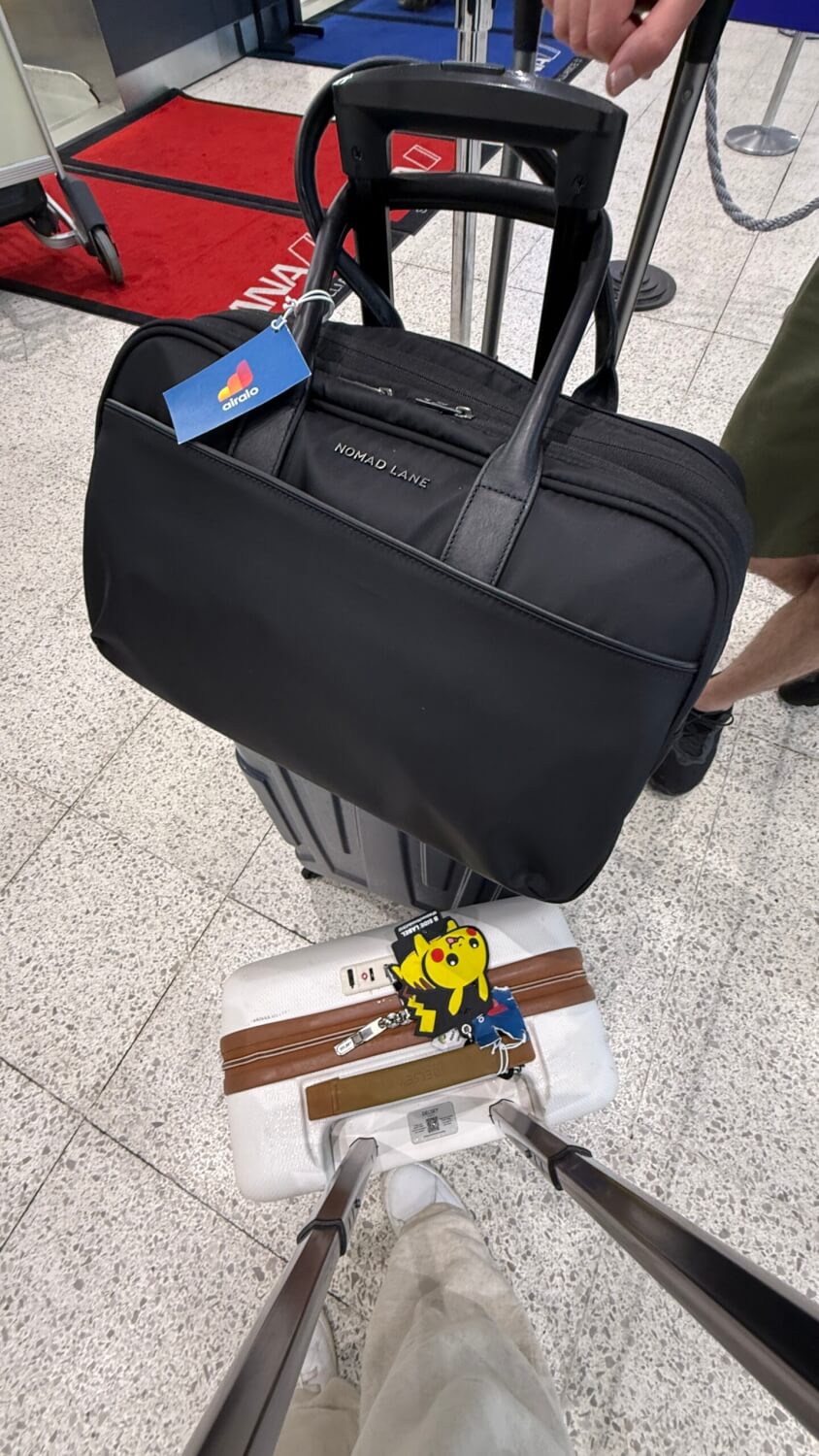
13. The limousine bus or taxi is another solid option
But if you don’t want to be parted with your bags for too long, then you can always catch the limousine bus or a taxi if you have just a few pieces of luggage upon arrival to Tokyo.
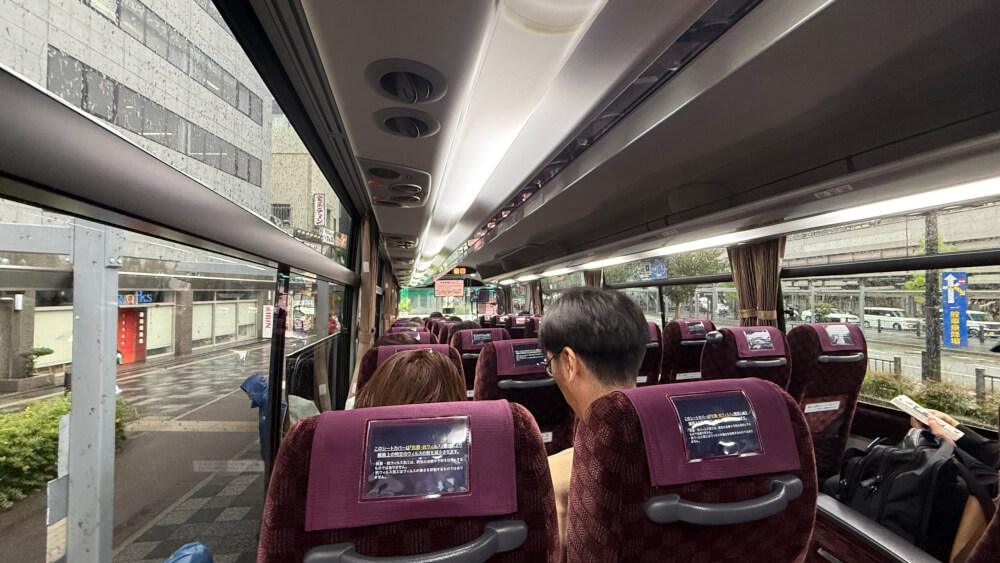
We took the limousine bus on our way back to the airport and it was surprisingly seamless and inexpensive. From Tokyo City Air Terminal to Haneda, for instance, it’s only 1000 yen one way and you don’t need to worry about juggling a bunch of suitcases on and off trains.
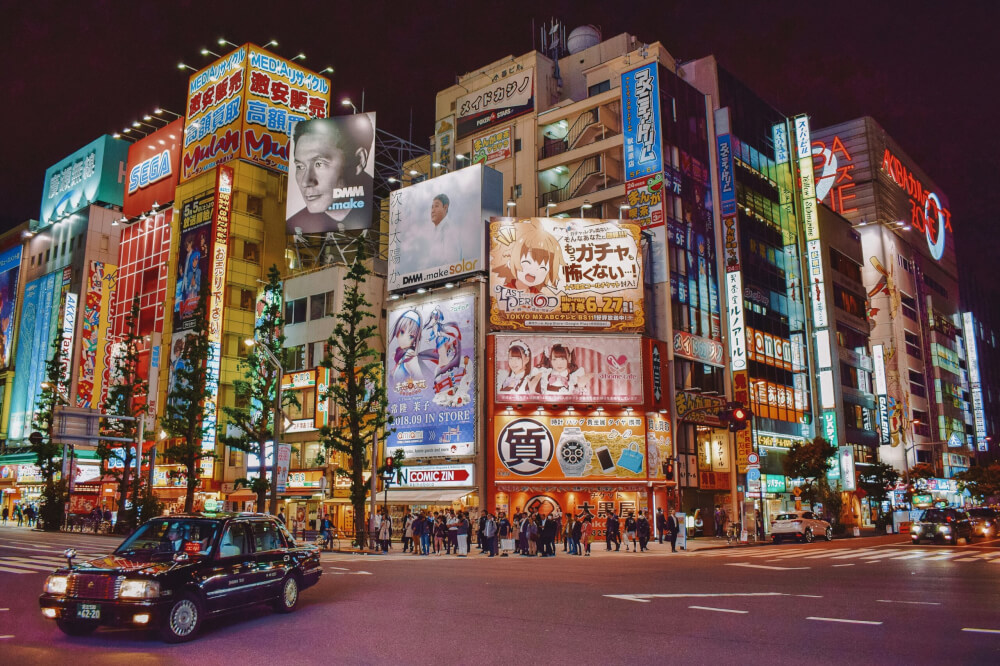
14. Taxis in Tokyo can be very expensive
In terms of taxis though, do know that they aren’t always terribly cheap and they do add on extra costs if you go via an expressway, so keep that in mind.
We took a taxi once when we switched hotels and the journey cost about 7500 yen which in Tokyo math would be like… 10 bowls of ramen. Granted, it was worth it because we didn’t have to lug our bags across the city but I definitely wouldn’t do it for every journey.
NOTE: Pretty much all the expressways in Tokyo are toll roads so they also cost extra. This is why some taxi drivers will ask you if it’s okay for them to use the expressway, because that’s them asking for permission to take the pricier route and then this fee will get added onto your final metred bill.
In terms of getting a taxi, taxi scams are rare in Tokyo but if you want to be on the safe side, you can use Uber to call yourself a taxi. You’ll still end up paying the metered fare but I think it’s good to enter everything in the app so there’s zero confusion about where you want to go.
15. There are lots of coin operated lockers at train stations
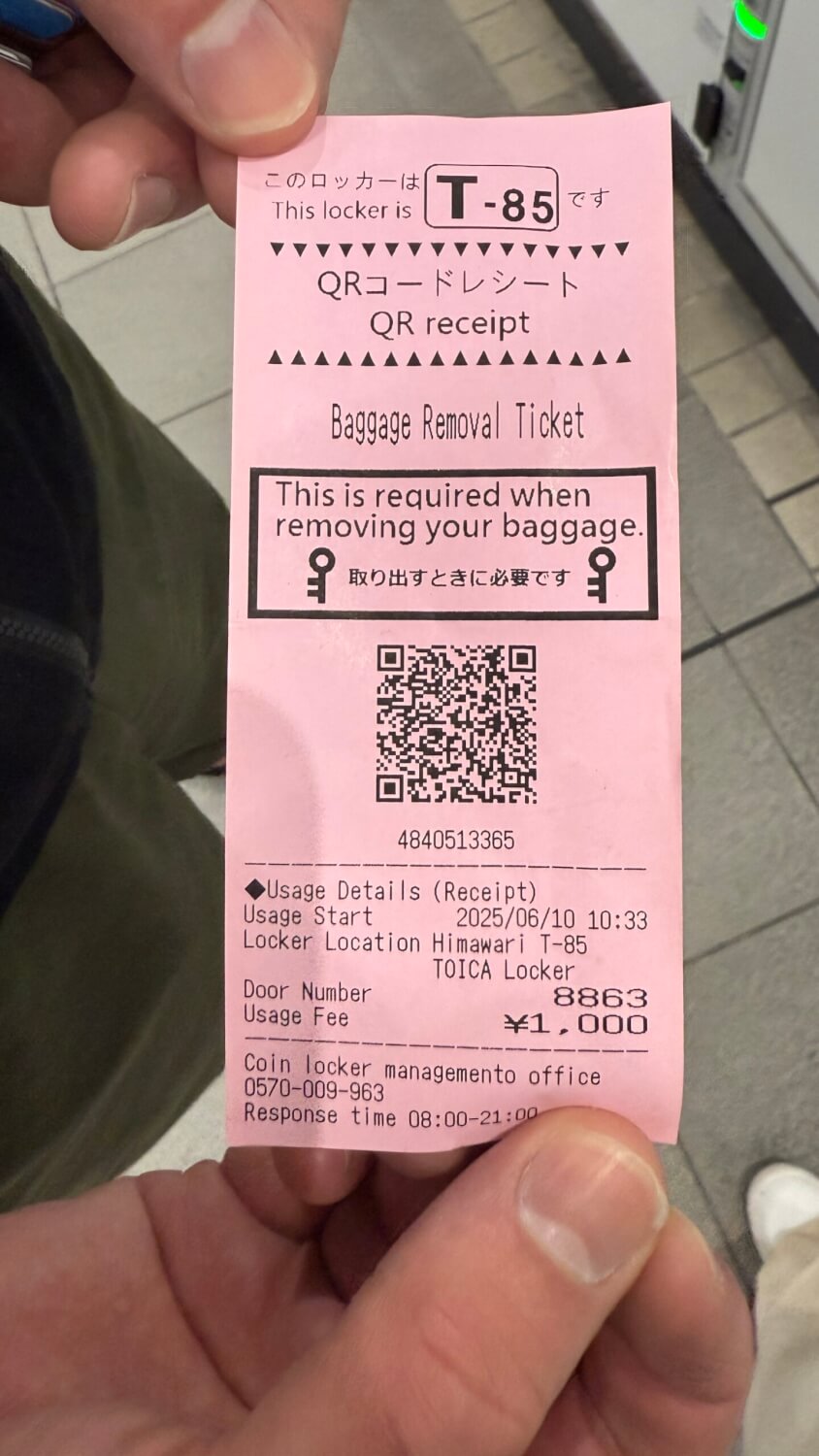
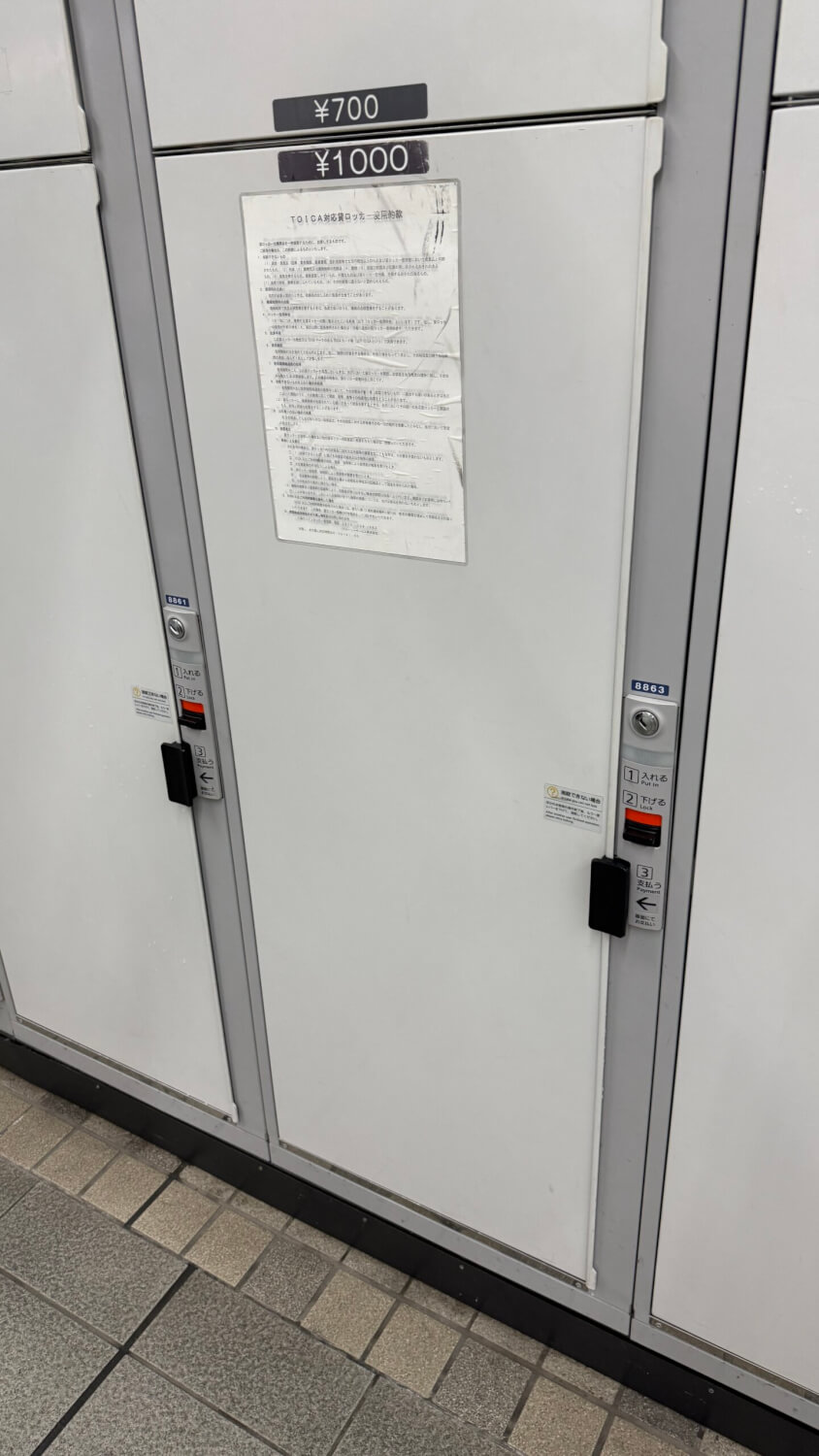
If you don’t want to send your bags away and also don’t want to lug them around, then you can often just put them into lockers at train stations and even sometimes at attractions. These are usually coin-operated and very simple to use, plus they’re secure.
So, if you need to drop off your bags before or after checking out of your hotel, or if you want to explore a place en route to your accommodation without worrying about your bags, this is a great option. I’ve heard some people even use these lockers to store their shopping exploits for the day, which I think is pretty genius.
16. Aim to avoid rush hour on public transport
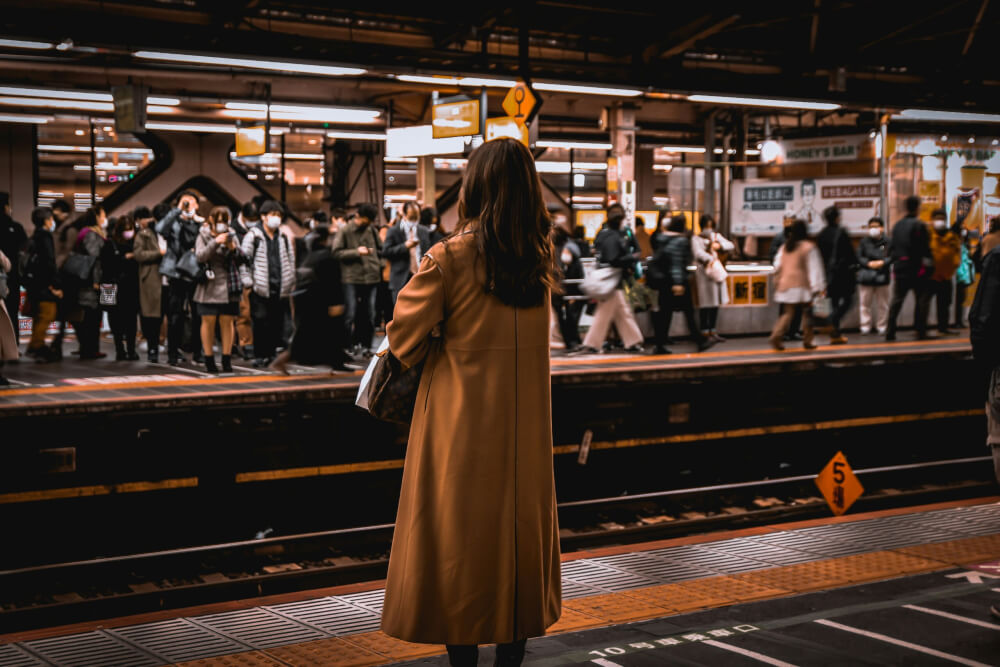
Now, another thing if you’re taking public transport in Tokyo – do note that rush hour (with the city’s millions of residents) can be absolutely insane. Have a quick search on YouTube and you’ll see countless videos of commuters packing into trains like sweaty sardines, which… is definitely not the move if you want to enjoy your trip.
So, 7-9am and then 5-7pm would definitely be key times that you’ll see thicker crowds on public transport, and therefore are times to be avoided.
I will say though, it struck me that stations in Tokyo were pretty much never empty and even at 10pm there would be fairly busy trains, so just know that even ‘quieter’ hours in Tokyo can still be quite busy. Perks of metropolis living!
17. Brush up on public transport etiquette
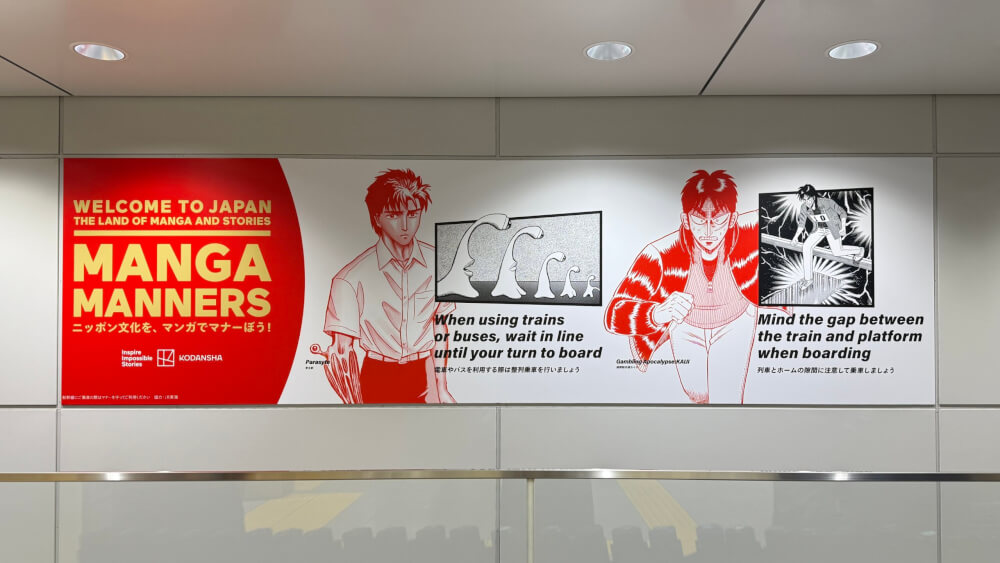
As another very important Tokyo must-do, make sure you take a minute to research public transport etiquette before you go to ensure you are being respectful to others.
After all, there are many unspoken rules when it comes to public transport in Tokyo, like…
- Lining up single file to the sides of the door & never cutting in line
- Keeping your volume down – it’s not completely silent on there but you would never listen to videos out loud, for instance, or have a very loud full volume conversation
- Not filming or photographing other passengers
- Wearing a face mask if you’re ill (e.g. sneezing or coughing)
18. Know which Tokyo specific specialties you should try when you’re in town
Now, let’s move onto a very important topic: food!
Tokyo is, of course, full of great eats from all over the world, but it’s always a good idea to try things that are specific to the city.
So, in addition to the usual Japanese must-tries, here are some Tokyo specialties to sample:
- Tsukemen, AKA dipping noodles, where the (usually chilled) noodles are served separate to the broth and dipped in before slurping. I know it doesn’t sound that special but the broth is usually thicker and more concentrated in terms of flavour so it tastes amazing
- Soba noodles, made of buckwheat and so satisfying to slurp
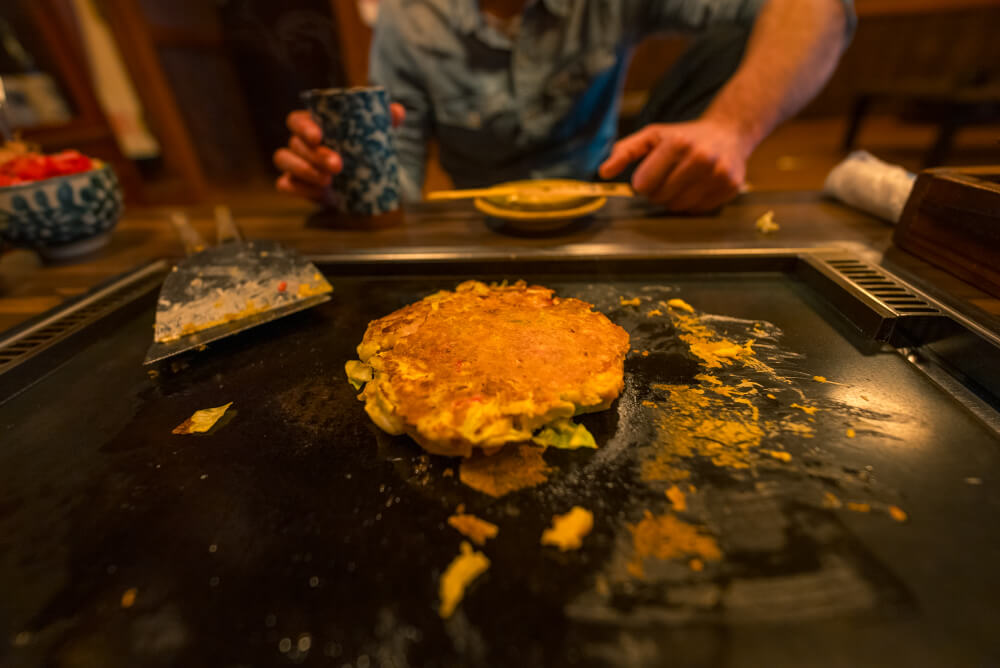
- Monjayaki, AKA monja, a thin batter made of flour and broth, then tossed with different fillings like cabbage and seafood and cooked on a griddle until it’s slightly crispy on the bottom. You then scoop it up straight from the griddle with a little metal spatula spoon. You can think of it as a thinner and gooier version of Okonomiyaki, the Japanese omelette/pancake dish. We had it at Apollo which was a very fun experience.
- And Fukagawa-meshi (clam rice), rice cooked with clams and broth
19. There are many themed restaurants and cafes in Tokyo
Tokyo goes hard with themed places, so whether you’re a fan of Pokémon, Sanrio, Studio Ghibli, or ninjas, there’s a themed restaurant or café that will cater to you.
Of course, these places are probably a must do for any superfan, but the downside is most of them aren’t particularly well-known for their actual food or drink, so make sure to read reviews beforehand to get a realistic idea of what to expect.
After lots of research, the cheesy themed experience I settled on was the Ninja Restaurant, which based on reviews sounded like it actually had good food, and I was not disappointed. It was probably our priciest meal in Tokyo, but it included an unforgettable immersive experience so I don’t regret it.
We also went to the Sanrio Characters Garden Café by Ueno Park which was honestly kind of weird; cute plushies but the coffee was straight up ‘serve yourself from a machine.’
And other big ones include the Pokemon Cafe in Nihonbashi and Corn Barley which serves Ghibli themed food.
But there’s loads more, so make sure to look into it well in advance!
20. Make sure you book in advance for popular restaurants and cafes
This is a verrrrry important Tokyo tip if you intend to dine anywhere viral or popular.
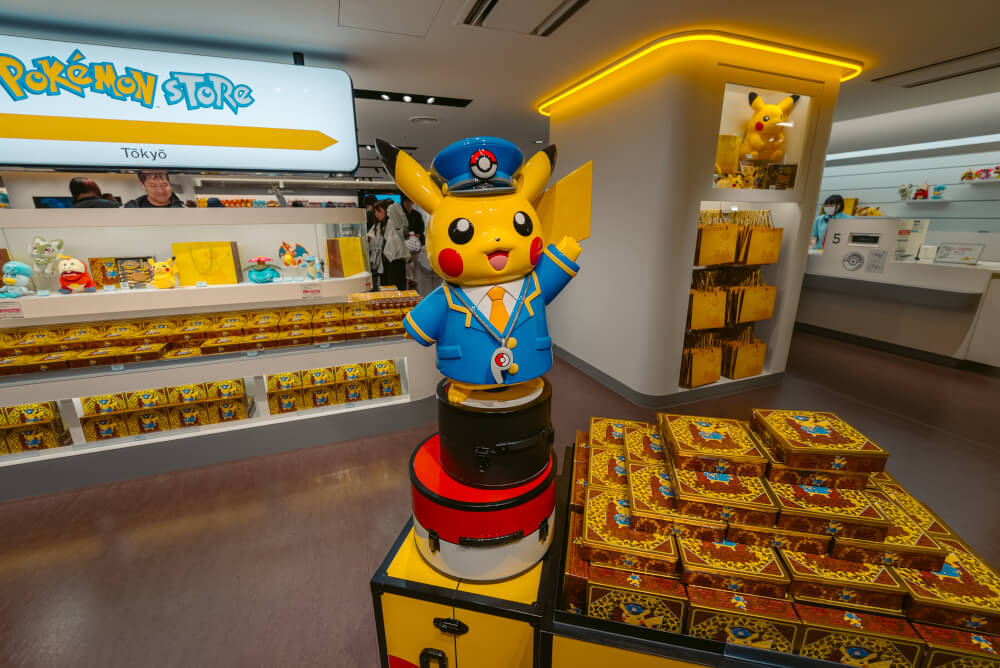
The Pokémon Café, for instance, is super hard to get tickets to. They release tickets 31 days in advance at 6pm Tokyo time, and slots tend to go immediately.
That said, I found that last minute bookings can and do pop up often, especially around 10pm the day before, because this is the deadline for cancelling bookings. I did also notice there was a special line up at the café for walk-ins waiting for cancellations so if you’re really dedicated you could always try that too.
This advice applies to lots of places though, especially any that have gone viral on social media, so if you have your heart set on any particular place, booking ahead is strongly recommended.
21. Take advantage of Tokyo’s many super unique cafes or bars for a fun experience
Besides restaurants, Tokyo is full of super fun cafes and bars.
You can honestly find lots of unique cafes near you just by typing in café onto Google Maps – this is how I found Kojo, this little retro café that felt like a step back in time, open smoking included. As well as Anakuma Café in Harajuku, where a fluffy bear serves you the coffee through a hole in the wall.
But again, there’s so many options. One I wanted to visit but ran out of time for was Dawn Avatar Robot Cafe, which is staffed by robots controlled by individuals who have disabilities that prevent them from working outside of the house. Wild.
There are also some places in Tokyo known for their crazy latte art, like Café Reissue where they do 3D portraits of your pets or any photo you show them.
All that to say, there are loads of great unique cafés, so take advantage. The same advice can apply to bars. I just typed in ‘bar’ one night on Google Maps and looked around – that’s how I found Bar Ginza Panorama (Shibuya), an amazing hidden gem model railway bar tucked away on the 3rd floor of a building, where an entire model train track was set up with a mini Tokyo in the middle. So cool!
22. Don’t discount vending machines & convenience stores for a cheap, tasty bite
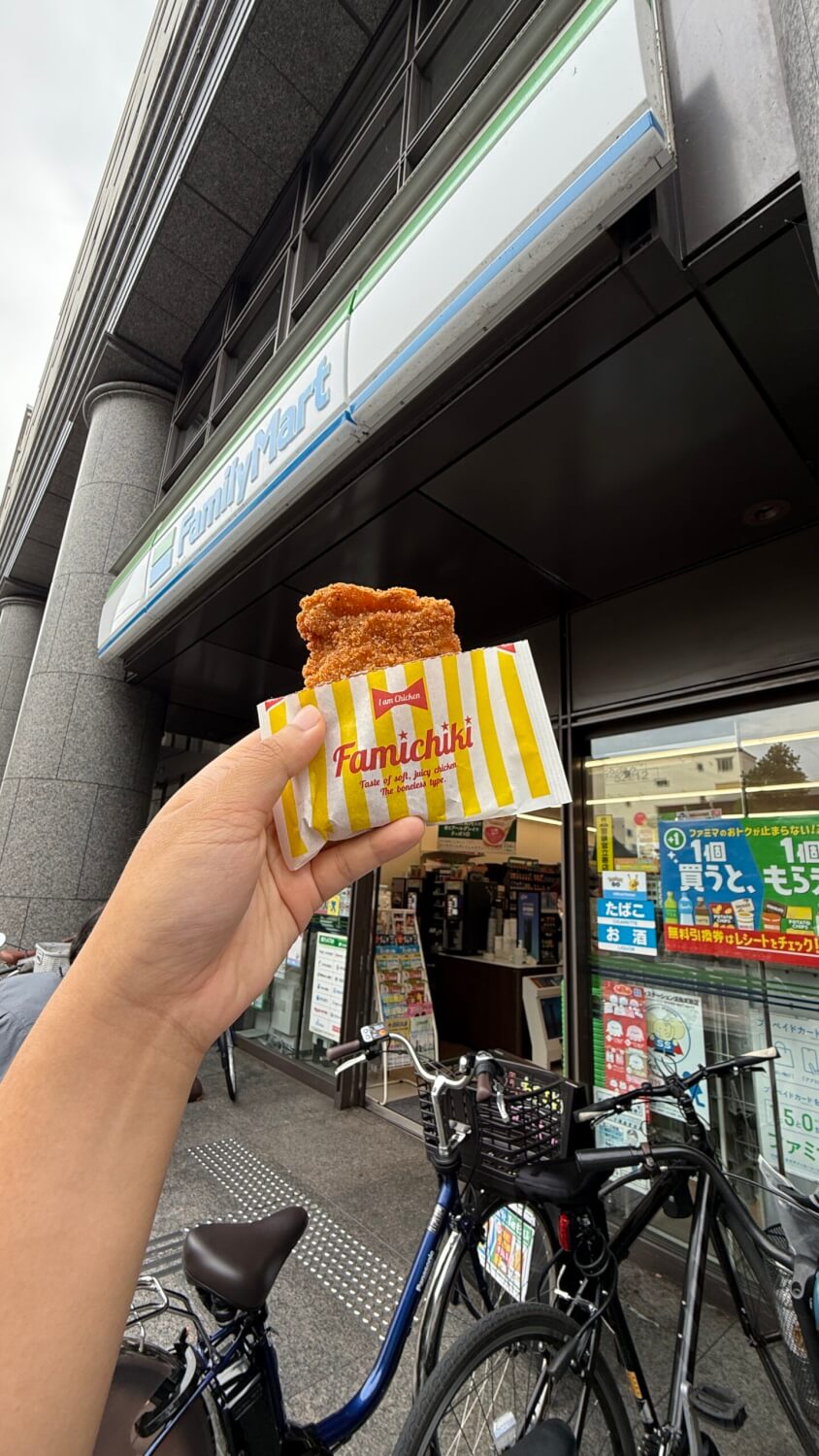
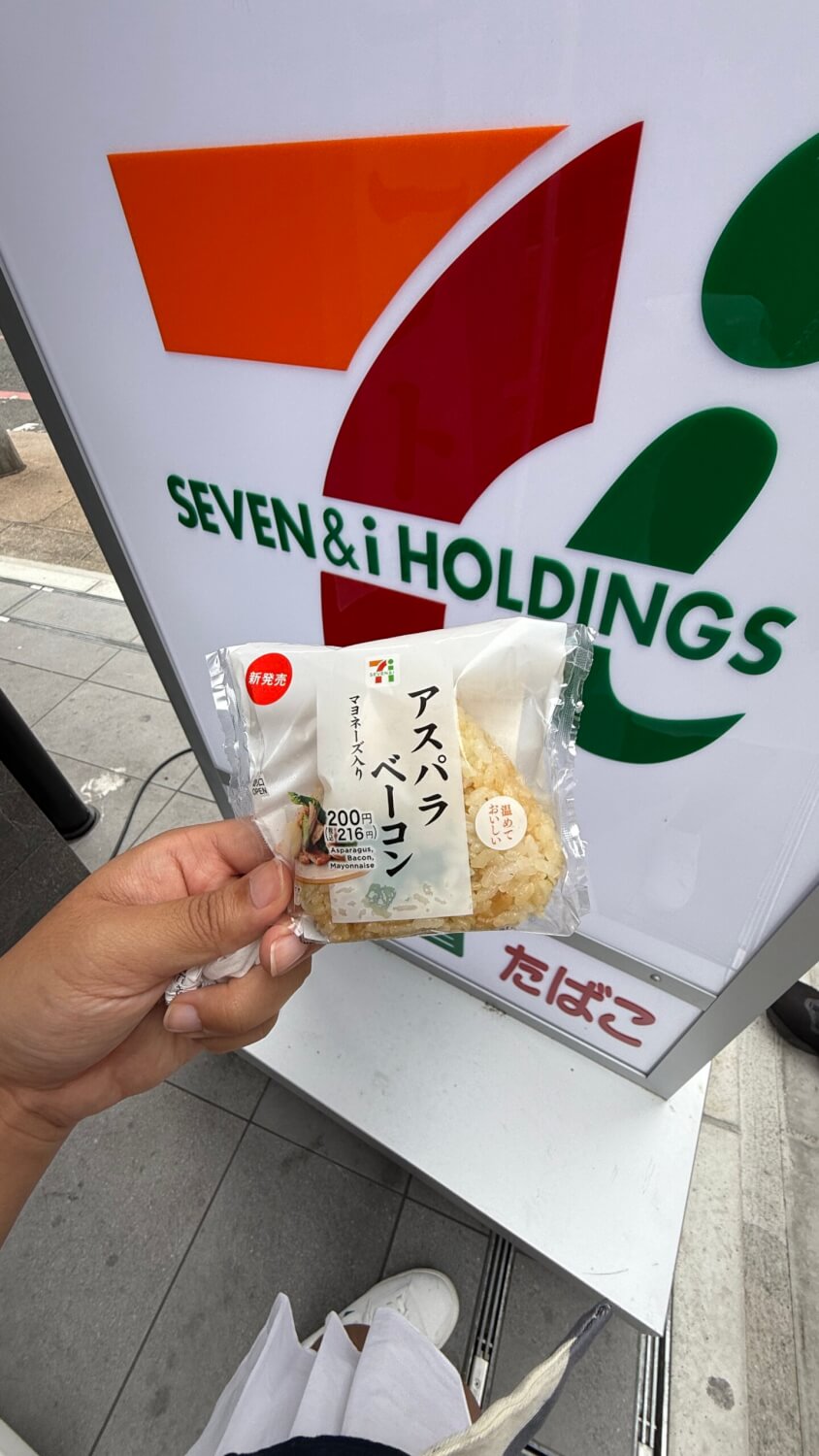
Of course, all that said, you don’t even need to go to a café or restaurant for something delicious to inhale because there are excellent vending machines and convenience stores that are also a really affordable way to get a ffeed in.
Plus, I feel like these are a cultural experience in and of themselves, and are great for early mornings, because many places in Tokyo actually don’t open until 10 or 11. Convenience stores like 7-Eleven even do some great smoothies that you can blend yourself on site, for a refreshing and healthy breakfast!
23. Prepare to order ramen and other dishes off of vending machines
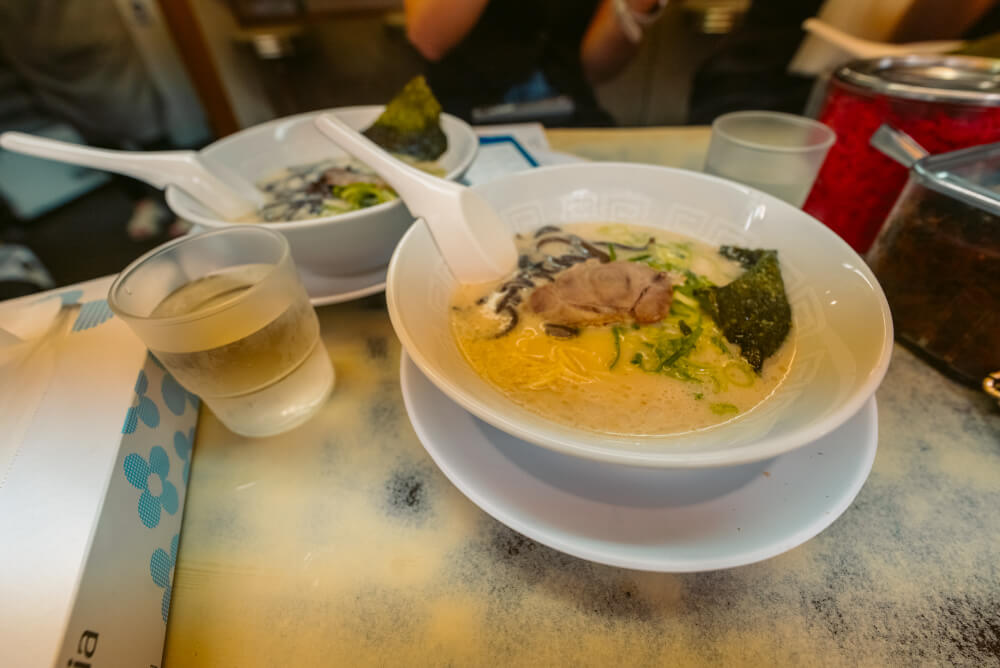
If you do go to a sit-down restaurants or café, a lot of the quicker service places in Tokyo have an amazing system where you order your desired dish off a machine at the front, then you give your ticket to a server for food, meaning there are no physical menus or ordering from someone.
Some places will have an iPad or other type of digital machine, so just keep an eye out for an ordering machine of some kind when you enter, though staff will usually walk you through it when they see you’re confused. It’s just another fun little example of high-tech devices making everything more seamless in Tokyo. It honestly feels like they’ve thought of everything!
24. Tokyo has a lot of smaller bars and restaurants
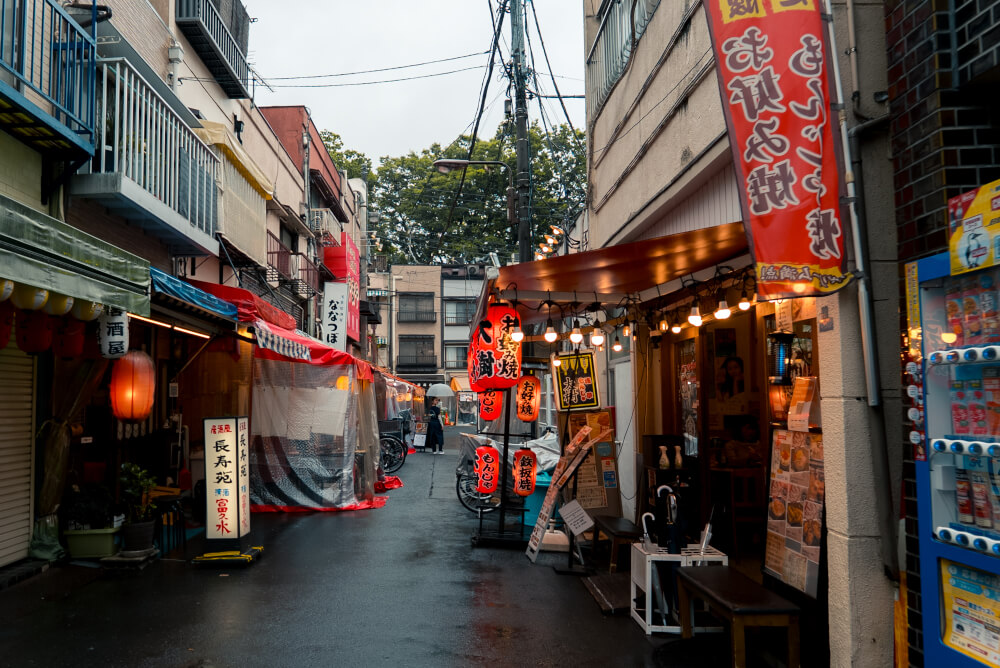
Now, another thing to note in Tokyo though is many of its restaurants and bars are tiny. Absolutely tiny.
This has pros and cons. If you’re solo or in a pair, this means you’ll have very little trouble slotting in somewhere because there are just so many options.
BUT if you’re travelling in a big group, finding a place that can spontaneously accommodate 6 people might be challenging so consider booking ahead, especially if you want to go somewhere popular.
One type of tiny establishment is a tachinomiya, or standing bar, which true to its name is a tiny pub where you literally drink and eat while standing. These can be very budget friendly and quick… so also worth considering!
25. Don’t miss Shinjuku Golden Gai
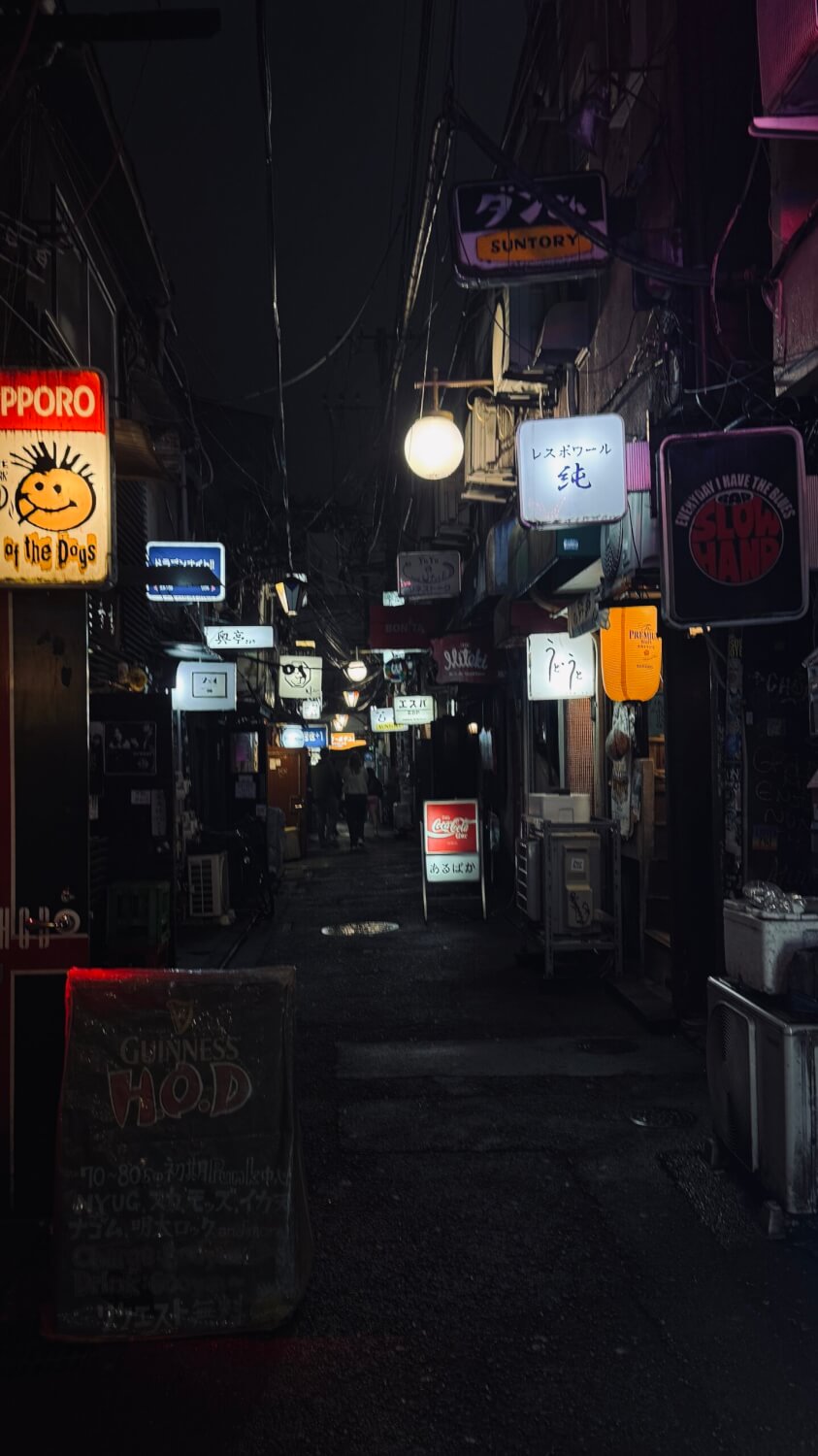
For a unique, quintessentially Tokyo nightlife experience, you have to head to Shinjuku Golden Gai!
This super small area made up of about 6 narrow streets is crammed with over 200 tiny bars, each with their own vibe and usually seats for no more than 10 people. It’s definitely a magnet for tourists these days but that’s not necessarily a bad thing. You can meet lots of fellow travellers while bar hopping, and it’s just a very unique place so worth checking out.
Just beware that lots of places do charge a cover fee, and there are huge variances in the number, so pay attention.
Also be careful not to take too many photos with a big camera or anything around because I’ve heard some wild stories about people getting in trouble for this.
26. Don’t just limit yourself to Japanese food
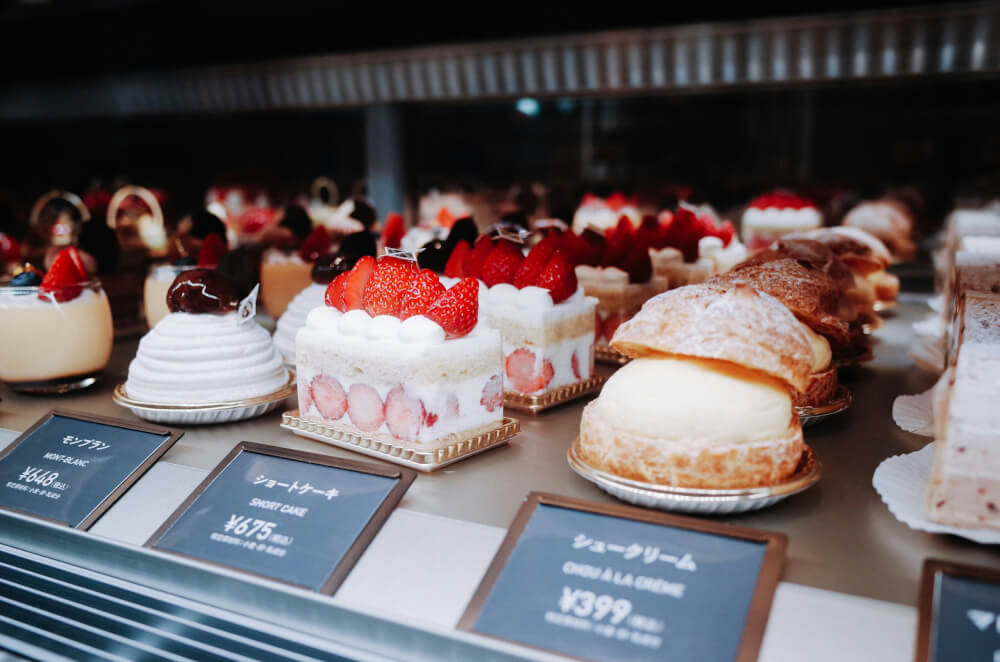
All this said, if the impossible arises and you find yourself tired of eating Japanese cuisine, Tokyo has lots of international options, so you can easily try delicious food from around the world while you’re there.
Even locals aren’t eating Japanese food every single day so there’s no shame in taking advantage of Tokyo’s vibrant international food scene. I have to admit I did not get tired of eating Japanese food at all, but I’ve anecdotally heard that Japan does amazing French and Italian food, and just about every other major cuisine you can imagine, so don’t be afraid to branch out a little.
27. Be realistic with your itinerary and don’t try to cram too much in
Let’s be completely honest, there is really SO much to do in Tokyo that you couldn’t even cover it all in a lifetime but the good news is, there really is something for everyone.
So, I would recommend maybe planning or booking one main experience a day, then building your itinerary around that so you can take your time to explore the neighbourhood around that thing. This way you’re bound to find more hidden gems and unique activities rather than following the same itinerary as everyone else.
28. Group sights that are close together and do them all at the same time
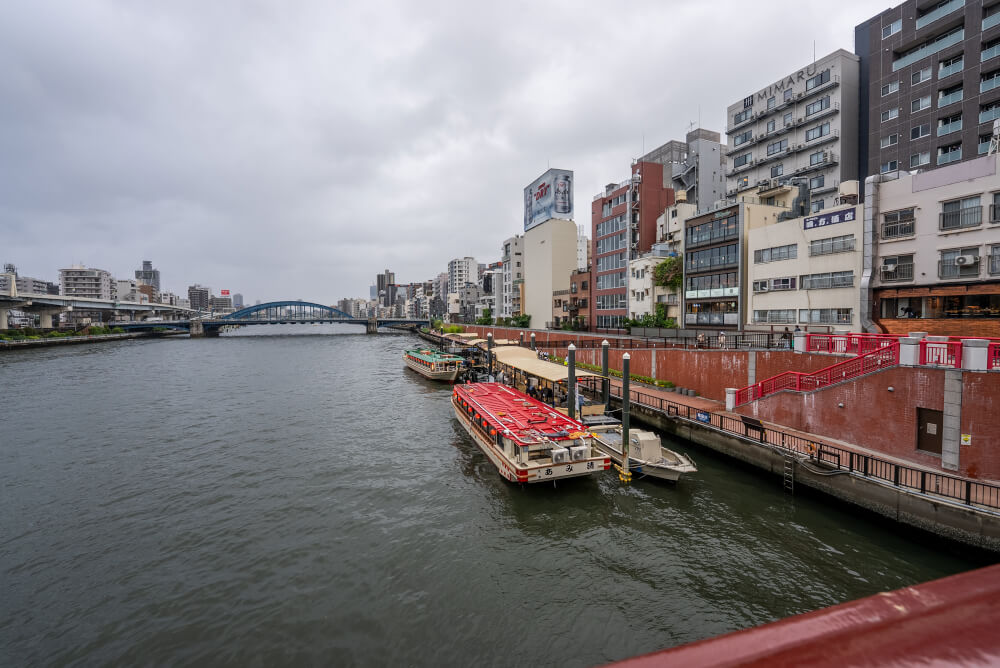
Given the vastness of Tokyo, there won’t be much time for backtracking. I would advise you save any spots you’re interested in on Google Maps, using a star or designated emoji, then you can see where the clusters of activities are and you can plan your activity around that.
Seeing no more than 2 neighbourhoods a day is probably your best bet so that you don’t get completely exhausted and overwhelmed!
29. Balance out your itinerary
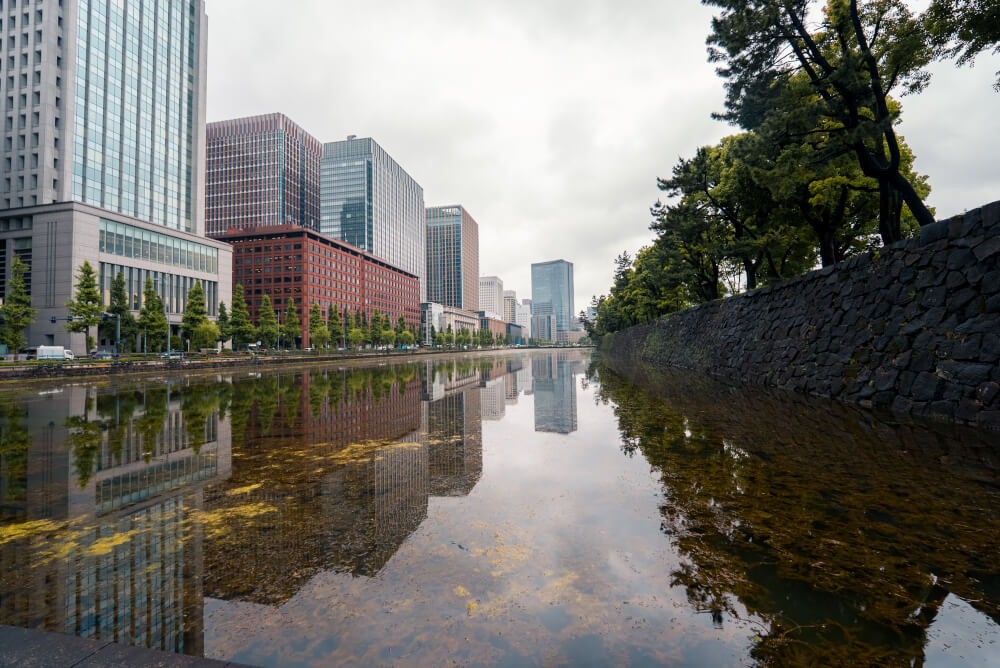
Another way I’d say to have a balanced trip is by including both busy & high energy stops with more ‘green’ relaxing ones.
I usually hate this term, but Tokyo truly IS a city of contrasts – so I’d advise trying to balance your itinerary out each day as much as possible. If you’re doing something intense like a walking tour, make sure you also do something chill later – otherwise you can get burnt out super quickly.
30. Double check opening days for your must-dos
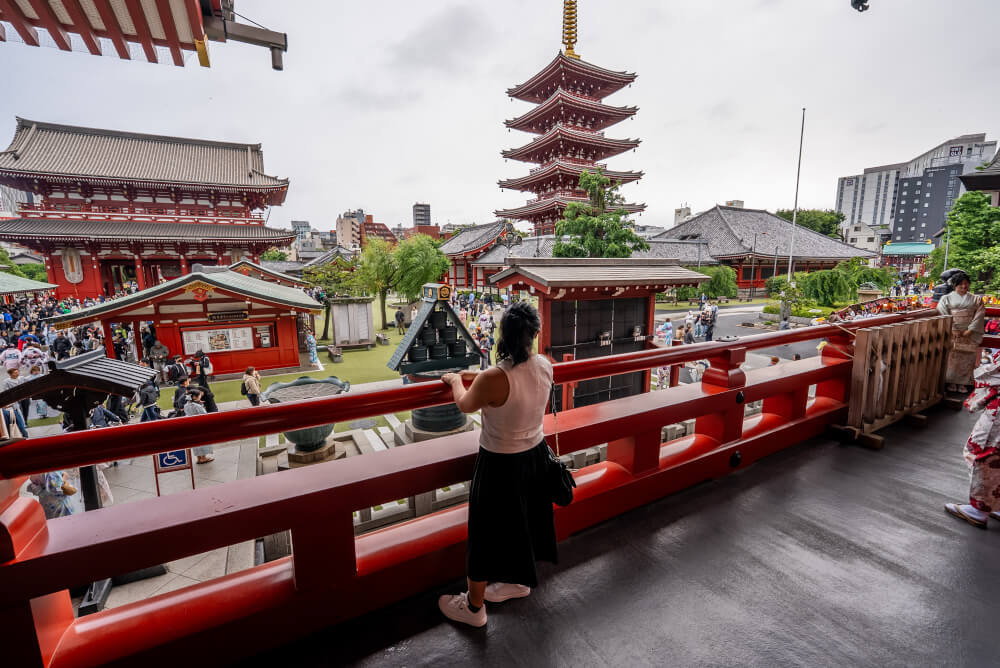
This might seem kind of obvious but I personally learned this the hard way when I left a big sightseeing day to Monday, and then realized all the museums near me were not in fact open that day.
So yes, beware that Monday and Tuesday are often closure days for museums in Tokyo… but always double check in advance for all your must-dos because you never know when some things might be closed exceptionally.
31. Pay attention to the ticket release dates for popular attractions & book ahead
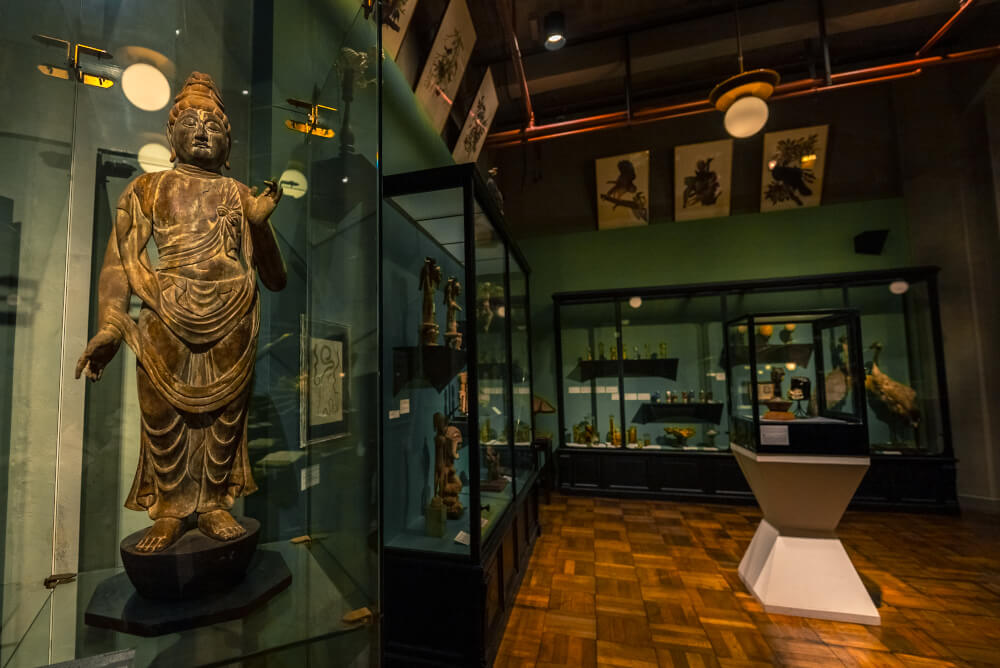
Trust me when I say that booking ahead is essential if you want to see certain attractions in Tokyo. Generally, you should expect to start booking the ultra hot attractions 1-2 months in advance.
Here are some popular ones and when they open up:
- Shibuya Sky opens up tickets 2 weeks in advance but it’s usually only the sunset slots that sell out – though you can stay as long as you want, so you can always book before sunset and just hang out until sunset
- Imperial Palace tours open up at 5 am on the first day of the month preceding the tour date… though they do leave a few hundred slots for walk-ins on the day of
- Tickets for the Ghibli Museum become available for purchase at 10 am (JST) on the 10th of each month for the subsequent month
- The Tuna Auction at Toyosu Market is on a lottery system, opened up a month before
- And some others, like TeamLabs Borderless and Planets, open up 2 months ahead, but you can usually buy these just a few days in advance and there will still be some left
To be honest though, I’d only pick one or two of these attractions to book ahead because if your whole vacation is just scrambling from one booking to the next, you won’t have any fun.
Plus, some of these like viewpoints, for instance, are weather dependent, and might even be closed when the weather is bad, which is impossible to plan for so far in advance, so I actually booked nothing in advance and just went with the flow, and had an amazing time.
32. Definitely see the touristy musts, but explore beyond them if you’re able to
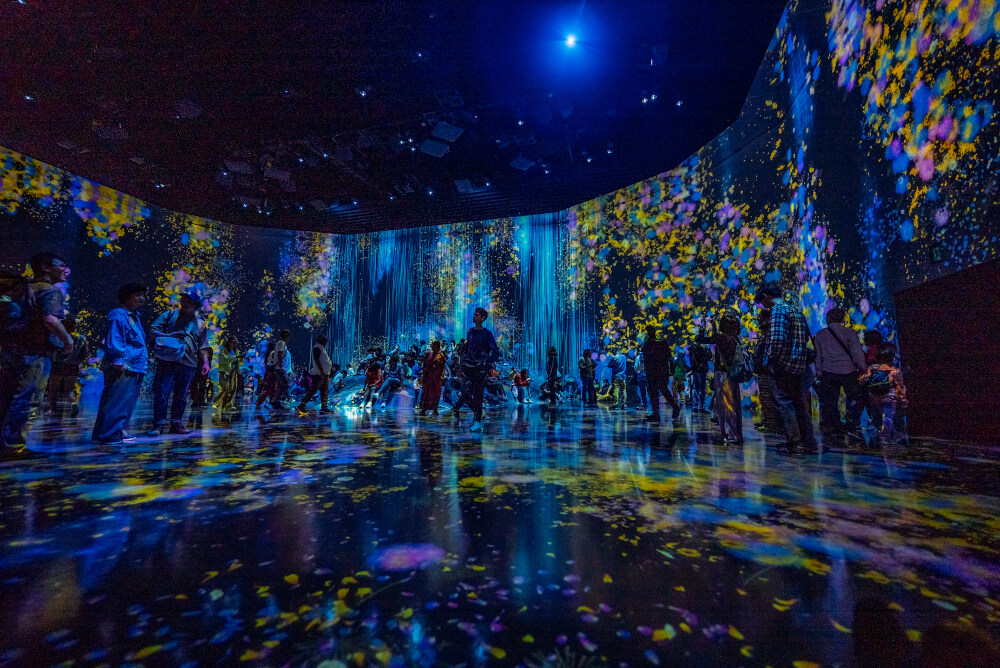
Tokyo is an amazing city with SO much to offer beyond just the main guidebook or social media viral sights, so make sure you try to see other things beyond the famous names.
The Shibuya Scramble, for instance, is cool but at the end of the day it’s just a huge crosswalk, so don’t have these crazy built up expectations in your head.
I would personally use these ultra famous spots as a starting point for sightseeing, but usually you can find lots of cool more hidden spots super close to it that you’ve never heard of. Near Shibuya Scramble, for instance, there’s a ton of cool shopping, including PARCO, which is this amazing department store where you’ll also find the Shibuya Pokemon Centre, and Miyashita Park is this amazing rooftop oasis in the middle of the city where there’s green space and outdoor activities like beach volleyball, plus some pop up bars. Really cool.
So, leave plenty of room in your itinerary to explore neighbourhoods as you go. Don’t just stop at the most famous sights.
33. Consider visiting popular spots at night for a more peaceful experience
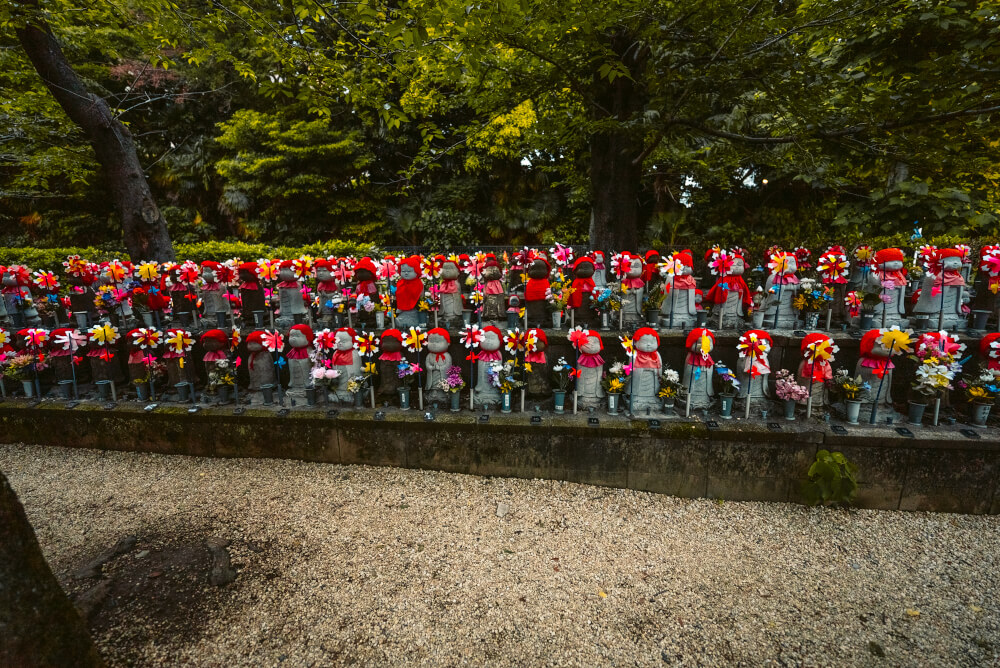
On a similar note, if you want to avoid crowds, sometimes going at night is a great way to avoid crowds.
I’ve heard Senso Ji temple, for instance, is gorgeous at night with its illuminations. Considering the bulk of big tour groups do their sightseeing during the day, you get a much calmer experience after they’ve all gone home.
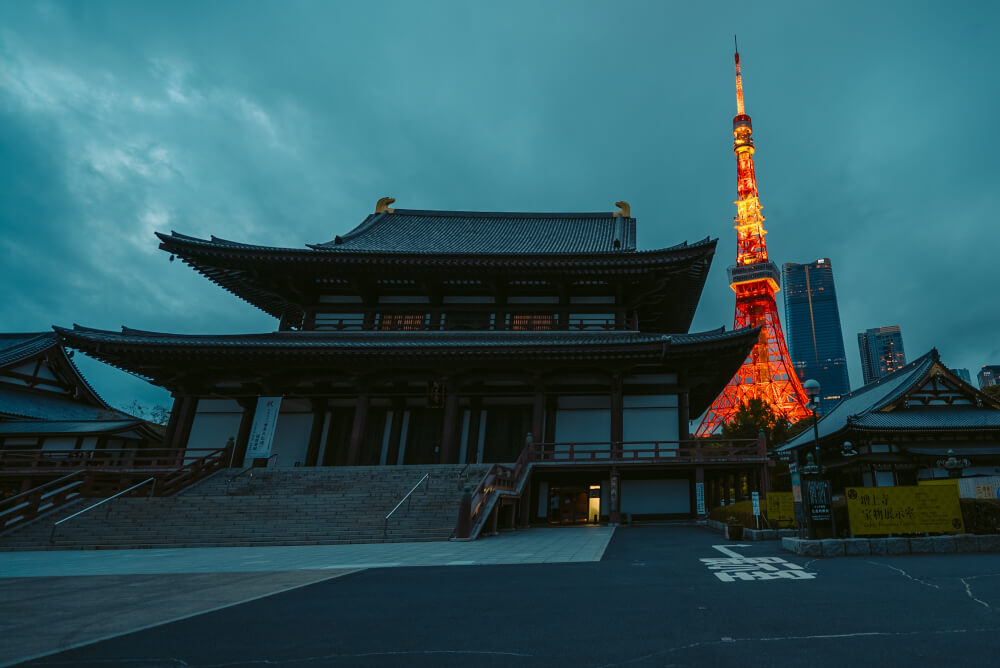
We went to Zojo Ji after sunset and it was wonderful to experience it without crowds and with the Tokyo Tower lit up in distance.
34. There are tons of amazing alternative views in the city
I love a good viewpoint but in a metropolis like Tokyo, there are SO many that you don’t necessarily need to spend lots of time, money and preparation stressing over going to one specific viewpoint that all the other tourists are visiting.
Don’t get me wrong, viewing platforms like Shibuya Sky, MORI Tower and Tokyo Skytree (which is the highest in Japan), all look really cool but I feel like the magic of a good viewpoint can somewhat be diminished when you can’t properly enjoy it due to crowds or long line-ups… so just know that there are many alternatives.
I personally always like when the view is bundled with an experience of some kind, so rooftop bars are a fun one. There are loads in Tokyo – I loved the one at our hotel, the Hotel Indigo Shibuya, and the tiny Asahi Sky Room was also kind of cool since it’s in the Asahi headquarters, but it might be a battle to get a window seat…
In any case, a quick search will show way more.
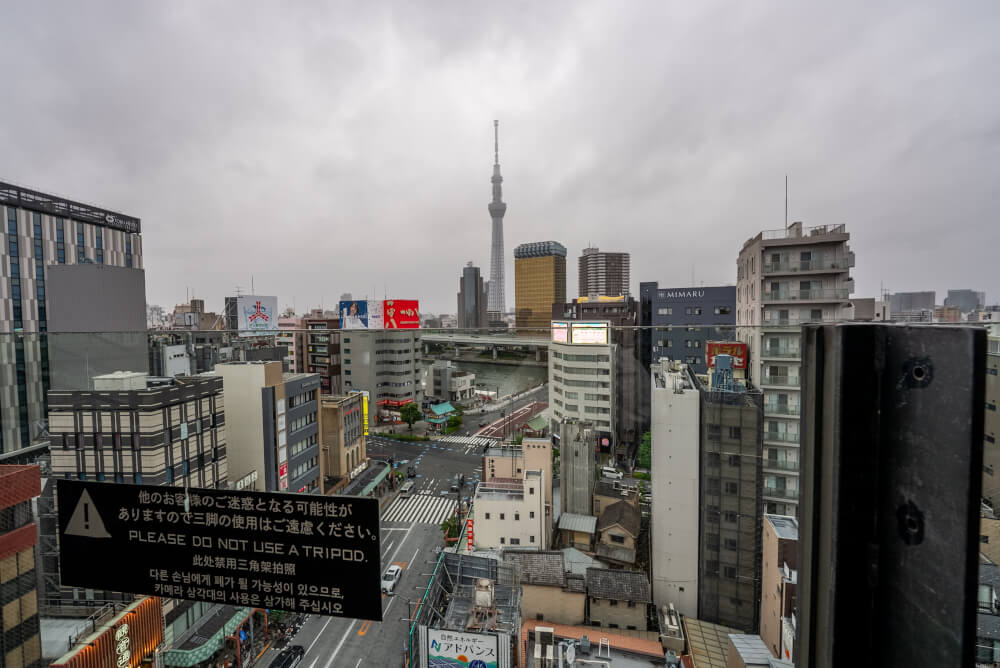
There are also some free options like the one at the Tokyo Metropolitan Government Building, or on a smaller scale the Asakusa Culture Tourist Information Center.
Remember, in a place with as many tall buildings as Tokyo, there are great views everywhere so you don’t need to necessarily stress about seeing the exact one everyone else is seeing.
35. Make sure you enjoy a classic Japanese arcade and get some Gachapon
I feel like these classic Japanese arcades are must-dos in Tokyo because they’re everywhere. We went to a multi story arcade in Akihabara and loved it. It’s so fun to see locals super into the different games, some even still dressed in their suits from work!
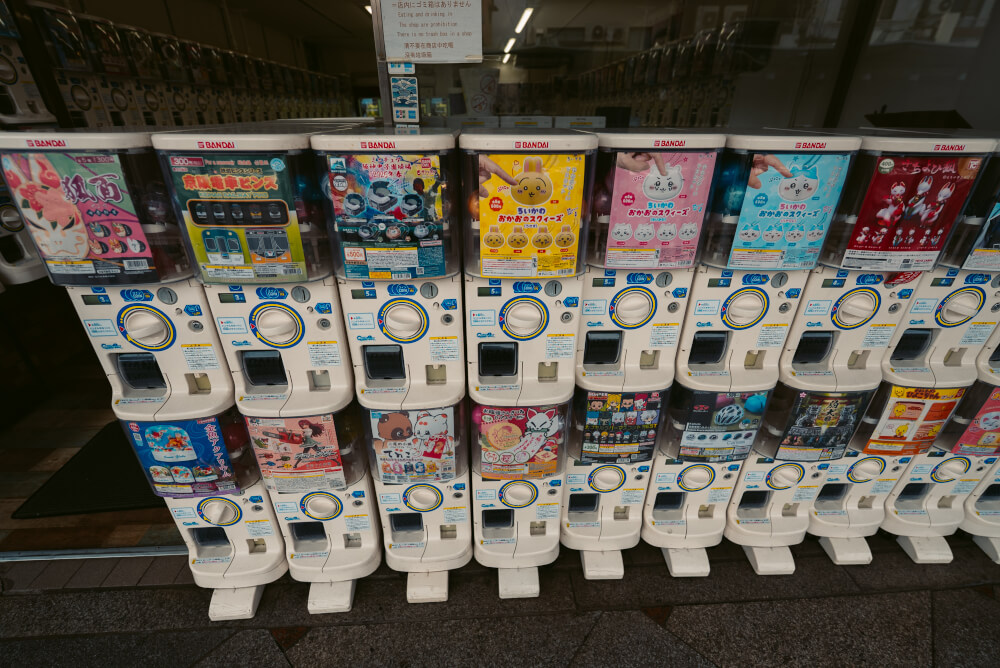
And the gachapon capsule toy machines are everywhere as well and so much fun, so be sure to grab some silly souvenirs from them. The little treasures they contain are honestly so silly sometimes, but that’s part of the magic.
PTO TIP: If you see one you like, definitely get it there because you might not see it again.
FYI, Tokyo is actually home to the largest gachapon store in the world with over 3000 machines, so that’s definitely worth checking out if you’re into it. You can find it at the Gashapon Department Store Ikebukuro Sohonten.
36. Beware that many animal attractions and cafés pose animal welfare concerns
Now, on a more serious note, I’m sure we’ve all seen videos of Japan’s animal cafés where you can cuddle with animals of all kinds from piglets to capybaras.
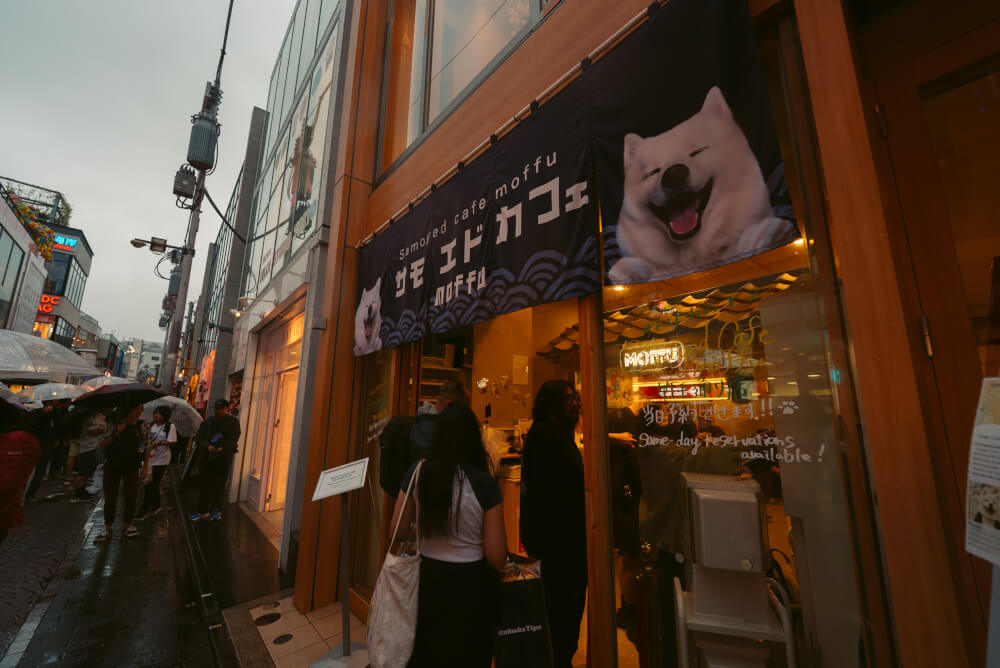
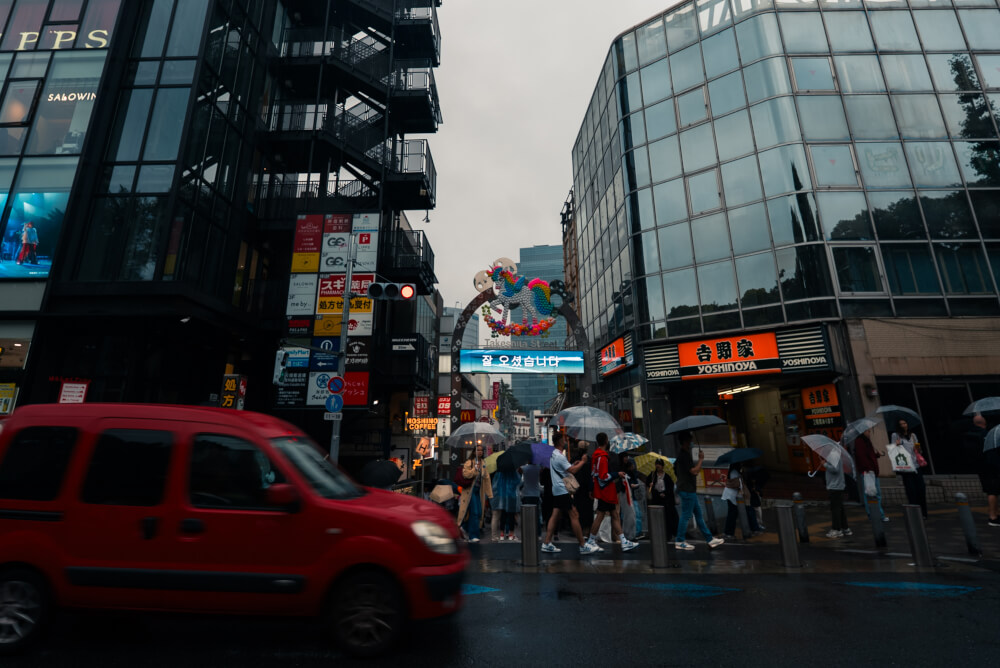
And I know that at first glance, these look like so much fun but in reality, many of these establishments are questionable in their terms of animal welfare standards. Just walking down Takeshita Street in Harajuku where you’ll find loads of them, I felt quite uncomfortable at what I saw.
If you want to learn more about this issue, this is a really detailed article about it written by my friend Sooz but definitely think twice before booking an animal café without any extra research.
37. Consider adding a few “non touristy” activities to your itinerary to mix things up
Something I’m really sad we didn’t have time for during our trip is a baseball game, for instance, and apparently that’s super fun. During some of his free time one day Sean also went to some batting cages and chummed it up with some locals, and he loved that.
So, do think outside the box – there are loads of fun things that locals do in Tokyo too, so don’t be afraid to try something that isn’t conventionally touristy.
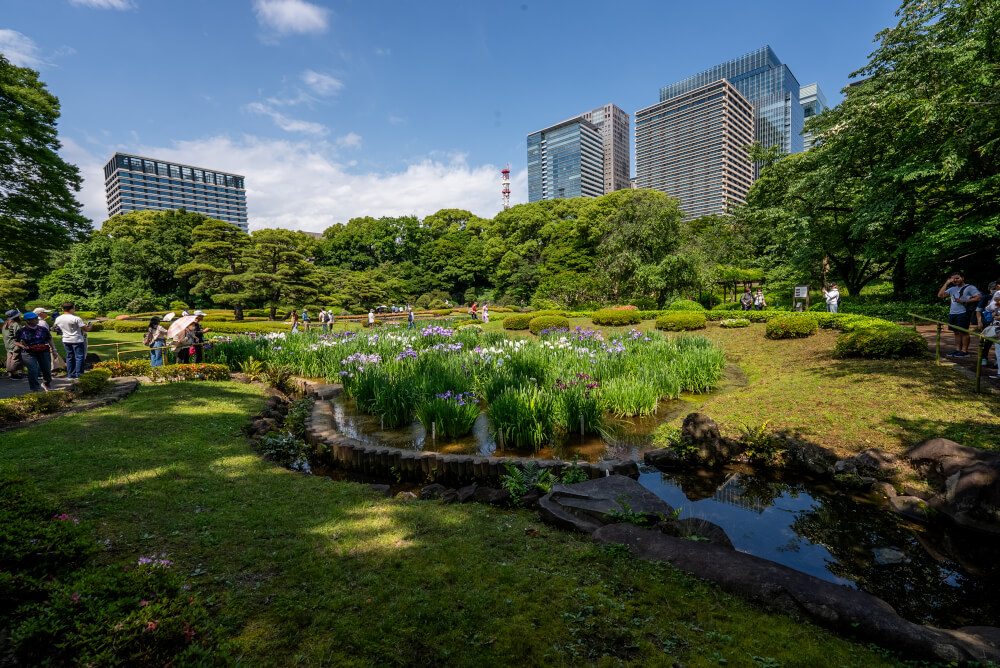
38. Bring cash as some smaller places do not accept card payments
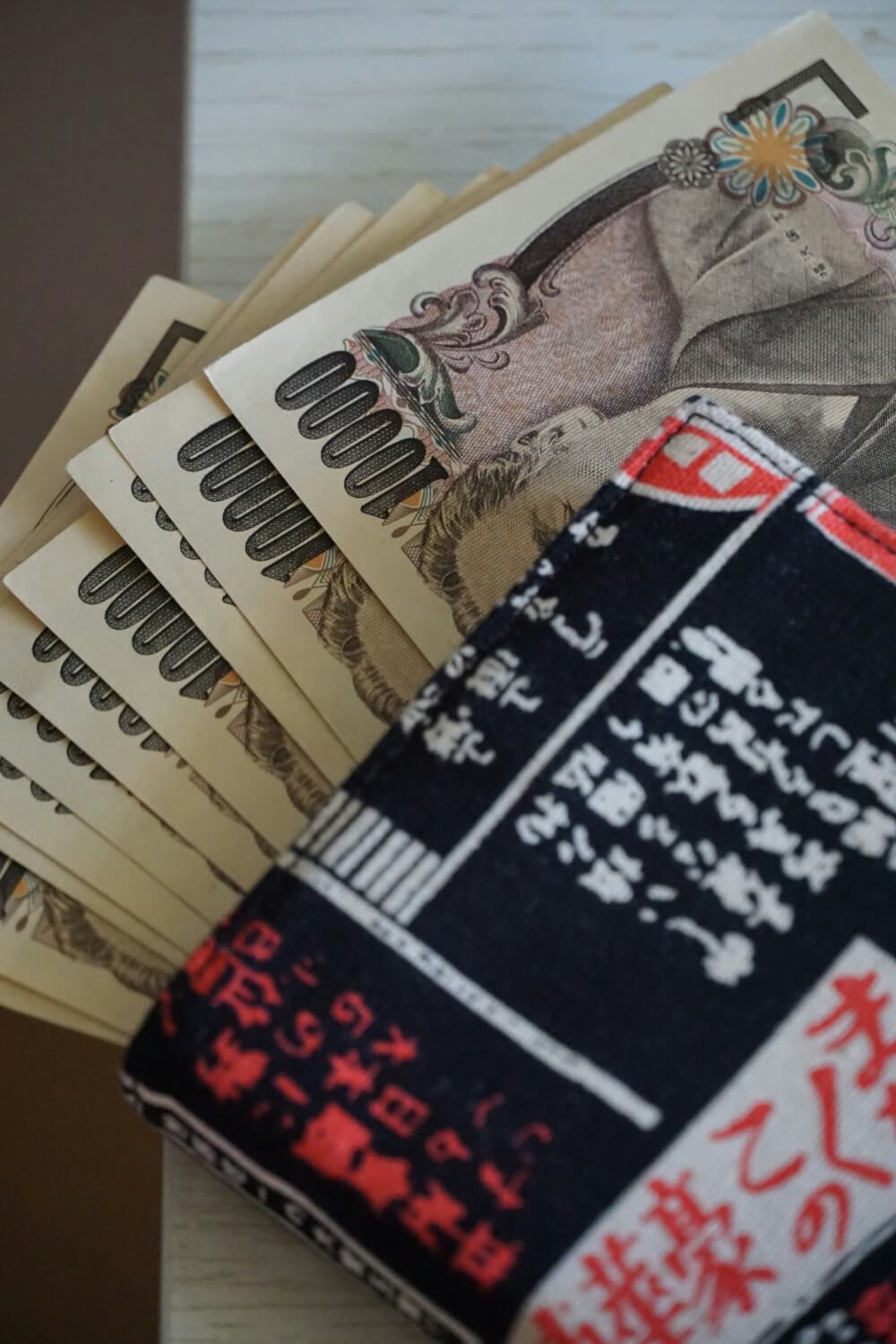
While Tokyo is very high-tech in some ways, there are still some places where you will need to have a bit of cash on you if you want to buy something.
I would say having about 10,000 yen as a base will be more than good enough to cover you in case you need cash. Most places in Tokyo are quite card friendly these days though, especially if you have an IC card like a Suica.
39. Pack your day bag assuming changes in weather and temperature
Trust me: because you’ll be out sightseeing, the likelihood of you being able to go back to your hotel on a whim to grab something is not super high so I would pack your day bag with some emergency options like a warmer layer, maybe a rain jacket or fold out umbrella, a fan in the summer, etc.
Don’t worry though, Tokyo is definitely a city of convenience so if it does suddenly rain like crazy, you can usually grab a cheap umbrella from a convenient store for 500 yen, or make use of an umbrella rental program which I spotted at a few train stations.
Other things to bring in your day bag include a bag for trash and some hand sanitizer as well, just in case you run into a public bathroom without soap, which does happen.
40. Bring a portable charger out with you so you can keep your phone charged
I’d also strongly recommend you make sure you have a portable charger on hand for your phone during the day. This is my go-to.
You will be using your phone a LOT to check maps, translate things, etc., so you will definitely need to charge your phone while you’re on the go. Just a small charger that fits in a handbag is perfect, and ensures you won’t run out of precious power while taking your inevitable 15,000 photos per day.
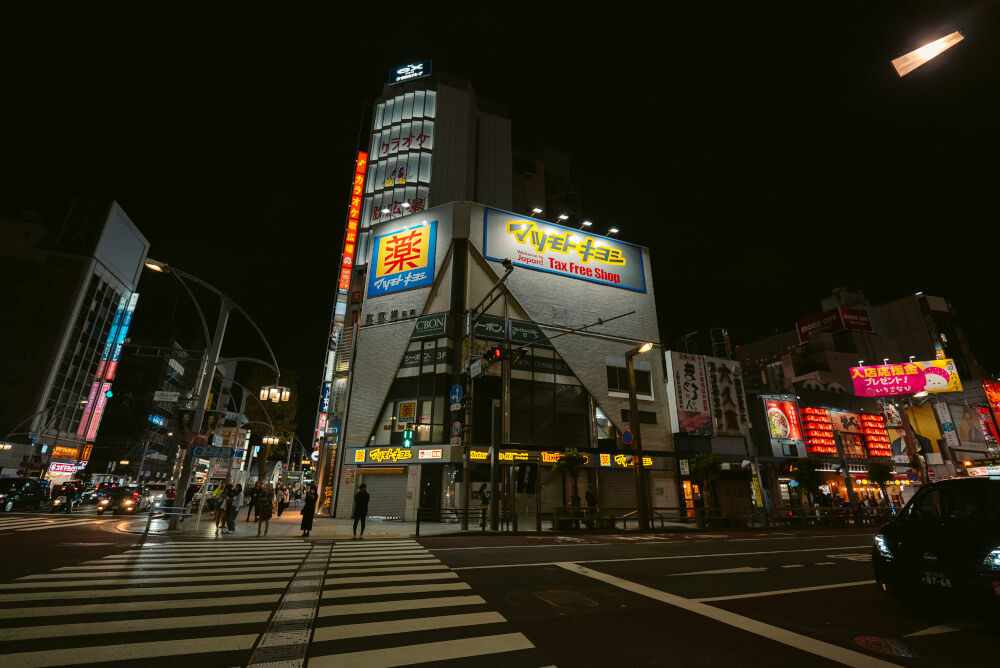
41. Don Quijote is great for variety but you can find better prices at other places
When shopping in Tokyo, one name inevitably always comes up: Don Quijote.
This massive Japanese chain is everywhere and tourists love going because it’s just this crazy overstimulating wonderland of stuff you didn’t realize you needed.
But honestly, the main perk of Don Quijote is just that everything is in one place. In a city like Tokyo though, there are so many great places to shop that you have way more options and usually you’ll be able to find better deals elsewhere.
Kitchenware stuff, for instance, can be much more affordable if you go to the Kappabashi Kitchen Street. Snack items tend to be cheaper from supermarkets… and I’ve heard that Ginza Karen is much more affordable for luggage.
For a similar mega shop kind of experience though, Yodabashi Camera and Bic Camera can also be good, and 100 yen shops like Mofusand and Daiso can have a lot of great finds too.
42. If there’s something specific you need, try Amazon.jp
And if, for some reason, you can’t find what you want in those shops, you can even order things from Amazon Japan and get it actually delivered to local convenience stores to pick up.
I would advise supporting local shops whenever possible, but sometimes if there’s something specific you can’t find anywhere, this could be a good option.
43. Consider using vacuum bags to condense space in your suitcase
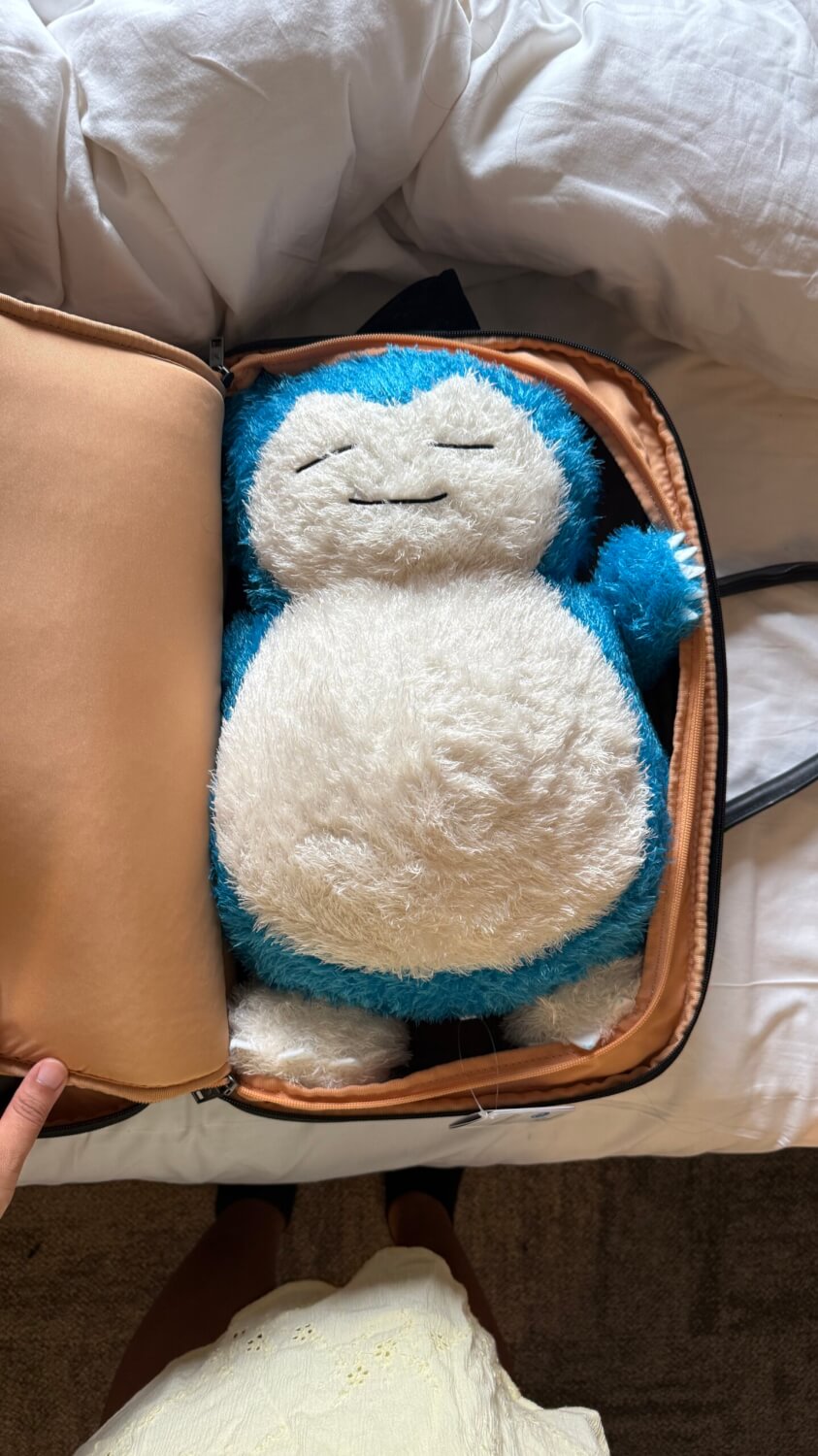
Now, with all this talk about shopping, I should say that you may want to bring vacuum bags so that you can fit more of the stuff you’re buying into your suitcase!
I thought ahead and brought my own that came with a pump, but I’ve heard Daiso sells them for really cheap, and some Taito Station arcades (like the one at Shinjuku), have vacuum seal stations for any plushies you win for only 300 yen per bag. They’re a lifesaver for if you manage to win a giant Snorlax plushie that otherwise wouldn’t even fit into your suitcase… not speaking from personal experience or anything!
44. Tokyo is generally very safe but look out for touts in popular nightlife areas
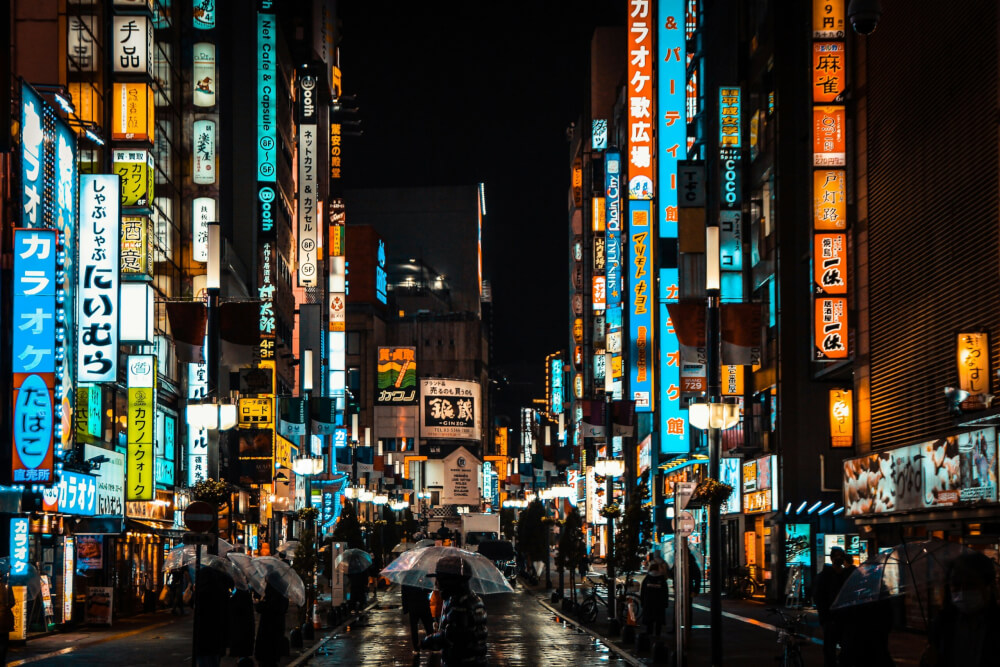
While you should be very safe in Tokyo, the only thing that you might want to beware of are ‘touts,’ or the people who stand outside restaurants and cafés trying to convince you to come to their establishment.
The only place I saw them was in Shinjuku & Harajuku, but I’ve heard some stories about how they can lure you into bars that charge you scammy prices. So just be careful!
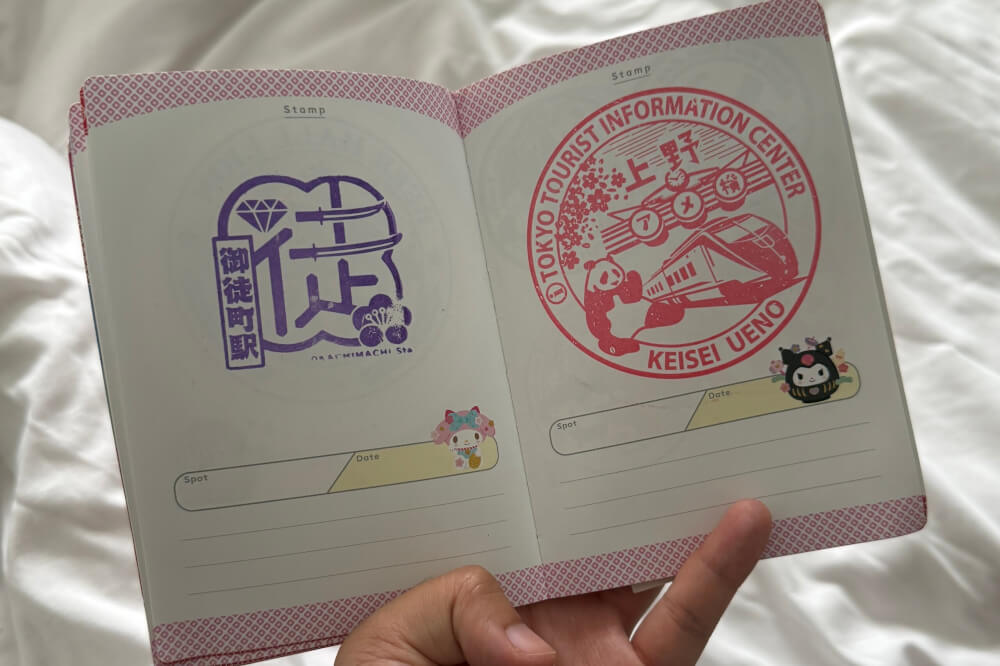
45. Don’t miss the special Eki stamps you can get for free at many places
Finally, while I mentioned this in my general Japan tips guide, Japan has tons of places that offer a free stamp for you to collect (known as eki stamps), so definitely get a notebook or stamp book to collect them as you go.
Tokyo has tons of them in pretty much every train station, every tourist info centre, etc., so it never hurts to ask. The Ueno Tourist Center, in particular, has tons of stamps featuring pandas, so now you know.
FYI, these stamps are not to be confused with Goshuin which are official seal stamps from places of worship that mark your visit as a sign of devotion. These get their own special books that shouldn’t be mixed with Eki stamps.
I hope this list of Tokyo travel tips was helpful!
Let me know in the comments if you have any more to add.