
*FYI - this post may contain affiliate links, which means we earn a commission at no extra cost to you if you purchase from them. Also, as an Amazon Associate I earn from qualifying purchases. Check out our Privacy Policy and Disclosure. for more info.
Kyoto is a city a lot of people get wrong. After all, with its storied status as Japan’s ancient capital, packed with 17 UNESCO World Heritage Sites and peaceful postcard views around every corner, it’s easy to get fooled into thinking that your biggest source of stress will be where to snort the best matcha.
… but I’m sorry to report: it won’t be that easy.
Don’t get me wrong: Kyoto is a beautiful city steeped in tradition, but it’s also a large modern city with popular sights spread far apart, and millions of people keen to see them. Sadly, yes, the strains of mass tourism have overwhelmed local infrastructure, and turned certain hotspots into photo opp zoos that feel anything but peaceful.
Follow most conventional tourist itineraries, and you may very well find Kyoto overcrowded and overrated. I promise though, with a few key must-knows in mind, you can still have that idyllic Kyoto trip of your dreams.
So, if you’re curious about how to do Kyoto right, from dodging the tourist masses and finding peaceful corners to all the best local dishes to try, this post condenses all the top must-knows for Kyoto I wish I knew before my first trip. I hope you find it helpful!
Save this list of Kyoto Travel Tips for Later!
You’ll be very glad you did.
1. Kyoto doesn’t have an airport of its own
First off, in terms of arrivals, do be aware that there actually isn’t an airport in Kyoto. Not to worry though, there are some close by – Itami (domestic only) or Kansai International Airport, both of which are on the outskirts of Osaka.
For Itami, I can definitely recommend the Airport Limousine Bus, which we took from Kyoto Station and it was super smooth and affordable at 1500 yen per person with two bags included.
If you’d prefer to be dropped off directly at your hotel, there’s also a shared taxi/shuttle service via NearMe that’s more expensive but also more convenient. You could, of course, also do a private taxi but from Itami, this will probably cost between 17000 to 23000 yen.
For Kansai airport, there’s also a shared shuttle for 4300 yen and an airport limousine bus option for 2800… but the quickest way is by taking the JR Haruka Airport Express which weirdly is cheaper than the airport limousine bus if you manage to book one of their discounted one-way tickets meant for temporary visitors with a foreign passport.
Kyoto is also, of course, very easy to reach by train from other major cities like Tokyo, which is only about 2 hours away on the Shinkansen, aka bullet train.

2. Stay in Kyoto for 3 days minimum
Now in terms of how long to stay, I honestly recommend you stay for at least three days to ensure you see all the main sights.
… and definitely at all costs avoid going for just a day trip. Trust me – there’s a lot to do in Kyoto in terms of unique sights and attractions, and trying to squeeze everything into a day or two is a recipe for stress.
3. Get familiar with Kyoto’s main neighbourhoods
To help you get your bearings, Kyoto is officially divided into 11 wards which act as administrative divisions.
… Buuuut honestly, these official wards aren’t the most useful for sightseeing.
Instead, travel and tourism guides will generally break neighbourhoods up into ones that have their own distinct vibe, like…
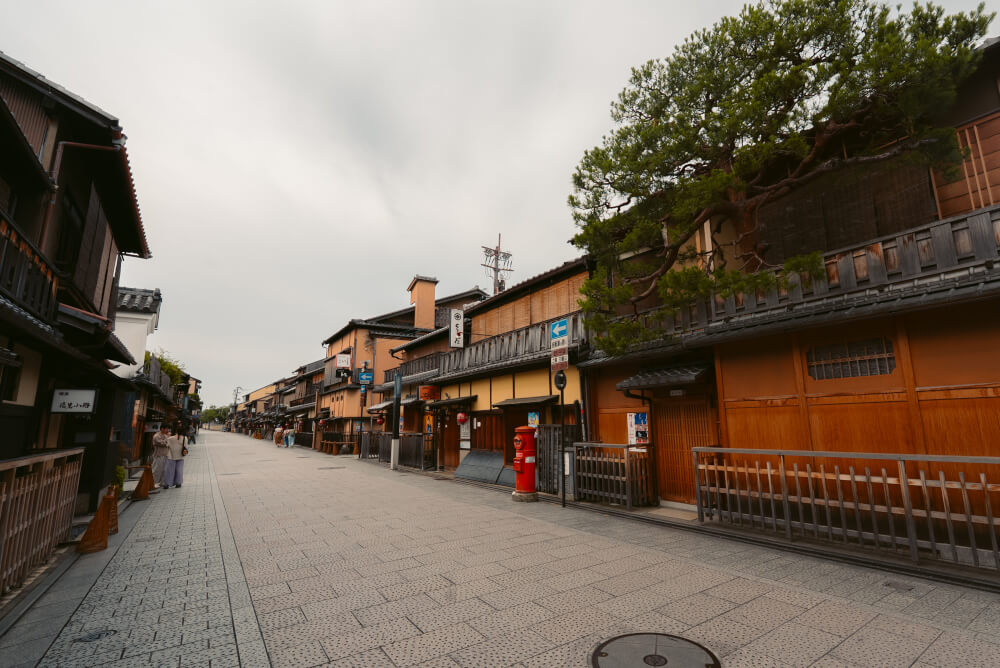
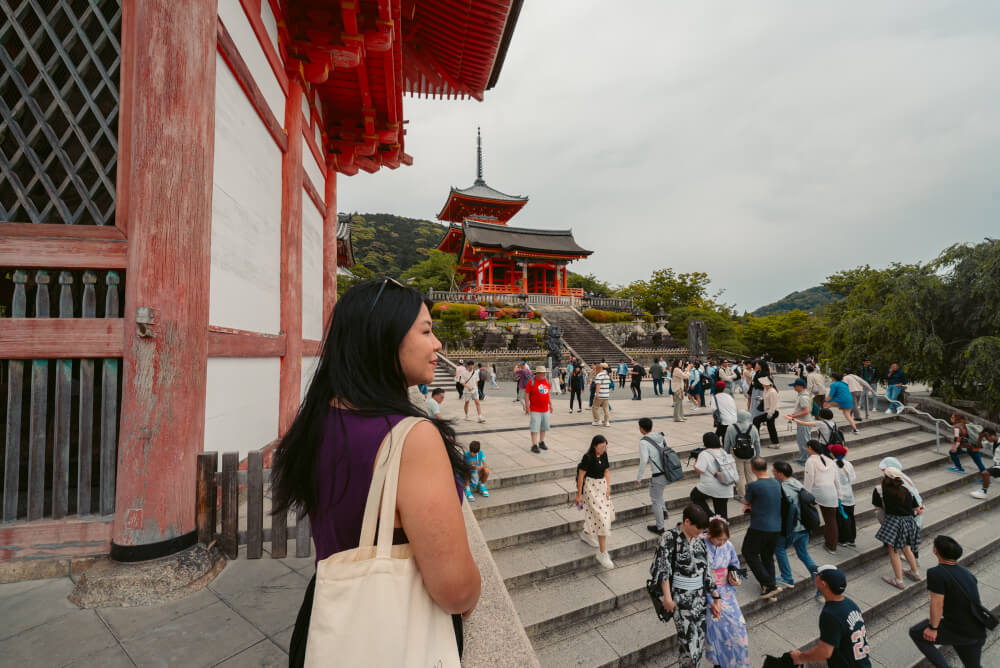
- The famous Gion District, best known as the city’s largest Geisha District, home to endless rows of wooden Machiya townhouse buildings, today housing restaurants, tea houses and shops. This district is part of the larger ward of Higashiyama, which is home to a number of the city’s most popular temples and attractions like the iconic Yasaka Shrine and Kiyomizu Temple… along with some of its most popular photo ops like Ninenzaka and Sanenzaka streets.
- Arashiyama to the west of the city centre, which is home to its famous bamboo forest and tons of other sights
- The area known as Downtown Kyoto, which is the square area in between Oike Dori in the north, Karasuma Dori in the west, Shijo Dori in the south, and the river in the east, now a haven for fun shopping opportunities and the famous Nishiki Market
4. Higashiyama or Downtown Kyoto are both great bases
Now that you know the main neighbourhoods, you might be wondering which one to pick accommodation in.
Well, depending on your priorities, I’d recommend staying in Higashiyama or Downtown Kyoto, both of which will put you close to a number of the city’s most popular sights.
If you want to experience and photograph Kyoto’s most iconic locations without the crowds, then definitely stay close to Higashiyama. This is where you’ll find some of the busiest hotspots in the city, where people always advise going early in the morning or later at night. Staying close by will allow you to do just that!
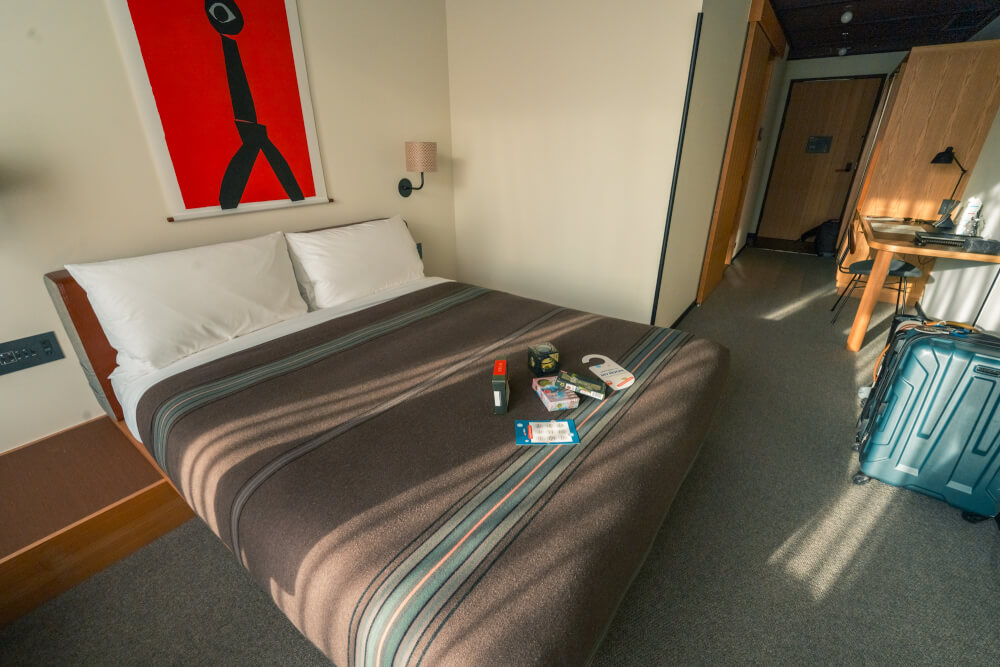
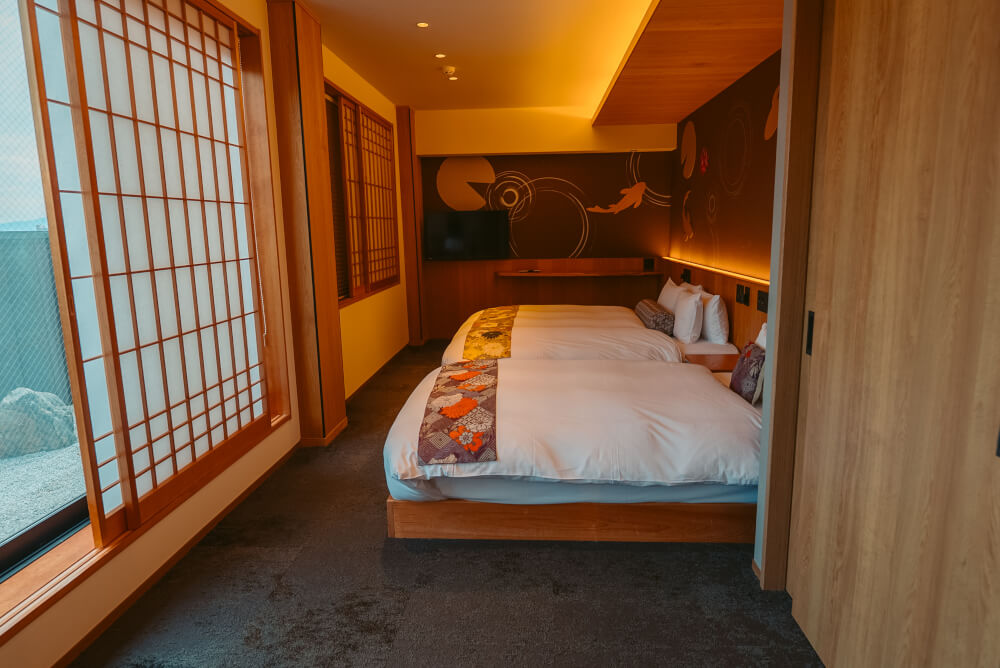
We stayed at the Hotel Ethnography Kiyomizu Gojo which was within walking distance – about 15 minutes – and it was super affordable and spacious. We booked the triple room because that’s all that was left and there was a shocking amount of space (by Japanese standards) and an amazing view.
If your priority is shopping and seeing some of Kyoto’s imperial sights though, then another nice area is downtown Kyoto.
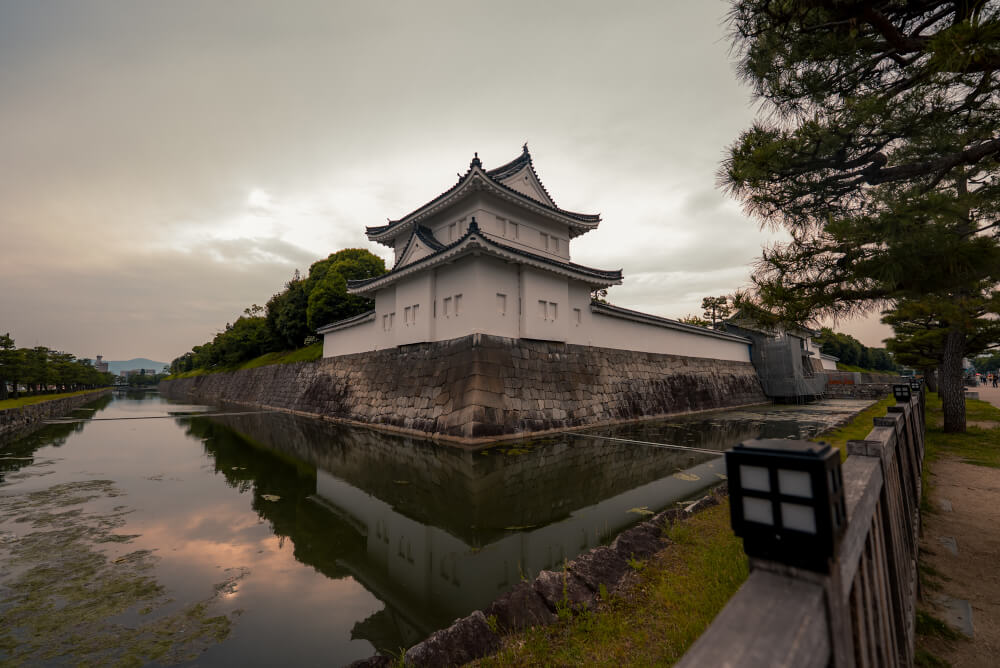
We stayed at the Ace Hotel for the first half of our trip and it was stunning – you could also walk to main sights like Nijō Castle and the Imperial Palace, as well as Nishiki Market and several main shopping streets, so in terms of convenience it can’t be beat.
5. Consider staying in a Machiya for a unique cultural experience
For a unique cultural experience in Kyoto though, you might want to stay in a type of accommodation known as a Machiya.
These are the wooden townhouses that you see in many parts of Kyoto that historically also had a business attached. This type of building isn’t exclusive to Kyoto but the city is really known for it, so if you want to stay in a traditional house, that’s something to look into.
Another unique accommodation experience is staying in a traditional Ryokan or Japanese style inn.
These are a special type of accommodation unique to Japan consisting of tatami mats and roll-out futons for you to sleep on, as well as perks like on-site dinner and breakfast, as well as (sometimes) a nice on-site onsen.
6. Plan for some day trips or additional explorations (especially out to nature)
If you have time in your itinerary, do know that Kyoto makes a great base for a number of amazing day trips – the main two being Nara, famous for its bowing deer (which I warn you are surprisingly aggressive), and Uji, famous for its matcha.
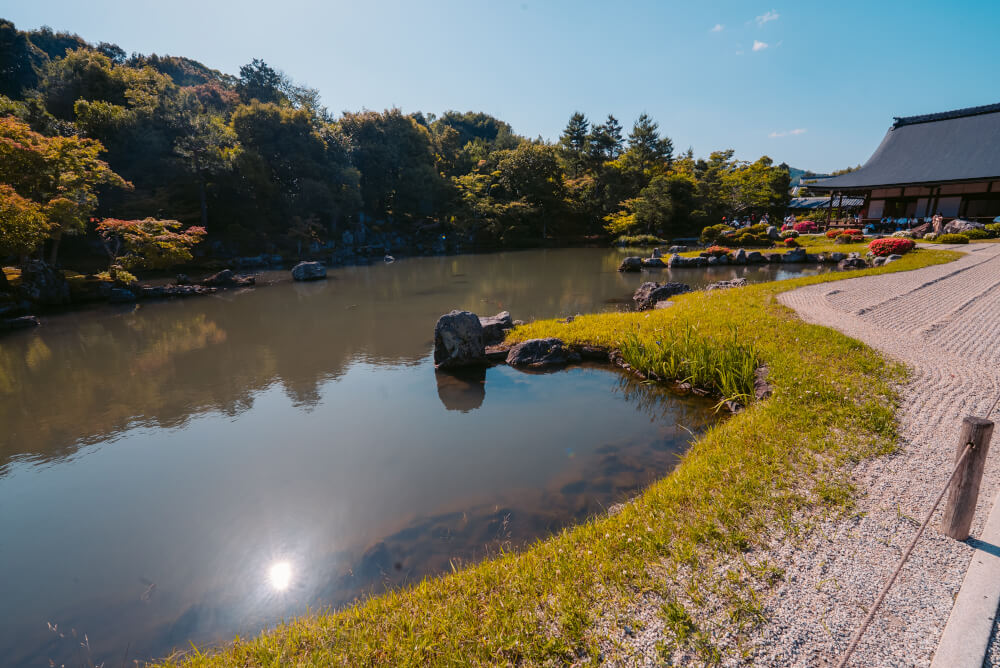
But that’s not all! Kyoto is surrounded by lots of nice natural sights as well, and I think adding a few of those can really help round out your itinerary. One of my biggest regrets is I didn’t have time to venture out and see the amazing nature close to Kyoto but on my wish list for the future would be…
- Lake Biwa, a beautiful lake surrounded by resorts, beaches, castles and Buddhist temples
- Kurama and Kibune, two cute traditional villages nestled among forested mountains
- And farther out, Amanohashidate, a gorgeous pine-covered sandbar
7. Don’t forget: Kyoto is still a fairly big city
Now, in terms of navigation and getting around, something that’s very important to keep in mind is that although it’s not to the scale of Tokyo, Kyoto is still pretty big, so do not underestimate the journey time between neighbourhoods.
In other words, don’t be silly like me and expect to be able to walk to every major place! The city is quite spread out, so focus on exploring on foot within a neighbourhood and then using taxis or public transport to fill larger distances.
8. Get an IC Card for public transport
In terms of getting tickets for public transport, the easiest solution is to get a digital IC card on your phone. These are basically prepaid cards that you can use for contactless payments in a variety of situations, including public transport, vending machines, and claw machines!
Having a card like this allows you to just tap in and out at fare gates without needing to worry about buying the right ticket in advance, so it really makes life a lot easier… especially if you can get one downloaded on your phone!
There are a few different options for IC cards in Japan. I went to Tokyo first on this trip so I already had a digital Suica card which worked fine, though I have heard that ICOCA is the main one used in Kyoto. They more or less do the same thing though and allow you to just tap your phone at the gate or at the bus rather than have to buy a new ticket each time.
Apple users can easily load these cards onto their Apple Wallet by going to Add Card and choosing Transport Card, then selecting the one you want.
For people who can’t get a digital card, you can get physical cards from train station machines , or physical tickets as you go – usually the machines have an English option.
9. Familiarize yourself with Kyoto’s public transport system
In regards to which forms of public transport to take in Kyoto, there are only two subway lines – the Karasuma Subway Line running north to south, and the Tozai Subway Line running east to west.
This means the subway itself can’t get you everywhere you need like it does in Tokyo. Instead, there’s a robust bus network that connects the city, and also some other train lines via JR and private companies, like the Keihan Line, Hankyu Line and Kintetsu Line. In any case, use Google Maps and it’ll show you the best options.
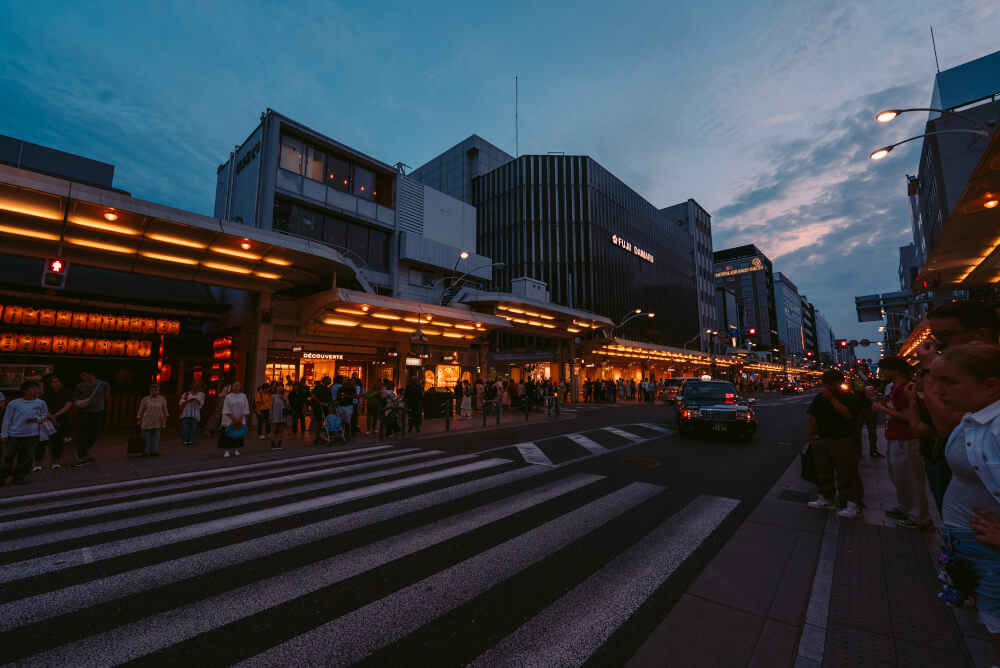
From what I saw though, the bus lines to touristy areas could often be super busy so honestly, for ease and time, taxis can be such a lifesaver, especially when you have bags or a larger group. It’s much more affordable in Kyoto than Tokyo as well but most importantly, very quick compared to walking or taking the bus.
10. Organize data access for as soon as you arrive
To do that though, and to do a bunch of other helpful things like translating signs and menus, you need to make sure you have mobile data.
If you’re looking for an affordable and convenient option for mobile data, eSIMs offer a quick solution that is both cheaper than roaming and easier to set up than physical SIM cards. For those who haven’t used them before, eSIM stands for embedded SIM, meaning they are pre-installed on your device and work 100% digitally to connect you with local telecom networks… meaning data access as soon as you arrive!
Which is especially important for destinations like Kyoto, where you’ll need data to navigate, translate, and find the best places to eat. My go-to for eSIMS is always Airalo, which you can find out more about here. You can also use the code
CHRIST99027 for $3 off.
10. You can call taxis quickly and affordably with the Uber app
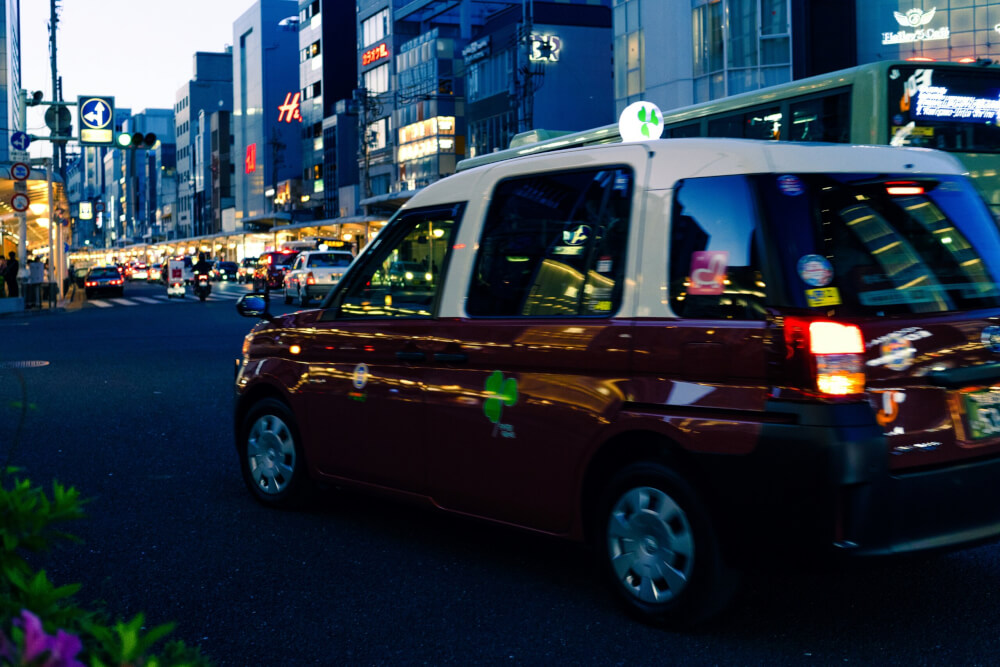
Now, as I mentioned before, Kyoto is quite spread out so sometimes you’ll need to call a taxi for longer distances. Luckily, for convenience, you can actually order regular metered taxis through the Uber app.
But do note that Uber in Japan basically just calls you a taxi so you’re still subject to the metered fee, and I’ve had it a few times now where the final price was more than the initial quote. Still worth every penny though!
11. Consider skipping main streets in favour of parallel roads
Now, while you’re having a wistful wander around, if you want to avoid crowds and see more of Kyoto, do try to avoid the main streets and instead seek out smaller streets leading off the sides, or running parallel to the main ones.
The main shopping street of Shijo-Dori, in particular, was one that I found to be a nightmare because it was just so congested all the time but one or two streets over, it’s way quieter and there’s loads of cute smaller restaurants and bars to admire. The vibe is just way better, so definitely give this trick a try when you’re exploring.
12. It might be worth getting a bike to explore some areas
And for those who are a bit more adventurous than me, you might want to consider renting a bike to explore larger areas in Kyoto, especially around the Imperial Palace, where the park is shockingly massive. Honestly. I felt like I was walking for years.
Generally, speaking, central Kyoto is quite flat so it’s well suited to cycling, which can be a great option if you want to give your feet a break.
There are lots of options for renting bikes in Kyoto – I’ve heard the most popular option is KCTP because, while bike share programs exist, a lot of them don’t work well with non-Japanese phones.
13. Don’t forget to try some of the local specialties that Kyoto is well known for
You’ll have no trouble finding all kinds of great Japanese food in Kyoto but some of the more famous bastions of Japanese cuisine aren’t historically a staple here, like sushi, for instance, given the fact that it was historically quite tough to keep seafood fresh before modern methods became popular.
So there are loads of local specialties you probably haven’t heard of. Some more uniquely Kyoto must-tries include…
- Obanzai, a style of home-style cooking specific to Kyoto where at least half the ingredients have to be produced or processed in Kyoto, and is based more on small dishes full of fresh seasonal ingredients
- Kaisecki, another popular type of dining experience in Kyoto, which involves a multi course meal grounded in artistry and finely crafted dishes
- Kyozushi, a local take on sushi that’s made with cured rather than raw fish
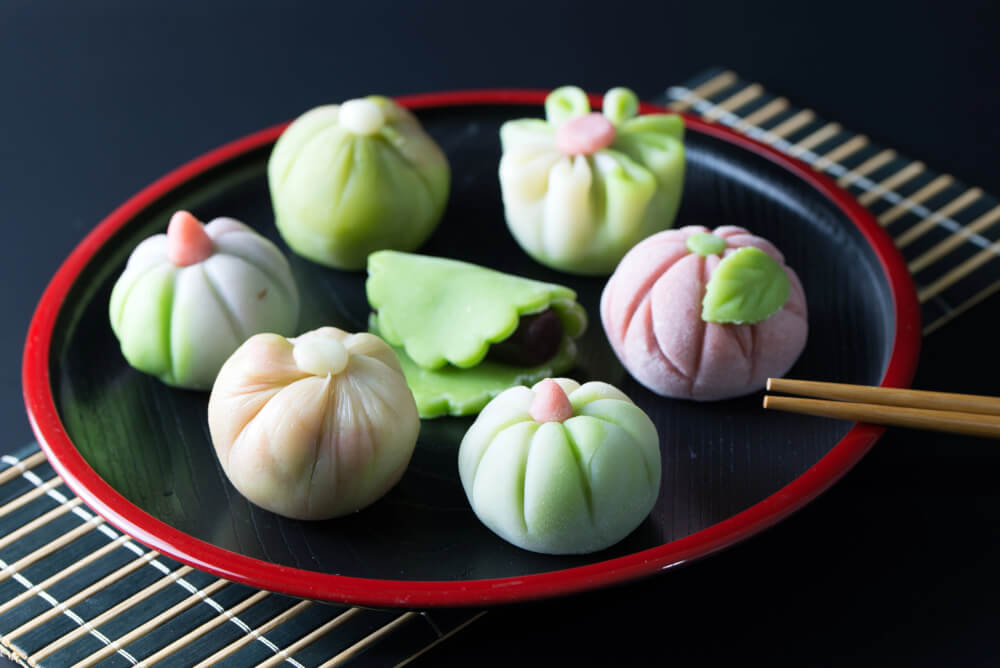
- Wagashi, the special sweet treats that often accompany tea, often made of rice flour, so very fun and squishy
Of course, there’s also all things matcha, especially matcha coming from the beautiful city of Uji, just south of Kyoto. While all the photogenic matcha ice creams and desserts you see these days aren’t the most traditional, they are delicious and so worth trying.
14. Browse Nishiki Market for the experience, but know that there is better food elsewhere
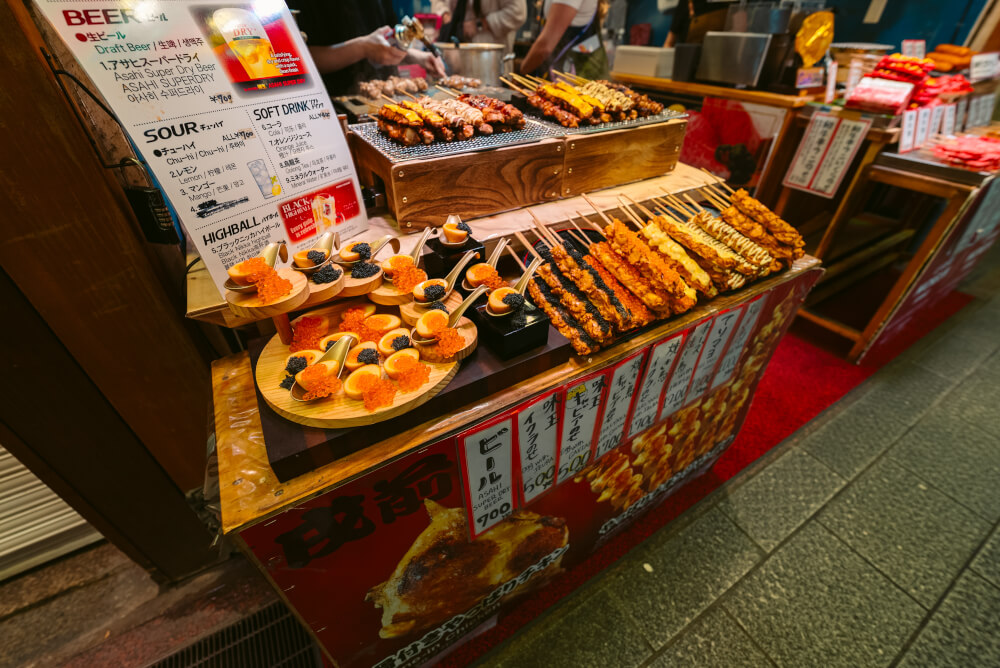
Nishiki Market is a super popular place to get food in Kyoto and has become probably one of the most sought after tourist locations, packed with endless stalls selling photogenic and interesting looking foods.
I do think the main appeal here is just how many cool foods you can find in one place and I’ll admit it’s a fun spot to explore, but on the other hand, it is absolutely packed with people, prices tend to be higher and there’s not a ton of space for you to properly enjoy your food since walking and eating is prohibited and perching spots are fairly low in number.
So, instead of just going to Nishiki Market for food, I would suggest you explore the market, maybe grab some snacks, but then head onwards to some of the surrounding areas around for a more pleasant sit down meal experience if that’s what you’re looking for.
This market is super central in Kyoto so there’s tons of great options nearby – Kamehameha, for example, is a really good Okonomiyaki place near by but if you just wander in the area around the market, you’ll find tons of shopping and food options.
I will say though that the 100 yen sake at Nishiki Market is a phenomenal deal.
15. At least once, book a place with a nice nature-oriented view
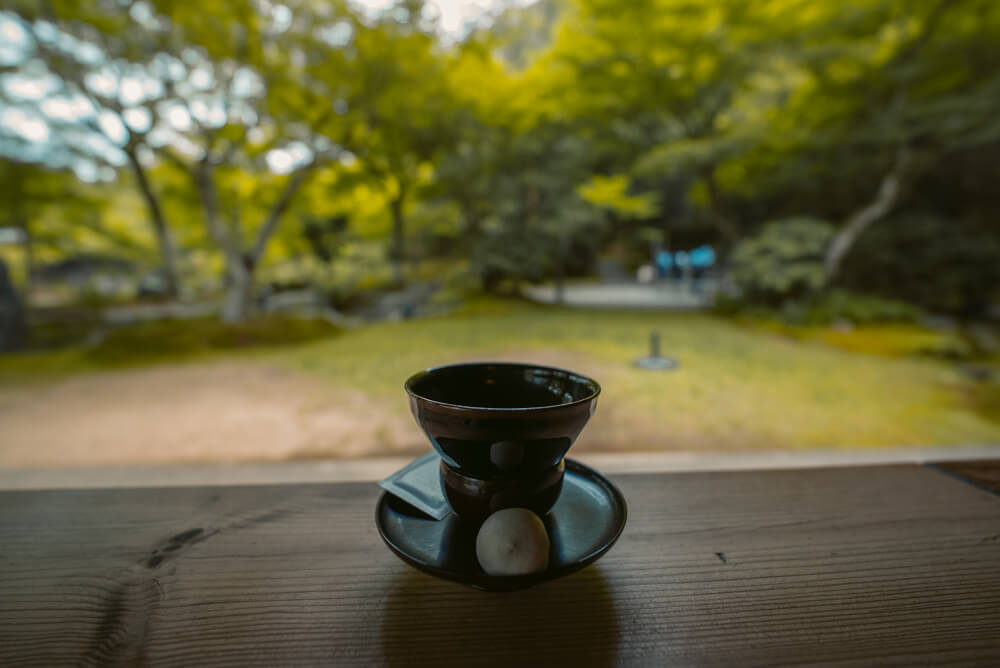
One of the distinctive perks of Kyoto for me is how the city is integrated into the beautiful nature surrounding it, so I do think it’s worth enjoying at least one meal where you are openly facing this nature.
Sure, this usually comes at a slightly higher price point, but the experience is worth it! We ate at Otowa Saryo near Kiyomizu Temple and it was super nice – with great views of the mountains and surrounding area.
But there’s loads of other places that offer riverside dining, also known as either “noryo yuka” or “kawadoko”.
Some other places I had on my list included Sanmikouan, and outside of central Kyoto, Itsuki Chaya in Arashiyama looked nice, as well as many options in Kibune.
16. Check out Fushimi if you like sake
Finally, if you’re interested in sake, make sure to head to Fushimi for lots of fun sake spots & breweries. This is an area known for its sake, with over 40 sake breweries in the district.
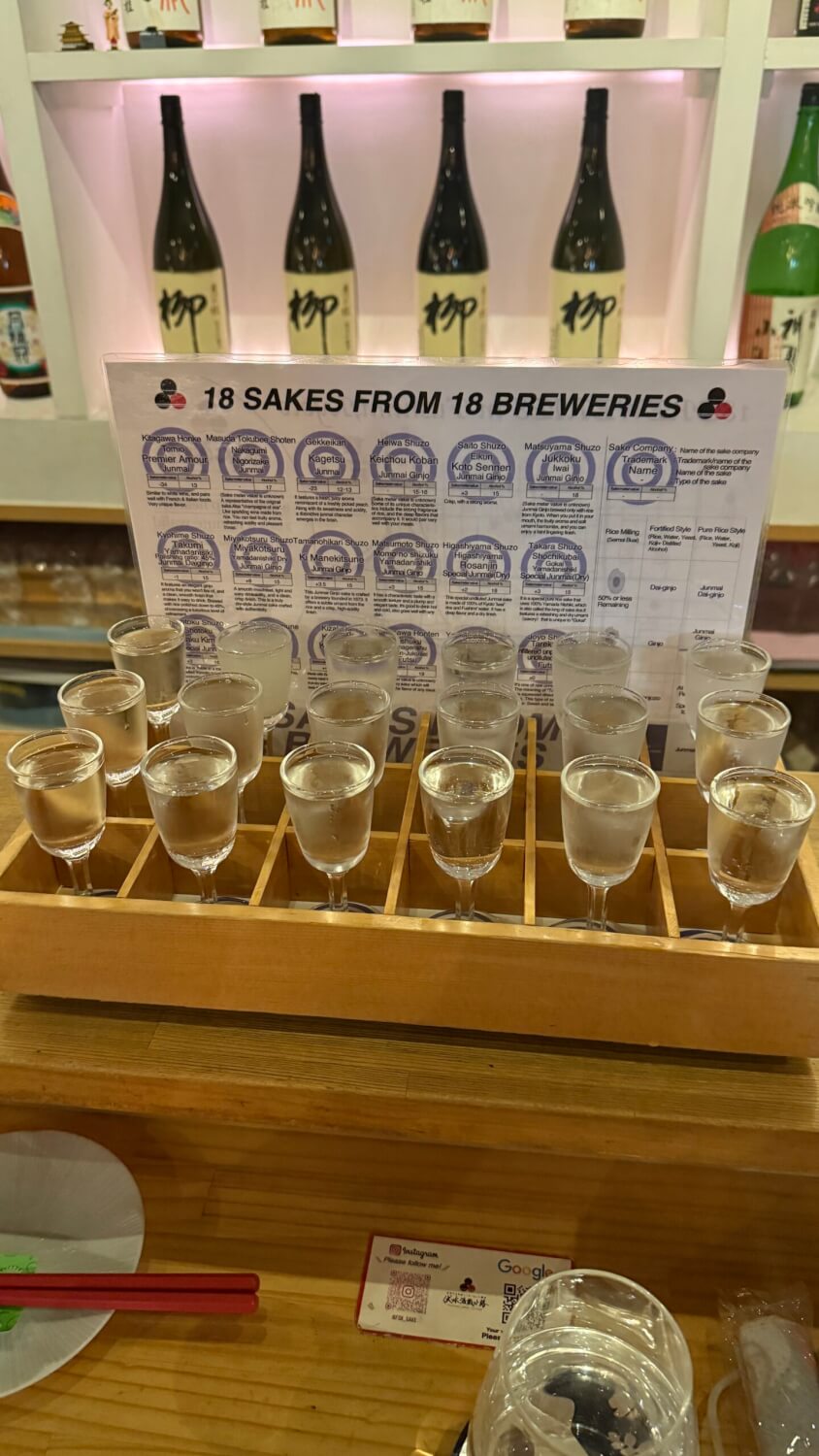
While it’s not a super hidden gem anymore, I can recommend coming in the evening after day trip crowds have filtered out, and going to the Fushimi Sake Village. This is a really cool food market type spot with quite a few different food vendors and one bar that does amazing sake specials like a tasting platter with 18 different sakes from local brewers.
Sure, you might be stumbling home after, but I’d say it’s worth it in the name of cultural immersion.
17. Accept that you won’t have time to do every single thing
I know this is a hard truth to accept in any destination, but I promise, once you make peace with the fact that you won’t see everything, you’ll have a much better time.
After all, Kyoto is an incredible city that’s home to no fewer than 17 UNESCO World Heritage sites… so one of my top pieces of advice is to not stress yourself out trying to see every single one.
If you’re so busy that you’re just rushing from one place to another, you might find you can barely even remember anything properly, so make sure you give yourself time to actually enjoy the things you are seeing and doing. A lot of the main sights offer similar perks, so give yourself some room to breathe and your future self will thank you.
18. Plan to do the most popular areas early in the morning/in the early evening
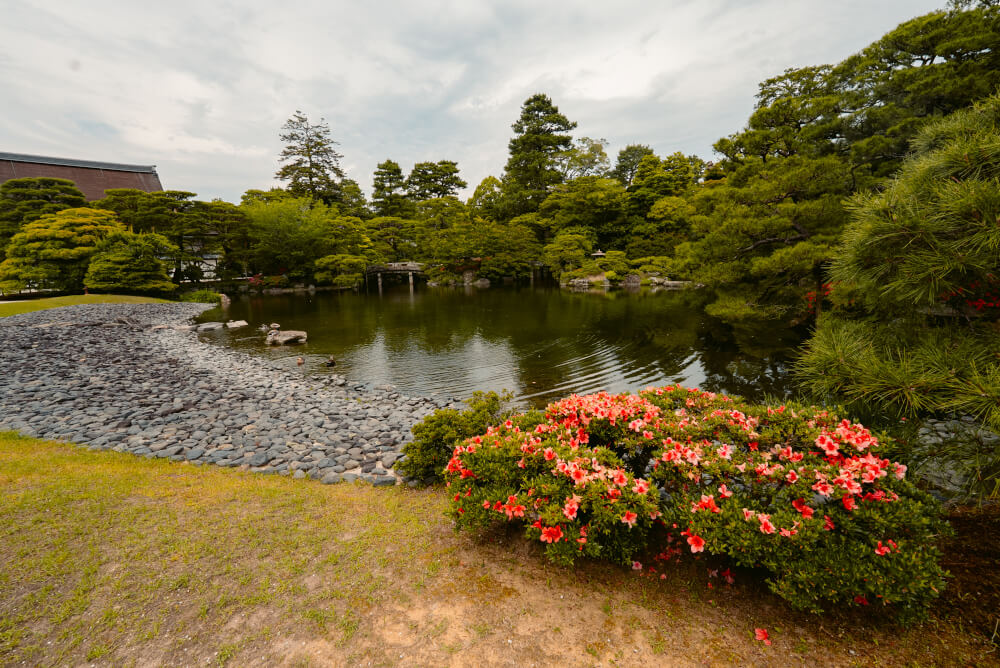
I had an amazing time in Kyoto because honestly, up until the last day, I was able to dodge most of the massive crowds that the city is infamous for. And that’s the fate I want for you too.
So, generally speaking, here are the busiest places in Kyoto and how to avoid their crowds:
In Higashiyama, particularly the streets leading up to and around Kiyomizu Temple like Ninenzaka and Sannenzaka, I can definitely recommend going early in the morning. I headed there around 9am (in early June) and the streets aren’t empty but much quieter so you can see some of the iconic photo spots along Ninenzaka and Sanenzaka, then as the shops open around 10-10:30, you can explore those. There’s lots of nice ones and I think it’d be a shame to miss them if you came at night because most of them close by 7pm.
NOTE: I’ve heard the crowds can be much, much worse during peak times like cherry blossom season… with the recommended arrival time being before 6am, so just keep in mind that the ideal time would depend on when in the year you’re visiting.
There’s also the Fushimi Inari Shrine. To beat the many, many, many crowds, you can opt to visit either early in the morning or in the late afternoon/early evening which is what we did. In either case, just keep walking upwards and the crowds dissipate SO quickly – there’s about 10,000 gates in total and it’s about a 40 minute walk up to the top but nobody ever goes much beyond the first few sections.
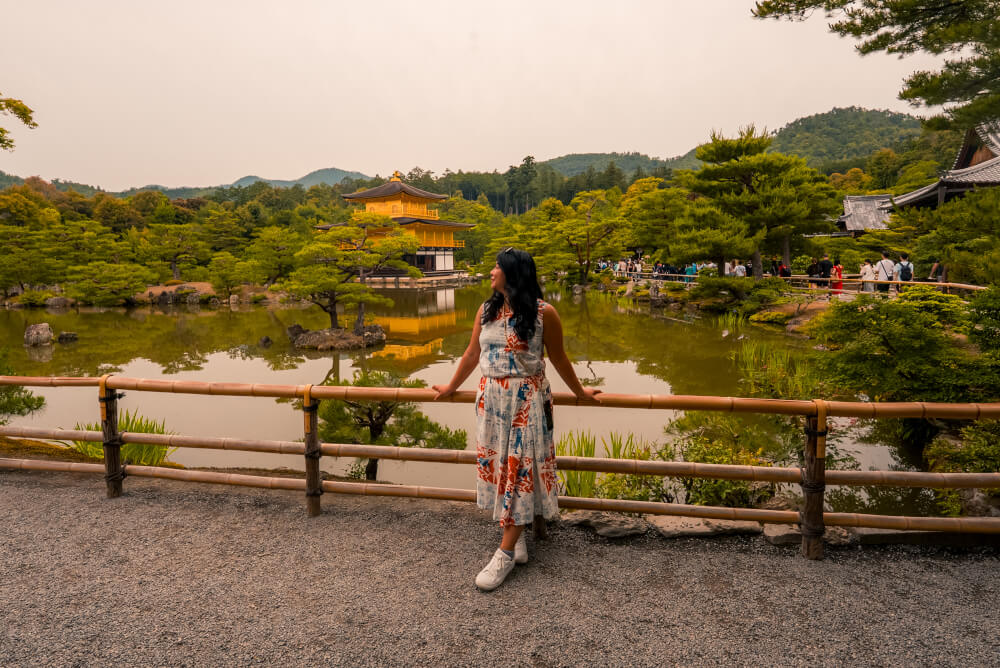
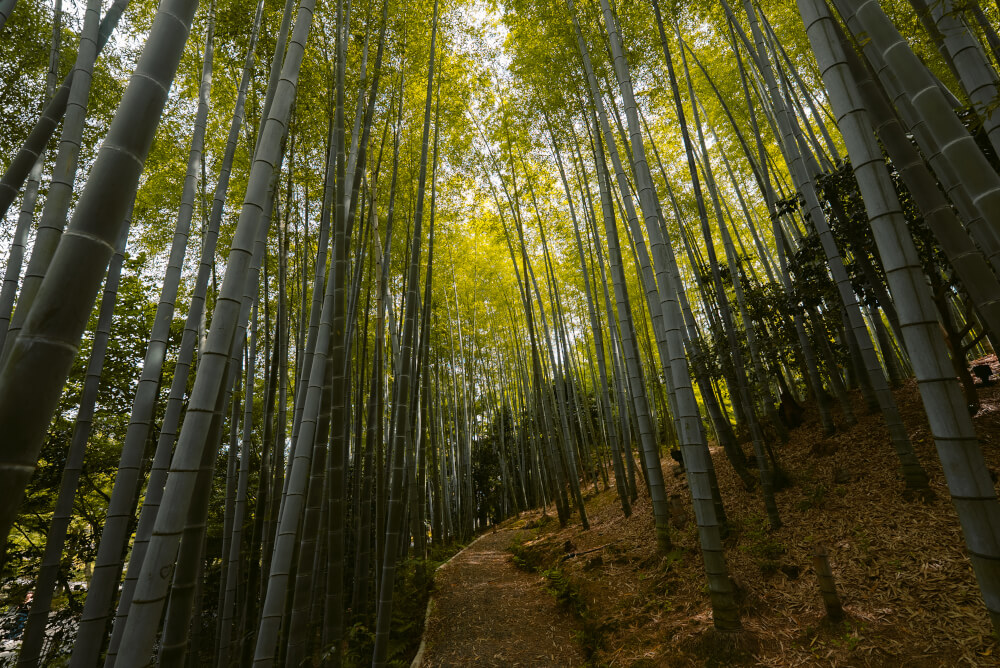
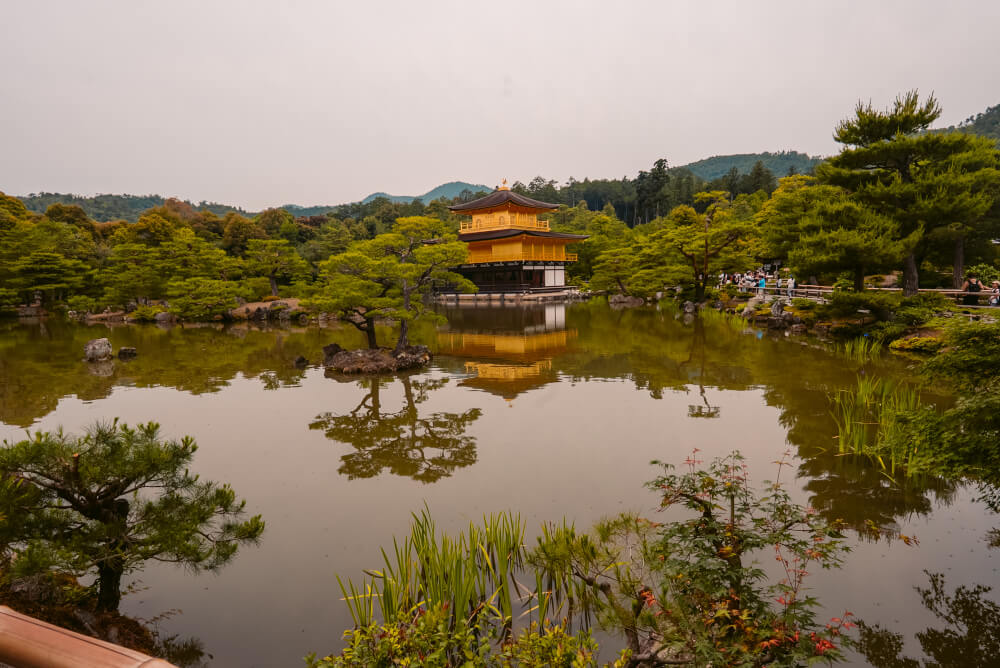
Other places super busy with crowds include the golden Kinkaku-ji Temple and, of course, the Arashiyama Bamboo Forest. Going super early would probably be the best option for these two. Kinkaku-Ji for instance closes at 5, so going late isn’t really an option, and while the Bamboo Forest itself doesn’t have opening hours, all the shops and restaurants in Arashiyama start to close around 5 so you won’t have much to do if you get there late.
19. Know that there’s a lot to do beyond just temples, shrines and other historic sights
I’ve heard that many first timers can get overwhelmed with all the different temples and shrines in Kyoto and that some of them start to feel a bit samey after a while.
But remember that Kyoto is also an amazing modern city with tons of great cafes, bars & shopping, so be sure to mix your itinerary up with these other activities rather than force yourself to go to nothing but temples and shrines.
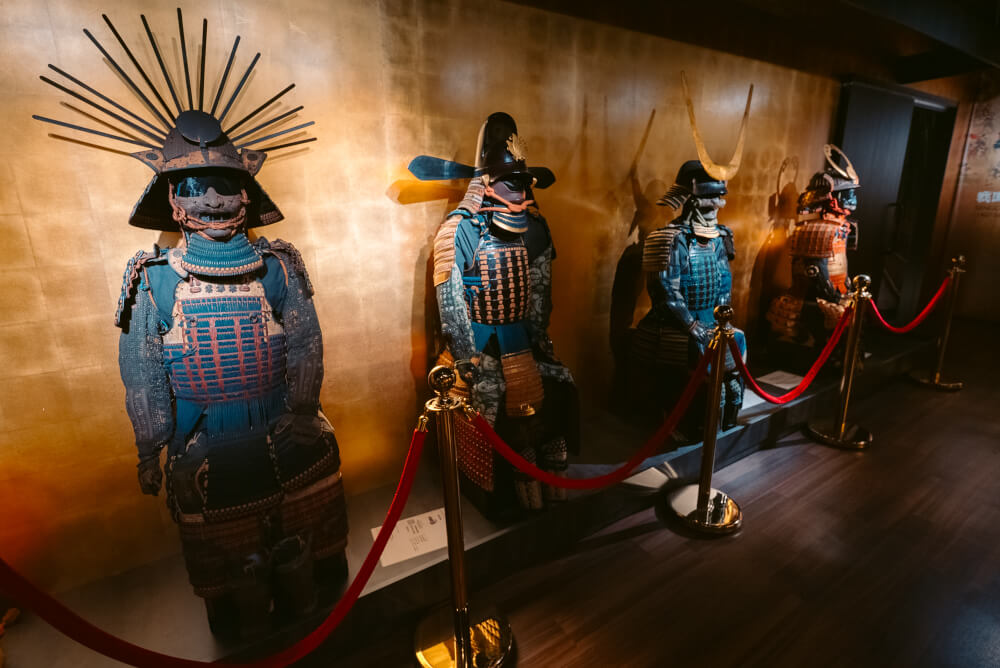
There are tons of museums for varied interests for instance that are worth checking out. For those with young ones in tow, the Samurai Ninja Museum is definitely a fun one to visit. It even has ‘experiences’ where you can try on Samurai armour and learn to throw a Ninja star!
20. Know which attractions you need to book in advance
People (i.e. me) often liken mass tourism in Kyoto to the Hunger Games. Well, nowhere is this more true than when it comes to booking slots for the city’s most coveted experiences.
So, here are a few super popular things in Kyoto that require advance booking:
- The Sagano Romantic Train – Tickets can be purchased starting at midnight one month prior to the boarding date. Book the Rich car if you want the one with no windows and a glass floor so you can take better photos
- The Aoniyoshi Sightseeing Limited Express to Nara – This fancy train is a slightly quicker (but infinitely more luxurious) way to travel to Nara from Kyoto, but it usually sells out within minutes and tickets are released 30 days in advance
- GEAR Non Verbal Theatre – A unique theatre experience with rave reviews that needs to be booked a few weeks in advance
NOTE: Many popular tea ceremony places also tend to book out, but don’t worry, there’s loads of them.
Within 30 minutes of Kyoto, there are also some super popular spots like the new Nintendo Museum, which opens up a booking lottery 3 months in advance. If you win the opportunity to get tickets, you can then buy them two months in advance. I know… It’s honestly wild.
21. Break your sightseeing up by region so that you don’t have to backtrack too much
Kyoto is a pretty large city so it can be a pain to backtrack. That’s why I’d recommend splitting your itinerary up by rough area, for instance…
- Eastern Kyoto, including Higashiyama with the famous Gion District, and countless temples/shrines like Kiyomizu temple.
- Central Kyoto, including downtown with all its amazing shopping and main sights like Nishiki Market and the International Manga Museum… plus some of the top historic sights like Nijō Castle and the Imperial Palace.
- Southeast, with Fushimi Inari and the Fushimi Sake District.
- Western Kyoto, with Arashiyama and its many sights like the Bamboo Forest and Tenryu-ji.
- And Northwest, with Kinkaku-ji the golden temple.
To make this kind of plan, I would star all your must-dos on Google Maps and then group them based on location. Doing this will also allow you to explore neighbourhoods deeper and find your own hidden gems as you go.
22. Include an experience in your itinerary to break up all the sightseeing
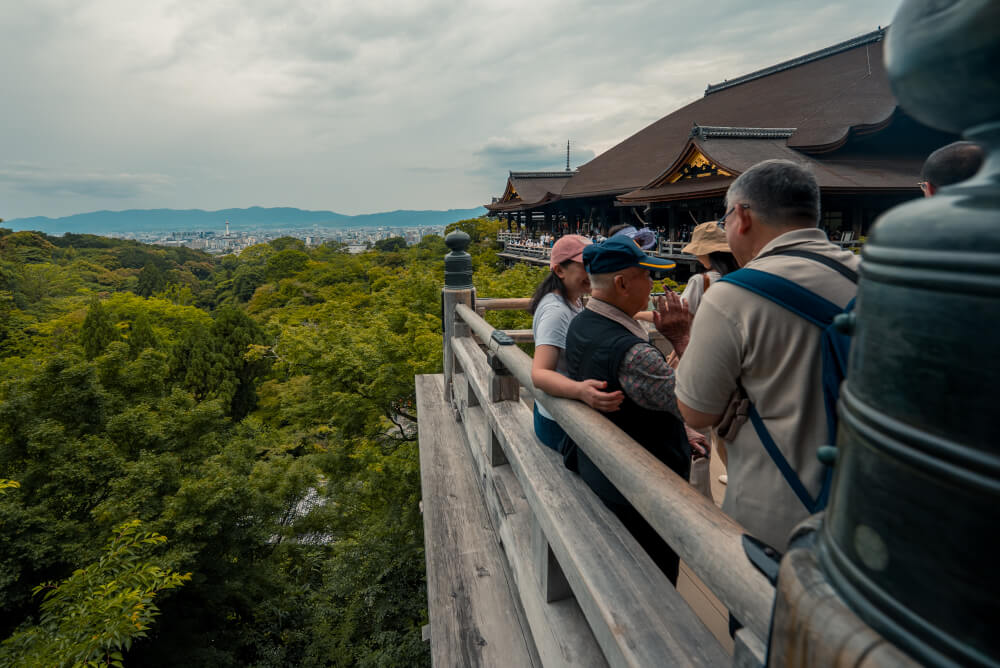
It’s very easy to get overwhelmed in Kyoto by all the seeing of sights, from temples and shrines to museums and everything in between.
But to properly enjoy the places you’re going to, I’d definitely book some experiences in as well, like…
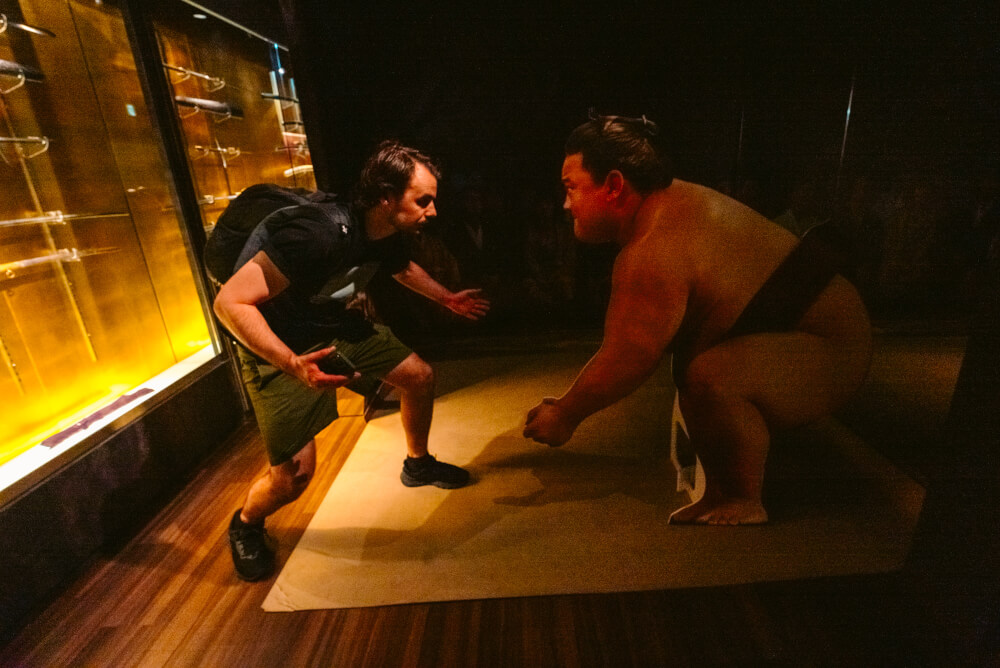
You probably can’t face off with a sumo wrestler, but Sean wanted to try!
23. Also try to pencil in more relaxing activity in between all the touristy stuff
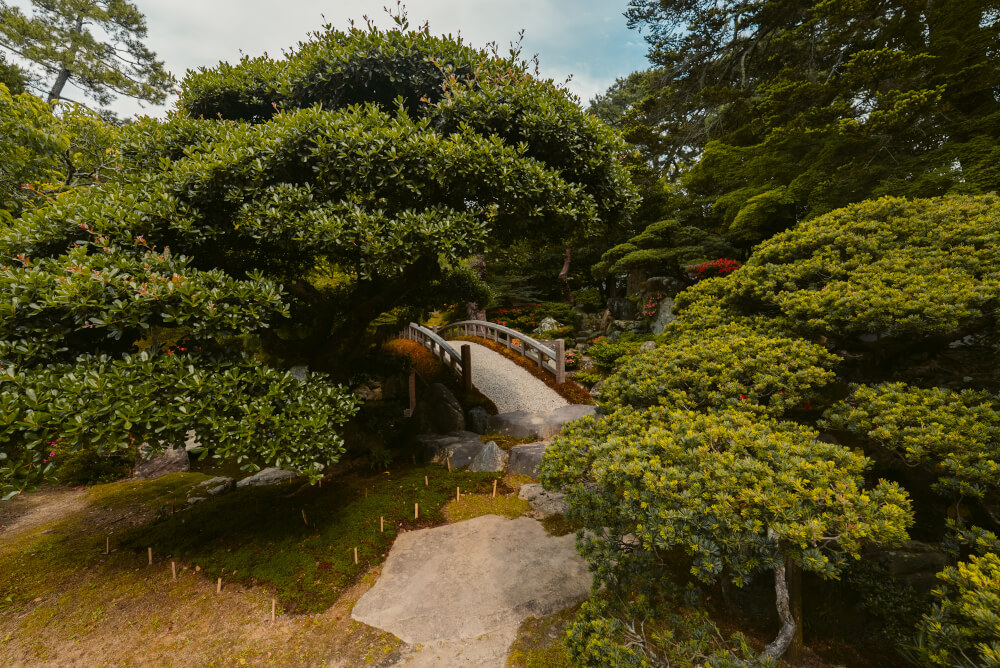
This is going to make me sound like such a grandma, but so much of the charm of Kyoto, for me, is the more tranquil vibe – even though you don’t feel that so much when you’re in the touristy areas… but I promise you there are little pockets of peace everywhere.
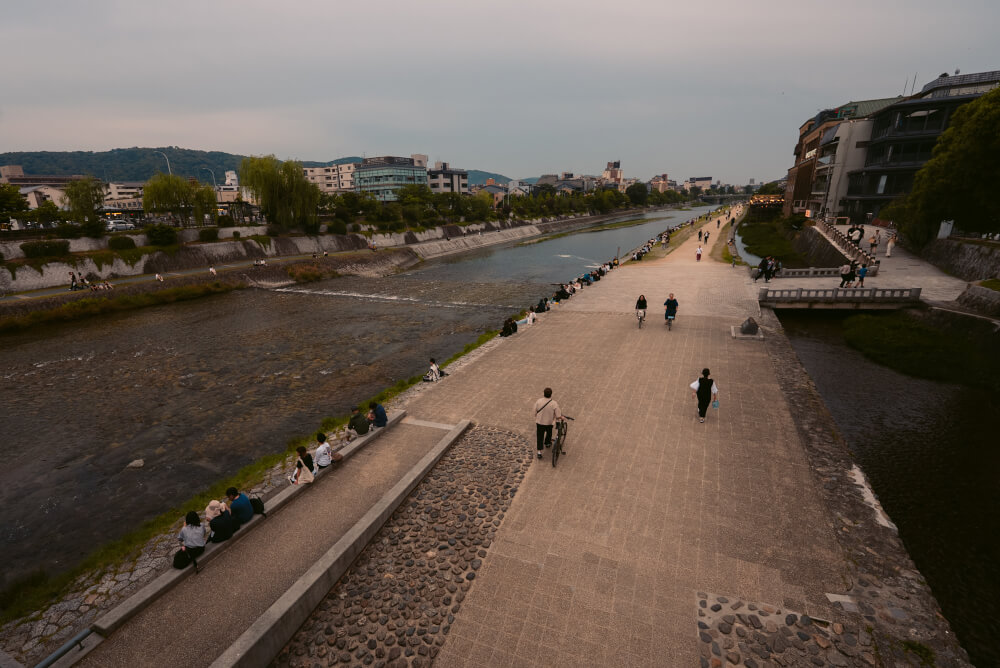
You can go for a walk along the river, which is beautiful. I’ve also heard great things about the Philosopher’s Path which is meant to be super peaceful.
Or if walking isn’t your thing, just enjoy a cup of tea in a quiet tea house. There is so much to see and do in Kyoto that it’s easy to feel overwhelmed while you rush from place to place, but don’t rush. Soak in the vibes. And you’ll love it so much more!
24. Remember there’s less touristy alternatives to almost every major attraction
This is a huge one, especially considering all the concerns around overtourism in Kyoto. Yes, it can be crowded but specifically just around the most popular top ten must-sees. Outside of that, you can still have entire places to yourself.
So if you’re okay with doing things that are more offbeat rather than insta-famous, know that outside of these main temples and shrines there are thousands more that are beautiful and peaceful. One of my personal favourites was Genko-an which is famous for its ceilings. This is one of a handful of temples with ceilings that use repurposed floorboards from a huge mass warrior suicide 400 years ago during a castle siege. You can still literally see bloody footprints and handprints on the ceiling which is wild.
But I genuinely came across so many fun shrines and temples just walking around so keep in mind there’s not just the top five, there are thousands.
Even in terms of bamboo forests, Arashiyama is the biggest and most famous but there’s many other places you can see bamboo. So many. Even Kodai-ji temple in Higashiyama has a small one. And I’ve heard that this one is great.
And if you explore beyond just this central core there’s also loads to see. My biggest regret is I didn’t have time to go out of the city to do some hiking or see the nearby mountains, but next time.
If you’re up for going farther afield, there’s even an official tourism initiative over at KyotoTourism.org that showcases “Another Kyoto” so be sure to check that out.
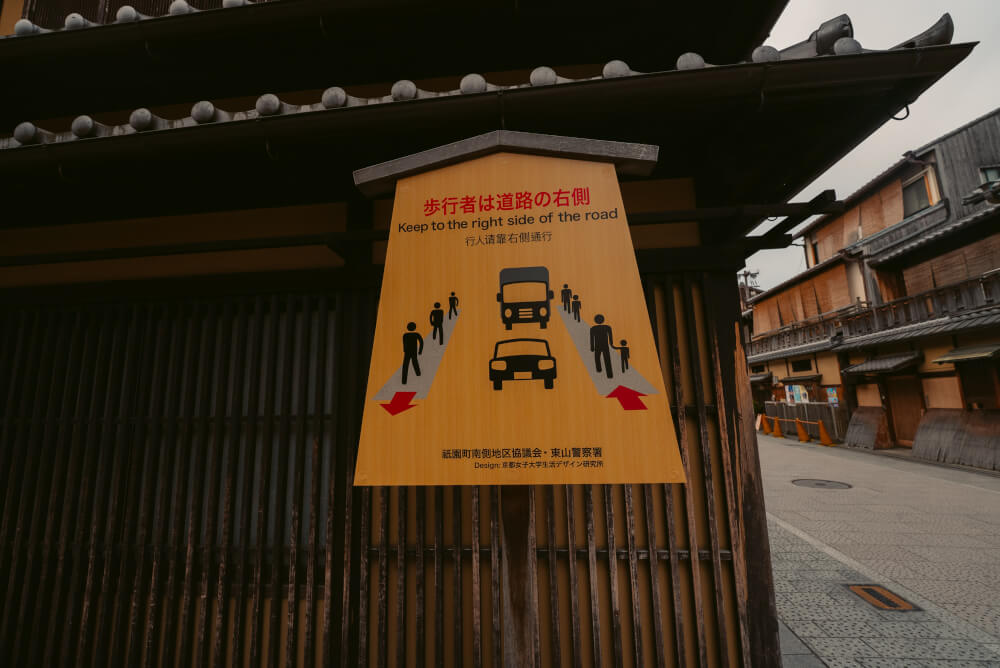
25. Obey the various signs and avoid being a rude and disrespectful tourist
Unfortunately, Kyoto in recent years has become a bit of a poster child for overtourism, making headlines constantly about new measures to fight back against poor tourist behaviour.
Even the slogan on the posters is “Enjoy and respect Kyoto,” so that tells you what kind of terrible behaviour they’ve been dealing with.
So just in general, make sure you’re considerate. To me, a lot of this stuff is common sense but it bears repeating:
- Don’t leave your trash in public places
- Don’t be loud and disruptive
- Don’t sit down in front of shops and block the entryway
- Don’t stick your camera in people’s faces without asking
- And in general, if you see any signs in English, give them a quick read and be sure to respect any rules like no photography, etc.
26. Make sure you visit the city’s many historic shops while you explore
In contrast to Tokyo’s mega malls and endless stream of big designer shops, I thought one of the defining characteristics of Kyoto was how many small historic shops there were, from centuries old stationary shops (Kyukyodo) to a confectionary shop that has been making sweet treats for over 1000 years (Ichimonjiya Wasuke).
So make sure you pencil in time for popping into these shops as you go. The trouble is, a lot of them might not be easy to find on Google Maps because their names are in Japanese or they don’t have much of an online presence, so my best tip is to just keep your eyes open and choose your own adventure.
If you want a one stop shop for lots of options, the Kyoto Handicraft Center and Kyoto Ceramic Center are good starting points but I think just walking around and finding smaller historic shops is more fun.
PS: If you’re into traditional crafts, Kogei Japan is a really good resource that breaks down different types of Japanese crafts by region so you can learn more about what’s specific to your destination, like Kyoto, for instance.
All that said, there’s lots of great modern shops too – the ShinPuhKan Shopping Centre by the Ace Hotel where we stayed had so much cool stuff and there were loads of interesting thrift shops in the area too.
27. Many shops and food places don’t open in Kyoto until 10/11am
This can be a bit of a pain since you have to wake up early early to enjoy the city crowd-free, but many of the shops/cafés etc., don’t actually open until late, so plan accordingly.
Luckily, hotel breakfasts tend to open early, so that might be a smart option to opt into and convenience stores will also be open early for all your snacking needs.
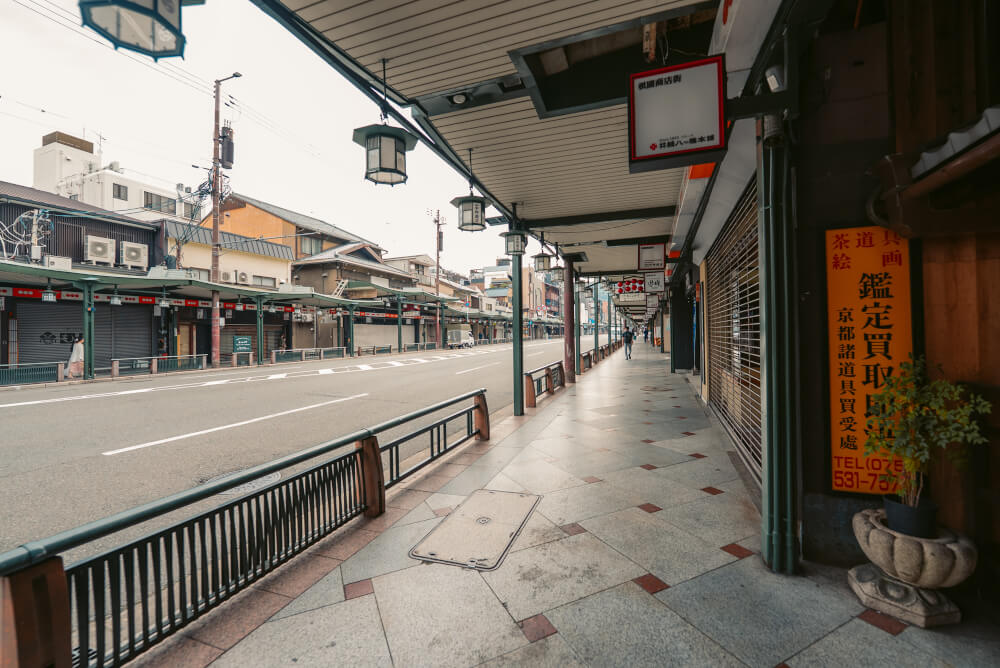
28. Beware that shops and attractions close pretty early too
In my experience, most of the major attractions were closed by 5pm, and a lot of smaller shops were closed by 7.
So if you want to do artisan type shopping, keep that in mind. Shops in malls and shopping streets tend to be open a bit later though.
And don’t worry, many shrines and temples are open 24/7 and are lit up, so you can still visit after hours – just know that the areas selling charms and Goshuin (which are these cool official stamps you get from places of worship for a small fee), won’t be open.
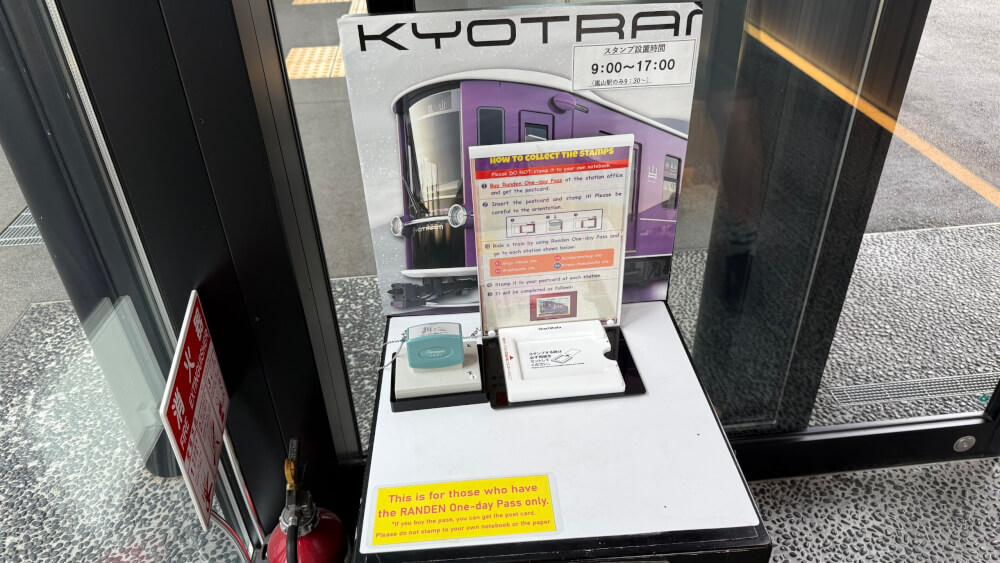
29. Don’t forget to grab the free Eki stamps at train stations & attractions
Finally, I did mention this in my general Japan tips guide but it’s worth mentioning again!
This is one of my favourite things about Japan – fun stamps you can put into a notebook or specialty stamp book everywhere. It’s great fun hunting for these and Kyoto has so many nice ones, at pretty much any train station that services the limited express train, as well as at main tourist sights like the Manga Museum and Samurai Ninja Museum which had different samurai crest stamps.
And hot tip if you love stamps – the Traveller’s Factory store had lots of super cool stationary and travel goods along with an incredible stamp station.
I hope this list of Kyoto travel tips was helpful!
Let me know in the comments if you have any more to add.