
*FYI - this post may contain affiliate links, which means we earn a commission at no extra cost to you if you purchase from them. Also, as an Amazon Associate I earn from qualifying purchases. Check out our Privacy Policy and Disclosure. for more info.
After sleeping at Machu Picchu, hiking to the top, scoring last minute tickets, and trying Circuits 1, 2, and 3, in this guide I am going to tell you everything you need to know about planning your own Machu Picchu trip for the first time… because I’m officially a Machu Picchu mega-nerd!
… a mega-nerd with a lot to say, apparently.
After all, my recent trip to Peru covered a pretty wide spectrum of experiences, from the ultra swanky (where I took a fancy train up and stayed in Peru’s most expensive hotel just steps from the Machu Picchu entrance) to the ultra tedious (where I stayed in Aguas Calientes for three nights to brave the infamous Ministry of Culture ticket office for last minute tickets).
So, if like me, you’ve found the information online to be scattered, confusing, and in many cases, outdated… I made this guide out of spite so you have all the most important information in one place.
… I hope you find it helpful!
Save this list of Machu Picchu Travel Tips for Later!
You’ll be very glad you did.
Note: Machu Picchu Pronunciation
Let’s start with some “rock your world” info that will no doubt have you questioning everything... because yes, Machu Picchu is actually pronounced so that it sounds like “Mah-choo Peek-Chu”, with a k sound in Picchu…. not “Mah-choo Peachoo” as many tend to assume.
So, if you want to blend in with the locals, adjust accordingly! Now, onto the must-knows…
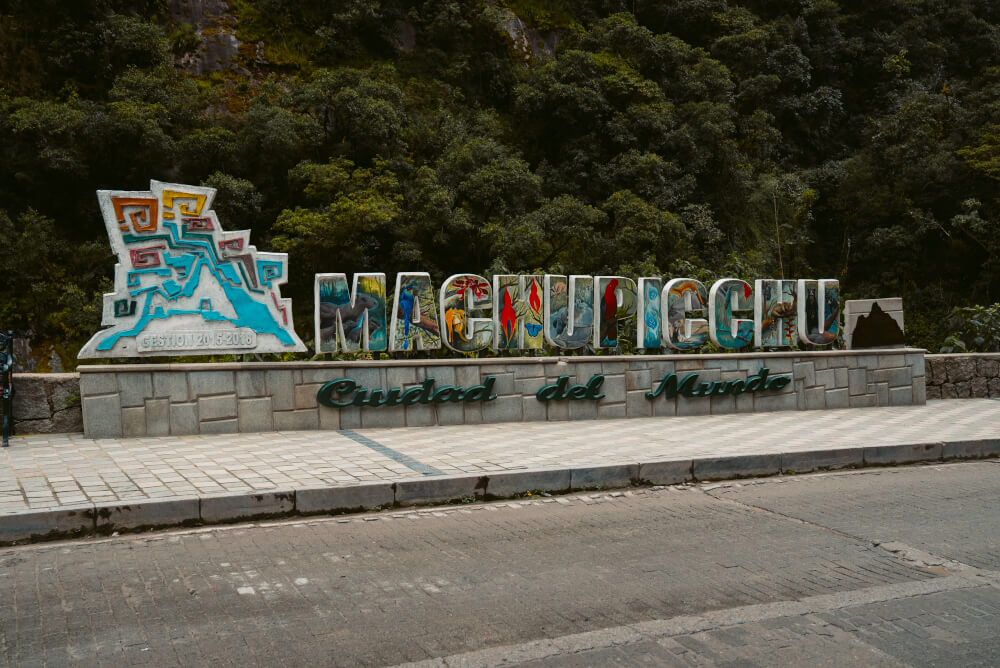
1. Familiarize yourself with the basic process for visiting Machu Picchu
Because as it turns out, you can’t just casually walk up and buy a ticket. Instead, you must engage in a gamut of tedious prep work that takes place (I kid you not) months in advance.
… So, here are the basics!
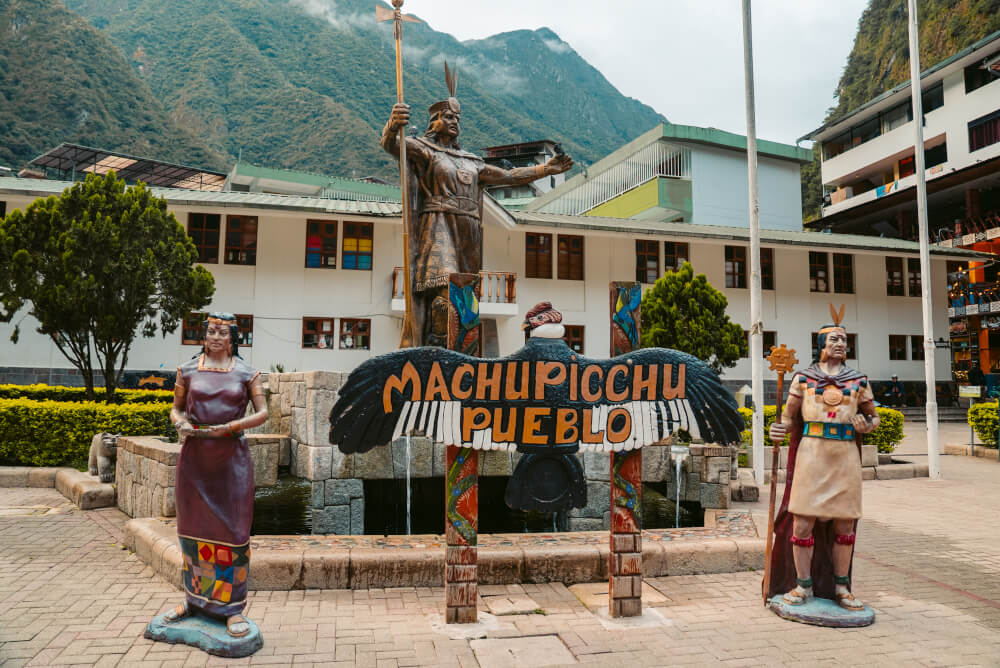
The site and world wonder we all know as Machu Picchu is an epic 15th century citadel located in the Urubamba province of Peru. At its base is the town known as Aguas Calientes, also known as Machu Picchu Pueblo.
Most visitors will fly into the closest airport which is Cusco, about 80km away from the site’s entrance… with a one way journey time of up to 5 hours, because it’s comprised of the following segments:
- Direct train (high season only) or a bus/train combo (with a transfer in Ollantaytambo) to Aguas Calientes, which takes about 4 hours
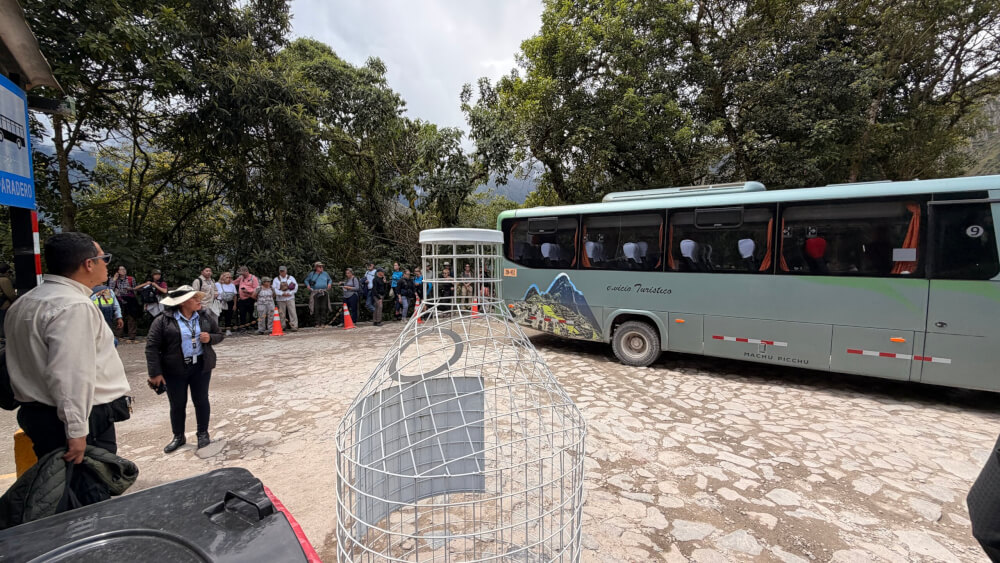
- Bus from Aguas Calientes town to the citadel, which takes about 30 minutes (or you can hike up which takes 1.5-2h)
So, just to make this crystal clear: no, you cannot drive directly to Aguas Calientes, and your journey – no matter your budget – will always involve getting to Aguas Calientes first, then either taking the bus from there to the citadel, or hiking. This is why I strongly recommend against doing Machu Picchu as a day trip, popular as that may be.
NOTE: You can of course also hike all the way to Machu Picchu, but we’ll discuss the options for this a little bit later!
So, where do you begin with actually planning all this then? To sum up your options quite simply, you can either book with a tour company for ease to handle everything for you… which obviously comes at a pretty steep mark-up.
Or, you can save a ton of money and book everything yourself.
In this guide, independent booking is what I mainly focus on, but I will absolutely not judge if you opt for the guided route. Machu Picchu planning is confusing even at the best of times, so there’s no shame in throwing money at the problem… so long as you do your due diligence and read reviews online before booking, as I’ve heard way too many horror stories!
… And make sure to read the fine print to see if essential things like tickets are actually included, because very often, they are not.
NOTE: GetYourGuide and Viator are only marketplaces, not providers, so look on the activity booking page for the actual company name rather than search up general reviews for GetYourGuide or Viator.
Here are some well-rated options for you if you choose to go with a tour:
- Day trip group tour from Cusco
- Inca Trail tour
- Two day tour from Cusco including Machu Picchu & Sacred Valley highlights
Now, it might seem overwhelming, but if you’re booking Machu Picchu yourself without a tour company, basically your checklist of things to book is:
- Machu Picchu tickets – which need to be secured either months in advance, or at the latest, the day before if you’re willing to line up. There are ten options in peak season to choose from and I’ll go into the differences and process later in this guide
- Transport from Cusco to Aguas Calientes (the village at the base of Machu Picchu), AKA Machu Picchu Pueblo. I’ll also cover this in detail later
- The bus from Aguas Calientes up to the Citadel – which takes about 30 min unless you’re choosing to hike up and can be bought online or in-person even on the day-of, so no need to book super far in advance
- Accommodation for your visit, best booked as far ahead as possible if you can
- Tour guide (if desired). As of my visit in 2026, guides were NOT mandatory, and you can just hire one at the entrance if you’re undecided
NOTE: This information is accurate as of May 2026… but I know things can change, so please share your experience or any updates in the comments. And do note that if all goes according to plan, by 2028 there should be a new international airport open in Chinchero that will make visiting Machu Picchu much smoother, because this will be an international airport that services routes from around the world and is also about an hour closer to Machu Picchu than Cusco.
In any case, the most important takeaway from this guide is that you should…
2. Book your tickets as far in advance as possible to avoid disappointment
I’ll cover all the different ticket types and how to buy them later, but if visiting Machu Picchu is the main purpose of your visit, I would advise booking your entry tickets first before you book your hotels and flights… because these tickets are truly like gold dust.
The only official website you should be using for reliable and up to date information is this one.
This is the official website of the Peruvian Ministry of Culture. There are many other tour companies and websites with good information that often come up in Google before this official government site, but if you want to buy from the official ticket vendor, then this is the one. They’re also quite active on their Facebook page when it comes to announcing ticket drops and news.
Now, you should know, because of its popularity, visitor numbers at Machu Picchu are capped. In 2026, these daily caps are 6500 in high season and 4500 in low season. This is the maximum number of tickets they sell, bearing in mind they do set aside 1000 tickets each day to purchase in person the day before. More on this process later.
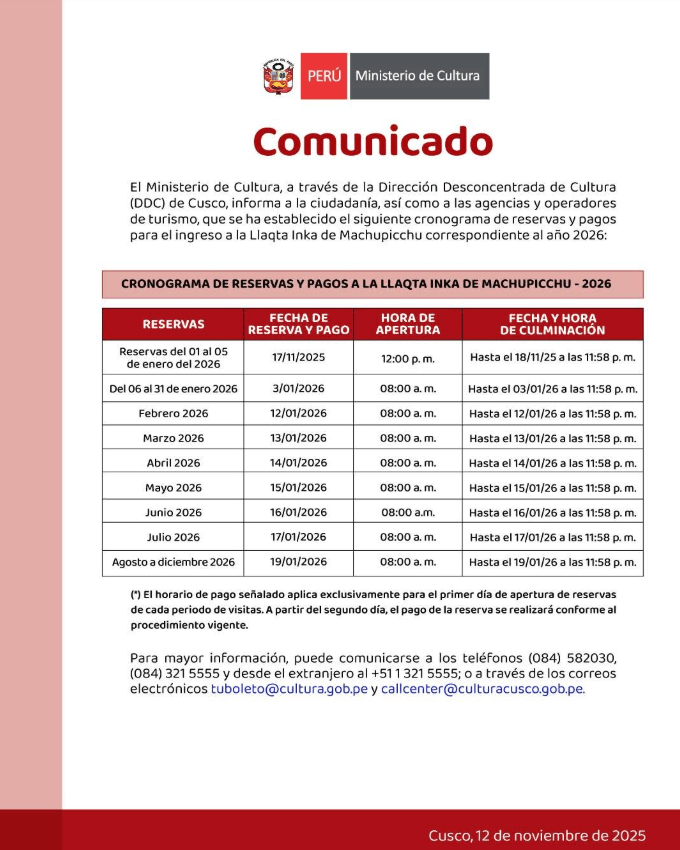
Now, tickets for the next year tend to be released in batches, starting in mid-November. For 2026, this is the graphic of release dates they put up on their Facebook page, so tickets were all released by the third week of January, so that should give you an idea of when to start looking.
And seriously, don’t underestimate how quickly these tickets go.
Looking in mid February, all the tickets for the most popular circuit (Circuit 2) were booked until June. So, act quickly.
Now in terms of when to go, do know that…
3. The main seasons in Machu Picchu are divided into rainy and dry season
Both of these seasons have their pros and cons.
Generally, rainy season is from November to April-ish, and while a bit moodier in terms of weather, you’ll be fighting with fewer crowds.
And dry season is considered May-ish to October, with better weather but heavy crowds that hit their peak from June to August.
(I say ish because obviously this varies year by year)
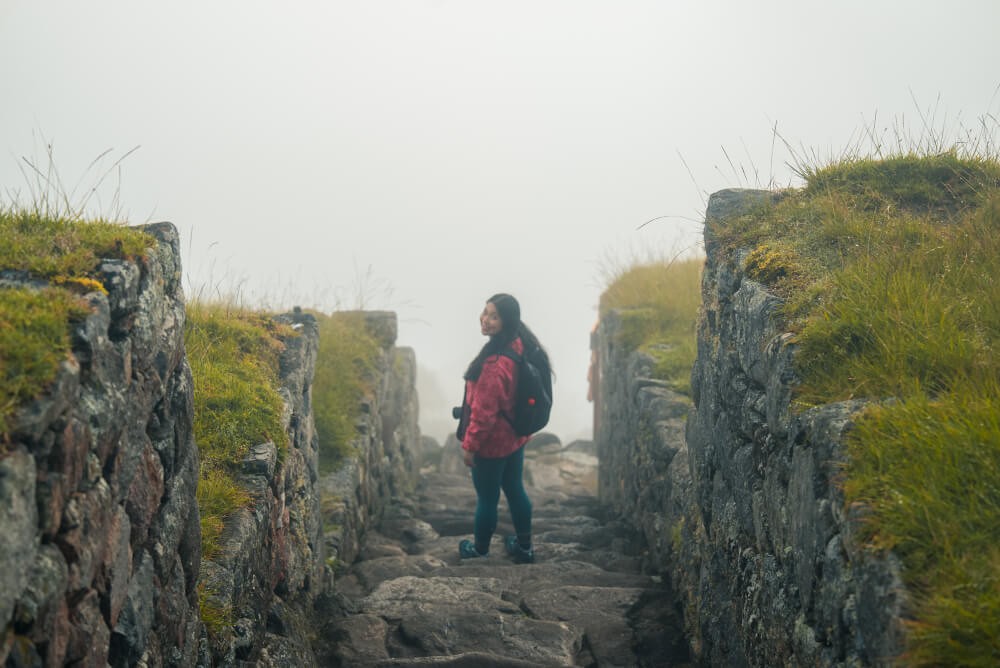
Now, I visited in mid-April and again in the 3rd week of April, and would highly recommend it. Sure, you’re still coming out of rainy season a bit, but the relatively fewer crowds and bright green foliage all around mixed with the occasional misty downpour was honestly magical.
I also had a weirdly short wait time for tickets in-person in Aguas Calientes, which I’ll chat about later in the tickets section of this guide.
4. Consider staying in Ollantaytambo or Aguas Calientes
Next, accommodation! Again, I wouldn’t advise doing Machu Picchu as a day trip from Cusco. It’s such a long day and I promise the experience will feel WAY more magical if you give it some time to breathe.
This is why I’d recommend you stay overnight in Ollantaytambo or Aguas Calientes.
To me, the hours saved are well worth it, and from an altitude sickness standpoint, staying in the Sacred Valley or Aguas Calientes is easier to adjust to for most visitors, since (fun fact) Cusco is actually at a higher elevation.
NOTE: If you have to get last minute tickets from the Ministry of Culture, I’d recommend staying in Aguas Calientes, rather than Ollantaytambo. While AC is generally more expensive, the trains between AC and Ollantaytambo are about $80 USD each way minimum per person, which cancels out your savings if you have to do the train journey multiple times to a) buy the tickets and b) actually visit the Citadel the next day.
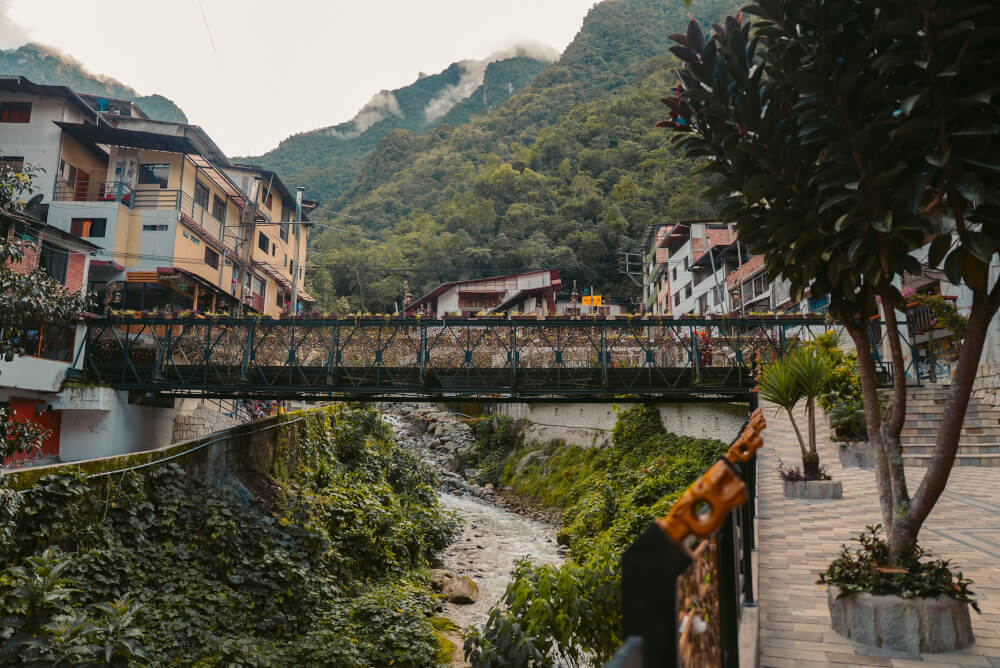
And I know lots of people hate on AC, but I really enjoyed my time there! Most day trippers only have time to quickly peruse the main centre which is full of souvenir shops and overpriced eats, but those staying overnight can go deeper and take advantage of the peace found here in the early mornings and evenings.
Not only is there some gorgeous public art (and a lovely statue of Paddington!), there’s also nice walks, attractions like a butterfly conservatory and museum, as well as some tasty though admittedly pricier restaurants to enjoy.
We stayed three nights at the Casa Andina Standard which was right along the river, so the views all around were incredible, as was the breakfast buffet. I can definitely recommend staying there!
Speaking of stunning views, though, if money is no object, I do have to inform you that…
5. Yes, you CAN sleep at Machu Picchu (or steps away from it, at least)
So, if you are looking for a truly once in a lifetime stay, be sure to look into booking a room at the Sanctuary Lodge.
This is the ONLY hotel located next to Machu Picchu, meaning you can fall asleep with stunning mountain views and literally roll out of bed and be at the citadel entrance in two minutes flat.
All rates are full board, which means meals and drinks are included, as well as tons of fun activities like bird watching and local spirit tasting. I stayed here for a night, and wow – the fact that I could wake up and just be there? Unreal. I even had a chance to run back and change between routes, which was ideal given the rapidly changing weather!
All to say: this is an unforgettable experience… though I regret to inform you that this kind of experience does come at a steep price. You’ve been warned.

6. Familiarize yourself with Machu Picchu and Inca history before you go
There is pretty much no informative signage on-site, which can be an issue since the entire site is composed of ruins… ruins that, without any context or help, can be tough to understand.
Many visitors choose to hire a guide to fill in these blanks. This can be a good option, but if you want to explore at your own pace, and leave time to wait out any changes in weather, then you can go into full nerd mode and simply do some research & reading in advance. This way, you have some idea of what you’re seeing.
One book I can really recommend is Turn Right at Machu Picchu, a travel memoir by a writer who takes it upon himself to retrace the 1911 Hiram Bingham expedition that brought the ruins of Machu Picchu to a global stage. Overall it’s a really fun and informative read!
There are also a bunch of great documentary-style videos on YouTube.
BONUS TIP: When you’re on-site, don’t forget that you can take a photo and use Google image search to get more information about the photo’s contents in just a few seconds. This came in handy whenever I had a cool stack of ruins I had no clue about, and wanted to know their significance.
7. Tickets are bought for set circuits & routes, so choose wisely
Now, let’s chat tickets.
This is by far one of the most complicated aspects of planning your trip, and I will be showing you step by step how to buy these tickets, but first: a few must-knows, starting with the fact that one of the biggest mistakes people make is assuming Machu Picchu is a single attraction with a single entrance ticket.
… It’s not.
These days, Machu Picchu operates on a timed entry + fixed route system. So, when you go to buy tickets on the official website, you are going to see that tickets are now divided into circuits, and each circuit contains specific routes (AKA rutas).
Think of it like this:
- The Circuit (or Circuito) refers to the general area you have access to, but
- The Route (or Ruta) refers to the exact path you must follow
There are 10 ruta options to choose from in high season, which means:
- You must choose a specific route
- You must enter at your assigned time
- Once you’re inside, you can’t freely wander around
There’s no doubling back and they do control which areas you can access based on your chosen circuit, so choosing the right ticket upfront is crucial.
To break things down simply, these are the circuits, starting with…
Circuit 1
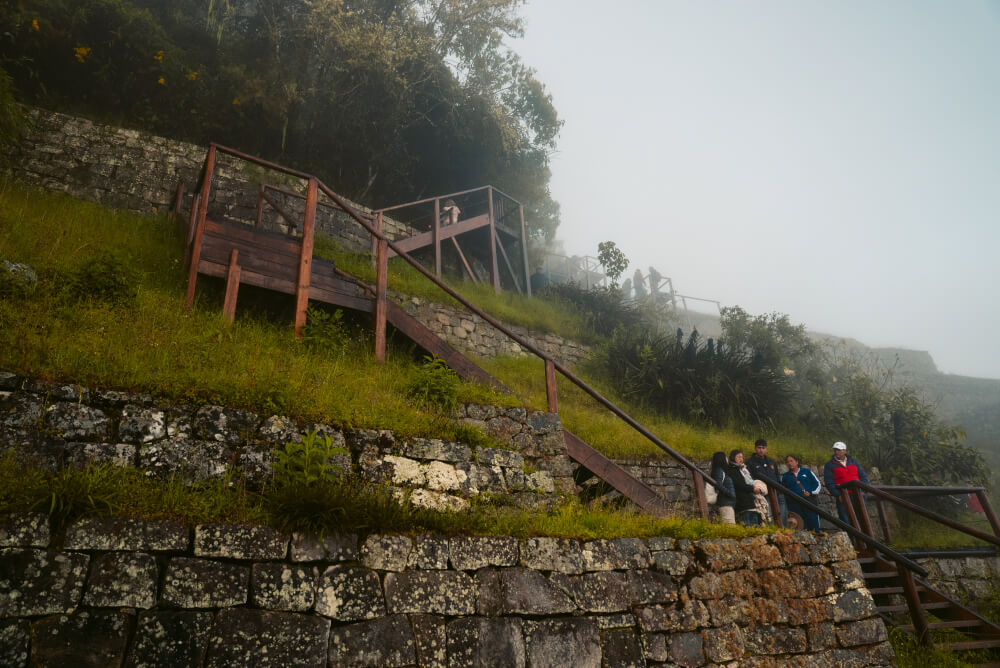
This circuit is all about views from above. Here, you get some iconic postcard viewpoints, but do not get to walk among the ruins at all.
Within Circuit 1, your route options year-round are…
- Ruta 1A: Ruta Montaña Machupicchu, which allows you to climb up to access the viewpoint from the actual mountain known as Machu Picchu
- Ruta 1B: Ruta terraza superior, which is a classic postcard view that allows you to capture the full view of the citadel
There are two more options in High Season only:
- Ruta 1C: Ruta Portada Intipunku which allows you to walk over to the famous Sun Gate
- Ruta 1D: Ruta Puente Inka, which allows you to walk over the Inka Bridge.
For most first-time visitors, you’ll be wanting Ruta 1B, as this is the most classic postcard view and involves the least climbing. It’s also a relatively easy one to get because most people are clamouring for circuit 2… and you’re about to find out why!
Circuit 2
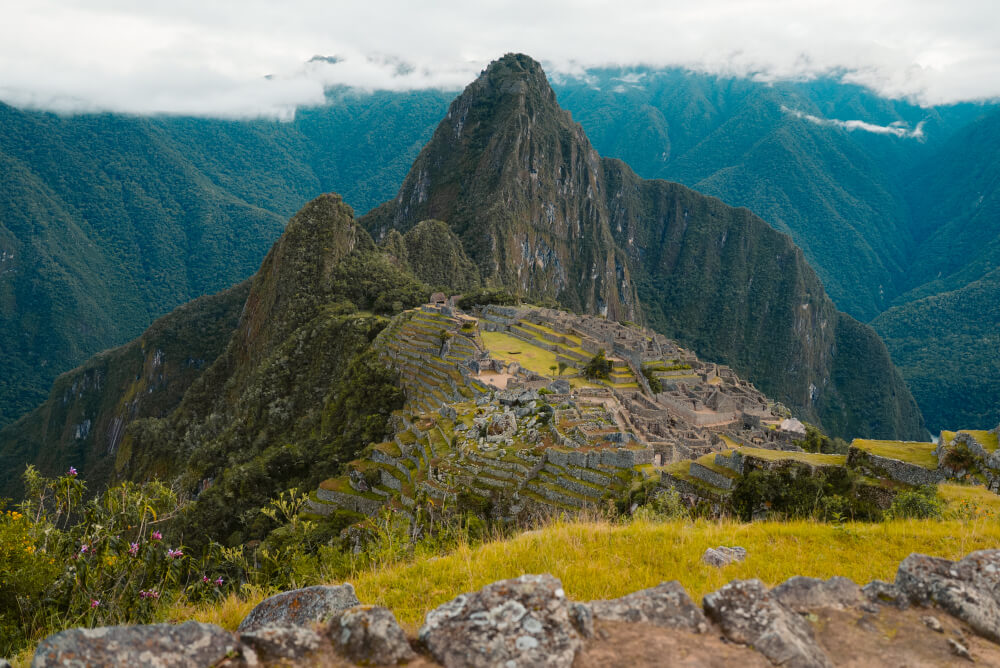
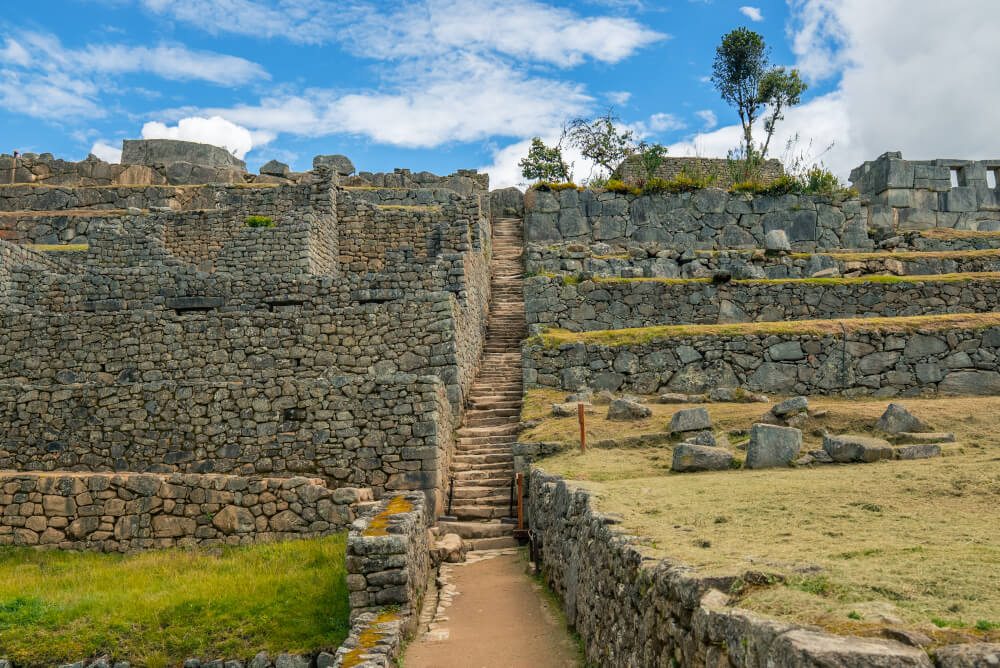
This circuit is widely considered to be the best option for first-time visitors, and is popular because you get a combination of both postcard viewpoints and a walk through the ruins.
Within Circuit 2, your route options are…
- Ruta 2A: Ruta Disenada
- Ruta 2B: Ruta Teraza Inferior
These are more or less the exact same, except 2B gives you access to a slightly higher terrace view as a bonus detour. We actually had 2A tickets but the guard on duty told us to just go up to 2B instead because the photo opps were better. In any case, they aren’t different enough to stress over.
I can definitely say one of these routes should be your pick if you’re only going to do one, but the downside is it can get very crowded, and requires advance planning because it’s just that popular.
Finally, there’s…
Circuit 3
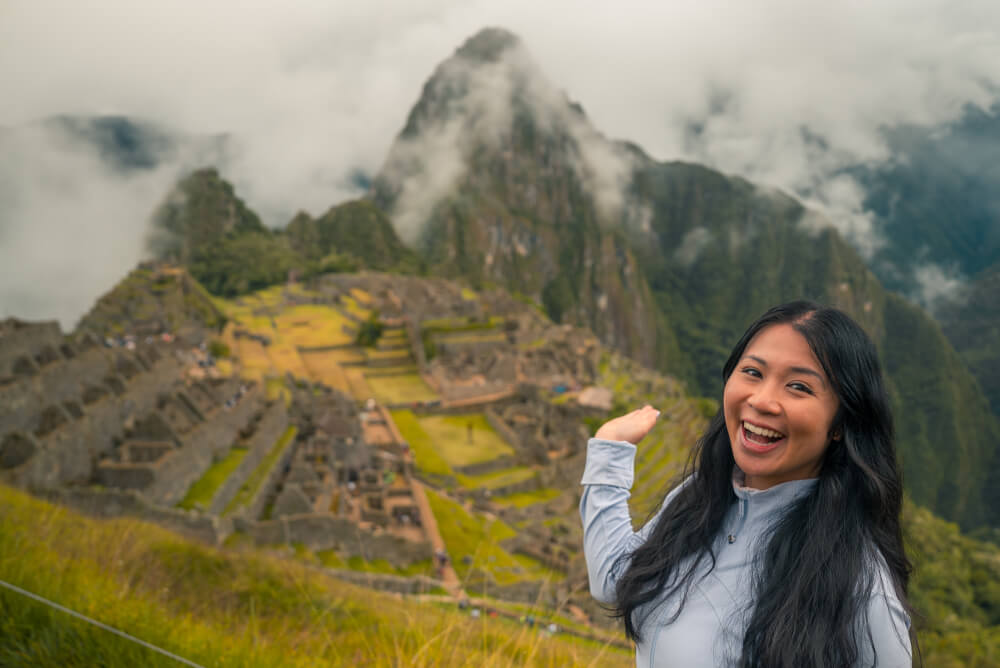
This one focuses on the lower section of Machu Picchu and is often bundled with add-ons like additional mountain hikes.
A big disclaimer here, though, is that with ALL Circuit 3 tickets, you will not have access to the classic Machu Picchu postcard view, which is a huge let-down for many people, so do keep this in mind.
Within Circuit 3, your route options are…
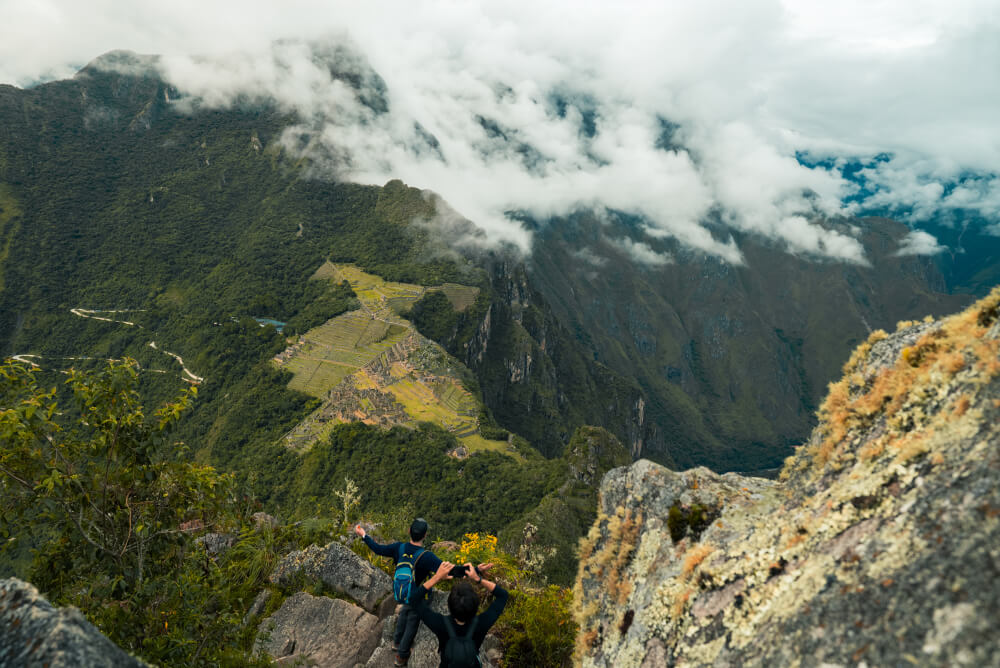
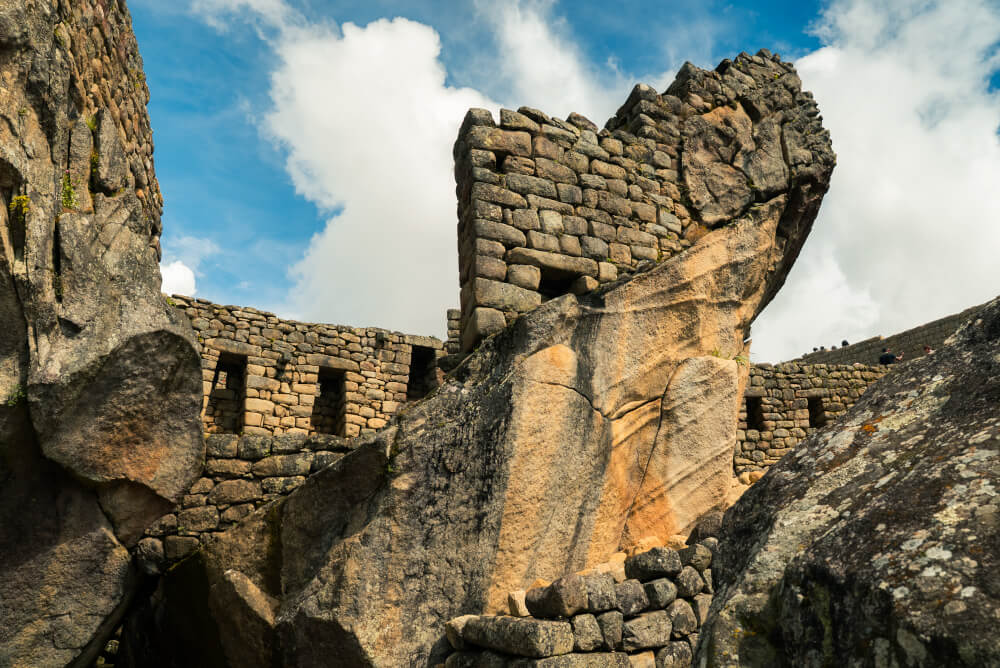
- Ruta 3A, which includes the very steep but rewarding hike up Waynapicchu mountain
- Ruta 3B: Ruta diseñada, which includes a thorough overview of the lower portion of the Citadel, with highlights like Temple of the Sun and the Intihuatana Stone
- Ruta 3C: Ruta Gran Caverna, which includes access to lesser known ruins like the Temple of the Moon
- And Ruta 3D: Ruta Huchuypicchu, which includes the hike up Huchuy Picchu mountain
NOTE: Parts of Ruta 3B are often billed as the most accessible route for visitors with limited mobility. However, based on feedback from amazing followers of mine on Instagram, I’ve been told that this route is more challenging than a lot of guides let on, with rough-hewn stone stairs, no guardrails or handholds in many places, packed dirt viewing platforms, and nowhere to sit apart from the wheelchair lookout.
So, do be aware that this route might still come with challenges, even if it’s billed as the accessible one.
Now, with all this circuit and route talk in mind, something that’s very important to know is that, yes…
8. You are allowed to buy tickets for multiple routes and circuits for the same day
On both of my visits, I actually did two routes in one day.
So long as the time slots do not overlap, you are 100% allowed to do this.
If you want to make the most of your time at Machu Picchu, I would even recommend doing this to create your ideal Machu Picchu experience; for instance, combining a Circuit 1 panoramic view with a Circuit 3 to see the ruins in-depth.
Okay, now let’s say you’re reading this guide late, and you’re panicking because tickets are sold out for your desired dates… Well, before you have a meltdown, do know…
9. You CAN buy tickets in person, but tickets are very limited in number
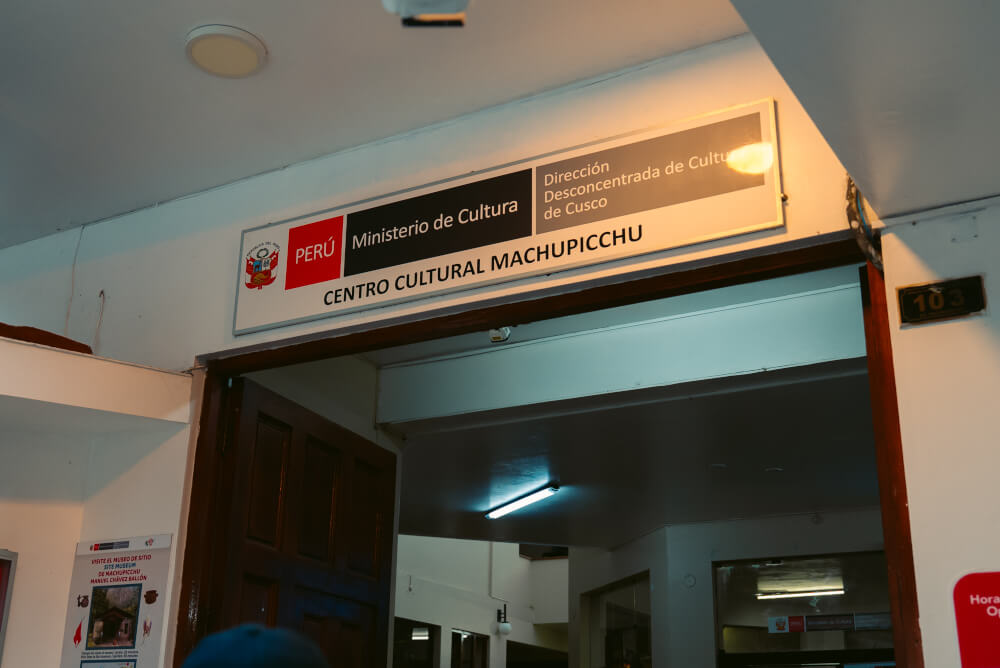
As I mentioned before, the Ministry of Culture of Peru sets aside 1000 tickets to sell the day BEFORE for any given day.
So, if you want tickets for May 10th let’s say, you have to buy your tickets on May 9th.
This means that if you are going for the last minute tickets, you’ll have to either make the journey to Aguas Calientes at least twice – once to buy the tickets and once to go up to Machu Picchu – or you’ll have to stay there overnight.
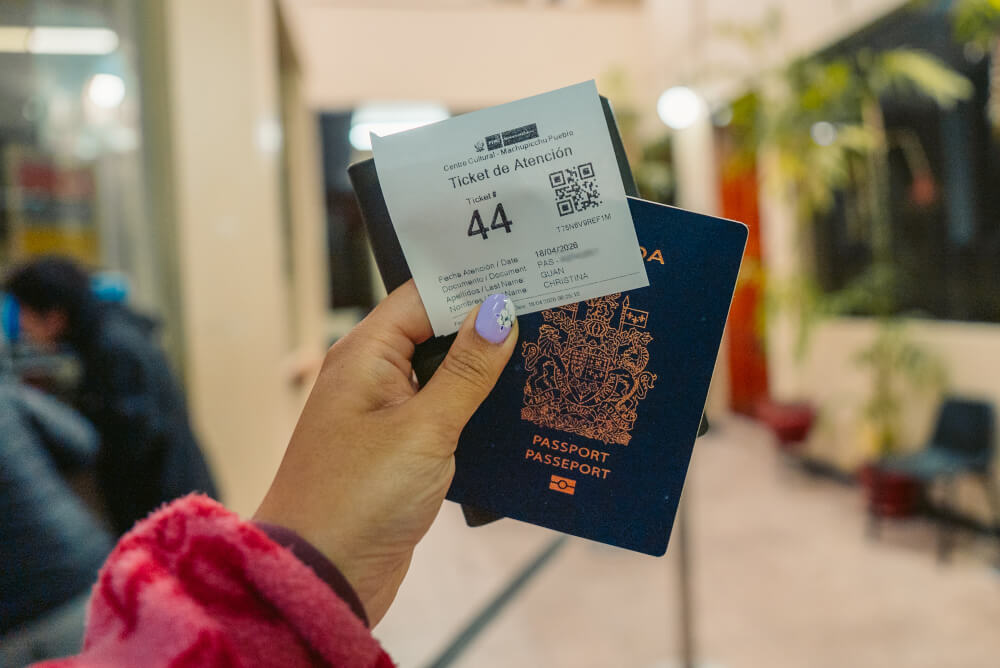
A very important note: Do disregard any advice you’ve seen about this in-person ticket process posted prior to August 2025, because they changed the process last summer to make it first-come first-serve, meaning you get in line, and then buy whatever tickets are available. Prior to this change, there was a confusing ticket number system where you’d have to come back and line up later in the day. This is no longer the case, as far as I know… although they have been known to reintroduce these ‘come back’ tickets on days that have irregularly high demand.
Now here’s a very helpful trick most people don’t know – you can actually look at the current availability of tickets on this website here. Meaning, leading up to your trip, you can kind of gauge how quickly tickets sell out, and therefore how early you need to get there.
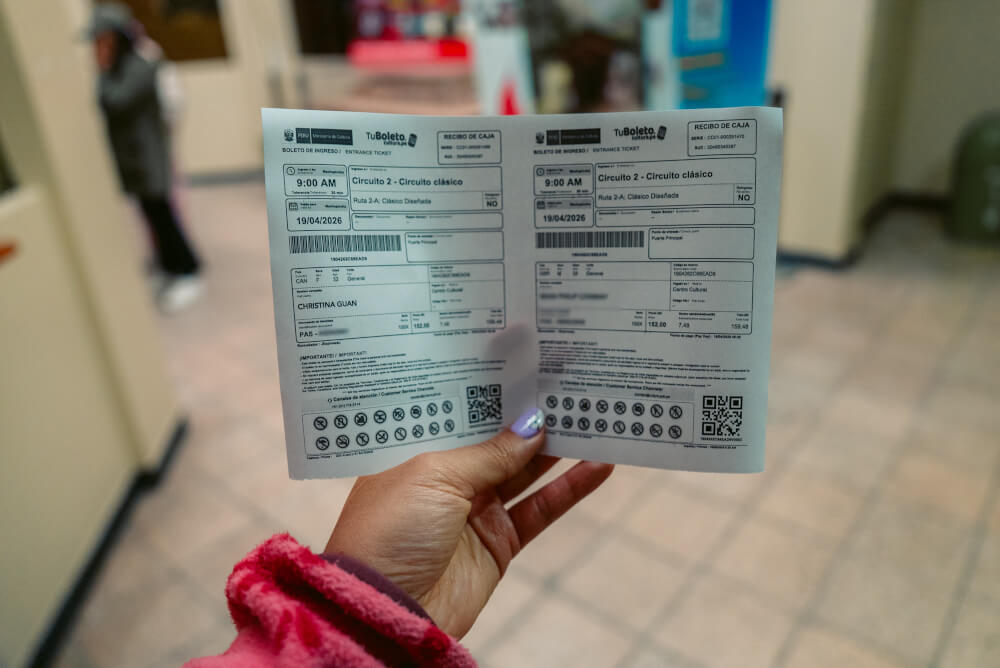
This was my experience on a Saturday in mid-April:
- I stayed overnight in AC, got to the line at 5:53 AM – with about 30 people ahead of us
- The line started to move quickly at 6 AM
- Had tickets in hand by 6:30 AM
- 12 PM: still 500+ tickets available, 227 left for Circuit 2A
Of course, timing and numbers will vary depending on when you visit. I was super lucky that it wasn’t very busy, but I have heard horror stories of the line-ups being super long by 7 AM so go as early as you possibly can. You just don’t really want to risk it for a once in a lifetime trip like this and if you stay in Aguas Calientes, which is my recommendation, then after you go get your tickets early in the morning, you can walk around town to enjoy it while it’s quiet… then go back and take a nap – which I did!
Again, I feel like I got very lucky with this – just a few weeks later, the first week of May, Redditors have reported that tickets are selling out by 10:30 AM and people are lining up starting from 8 PM the night before the 6 AM opening time of the office. Just goes to show how much time of year can impact these numbers, so always check that 1000 Boletos website leading up to your trip, and also check Reddit for up to date reports.
Now, important warning: for people who are desperate enough, they might seek out another option, which is to book with a third party tour agency to get last minute tickets. I would caution against this, and say…
10. Beware of using 3rd party sites to book last minute tickets that are sold out
Not only are these horrifically marked up (for instance, on the official website, the Circuito Clásico Ruta 2A is 152 Soles per person, just over $40 USD, when a tour would cost 4x that much)…
But you also have to be SO careful with tour companies promising too much, because here’s the truth: tour companies do not have any more access to tickets than the general public – they buy from the same pool as you would online, so if tickets for your desired Circuit and route are sold out, no tour company can magically access more.
And considering the fact that you NEED passport and name information to book tickets, they basically cannot buy your ticket until you give them your passport details… so realistically, the odds of them securing you a ticket for a sold out circuit last minute is not high.
This is why many companies seem to have either bad reviews from people saying they cancelled last minute or changed their booking to a different circuit last minute, OR the more legit ones actually say outright on their website that part of their tour includes bringing you to buy the tickets in person the day before… which I think is easy enough to do yourself without a guide. Save your money instead for more potatoes and pisco.
11. Opt for an earlier timeslot for a peaceful experience
The final consideration to keep in mind is when to book your timeslot for.
Trust me, you want to explore before the crowds (and heat) arrive, which is why I think the earlier the better.
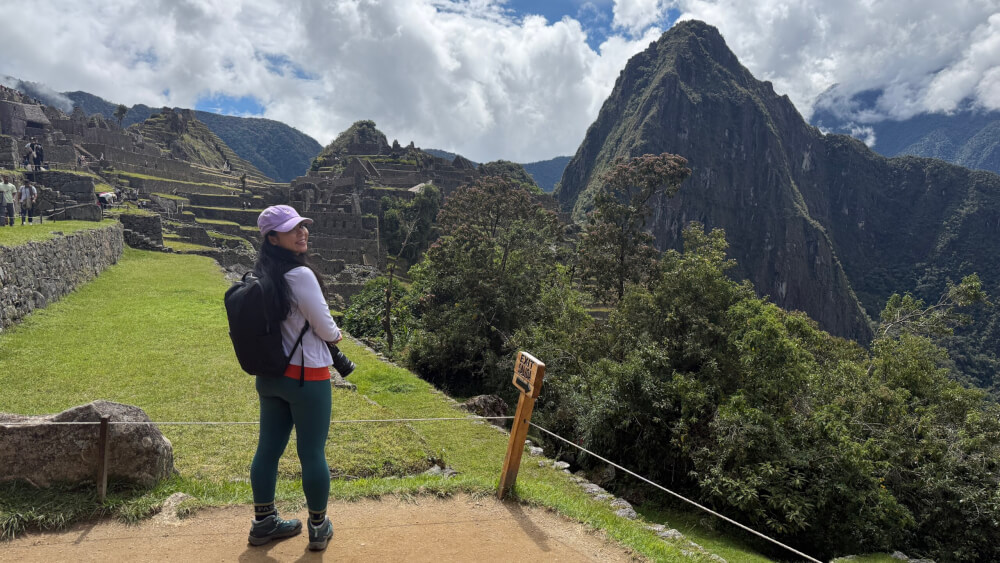
I’ve now done Circuit 1B twice at 6am, and have zero regrets. I’d do it again in a heartbeat. Yes, it’s a very early morning but being able to enjoy the views before the crowds arrive is just really a benefit that I can’t put into words.
And also, it’s worth noting that it can get really really warm up there because, of course, Machu Picchu was strategically placed to maximize sun exposure, which is not ideal for sightseeing when there’s zero shade to be found.
12. Learn the step by step process for buying tickets online
I’m gonna be real with you and say that every step of this process, for me, was fraught with difficulty! I don’t know if I was just stressed or hungry or what, but yes, the process was frustrating, so let me walk you through it…
NOTE: This ticket experience was March 2026, so your experience might be a little different depending on when you’re reading this.
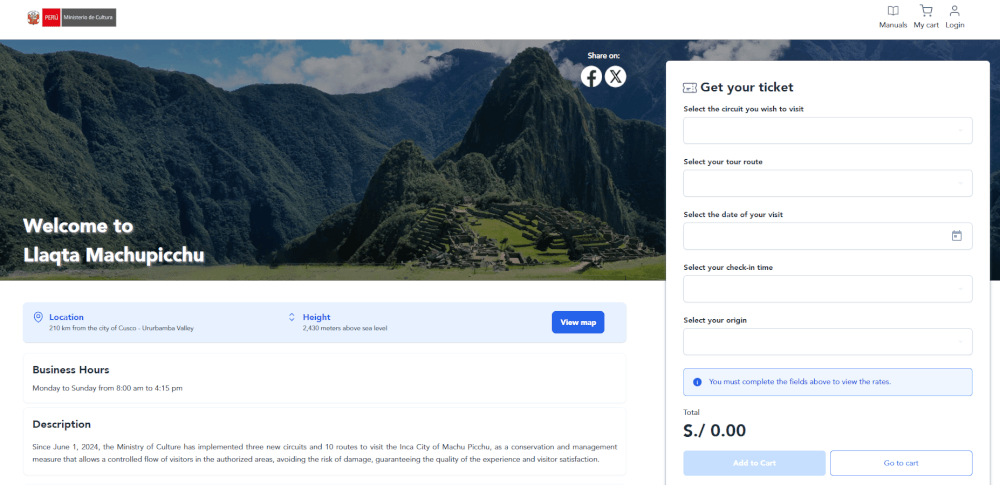
For starters, the first page you need to go to is the official website which is in Spanish. You can use Google Translate to help you through it, but take note that sometimes the auto translate makes the website glitchy, so if you encounter any issues, like you can’t click or type on certain boxes, then try turning the auto translate off.
Now, on the right hand side of the page is where you choose your desired Circuit, and then your desired Route, as well as the date and time, and where you’re from – Foreigner, Peruvian, CAN countries like Bolivia, Colombia, Ecuador or a Cusco resident.
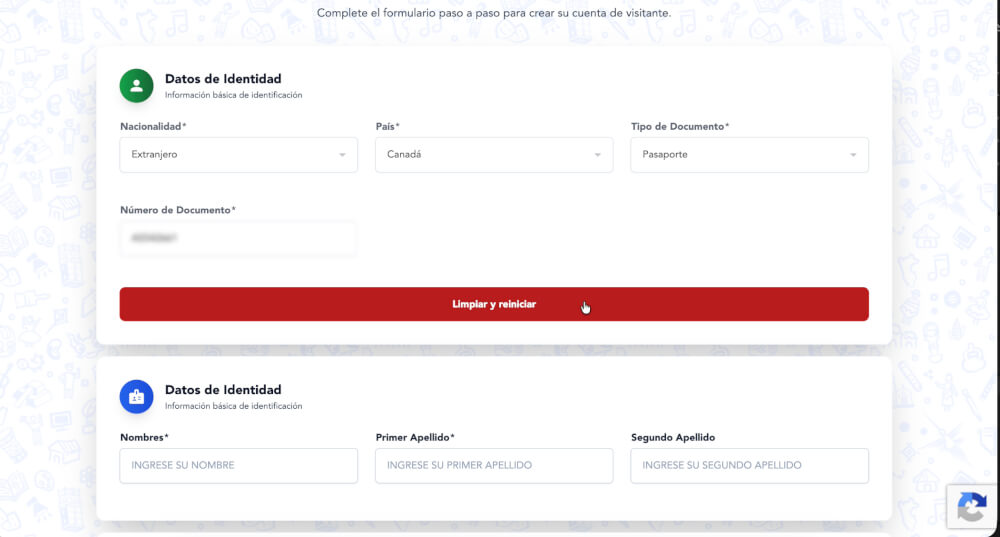
After you add the tickets to your cart you will be prompted to make an account.
NOTE: The first time I tried this, I kept getting an error message after I entered my passport info. I almost gave up, but after refreshing a few time and ignoring the error message, I was able to enter the rest of my details.
When making an account, beware that Nombre is first name and Appellido is last name. “Primer appellido” and “segundo appelido” refer to “first surname” and “second surname”. This is because in many Latin American countries, culturally, many people have two surnames – one from each parent! If you’re boring like me and only have one, then just enter that under “Primer appelido”.
After you get your account you can then make your reservation and then enter your passport info.
Triple check everything because they do check your documents before letting you enter, and again, beware of the first and last name thing as you can’t edit this later.
BONUS TIP: If you have issues with the form like me, just click around until you can type again. Like I said, this website is wildly glitchy – sometimes it’ll give a random error and make the form freeze, but if you click around until the typing cursor comes back, then you should be good!

BEWARE though – it is not enough to just make your reservation, you need to also pay for it before the date/time as listed in your confirmation.

After payment is made and your booking confirmed, you should be able to download your tickets. It took a while for mine to become downloadable (more website troubles!), but eventually I was able to screenshot them in time for my visit.
Wheee!!
13. Bus tickets for the citadel don’t need to be booked far in advance
Now after you’ve conquered the frustrating entry ticket process, don’t forget: you also need to buy tickets for the bus up to the citadel….. unless you plan to beast it and hike up.
Luckily, this process is very straightforward because you don’t have to buy tickets for a specific time slot, just for the day. They basically just send the first bus up at 5:30 AM and then have a constant stream of buses that they fill and send off on their merry way. So, as long as you buy a ticket for a specific day, it’s valid for any time, any journey that day. Be sure to buy them online from the official website here to avoid getting overcharged by 3rd parties.
NOTE: The bus is pretty pricey, about $12 USD one-way when I went, but honestly, that is the only option for getting up there apart from hiking, which I would personally not recommend just because the actual walking around Machu Picchu is surprisingly physical, so you don’t want to pre-exhaust yourself before you even get inside.
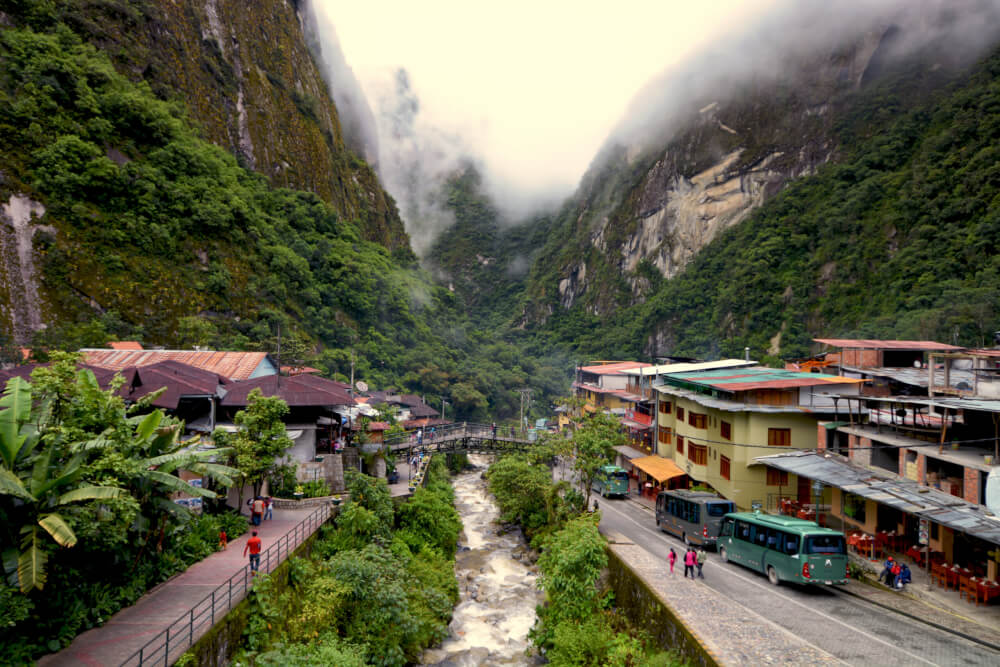
14. Consider hiking down
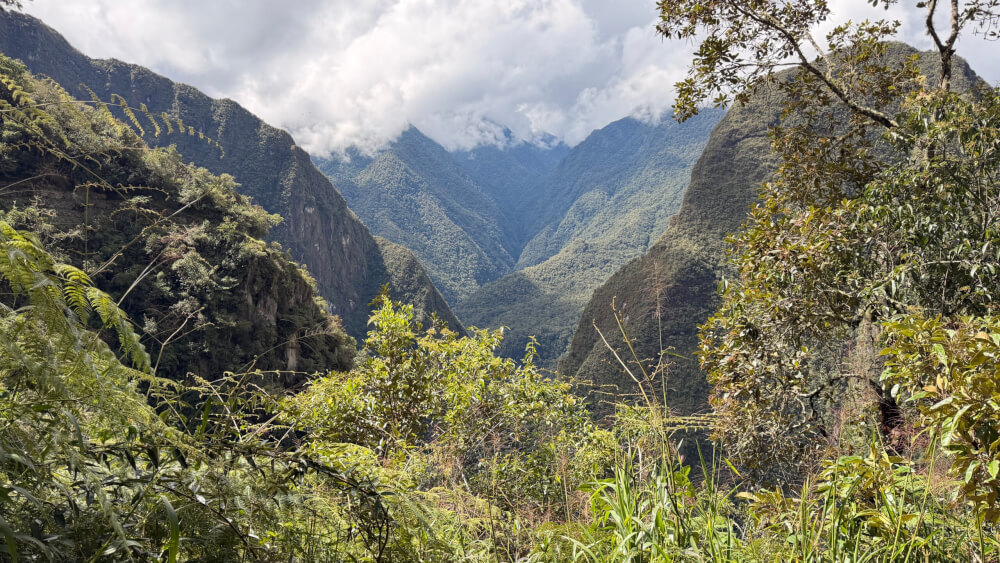
If you want the best of both worlds, what I actually ended up doing was I took the bus up and then I hiked down, which was all-in-all about an hour from the top of Machu Picchu to the bottom, and then an extra 20 to 30 minutes to get to Aguas Calientes.
And you know what? It’s actually quite a pleasant walk!
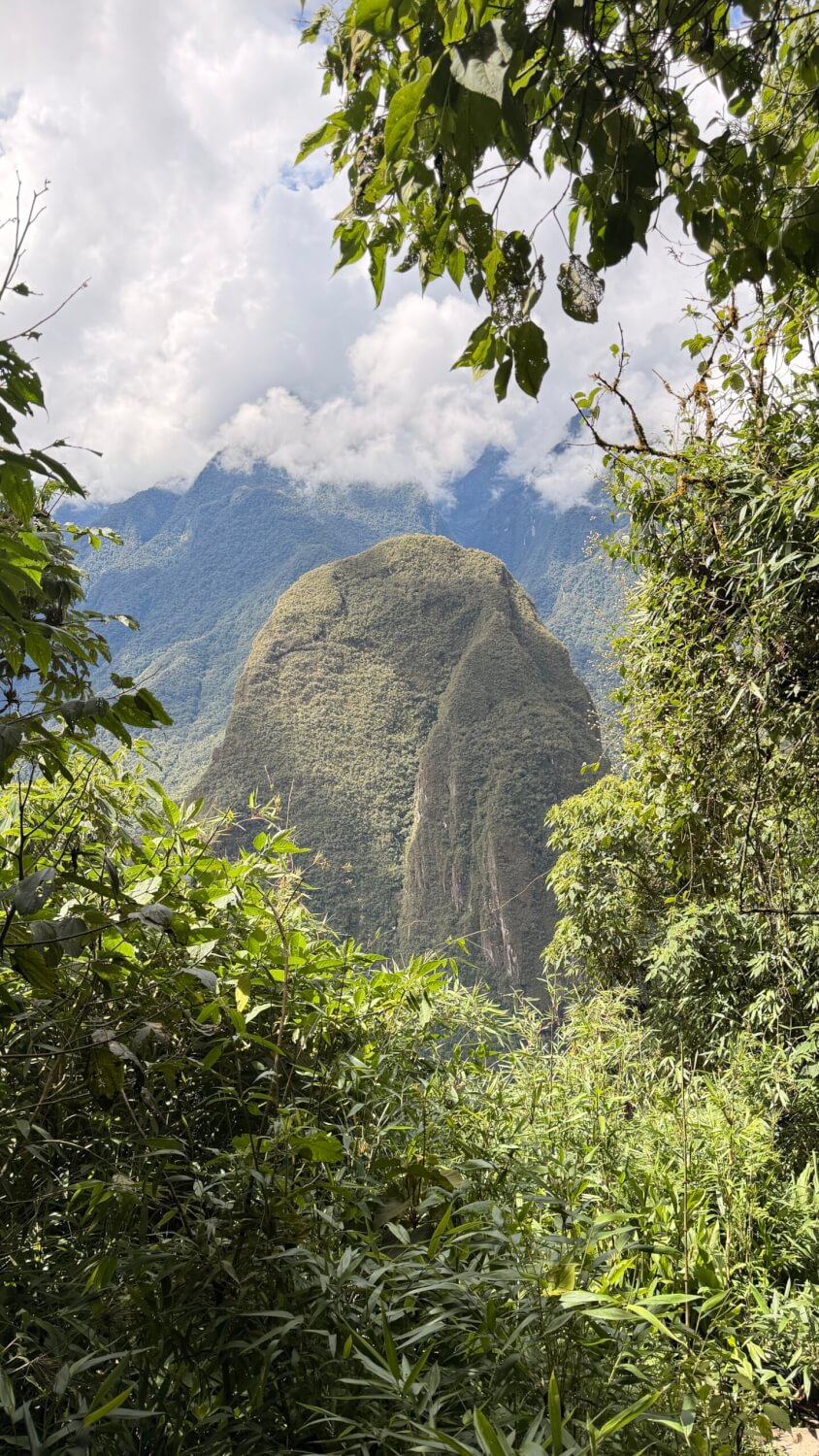
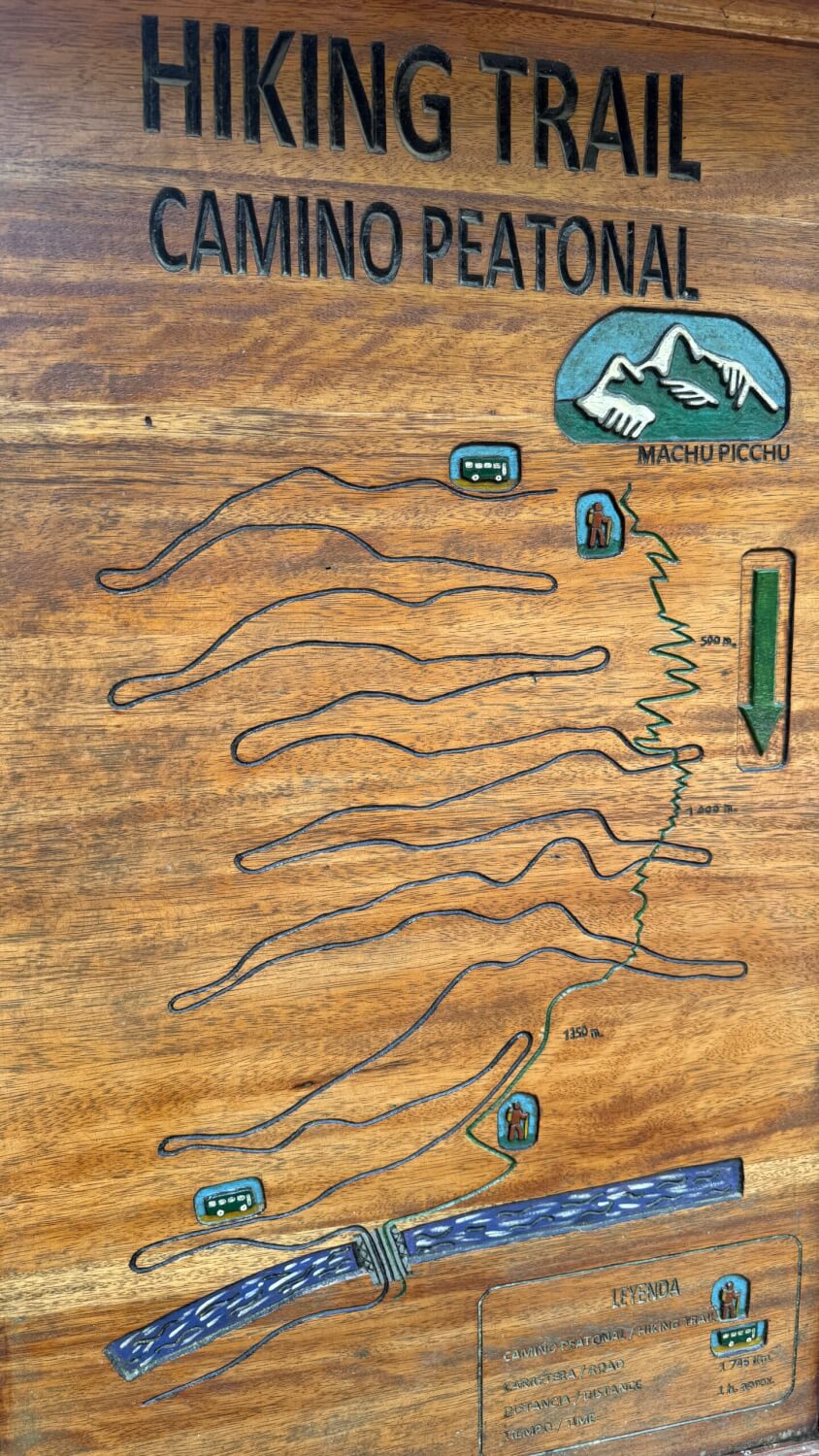
A lot of people say, “Oh, you don’t actually see any views or anything when you’re walking down” but I beg to differ. I thought there were some lovely views throughout, and it’s shaded, so if you visit on a surprisingly hot day, like me, it’s actually quite a relief to be hiking down in the shade.
And if you do things this way, then you don’t have to worry about waiting ages in line to catch a bus down, which can happen when it gets busy. There’s also the bonus of saving a bit of cash as well!
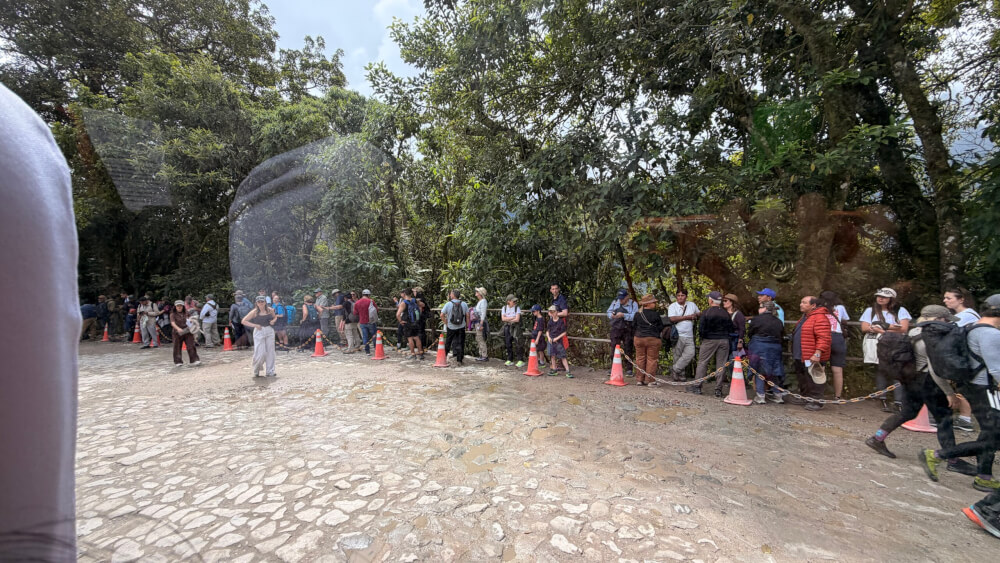
Do be aware, though, that the hiking trail is basically all stairs, so if you don’t have steady footwear, then you should probably avoid it. And do also be aware that it does kind of intersect with the road at certain parts, so you have to be careful to not get run over.
12. There are two companies who run trains to Aguas Calientes
Alright, now let’s chat transport options for getting TO Aguas Calientes.
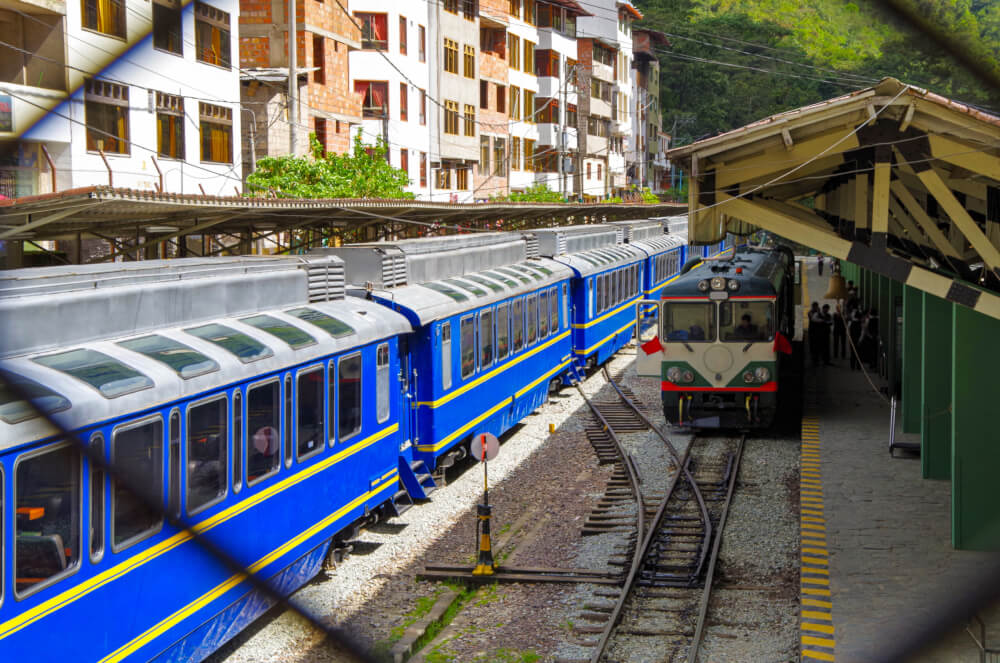
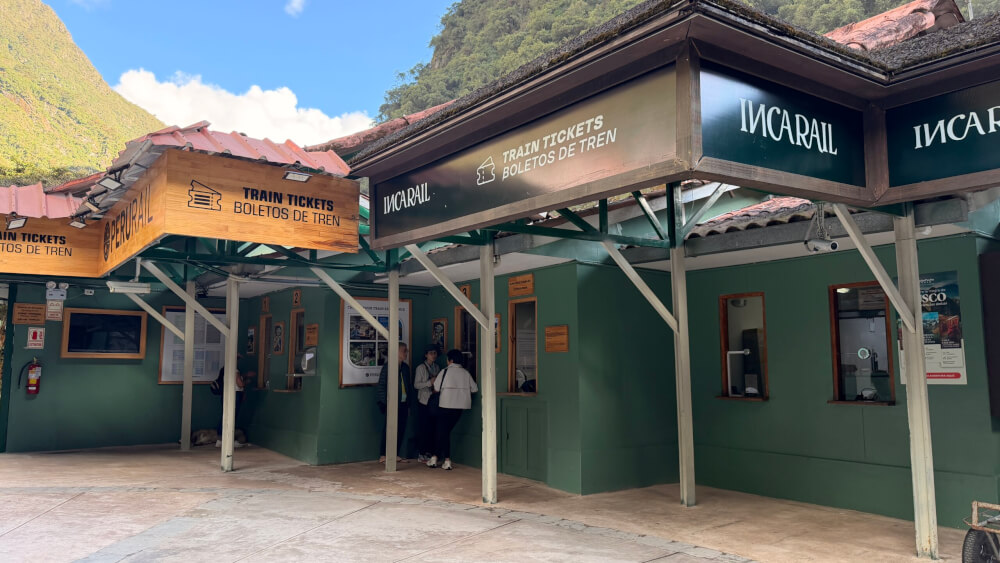
When it comes to catching the train, the two companies servicing this route are PeruRail and IncaRail.
Honestly, the service they offer is very similar and they’re both quite expensive, so it’s not like one is objectively better than the other.
So, if you are just looking for a mode of transport from Point A to Point B, I would just choose based on which departure times work better with your schedule, or which one has a better price. Do note that with both companies, you do save 5% if you book roundtrip rather than one way.
I desperately wanted to test both for the sake of this guide, but ultimately, with the departure times, taking PeruRail each way just made sense for me. In any case, I did see a lot of the IncaRail facilities and trains just while waiting around, so I can give you a bit of insight.
13. Pay attention to the fine print when it comes to trains
Some things to note include…
- The departure station, because trains DO leave from different stations in Cusco – Wanchaq and San Pedro being the only two IN central Cusco, and Poroy being 20 minutes away
- The transport mode, so whether it’s a train the whole way through or what they call bi-modal, meaning a combination of Bus + Train
- The class, which dictates which carriage on the train you’ll be sitting in
- The fare, which dictates what is included with your ticket (e.g. just transport, or also tours and Machu Picchu entry tickets)
As far as I could tell while researching different dates, IncaRail seems to ONLY offer the bi-modal option, whereas during peak season, from May to September, PeruRail offers direct train options from San Pedro station in central Cusco, and Poroy station which is about 20 minutes away from central Cusco.
Also pay attention to the fine print – I noticed that some entertainment options are only available in one direction, let’s say, only from Machu Picchu to Cusco or vice versa, so if you have your heart set on any particular perk, double check that it takes place on the route you’ve chosen.

14. Learn the differences between different Machu Picchu train classes/fares
As I said before, PeruRail and IncaRail offer a very similar service, so if you’re not picky, then price/timing can help you decide.
If, however, you are a shameless train enthusiast like me, andddd you see the train as part of your overall experience, then there ARE several differences in terms of classes, fares, and departure points to be mindful of.
So, from cheapest to most expensive, PeruRail offers the following services to and from Machu Picchu:
- Expedition: Which starts at 89 USD one way in peak season, and is the most minimal service they offer, with no snacks or entertainment included.
- VistaDome: Which starts at 130 USD one way, has slightly bigger windows, and some snacks and entertainment included.
- VistaDome Observatory: Which starts at 170 USD one way and has big windows and on-board snacks and entertainment, as well as access to the observatory car, which is partially open-air and just offers a really cool perspective for photography, as well as live music. For our journey we were limited in how long we could be in here, though, because we had to split the time with another carriage full of people.
- Finally, the very swanky Hiram Bingham, a Belmond Train: Bookable through the Belmond website, which starts at 630 USD and includes all sorts of fancy stuff like a gourmet meal, bar cart, a VIP lounge, and even cocktails at the Sanctuary Lodge at the end.
Having taken both the Expedition and VistaDome Observatory, I can say the Expedition Class is totally fine – the seats are comfy, and honestly, if you want a low key trip where you’re not bombarded with interruptions, I’d even say this is the better choice. I took this one at night and it was so peaceful.
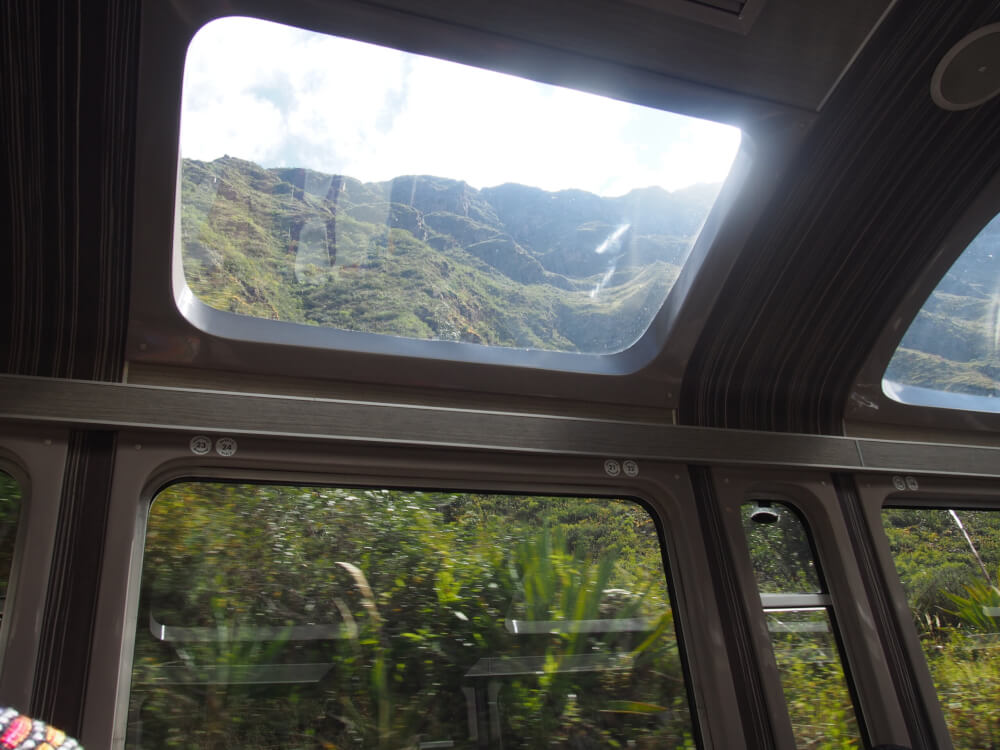
The VistaDome Observatory, though, IS worth it in my opinion, if you want that unique open air perspective at the end of the train – it’s honestly such a thrill and the live music is great too. The other entertainment like the baby alpaca wool fashion show are just fine.
Now, let’s do IncaRail!
From cheapest to most expensive, IncaRail offers the following services to and from Machu Picchu:
- The Voyager: Which starts at 89 USD one way, and is the most minimal service they offer, with no snacks or entertainment included.
- The 360: Which starts at 135 USD one way, and includes live music, and an open-air observatory car in the middle of the train for photos and cool views.
- The Prime: Which starts at 153 USD one way, and includes a complimentary tasting of local snacks, live music, and nicer seats.
- The First Class: Which starts at 380 USD one way, and includes a 3 course gourmet menu, a lounge and bar cart, entertainment plus an open air balcony.
- And the Private: Which is so expensive that you have to inquire via Whatsapp to find out the price, but is a private carriage just for you and your party so you can probably guess the price range for that.
All IncaRail trains have different fares you can buy as well, which basically dictates what’s included in your ticket. The most basic one is just the ticket for the journey, but you can add on a Plus package which then gives you the bus up to Machu Picchu as well as a guide, or the all-inclusive package which includes those perks as well as your actual Machu Picchu ticket too.
Now, if you are planning on just taking the train from Ollantaytambo, then you should know…
15. Consider getting a taxi straight from Cusco Airport to Ollantaytambo
This again allows you to bypass Cusco’s high altitude, which might make for an easier adjustment.
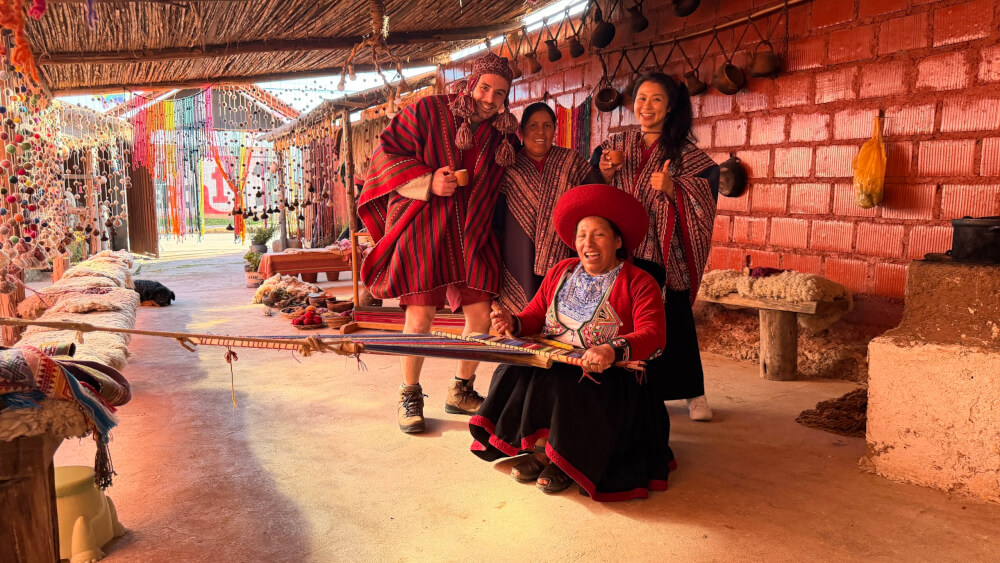
I booked my transfer through Taxidatum and it was super smooth – the whole ride was only $35 USD, which I thought was very reasonable since it’s like a 2 hour journey, and our driver was awesome. We even stopped at a fun wool cooperative to meet some llamas and alpacas and learn about local textiles.
DM me on Instagram if you want his Whatsapp info.
An even more budget-friendly alternative is catching a shared shuttle or collectivo from Cusco for less than 20 soles per person, but I really didn’t mind paying extra for a private transfer straight from the airport.
Now if you aren’t taking the train, and you want to opt for walking to Machu Picchu then you should know…
16. There are several hikes you can do to reach Machu Picchu
A big mistake first timers make is they think the Inca Trail is the only way, but it isn’t.
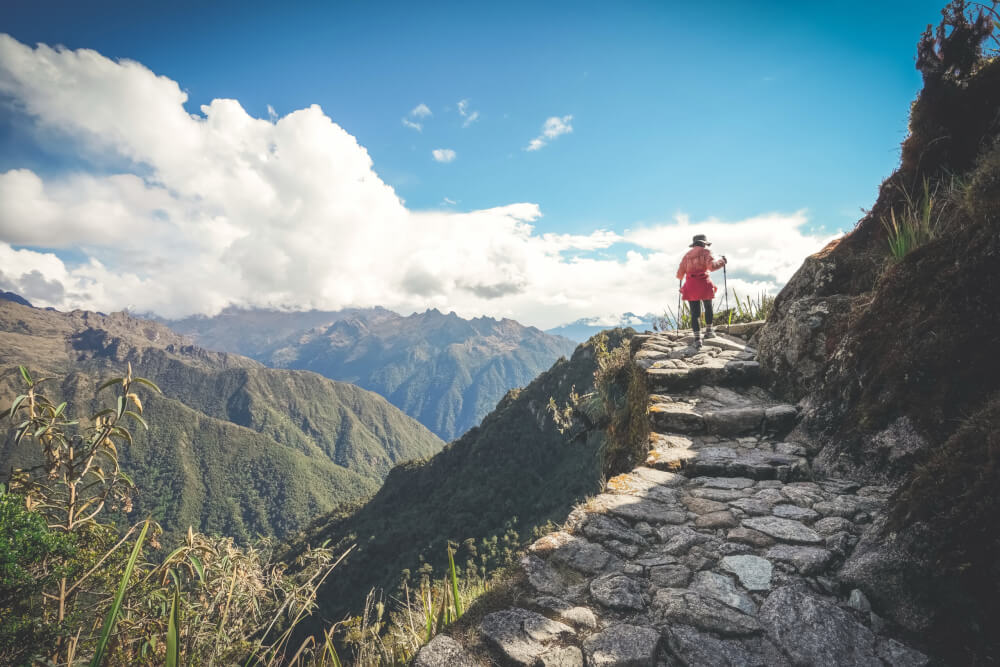
If you want to do the Inca Trail, the classic route is 4 days / 3 nights, roughly 42km passing through various Inca ruins, and ending at the Sun Gate (Inti Punku).
It’s one of the most famous hikes in the world… and for good reason, but it’s also tightly controlled. You must book the Inca Trail with a licensed tour operator (and can’t do it independently). You also need to plan a lot farther in advance, as only 500 permits are issued per day which includes hikers and porters/support staff.
Unlike regular Machu Picchu tickets, there are no last minute permits available for the Inca Trail. There are, however, alternatives to the Inca trail that aren’t as tightly controlled so may be better for last minute planners.
The most popular is the Salkantay Trek, which I’ve heard is incredible and takes 4-5 days and 74km, but stops at some incredible spots along the way.
There’s also the Lares Trek, which is about 33km and supposedly a nice hike but doesn’t get you TO Machu Picchu on foot – you still need to take additional transport for the last bit.
And I will also note a lesser known third option, though, that incorporates a bit of walking but, more importantly, saves you a lot of money, and that’s walking to Aquas Calientes from Hydroelectrica.
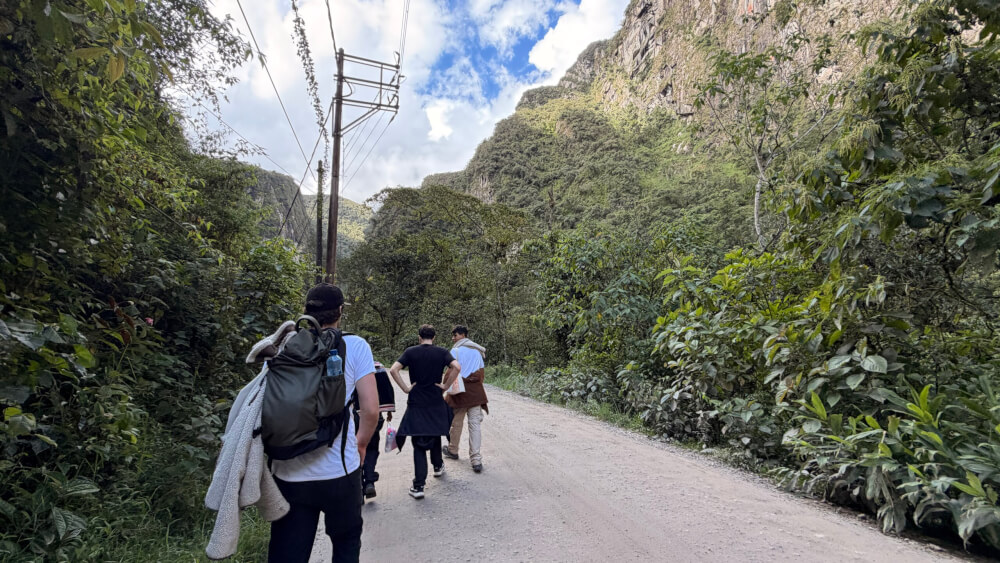
This is often the option chosen by budget travellers because the journey from Cusco to Hydroelectrica is quite affordable, usually around 40 soles or $11 USD in a shared collectivo van, then from Hidroelectrica to Aguas Calientes it’s a 2-ish hour walk. This allows you to bypass the pricey train journey and get a bit of a hike in as well, though do know this area is prone to mudslides, so do weigh out the pros and cons.
17. Pack as light as you can – luggage restrictions apply for all trains
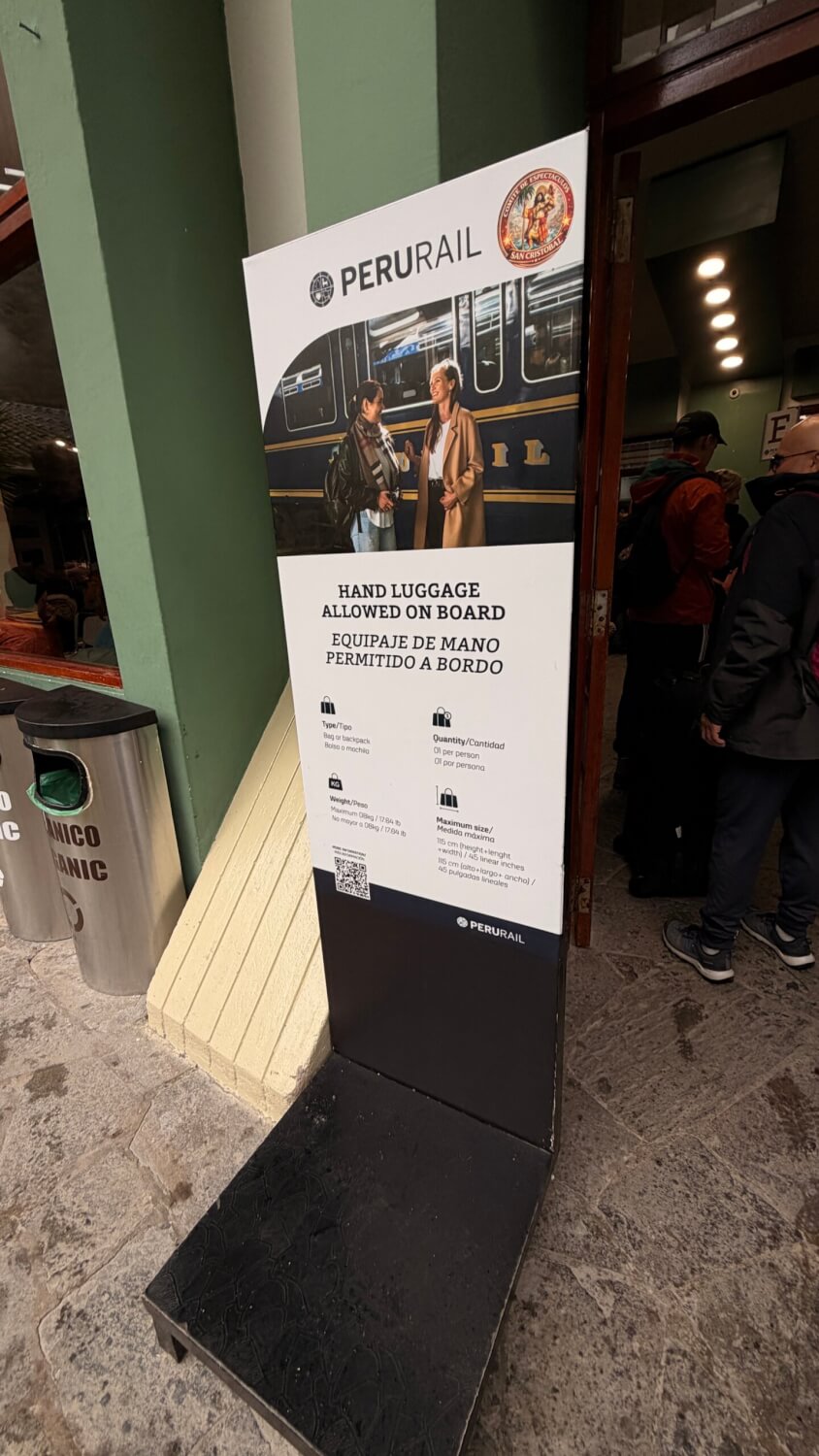
Yes, even the eye gougingly expensive Hiram Bingham train limits you to an 8 kilogram carry-on… so, pack light, and research limits before you go.
Granted, on PeruRail I did not observe them being too strict about bags – there was zero weighing of bags or anything from what I could see, and most people had a personal item in addition to their carry-ons, but you definitely don’t want to be too bold with trying to bend the rules, especially in peak season when there’s no room.
With PeruRail, I noticed there were always luggage racks at the end of the train, and also space between any seats that were back to back, and under seats as well… though beware that most trains with panoramic windows have no overhead luggage space, so if you have an extra backpack or something, be prepared to have it at your feet!
18. Consider using left luggage facilities
Of course, you don’t need to force yourself to pack super light for your entire trip – there are several ways to get around the restrictive limits.
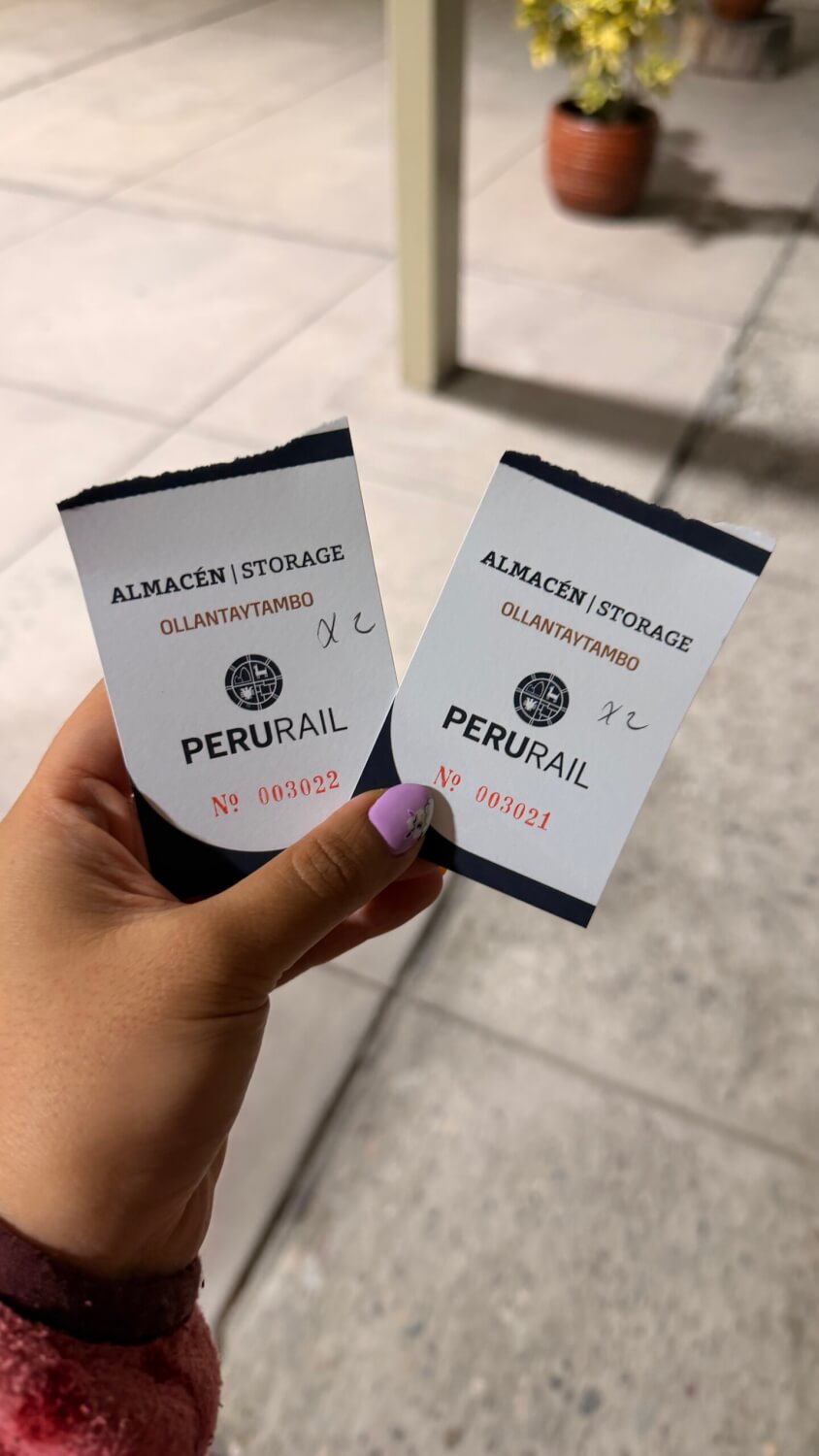
For instance, PeruRail offer an option to pay extra to bring a larger bag on board according to their website. They also have very secure left luggage facilities at their office in Ollantaytambo, which I used during one of my trips and it was super seamless!
IncaRail advertises that they have left luggage facilities as well, though I don’t see an option to pay for an oversized bag, so it’s possible they will be stricter.
But yes, failing these options, most hotels in Cusco or around the Sacred Valley are also happy to keep your bags for you as well.
In any case, I do think you should pack light for your trip to AC the best you can, because that tiny town has a lot of uphill and downhill, so you don’t want to be dragging around a giant suitcase anyway.
In terms of what to pack, I’d say…
19. Pack the comfiest shoes you can, along with lots of layers and gear for all weather
Even walking around Aguas Calientes requires a lot of uphill and downhill, so good shoes with grip are a must.
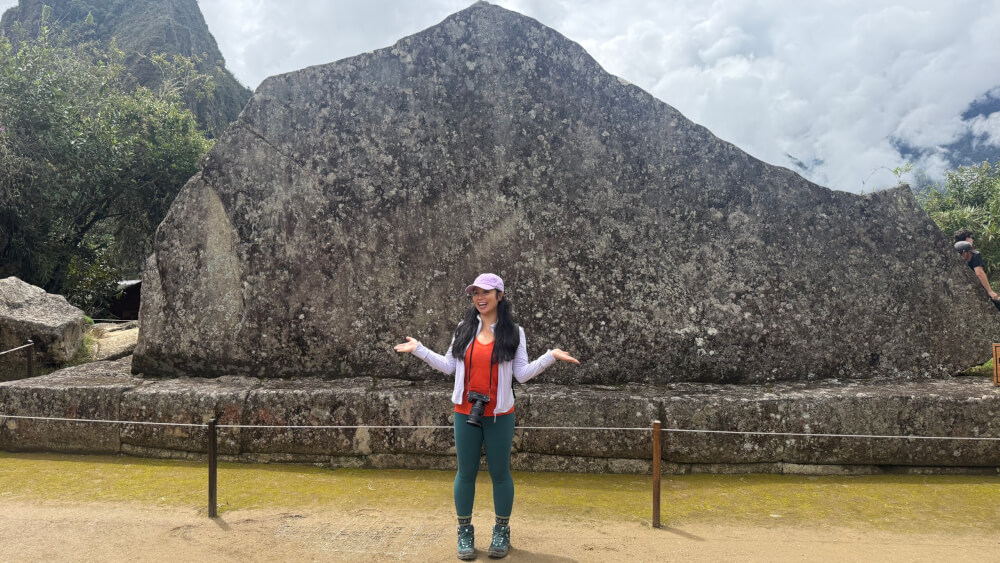
Weather is also very volatile, so I’m not joking when I say bring clothes for every type of weather, especially a rain jacket, sunscreen, and a breathable bottom layer in case the sun comes out and you get super hot… which you will, due to the many, many stairs. To keep things simple – just dress in a way that allows you to exercise… because that’s what walking uphill in altitude feels like!
Do not be one of the many sad people I saw sweating up a storm in thick ponchos and leather.
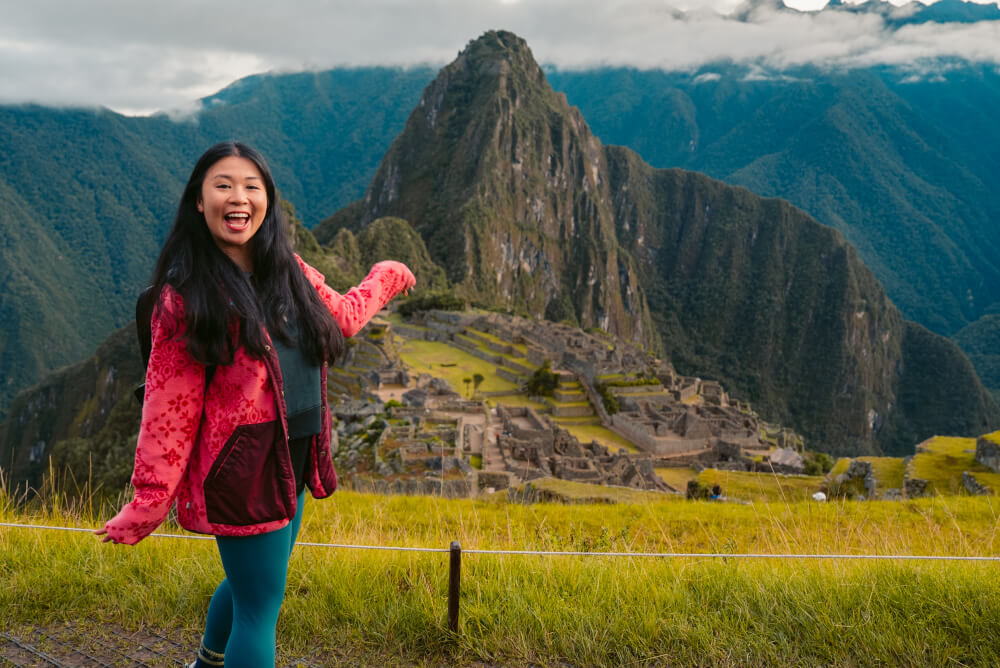
At the same time though, do remember that you will probably get many pictures while you’re up there, so keep cuteness in mind too. Here I am dressed like a cartoon character for instance:
In terms of food and snacks…
20. You can bring water and liquids, but officially you aren’t meant to bring food in
To be honest though, they didn’t check anybody’s bags and it looked like a lot of people did have their own snacks, so it’s worth maybe bringing a granola bar or two if you think you’re gonna get hungry, so long as you take any trash back out with you.
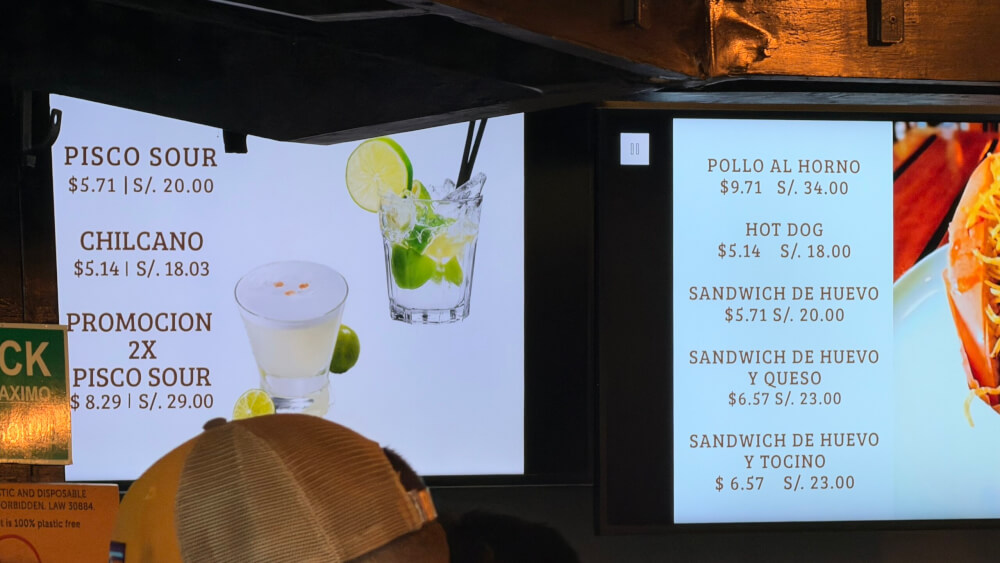
In terms of food options available on-site, there is a little concession area outside of the entry bay with limited, but okay food options – I got a tasty hotdog for about 18 soles, but many of the more filling options like pizza looked really bleak, so I would personally advise you bring your own snacks if you think you’ll need them.
On that note…
21. Beware of prohibited items at Machu Picchu
In addition to food/drink, Machu Picchu does have some unexpected items that you’re not allowed to bring in.
For instance, tripods and walking sticks without rubber tips are a no-go.
You can find a full list of what not to bring on the official website, but I did see them proactively pulling people from the main entry line with oversized bags and walking sticks, so know that they do check sometimes.
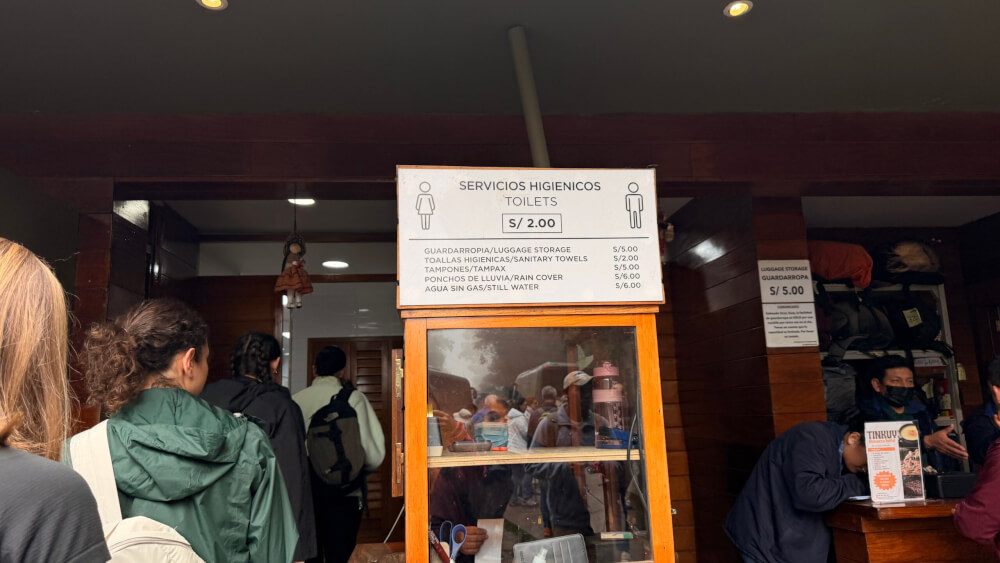
Luckily the bag check is conveniently right by the entrance and only costs 5 soles.
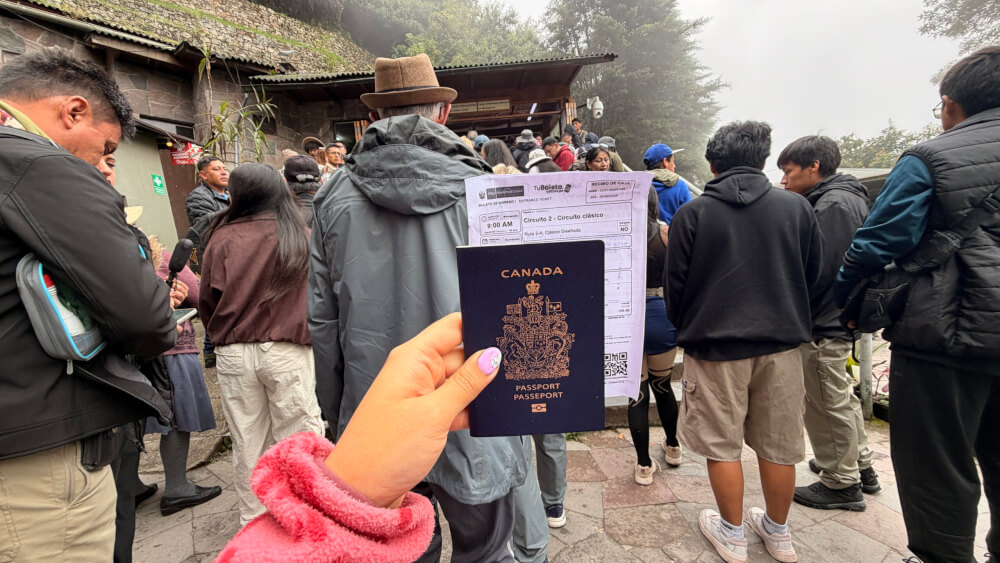
22. Have your tickets and passports ready before entering
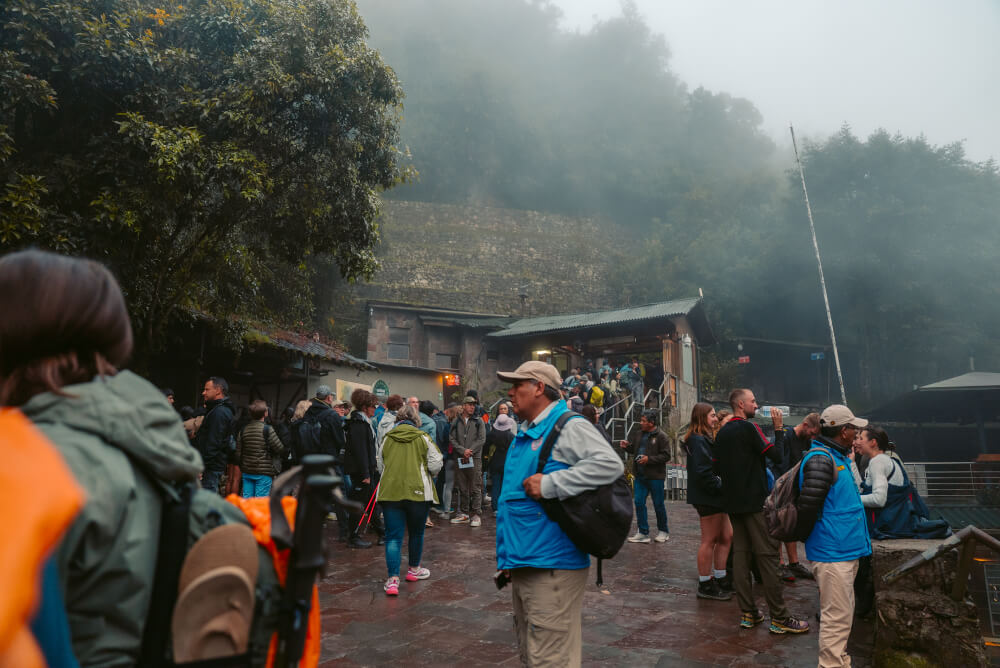
I appreciate that they are thorough with this, but honestly, it was comical the number of times we had our passports and various tickets checked. My final count was maybe 4 times by the time we entered?
So, make sure to have both your passport and tickets somewhere easily accessible to avoid holding the line up… even while boarding the bus!
BONUS TIP: Keep your passport in a Ziploc bag to protect it from water damage.
23. Make sure you have some cash (especially coins on you)
Cash is still king in many parts of Peru, and it’s smart to have some on you at all times, especially at Machu Picchu. Beyond the paid toilets and bag check, there will also be many people selling bottles of water and snacks along the hiking route, so some cash is definitely key.

24. Pee beforehand – there are no bathrooms inside and you can’t re-enter
The cost is 2 soles, which is not bad, and they also have feminine hygiene items and things that you can buy for an extra cost as well.
Truthfully, the bathrooms aren’t the most amazing. They are fine in the morning but then over time they get a little bit gross because people are gross, so just keep that in mind.
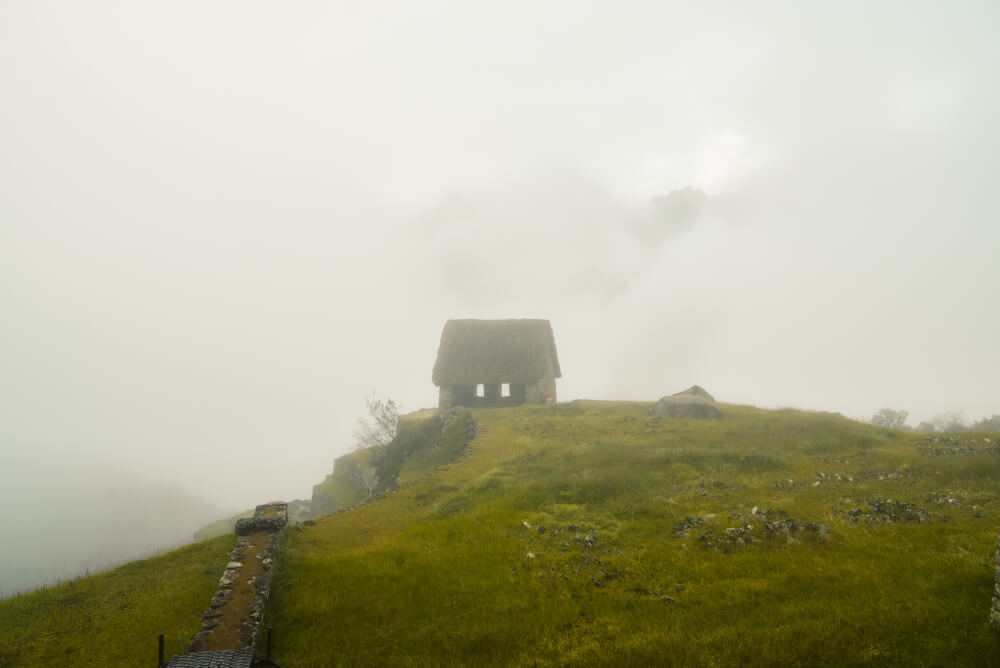
BONUS: If there’s a clearing, take your pics ASAP because conditions change quickly
I learned this the hard way when I took a time-lapse cuz I thought it looked cool, and then the view literally did not return for an hour and a half.
I hope this list of Machu Picchu travel tips was helpful!
Let me know in the comments if you have any more to add.