
*FYI - this post may contain affiliate links, which means we earn a commission at no extra cost to you if you purchase from them. Also, as an Amazon Associate I earn from qualifying purchases. Check out our Privacy Policy and Disclosure. for more info.
Norway’s dramatic Lofoten Islands are one of those places so strikingly beautiful that a single photo can inspire you to research flights immediately.
(If you’re impulsive like me, anyway)
And after years of haunting the top of my bucket list, I was fully prepared for these islands to let me down. Surely there’s no way those landscapes can actually look that good in real life.
Imagine my utter shock when in reality, they looked even better. Lofoten is a true wonderland where soaring mountains, white sand beaches, sprawling seascapes and cutesy fishing villages mix and mingle… to some absurdly stunning results.
But where do you even begin with planning a trip to this remote wonderland? Well, I’d say this rambly guide is a good place to start.
Whether you’re planning to hike dramatic ridges, chase the midnight sun, or just avoid going broke buying snacks, this guide assembles all the top must-knows I wish I knew before my epic Lofoten Islands road trip. I hope you find it helpful!

Save this list of Lofoten Islands Travel Tips for Later!
You’ll be very glad you did.
1. Learn how to pronounce Lofoten and other names around the islands
Now before you go, you should really learn how to actually pronounce Lofoten…
But don’t let this be a huge source of stress! After all, there’s even variances on how northern Norwegians/southern Norwegians pronounce it. So as long as you get it somewhat right, you’re all good. Loff-OH-tin is kind of my best approximation and people seemed to get what I meant when I said it (even the passport control officer in Oslo who was from the islands!)
Beyond just Lofoten itself though, you should also learn how to pronounce some of the other main place names too. I really struggled with planning my trip when I didn’t know how to pronounce any of the destination names, so in case you have that problem too, here is a rough approximation of how you say the following names:
- Svolvær: Svol-vire
- Å: Oh
- Reine: Rye-nuh
- Kabelvåg: Kah-bull voh-g
- Leknes: Lek-niss
- Henningsvær: Henningz-vire
NOTE: Generally, it’s helpful to know that Å is pronounced like ‘oh’ and ø is pronounced like euh (like the u in burn).
2. The Lofoten Islands are located north of the Arctic Circle, so timing is important
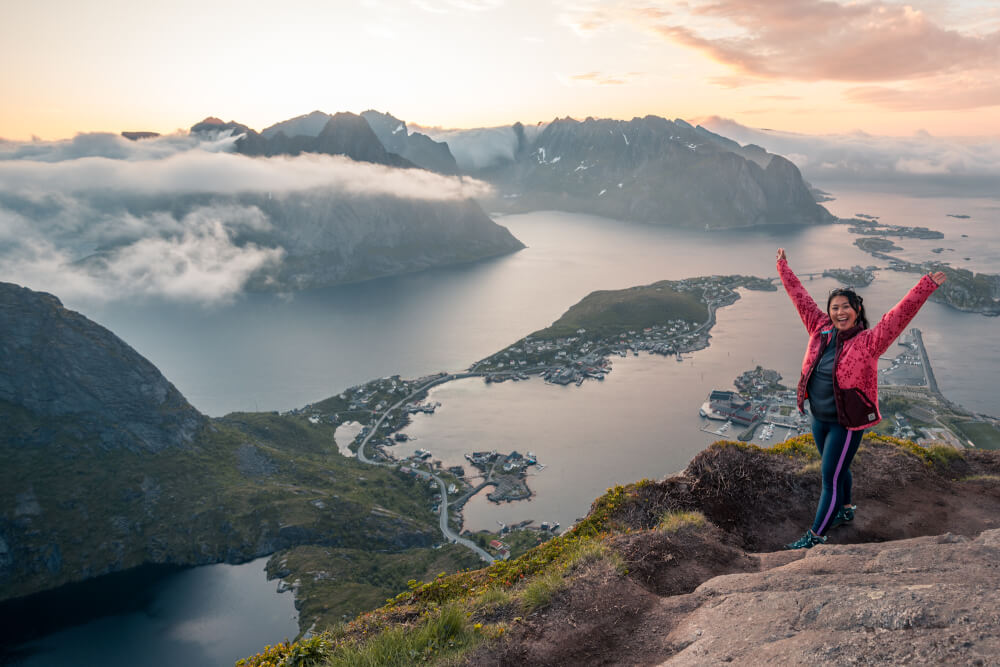
Now to make sure we’re all on the same page, the Lofoten Islands (often just referred to as ‘Lofoten’) refer to a dreamy archipelago in northwestern Norway, famed for its craggy mountains, epic views, dreamy beaches, and adorable fishing villages.
It’s also fairly remote and high up north in Norway, in fact it’s located north of the Arctic Circle which is how you get Midnight Sun when the sun doesn’t set for a period in the summer, as well as Polar Night where the sun doesn’t rise above the horizon.
On that note, the timing of your trip is everything.
If you’re trying to decide when to visit Lofoten, then you should keep in mind the different periods of the year to plan for depending on what you’re hoping to see.
Want to maximize your chances of Northern Lights? Visit between September and April.
Want midnight sun? Visit between late May and early July.
Unless you’re coming just for northern lights or winter sports, I’d probably advise against a winter trip just because there’s way fewer tourism services and the weather can be really unpredictable.
And I will say just as a warning – midnight sun is such a cool experience but it does come with a number of unexpected nuisances. Like your accommodation getting crazy hot because the sun just keeps coming in and many places aren’t built with AC and many from my experience don’t have full black out blinds either, so it can be a challenge to sleep without an eye mask if you’re sensitive to light.
3. There are a few different options for arriving at the Lofoten Islands
So where should you fly to get to Lofoten?
There are only two airports in Lofoten proper in the two largest cities:
- Svolvær Airport in Svolvær, which is often considered the gateway to the Lofoten Islands as it is the largest town and the administrative center of the Lofoten archipelago
- Leknes Airport
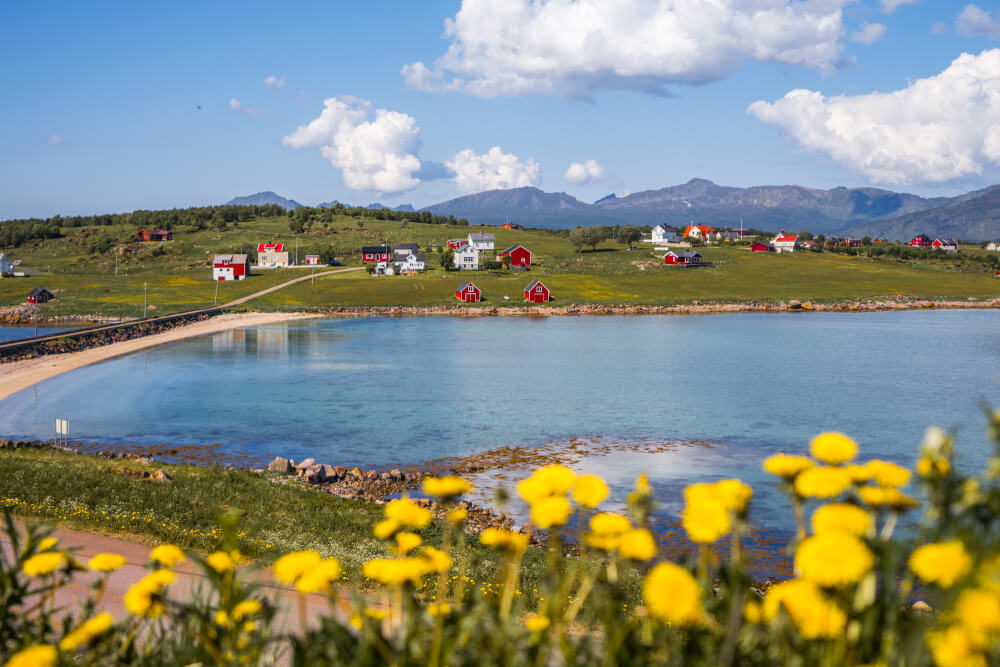
Another alternative, and what we opted for, was to fly into Harstad / Narvik Lufthavn (EVE). This is often the cheapest option because more airlines go to this airport. There are only 2 buses a day that connect it to Svolvaer so either plan accordingly or make sure you rent a car because the drive is still long but stunning and really worth doing.
In any case, as an overseas visitor, you’ll likely transfer in Oslo or Frankfurt!
NOTE: It’s also possible to take a ferry from Bodø, but that’ll take longer and is apparently pretty choppy.
4. The Lofoten Islands include hundreds of islands/islets
Now, although you’ll mainly be planning your movement based on towns and villages rather than the islands themselves, it’s still helpful to know the main islands just for reference.
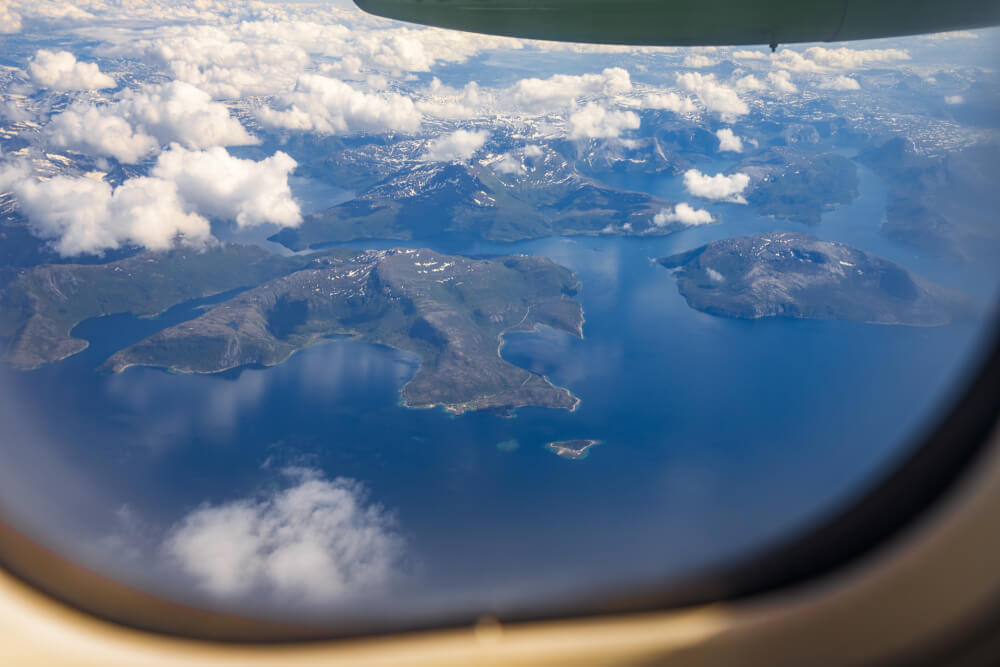
In total, the Lofoten Islands consist of several hundred islands and islets, with the main ones being…
- Austvågøya: The largest and most populated island in the group, home to Svolvær, the administrative center of Lofoten.
- Vestvågøya: Located to the west of Austvågøy, this island is known for its beautiful landscapes and attractions like the Lofotr Viking Museum.
- Gimsøya: Located in between Austvågøya and Vestvågøya, this island is home to a marsh nature reserve and some beautiful beaches that are perfect for viewing the midnight sun.
- Flakstadøy: This island is located to the southwest of Vestvågøy and is known for its scenic beauty, including the famous beaches of Ramberg and Uttakleiv.
- Moskenesøy: The southernmost of the main islands and home to the iconic fishing village of Reine.
5. The most common route is going from Svolvær to Å
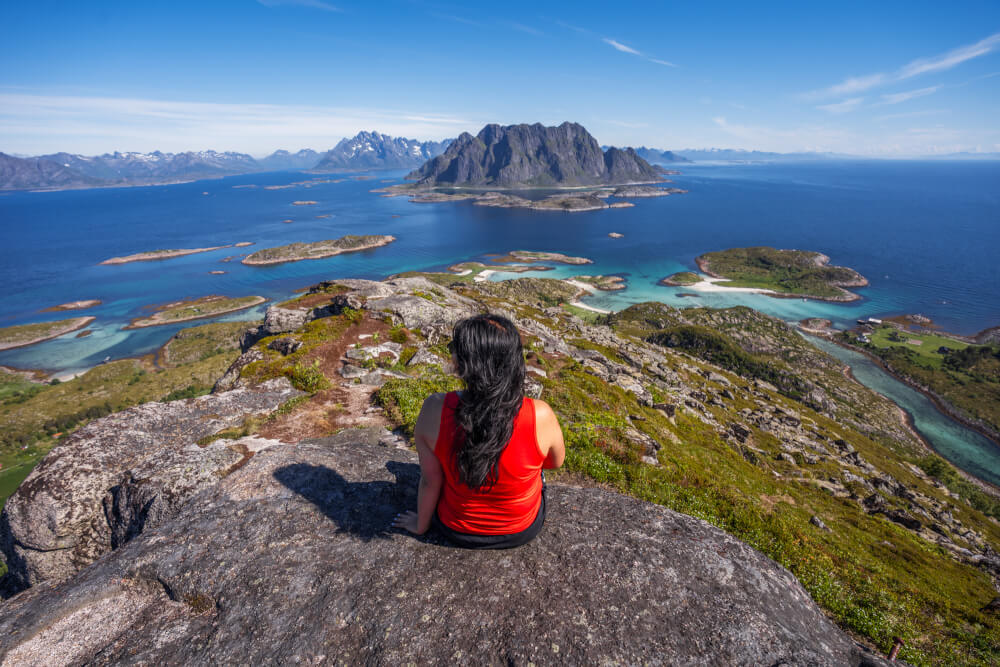
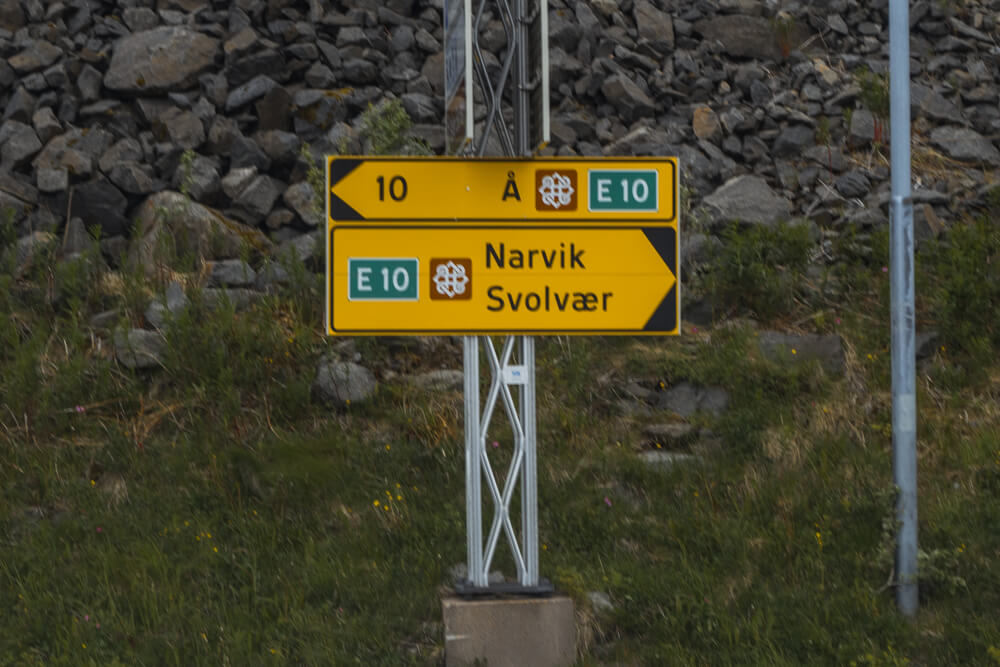
In terms of where to go in Lofoten, the main route that people take tends to be the scenic route E10 from Svolvaer to Å, stopping along the way, with key highlights being…
- Kabelvåg, the oldest town in Lofoten
- Henningsvær, a really cute town known for is unique football field and nice shops
- Reine & nearby villages like Hamnøy, home to some of the most iconic views in Lofoten
Having done this route myself, I can confirm it is stunning and well worth doing.
If you do have more time though, or want to get more off the beaten path while visiting Lofoten, there are definitely lesser visited places too, especially in the North of the islands. My main tip here though is to just get advice from local bloggers on where to go – they’ll know better than anyone else where to find the gems that are more under-the-radar.
One resource I really liked was 68 North – a Californian who now lives in Lofoten and is passionate about photography, so lots of great visuals. Definitely check them out for more unique itinerary ideas!
6. Make sure to vet accommodation carefully beyond just pictures
Now, when it comes to choosing where to stay, one piece of advice I have is to remain focused on what counts.
When I was researching hotels and guesthouses, I noticed that many accommodation options in Lofoten will use epic photos of the surrounding landscapes (think amazing northern lights or cutesy photos of the exterior from far away) to draw people in.
But, as gorgeous as these photos are, do remember that it doesn’t actually matter how cute the colour is outside when your bed, bathroom, kitchen, etc. are all inside… so be sure to scroll and check photos of the actual interiors, along with amenities and specs, before committing.

7. Consider your mode of transport before picking your base
In terms of choosing where to actually base yourself, the choice will definitely depend on your mode of transport and also your priorities for your trip.
If you’re going just by public transport, then you’ll want to stay in a larger town that has transport links, so often the best options are considered to be…
- Svolvaer, more on the eastern side which has its own airport and where many tours will depart from
- Leknes, which is in the middle and again, has its own airport and frequent bus connections
These larger towns also tend to be the ones with big chain hotels, while smaller towns rely on guesthouses, cabins, and small hotels that may lack the amenities that many take for granted, like air conditioning for example.
To be honest with you though, the bigger towns in Lofoten, while convenient and offering a lot of modern amenities, aren’t the cutest or most charming.
So if you don’t mind some tradeoffs in terms of amenities and things to do, some bases I might recommend instead include Reine and Henningsvaer, which are super cute and scenic while still being serviced by buses.
Of course, if you have a car, you have plenty more options, and staying in a more remote town or village (that lacks good public transport) can often be a shortcut to saving money.
8. Beware that Rorbuer are usually quite modest
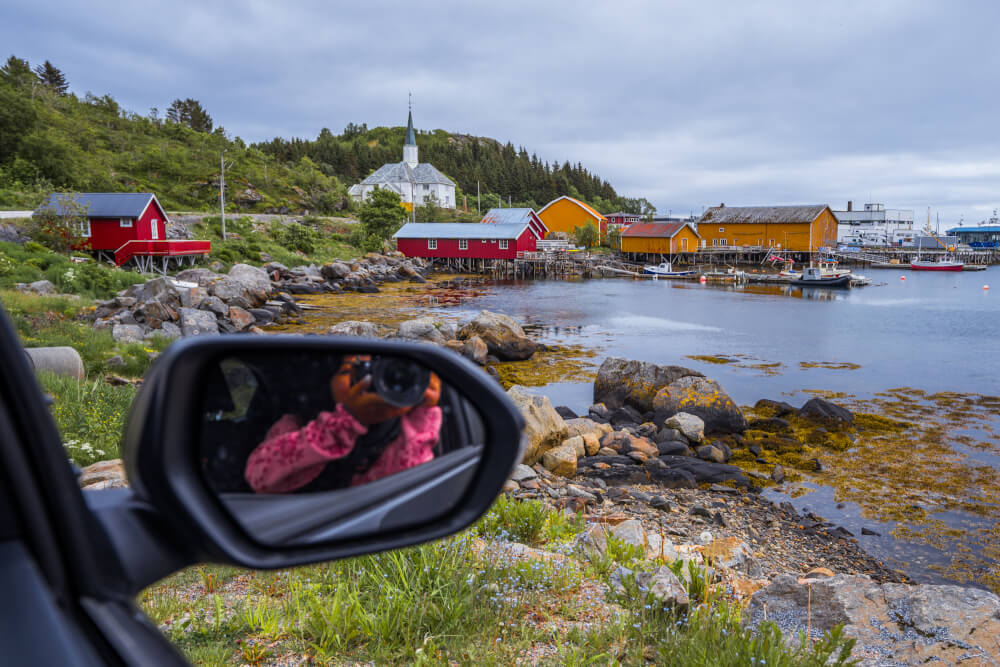
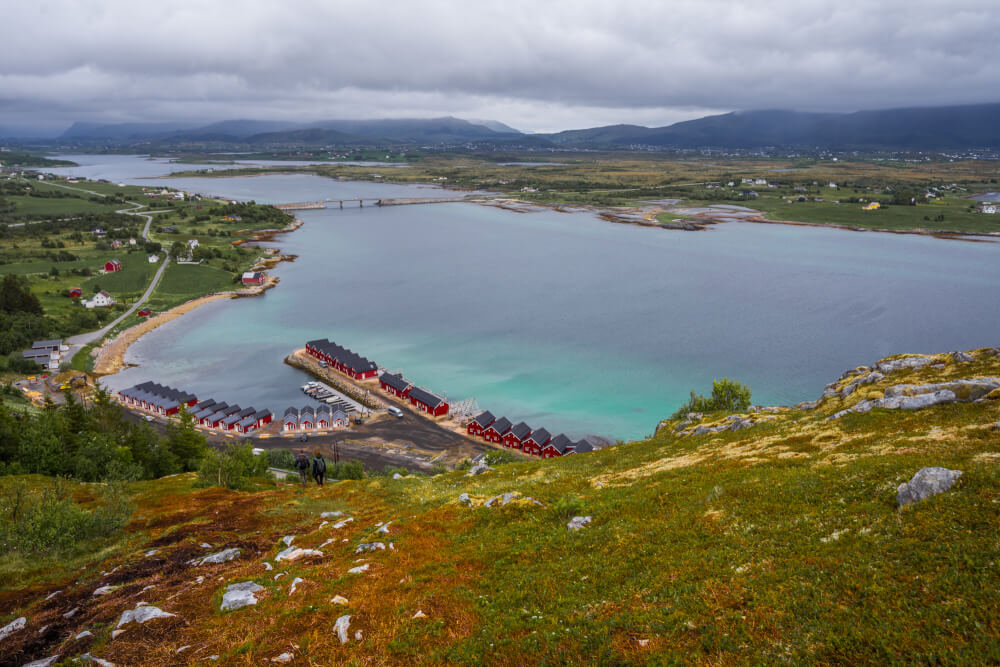
On the topic of accommodation though, during your research you will no doubt be very tempted by the siren’s call of the iconic huts known as Rorbuer. These super photogenic and colourful fishing huts are quintessentially Lofoten, and many of them have now been craftily converted into tourist accommodation.
I will say: Rorbuer are really cute but many of them are actually fairly modest on the inside because of their history as… you know, actual fisherman’s huts, so don’t be surprised when they’re not actually fancy on the inside.
9. Book somewhere with a kitchen to save big
And as a final tip for accommodation: honestly, I do think you should book a place with a kitchen if you can.
Dining out in Lofoten is fairly pricey, so if you do it for every single meal your budget will be shot to pieces. Having a place where cooking is an option can really be a huge life saver!

10. Renting a car is definitely the best way to explore Lofoten
Now in terms of how to get around, I do definitely recommend you rent a car if you want to explore the Lofoten Islands properly. We rented one several months in advance through Sixt after comparing options on DiscoverCars, and we don’t regret that decision for a second!
Renting a car will give you the most flexibility, and allow you to explore all the cute little hidden gems along the way at your own pace.
Plus, the distances in Lofoten are very doable, with the quickest route from Svolvær (considered the gateway to Lofoten) and Å (considered the end of the Lofoten scenic route) taking only 2.5 hours.
11. Exploring Lofoten by public transport is possible… but limiting
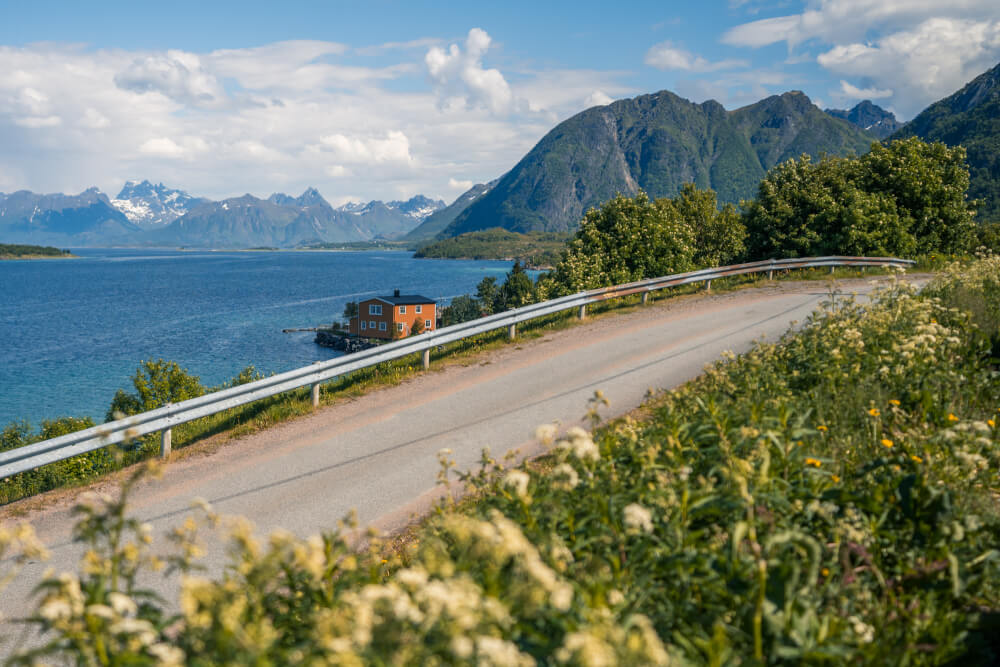
That said, if you want to do the trip with public transport, it is possible, but do know that while buses exist, they mainly serve the local population for work and school purposes. This is why often the buses won’t necessarily be bringing you straight to scenic points of interest… and run reduced schedules on weekends.
To look up timetables and buy tickets, the app you want is Reis, and if you get tickets through there it’s cheaper than buying it on board.
And, according to the official Lofoten tourism board here, “there are capacity restrictions of 50% on routes longer than 1,5 hours. If the capacity gets full, a new bus will come. You buy tickets in the app “Billett Nordland” just before entering the bus since the ticket runs from when you buy it. Pre ordering tickets is only possible at Flybussen.no/the airport express.”
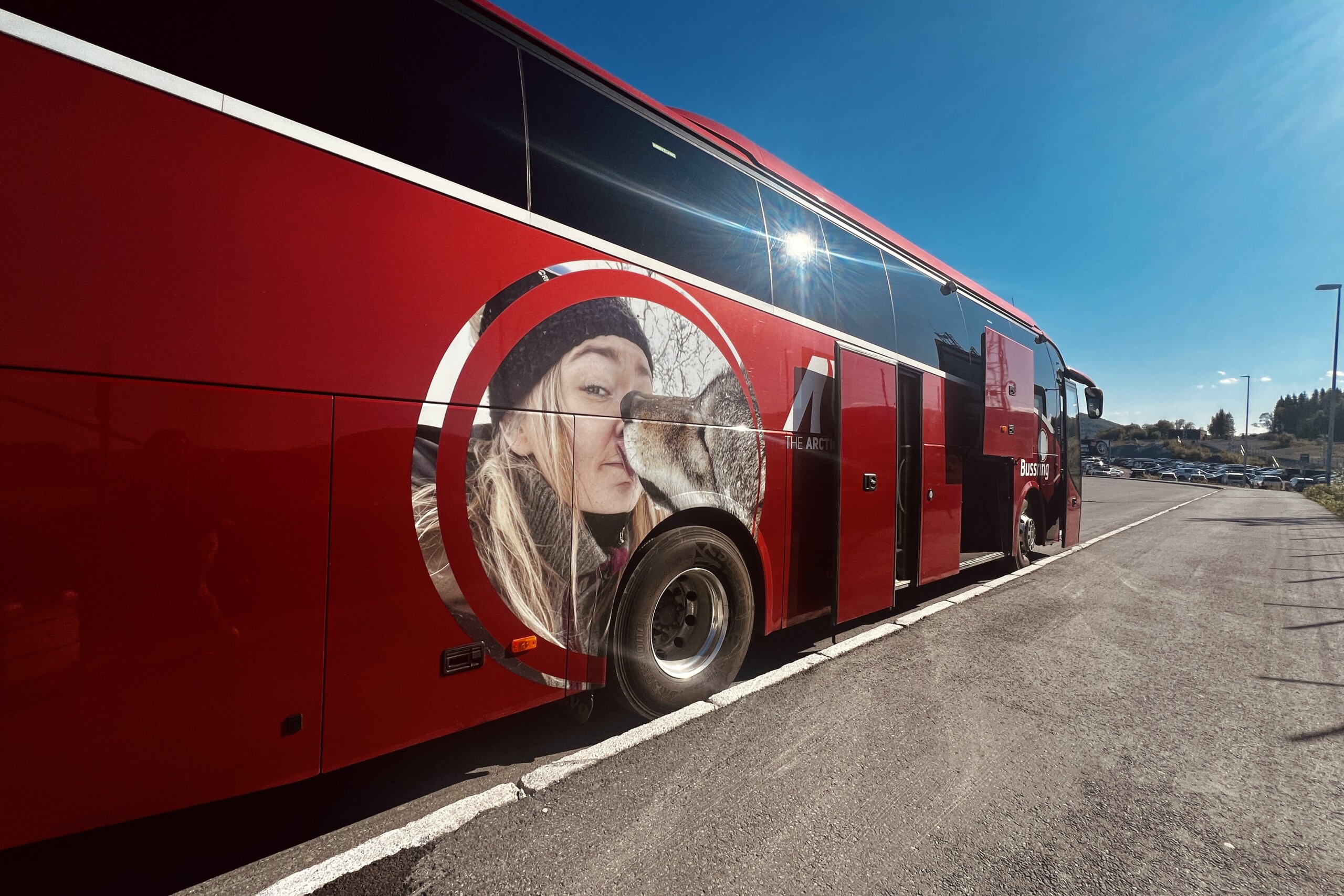
For a more in-between option, there is something known as the Arctic Bus which is a service made for tourists and from June to August runs daily. It’s essentially a hop-on hop-off service that links Svolvaer and Å, so it’s quite ideal for tourism purposes, with English speaking drivers and free Wi-Fi.
But it is expensive so be sure to crunch the numbers before you commit. Sometimes between a few friends, renting a car and driving might work out to be cheaper… as it was in our case.
12. Hitchhiking culture is pretty common around Lofoten
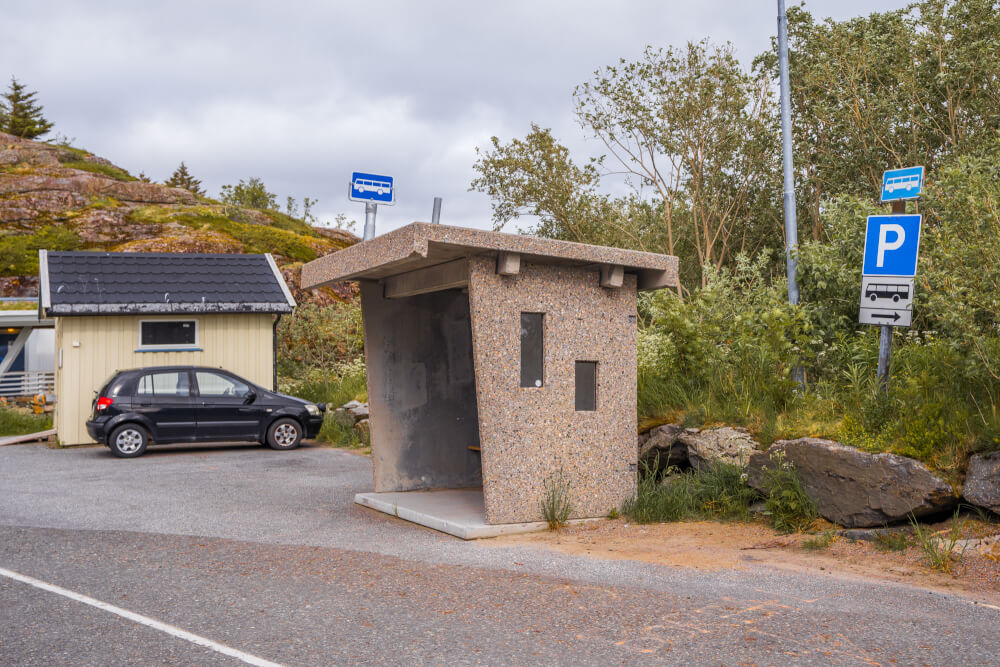
If you’re open to it, be prepared to offer (or even ask for) a ride yourself. Hitchhiking is relatively common in the Lofoten Islands, especially during the busier summer months when public transport can be infrequent and backpackers are trying to get from one remote spot to another. You’ll often see people waiting at rest stops or ferry ports with hopeful thumbs out or hand-written signs.
Whether you choose to pick someone up is entirely your call – go with what feels right for your comfort level and safety. But it’s worth knowing this is part of the local travel culture, and if you’re driving, don’t be surprised if someone approaches your car and politely asks for a lift.
On the flip side, if you’re traveling without a car and trying to keep costs down, hitchhiking could be an option, just be prepared to wait, especially in more remote areas.
13. Free ferries are a common mode of transport around Lofoten too
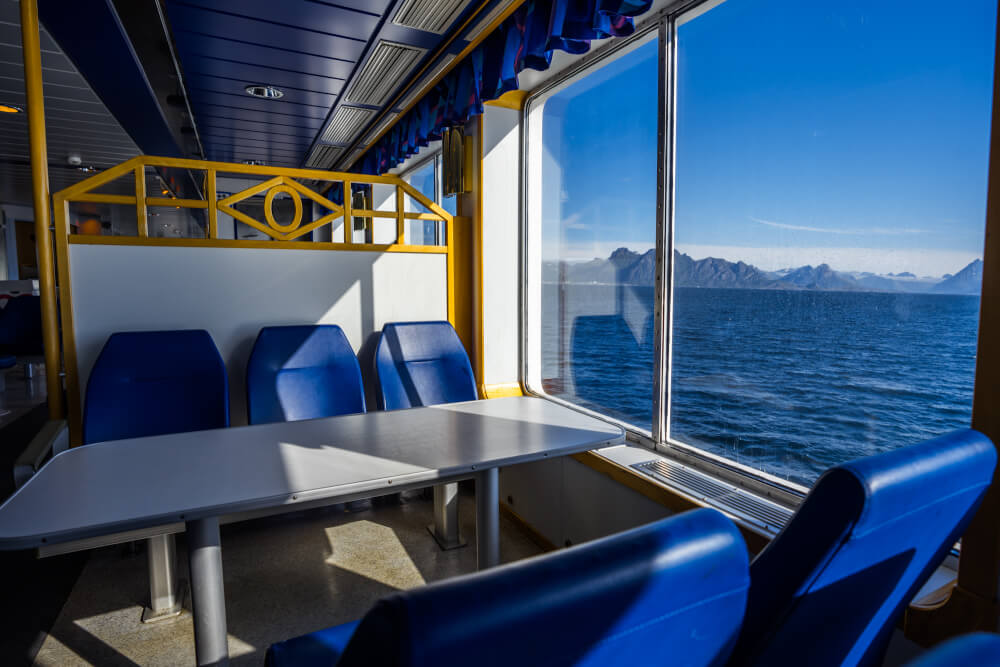
Ferries are a surprisingly common and sometimes unexpected part of getting around in the Lofoten Islands. Given the region’s scattered geography, you’ll likely find yourself needing to hop on a ferry at some point, even if you’re just following Google Maps.
Don’t be alarmed if your GPS suddenly tells you to board a boat; that’s totally normal here, and it often ends up being a scenic bonus rather than an inconvenience.
The great news is that many of the regional ferries, especially those connecting smaller islands or less populated areas, are actually free for passengers and vehicles. That said, not all routes are free, some longer or more heavily trafficked ones do charge a fare, so it’s worth checking ahead if you’re planning a specific route. Either way, the ferries are generally efficient, well-run, and offer a nice break from driving, with gorgeous views thrown in.
14. Cards are accepted everywhere so you probably won’t need much cash
A very important must-know: you probably won’t need much, if any, cash while traveling in the Lofoten Islands.
Norway is extremely card-friendly, and credit or debit cards are accepted virtually everywhere, even for small purchases like a coffee or a single banana. From restaurants and ferries to gas stations and roadside food trucks, contactless payment is the norm, and many places actually prefer card over cash.
That said, it’s still smart to carry a small amount of cash just in case. The only times you might run into a situation where card isn’t accepted are in very remote areas, typically when paying for parking through an honesty box system, where you’re expected to leave cash in a little tin or envelope.
These are rare, but they do still exist in some scenic or less-developed spots. So bring a few small notes and coins just to be safe, but there’s no need to withdraw large sums, you’re unlikely to use much of it.
15. Dining out in Lofoten can be expensive, but there are ways to save
Next, let’s talk about the food situation.
As I mentioned before, dining out in Lofoten and in Norway in general is quite pricey, so it’s nice for the occasional splurge but I think dining out every single meal would definitely add up. From my experience every ‘nice’ sit down meal with an alcoholic drink would work out to be about 400 NOK or more, so quite a lot.
There are some great ways to save on your food budget though.
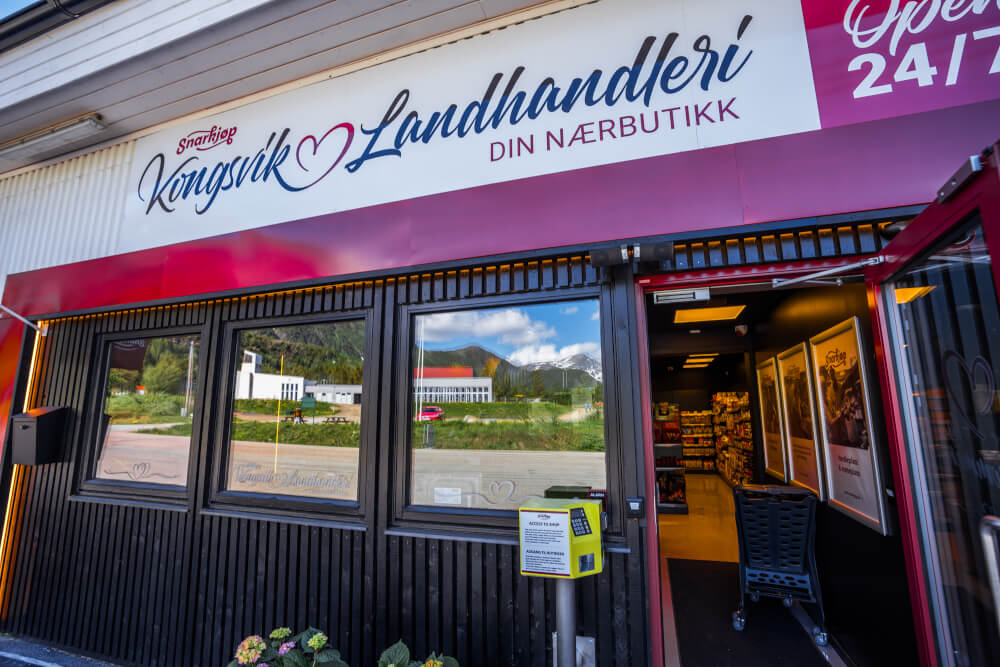
As I said before, cooking for yourself makes a lot of sense here, so is getting snacks and supplies from supermarkets to make things like sandwiches for lunch. Especially since some smaller towns might have fairly limited options for food too.
Weirdly, gas stations are a great place to grab a bite as well – Circle K was a lifesaver during our road trip with lots of tasty and filling hot food options like hot dogs and suspiciously good ice cream.
I will say though, every time we did dine out, we really enjoyed what we had. Ingredients were always really fresh and high quality, so it’s worth doing a few times… especially if you want to try some local specialties!

16. It’s definitely worth splurging and trying some local Lofoten specialties
If you do manage to make it out for a few meals, some local foods to try include…
- Seafood dishes – The most popular is definitely anything Stockfish, which is this dried cod you see drying on racks all over the islands. I really love Bacalao which is a tomatoey stew made with Stockfish but you’ll definitely find Stockfish prepared in all kinds of ways. Arctic char and Klippfisk, another type of dried fish is also very popular.
- Lofoten lamb is also really well known
- As are various berries like cloudberries and lingonberry
And while not exclusive to Lofoten, I do also really recommend trying Brunost, which is a brown cheese that’s slightly sweet, usually served with waffles. SO GOOD!

17. Alcohol is really pricey to buy here and also strictly controlled
Now, when it comes to alcohol in the Lofoten Islands – and Norway in general – be prepared for high prices and strict regulations. Alcohol is tightly controlled, and it’s not as simple as grabbing a bottle whenever the mood strikes.
For anything stronger than beer (think wine or spirits), you’ll need to go to a government-run store called Vinmonopolet. These are the only places legally allowed to sell hard alcohol and wine for home consumption, and they have limited opening hours, often closing by 6pm on weekdays and even earlier on Saturdays. They’re also completely closed on Sundays.
Some regular supermarkets do sell beer, but even that comes with restrictions. You can only buy beer up until 8pm on weekdays and 3pm on Saturdays – and absolutely no alcohol sales on Sundays. So, if you’re planning to enjoy a drink with a sunset view or stock up for a cabin stay, make sure you plan ahead. There’s nothing worse than arriving five minutes too late and being stuck with dry crackers and no wine.

18. Shops and supermarkets are usually closed on Sundays
That said, one important thing to keep in mind when visiting the Lofoten Islands is that many shops and supermarkets close on Sundays. This can catch travelers off guard, especially if you’re planning to stock up on groceries or grab last-minute supplies.
In smaller towns and villages, expect most places to be completely shut, while in slightly larger towns you might find a supermarket or two open for limited hours, usually in the late afternoon.
The good news is that Norwegians are organized, and most shops clearly display their opening hours right outside the entrance – often on a sign by the door or in large letters visible from the road – so it’s easy to plan ahead. It’s definitely worth checking and stocking up on essentials the day before though, especially if you’re heading somewhere remote or relying on self-catering.

19. Don’t forget to be a respectful visitor
Also just as a final note, do try your best to be a respectful visitor who follows local rules and common decency when it comes to disposing of waste and trash.
Lofoten is an amazing area with so much pristine nature and when you don’t clean up after yourself properly it really is so disruptive and rude, so:
- Separate your recyclables
- Pay attention to signs about what can and can’t be disposed of in certain places
- And always take any trash you bring on hikes or out in nature with you

I hope this list of Lofoten travel tips was helpful!
Let me know in the comments if you have any more to add.