
*FYI - this post may contain affiliate links, which means we earn a commission at no extra cost to you if you purchase from them. Also, as an Amazon Associate I earn from qualifying purchases. Check out our Privacy Policy and Disclosure. for more info.
If you’re planning your first-ever trip to Iceland, odds are you may currently be spiralling over questions like which car rental company to go for, where exactly to frolic and whether or not it’s as pricey as everyone says…
But hold the stress sweats, because now that you’ve found this post, you’ll soon be familiar with all the most important tips and must-knows when planning a trip to the glorious land of ice and fire. Including the sad truth that this country may well bankrupt you… and you somehow won’t even care!
So, in this post, I’ll be sharing some weirdly specific advice for Iceland that every first timer should know, from how to save money and avoid crowds, to super niche things like where to find out what all the traffic signs mean – including ones that tell you to watch out for reindeer.
I hope you find it helpful!

Save this list of Iceland Travel Tips for Later!
You’ll be very glad you did.
1. Icelandair offers really affordable fares & a very handy stopover program
Now, for starters, do know that flying into Iceland may be one of the most affordable parts of your trip, thanks to the national carrier Icelandair‘s very enticing prices, and free stopover program! This means you can schedule a flight with them to another destination, then stop in Iceland at no extra cost for up to 7 days.
This essentially means being able to get two destinations for the price of one, which is very tempting.
I will say though, do not be blinded by the cheap flight prices and trick yourself into believing you’re actually gonna save money by flying through Iceland, because Iceland itself is a pricey enough destination that any savings from booking with Icelandair will be wiped out almost immediately by actually travelling there.
… BUT it is an incredible bucket list destination, so worth it in any case.
2. The main international airport is in Keflavík, not Reykjavik
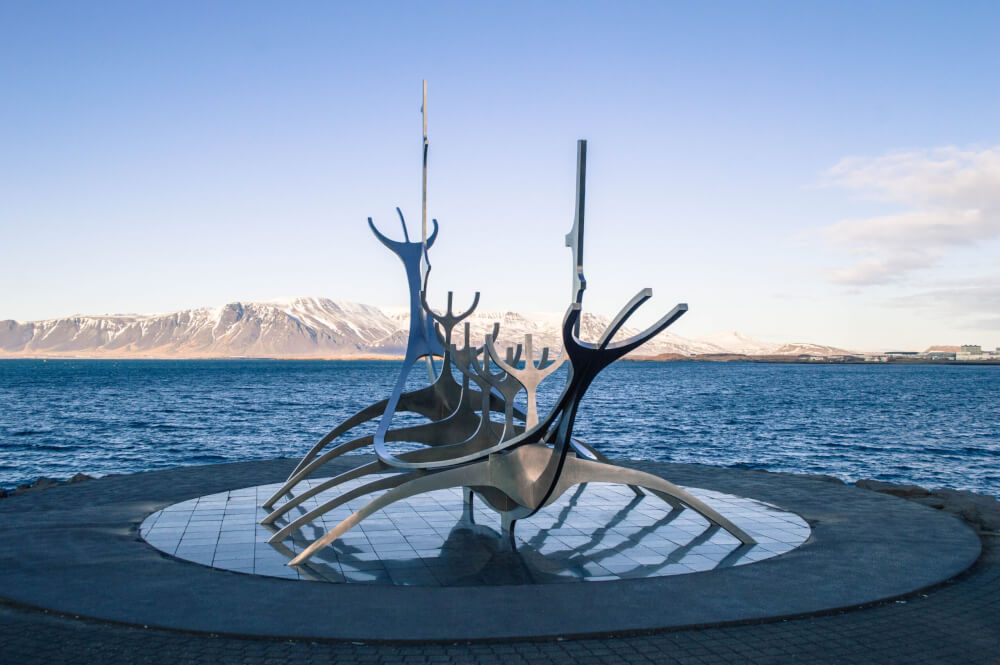
Now in terms of arriving in Iceland, be aware that the main airport is actually about a 40 minute drive from the capital of Reykjavik.
Some people get confused and assume that the airport is actually located in the capital, which is a fairly easy mistake to make because this is what all the destination signs at the airport will say… but in reality, the airport is located a decent distance away in Keflavik, so definitely factor this into your plans if you’re doing a very short stopover or booking anything in the capital right after your flight.
NOTE: Reykjavik does have its own airport, with the airport code RKV, but this one mainly services domestic flights, so don’t get it mixed up with Keflavik Airport, whose code is KEF.
3. Avoid driving right away when you’re tired upon arrival
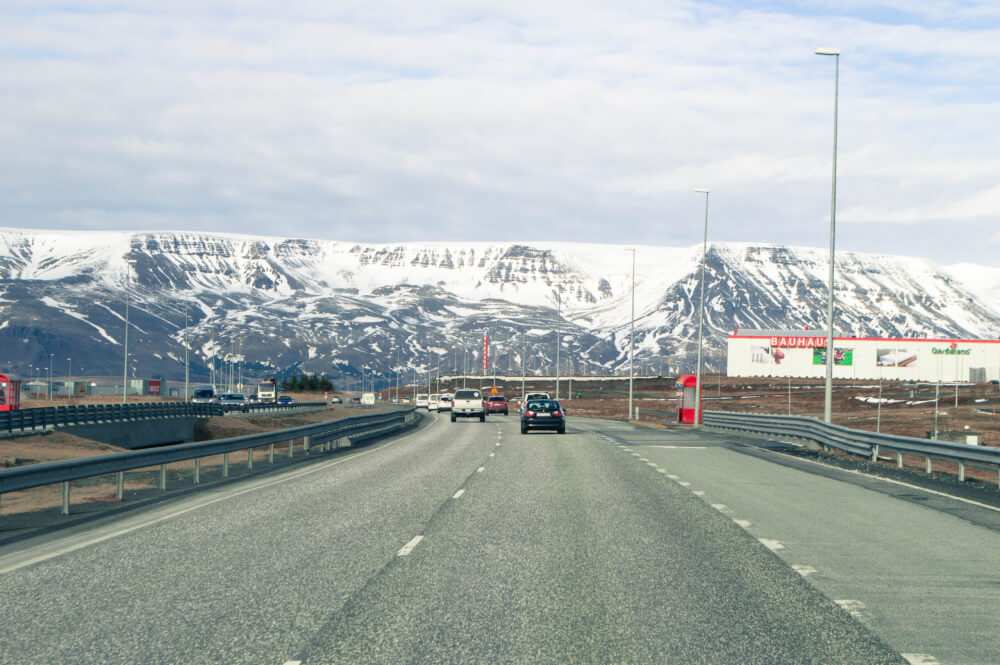
When booking your flights though, if you end up arriving really late at night or early in the morning, you should make sure you’re well rested before you attempt driving.
This might mean very glamorously taking a nap in your rental car before heading out, or perhaps staying your first night somewhere you can easily take a bus or taxi to. This is obviously a much safer option than forcing yourself to drive while tired, which (don’t forget!) puts others in danger as well.
Now, if you are looking for accommodation near the airport, there are a handful of places participating in a program known as Nap & Go, which aims to incentivize people just arriving in Iceland to get a proper rest before they start driving. And they do this by offering discounted room rates for people to snooze for a few hours after arriving.
Unfortunately, as of 2025, it seems there’s only 3 places participating, and rates do vary by property so you have to contact them, but it might be worth looking into.
4. Do book your accommodation as early as possible – especially during peak times
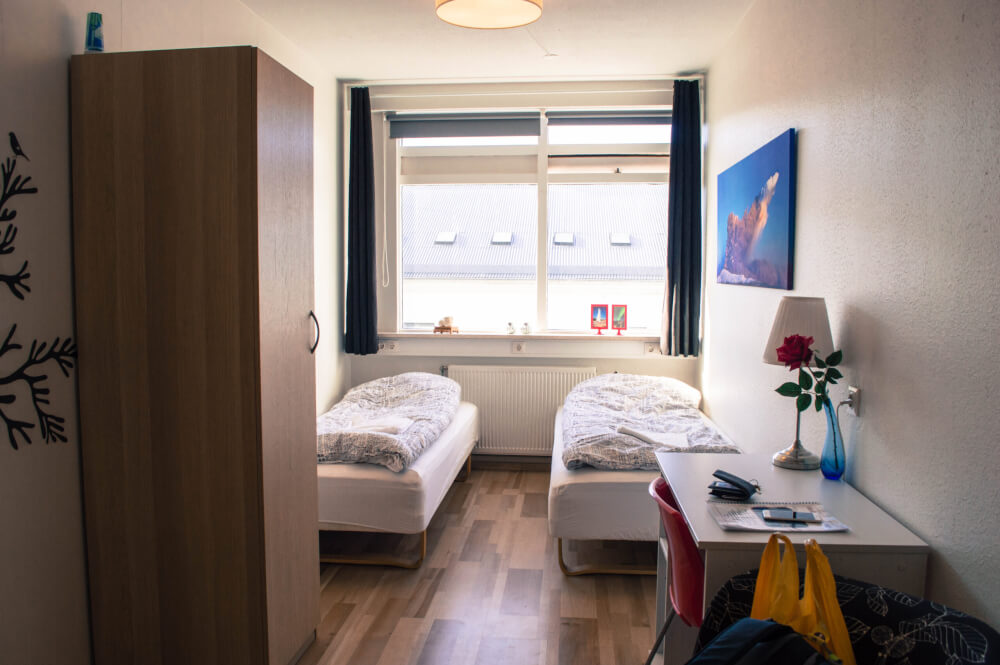
Accommodation prices in Iceland are no joke, with hostel bunks starting at $60 per night in peak season. In a shared room. So your best defense, apart from winning the lottery, is booking early.
You can also generally save some money by booking accommodation with a shared bathroom or, if you’re up for it, you can also choose to camp, which is generally about $20-$40 per person per night.
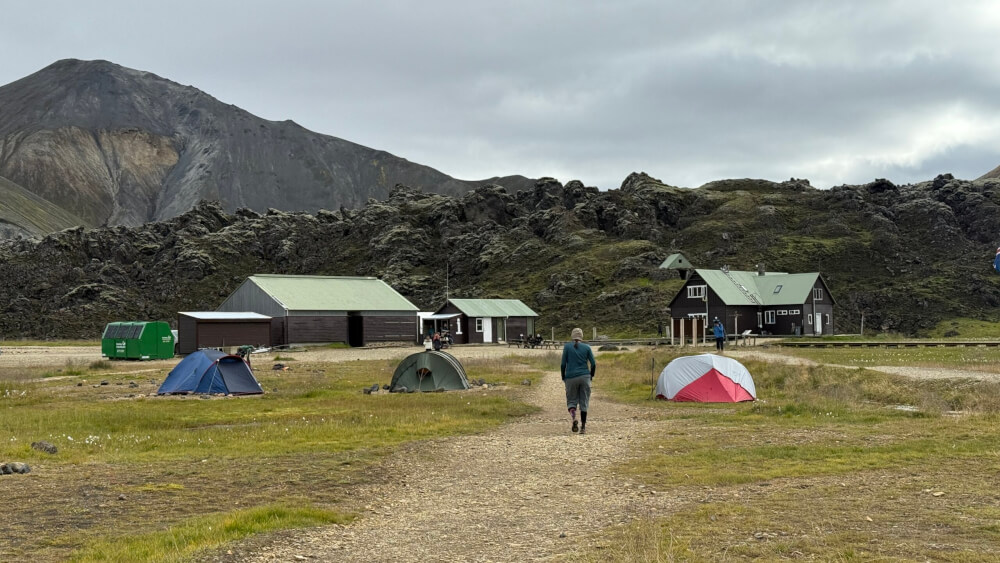
5. Camping culture in Iceland is quite relaxed, it isn’t mandatory to pre-book
Unsurprisingly, Iceland is home to some of the most scenic campsites in the world and generally you don’t need to pre-book a spot before you arrive.
Rather than have designated camping plots like in many North American campsites, most Icelandic campsites are usually more relaxed, so you generally just turn up to a campsite with space, and claim your spot on what is often just a massive field.
Usually, you don’t need to book sites in advance, and many campsites don’t even accept reservations, as there’s plenty of room on said fields. However, if you’re Type A, or if you’re travelling at a very peak time like long weekends in the summer, for instance, it might be a good idea to pre-book for ease of mind.
Some campsites (not all) are available for pre-booking on the Parka app, while some others are first come, first served on the day-of. Just be mindful of reception hours as they usually aren’t open 24/7.
And also keep in mind Iceland does have some ferocious and unpredictable wind sometimes so factor this into whether or not sleeping in a tent is a good fit.
6. Consider renting a camper van for a longer trip
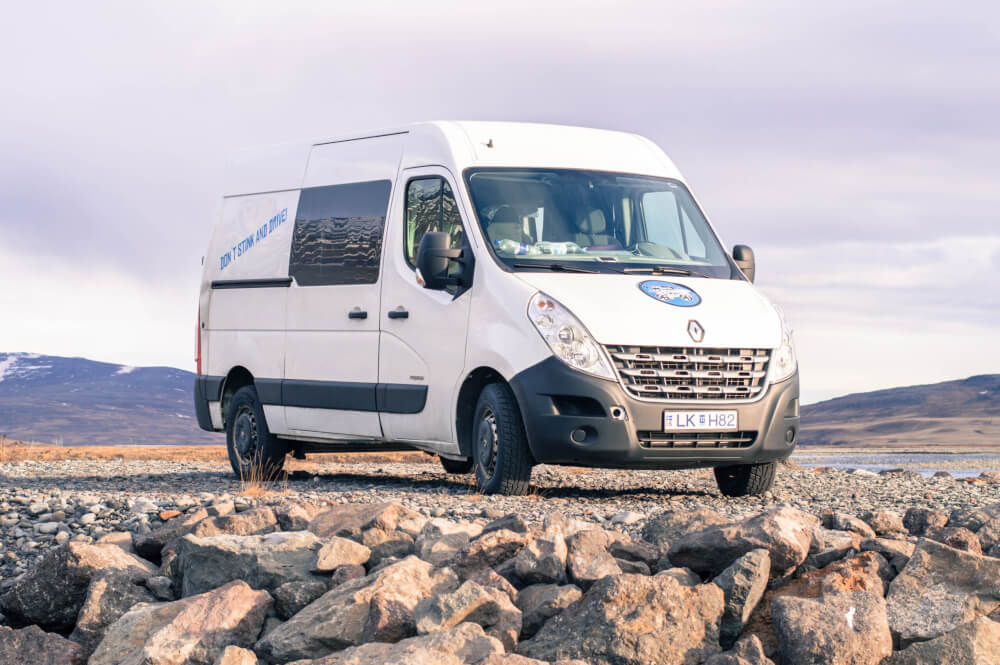
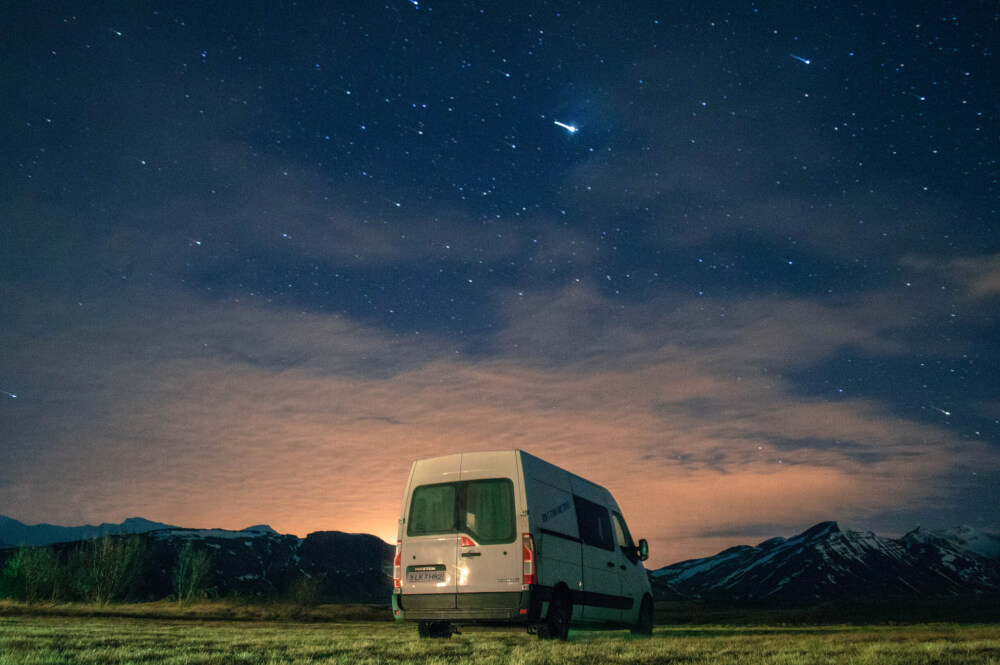
If it’s your first time in Iceland, I would definitely suggest renting a camper van as this is a great way to save money on accommodation, and also save loads of precious time backtracking.
This is what I did on my first trip to Iceland – we rented a camper van and very ambitiously covered the entire Ring Road in just under 10 days. If you have the time & don’t mind forgoing luxuries like private bathrooms, this can be a phenomenal way to travel around.
We rented with Kúkú Campers and had a great experience with them!
7. Generally, summer is the best time to visit Iceland
If you want to know when is the best time to visit Iceland, summer is usually the ideal season due to longer days & better weather.
Between June to August, you are pretty much guaranteeing yourself 20+ hours of daylight per day, which is ideal for long road trips or making the most of your time in the country.
This also coincides with puffin season, with peak times for puffin viewing being between June and July.
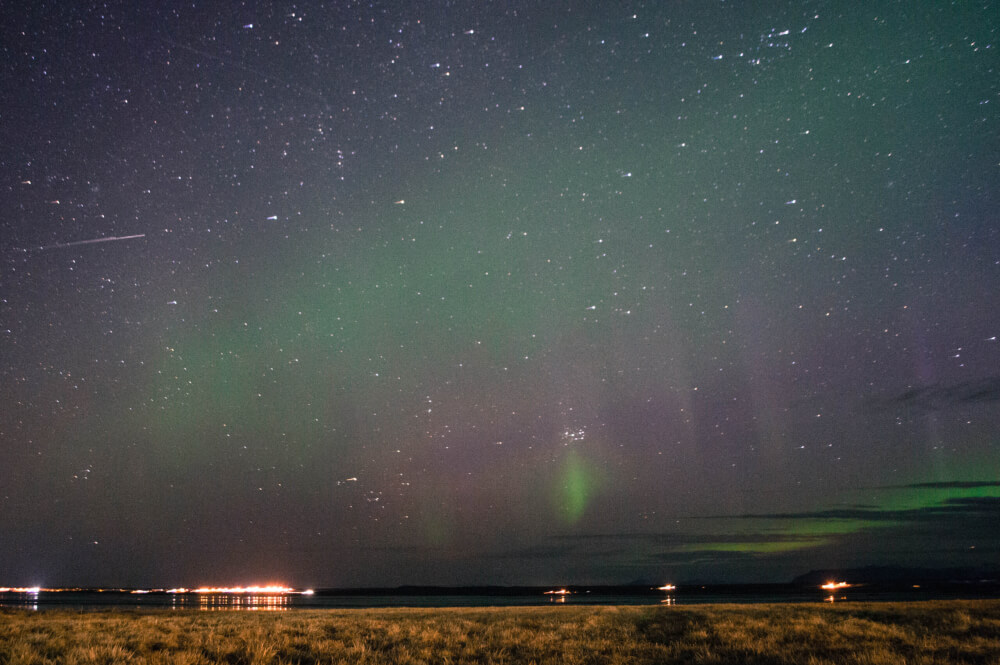
That said, if your goal is seeing the Aurora Borealis, the best times are supposedly between mid-September to early April, though this phenomenon is difficult to predict, so even during my August trip, there were sightings.
All that said, if I were organizing a first time visit, I would definitely go for the summer, acknowledging that this will be the most expensive and crowded time of the year… but September to April could also be worthwhile if you’re looking for fewer crowds and lower prices, acknowledging that the weather can be unpredictable and daylight hours are quite limited.
8. Most visitors stick to the main sights around Route 1, AKA Iceland’s Ring Road
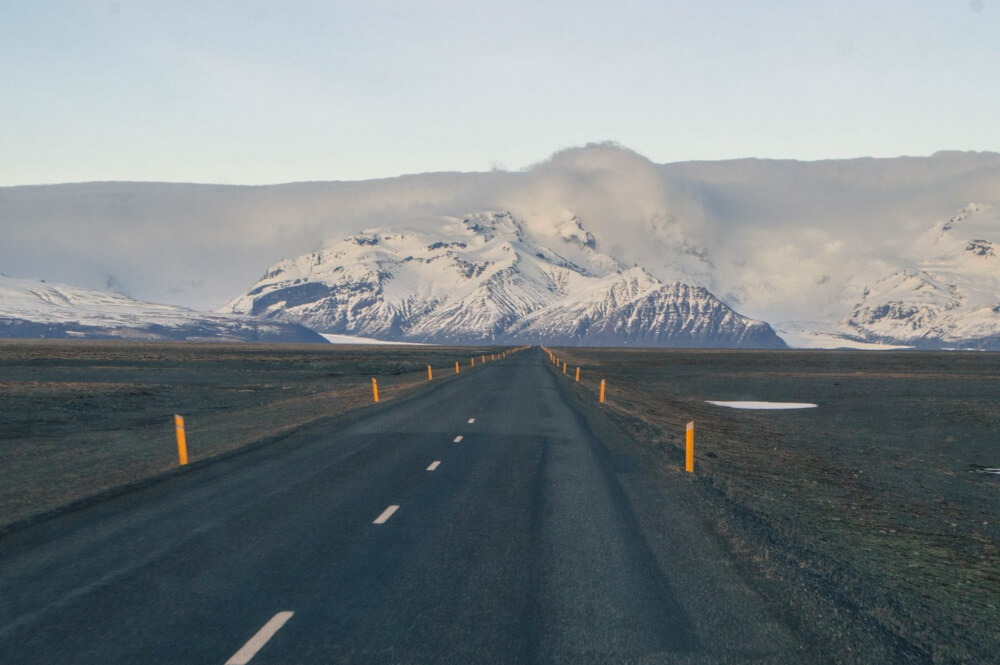
In terms of where to go, most first timers tend to stay on Iceland’s famous Ring Road.
This route basically circles the entire country, spanning over 1300 km passing by some of Iceland’s most iconic sights and landscapes along the way.
For first time visitors, sticking around the Ring Road keeps things simple because the road itself is pretty much entirely paved and well maintained, with plenty of remarkable sights along the way.
It’s also quite a well-travelled area meaning great signage and tourist resources. For a first timer, this makes things very doable and easy.
That said, doing the entire Ring Road isn’t possible for everyone, depending on time. It’s very common to do bits and pieces of this route as well, commonly doing just the South Coast stretch, for instance.
9. There are many ‘official’ driving routes for tourists that make sightseeing simple
Luckily, for those without the 10 or more days it takes to adequately cover the entire Ring Road there are many other routes to check out as well.
Some of the most popular ones include…
The famous Golden Circle, doable in one day from Reykjavik, which covers Thingvellir National Park, the Geysir Geothermal Area and Gullfoss waterfall.
The Silver Circle in western Iceland, which covers 146km and passes through waterfalls, craters, hot springs and glaciers.
The Diamond Circle in northern Iceland, which is a 250km loop with highlights including geothermal pools, waterfalls and potential whale watching.
And a loop around the Snaefellsnes Peninsula in West Iceland, home to some very dramatic and iconic sights like the famous Kirkjufell mountain.
Again, all these routes are very well travelled and easy to do on your own or by booking with a tour company.
The flip side though, as you can imagine, is that there are lots of people that do these same routes and these will definitely be the most crowded places to go.
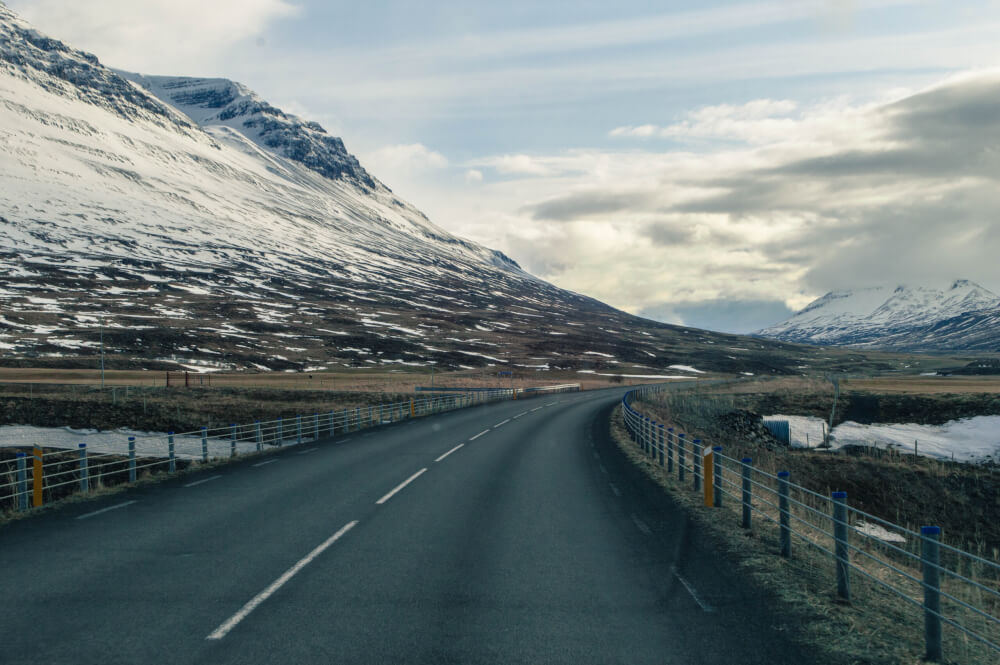
10. So, don’t forget about the beauty of Iceland’s Highlands
If you have time and want to escape the crowds, I can’t recommend this stunnnnnnning area enough.
The Highlands refer to the vast interior of Iceland, away from the coast, filled with some of the country’s most dramatic natural landscapes.
Compared to the Ring Road, the Highlands have way fewer visitors, but I have to say, after doing a trip specifically to see them very recently, they are not without their challenges.
For one, the Highlands and their infamous F-Roads are only accessible between June and September, so that’s a fairly small window of time that they can be safely visited.
Weather can also be unpredictable, and the roads themselves can be quite difficult to navigate, with them largely being gravel paths that run over rivers and all kinds of varied, potentially challenging terrain.
So yes, definitely weigh those pros and cons when deciding where to go.
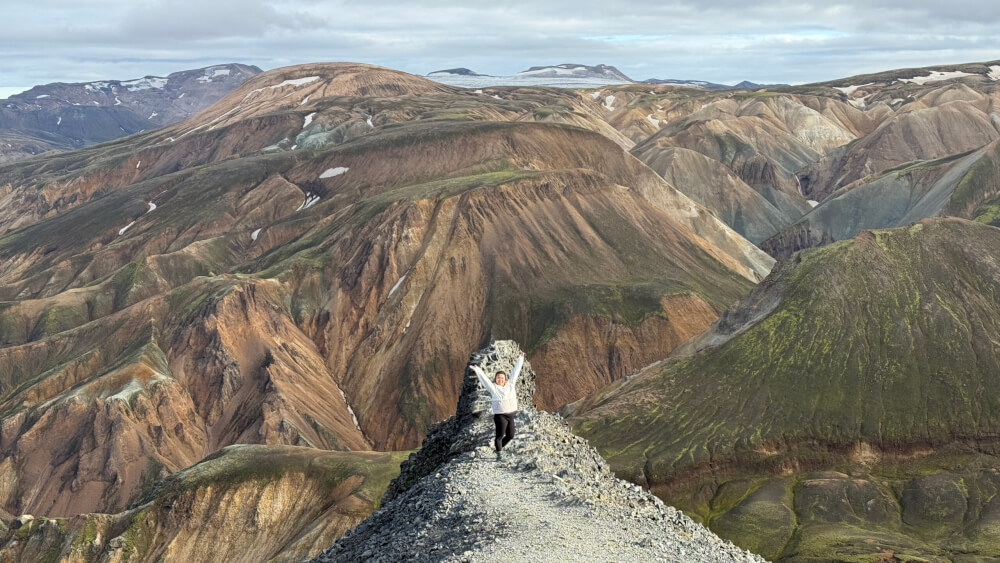
11. But do not just plan your trip around cool spots you saw on Instagram
This is how you can end up with a disjointed itinerary that takes you from photo opp to photo opp!
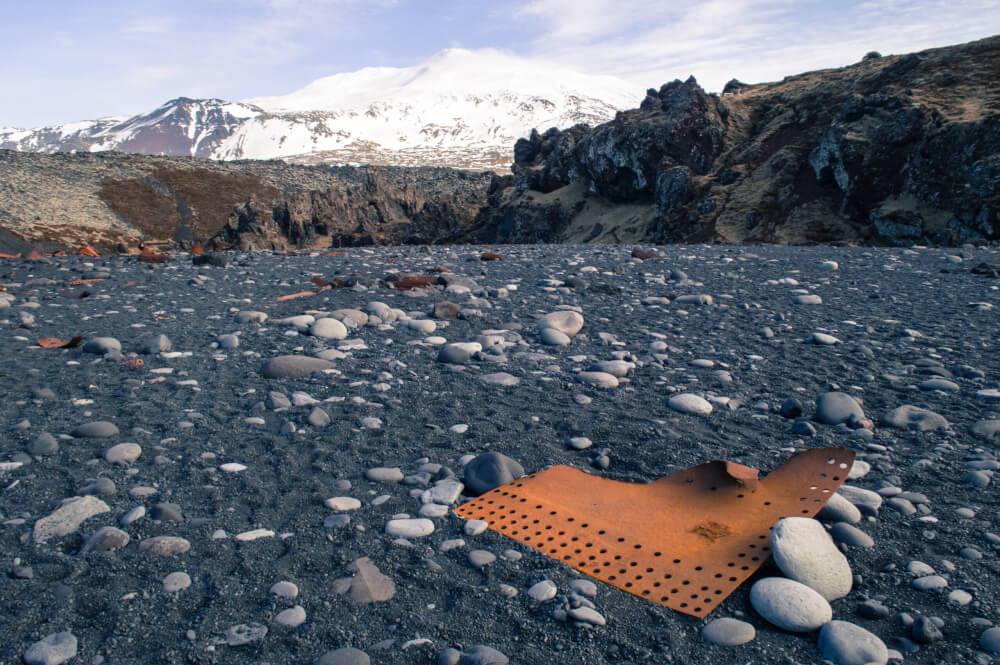
Iceland is best enjoyed slowly, rather than racing from one sight to the next, and honestly, a lot of the hyped up spots on Instagram like the Sólheimasandur plane crash, for instance, aren’t really worth the time, in my opinion.
So I would recommend you do a bit of extra research beyond the most popular photogenic spots for sure. As silly as it sounds, I had great luck just poking around on Google Maps to find random places we could park and look at views. Iceland is full of them!
12. It’s important to build flexibility into your itinerary as plans may need to change
Whether due to weather or other reasons, you can’t count on your Iceland trip going exactly as you planned it.
So definitely build some buffer time into your trip and also avoid anything that’s strictly non-refundable when it comes to activities and tours because you don’t want to be stuck doing an activity in the completely wrong weather conditions.
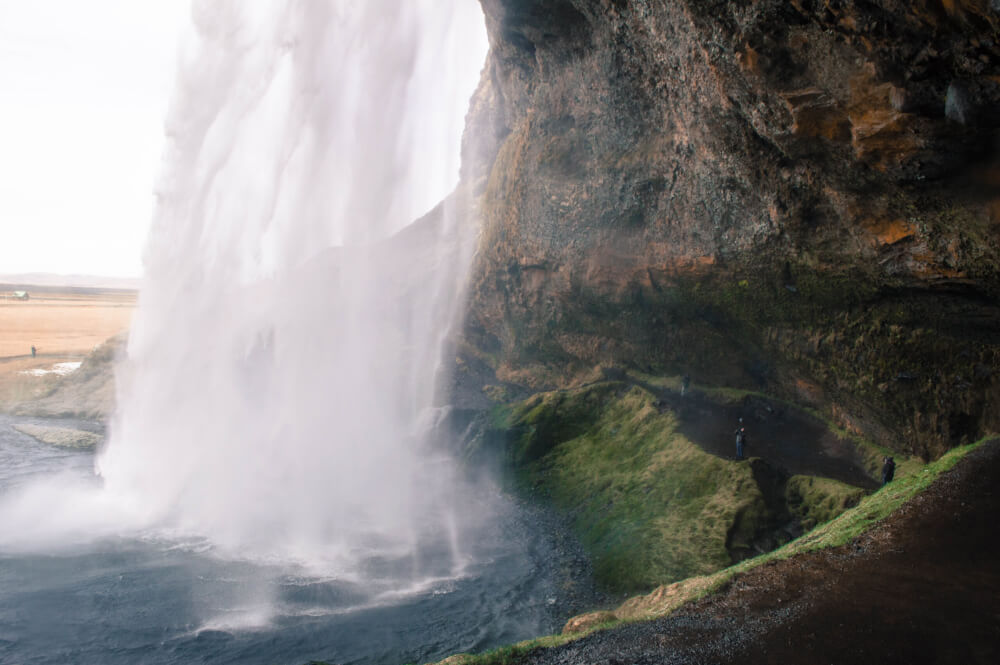
13. Prepare your wallet because Iceland is very, VERY expensive
You’ve probably already heard this a million times before, but Iceland is very expensive. Very, very expensive.
On a recent layover I basically spent $100 before even leaving the airport, between $50 for luggage storage and another $50 for the Flybus.
It’s a tough pill to swallow, but once you have your expectations in check, you’re able to then turn your focus to ways you can smartly save money. I’ll expand on more specific tips later but I definitely think the number one most important tip in this regard is to…
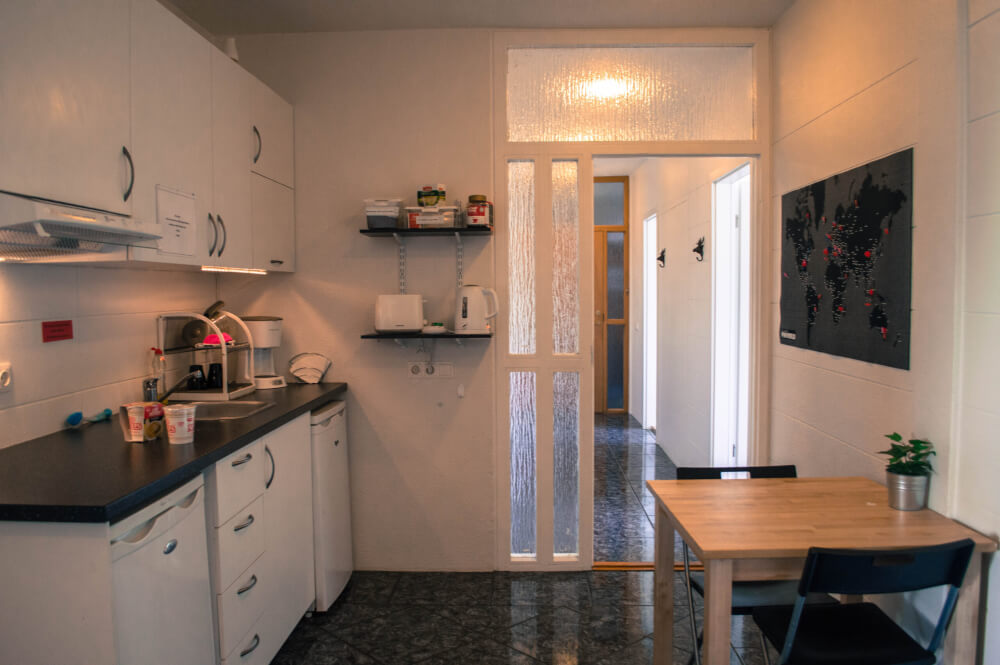
14. Book accommodation with a kitchen so you can buy groceries for some meals
Iceland can be a very pricey country to dine out in, especially if you’re doing it for every single meal.
Based on my experience this past summer, the rough price range for things was about…
- 800 ISK for small bites like a pastry or hot dog (About $9 CAD)
- 3000 ISK minimum for mains at a budget sit-down restaurant (about $30 CAD)
- 1500 ISK for a beer (About $15 CAD)
But of course, on the upper end, there are fine dining experiences that run for prices like 66,000 ISK per person ($750 CAD).
So yes, it is a spectrum and there are more budget-friendly places to dine out, but it can really be a huge cost saver for you to book somewhere that has a kitchen so you can at least prepare a few meals yourself with groceries which are, relatively speaking, quite affordable especially if you stick to more budget supermarket chains. But more on this topic later.
If you’re staying in more remote areas outside of the capital as well, finding decent options for dining out might be limited, so I would book a place with kitchen facilities no matter what.
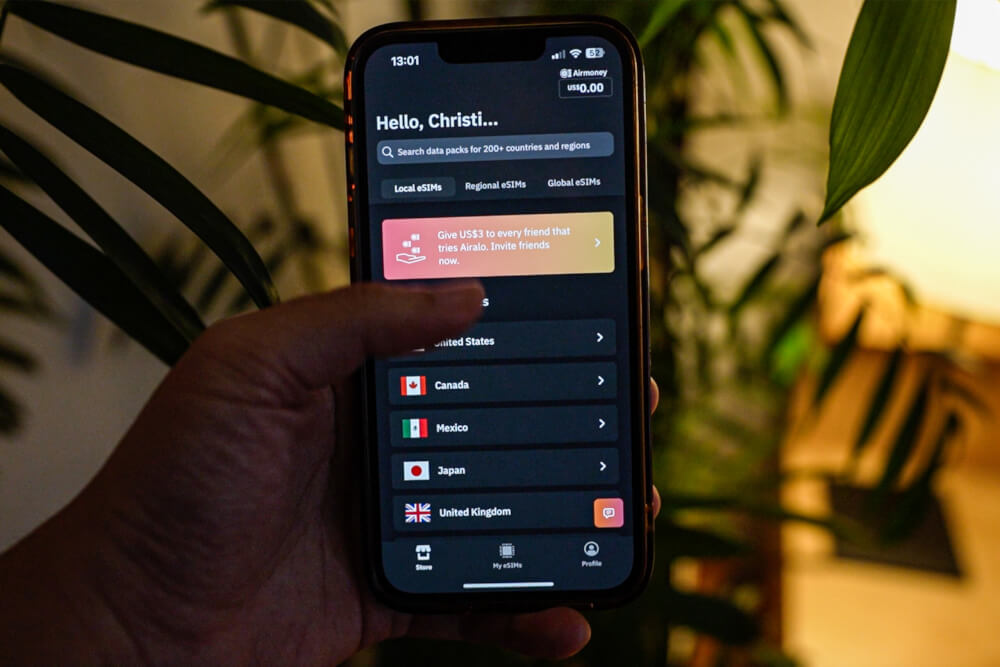
15. Make sure you have mobile data for your trip – you’ll need it for sure!
From translating signs and paying for parking to navigating all over the country, you will definitely need mobile data when in Iceland…
And my personal pick for this would be getting an eSIM in advance, because then you have connection as soon as you land, rather than waiting to grab a physical SIM or pocket WiFi.
When I tell you I would not have survived this trip without my eSIM, I’m not joking. Upon landing in Keflavik there were no signs for the storage lockers so I needed to search up a guide online to find them.
Luckily I had set up my Airalo eSIM at the airport before leaving, getting everything purchased and set up on the app within minutes. All I had to do upon landing was turn it on, and I was able to connect to mobile data hassle-free… for much cheaper than roaming.
You can check out my complete Airalo video guide to see step by step how to set your eSIM up.
16. Make sure to get a travel-friendly card as you’ll be using it a lot
In Iceland, they use card payments for practically everything – I didn’t take cash out once on my recent trip, so definitely make sure you have a card that won’t be charging you fees abroad.
My go-to has been Wise for years and not only do they NOT charge extra fees for usage abroad, they also allow for two free ATM withdrawals per month and you even get a card sent to you for free.
If you use my referral link, you can get your first transfer for free.
17. Don’t rely too much on weather forecasts because the weather is unpredictable
This is especially true if you are trying to look at forecasts more than a few days in advance, so do know that weather can and does change frequently in iceland, so you want to plan and be prepared for all potential weather cases.
The best resource for weather, in any case, is the official website of the Icelandic Met Office which can be found at en.vedur.is.
And if you’re someone who believes that there’s no such thing as bad weather, only bad clothing, then you’ll like this next must-know, which is to…

18. Pack properly for Iceland by having items fit for all weather types
Do not underestimate how cold it can get even in the summer – Icelandic wind chill is no joke. No matter the season, I would ensure I have warm, reusable base layers, a warm mid layer like a fleece, as well as a solid waterproof outer shell.
I would probably also pack any over the counter medication just in case, because some things might be hard to find in a pinch, and are usually quite pricey as well from pharmacies.
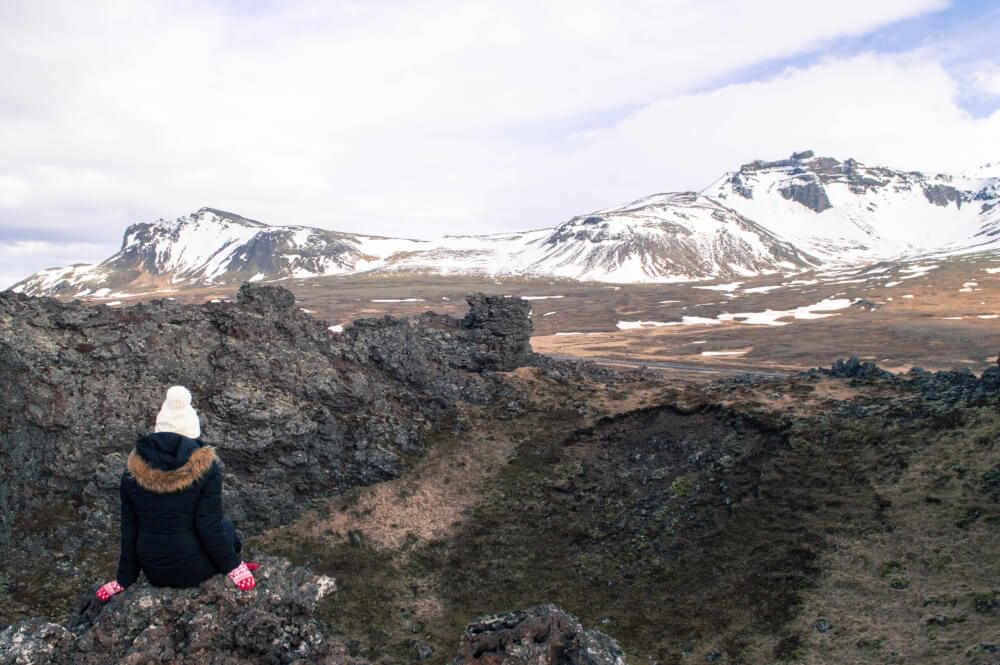
19. Renting a car is hands down the best way to explore the wonders of Iceland
If you have the time and means to do this, you really won’t regret it. Having your own car means you can go at your own pace and also discover your own hidden gems and visit lesser known spots.
We rented through Blue Car Rental which is an Icelandic company with an office a 5ish minute walk from Keflavik Airport. They even had a pre-check in option and contactless key pickup which made things SO simple so we could just get on the road.
NOTE: If you plan to do any F-Roads at all during your trip, a 4×4 is mandatory. This will, of course, mean your rental is pricier but if you want to safely and legally navigate those Highland roads, you’ll need to pay for it.
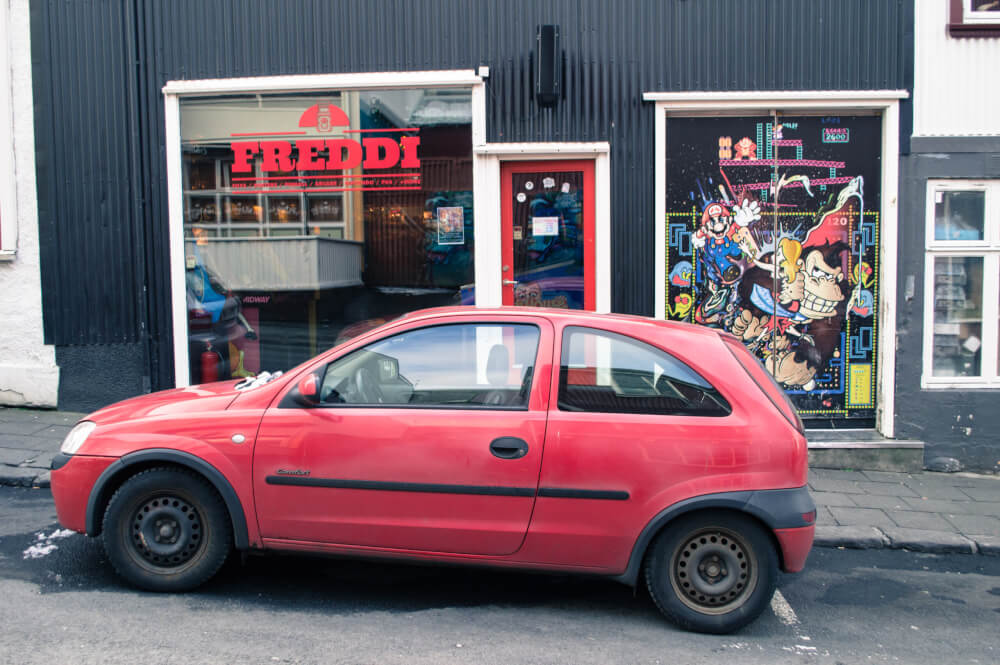
20. Always take out full car insurance in Iceland so you have ease of mind
I cannot stress this enough, but always but make sure you get the full car insurance option.
There are many, many random things that can go wrong when driving in Iceland, a lot of which is out of your control, so trust that the full insurance is worth the extra cost! On our first camper van trip as broke students, we decided to cut costs and not go for full insurance, which resulted in us getting charged hundreds of dollars upon return due to gravel-inflicted damage.
… So, needless to say, I went for full insurance on my next trip and didn’t regret it once! There’s so much freedom in just handing off the keys at the end, knowing there are no surprise charges waiting for you.

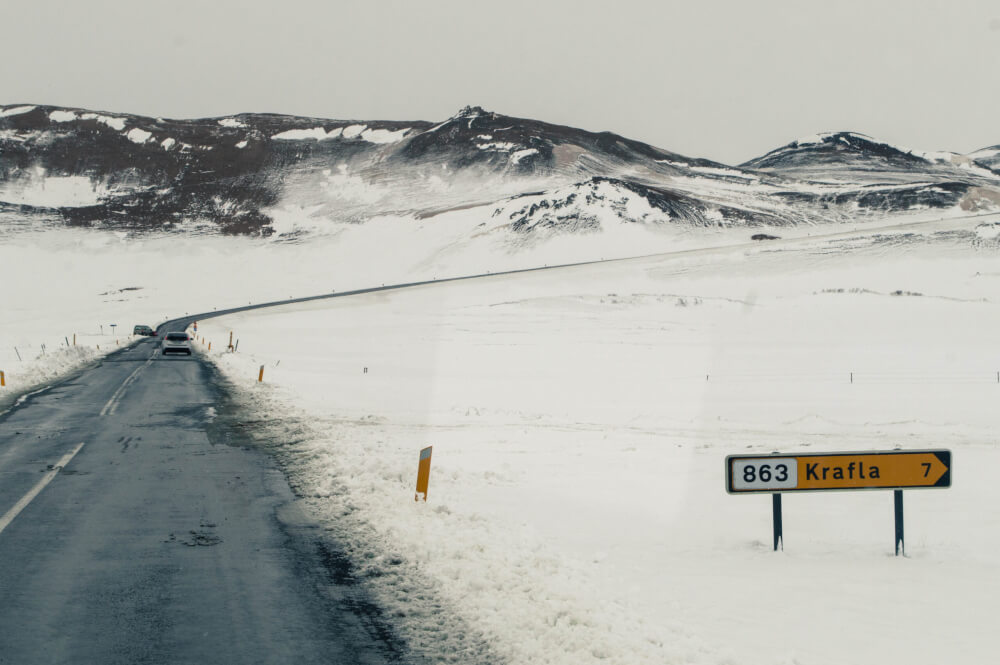
21. Familiarize yourself with common road signs before you start driving around
You should also at least have a look at the main road signs you’ll encounter before you head out so you know what they all mean.
It’s very basic but Wikipedia actually has a really good list. Of course, some are very obvious, but there are also some more unique ones worth checking out!
22. Iceland has tons of great tour options for those who don’t want to drive
Of course, if you don’t want to drive yourself around Iceland, there are TONS (seriously, an inconceivable number) of tour companies ready to whirl you away on your dream excursion.
These options can, of course, be quite pricey but what you’re paying for is convenience.
Again, there are many tour companies out there to choose from – I usually search on GetYourGuide to see what’s available on my dates, and skim through reviews to pick one.
Tours can really be a great option, so long as you’re okay with the obvious downsides which are that you don’t have as much freedom to explore at your own pace, and you’ll inevitably be brought to the most touristic sights, with not many options to go more off the beaten path.

23. Public transport does exist but largely connects towns/villages, not tourist spots
Since someone will inevitably ask, I should clarify that there are public transport options in Iceland, but they mostly are for locals traveling between towns and villages. In other words, they don’t really connect you to the main tourist sights.
So if you want to experience any of Iceland’s epic nature, you really will need to either rent a car or book a tour. Public buses will get you between towns but that’s not really where you’ll experience the best of what the country has to offer.
24. Google Maps is a good app for navigation but be wary of its time estimates
Now if you’ve chosen to rent a car, here are some more tips about driving and navigating. Google Maps is a good app to use for getting around, but take the time estimate with a grain of salt.
Especially if you’re travelling on F-roads or gravel paths, I think Google Maps’ driving estimates kind of assume that you’ll be driving close to the speed limit but that’s just not possible in some road conditions, so we had drives that took easily twice as long as what Google maps estimated.
YouTube actually has a lot of great videos, by the way, from people who have recorded themselves driving on specific F-Roads, so do look into those if you’re unsure of whether or not you’re able to handle some of them. Research is key because not all F-roads are made equal.
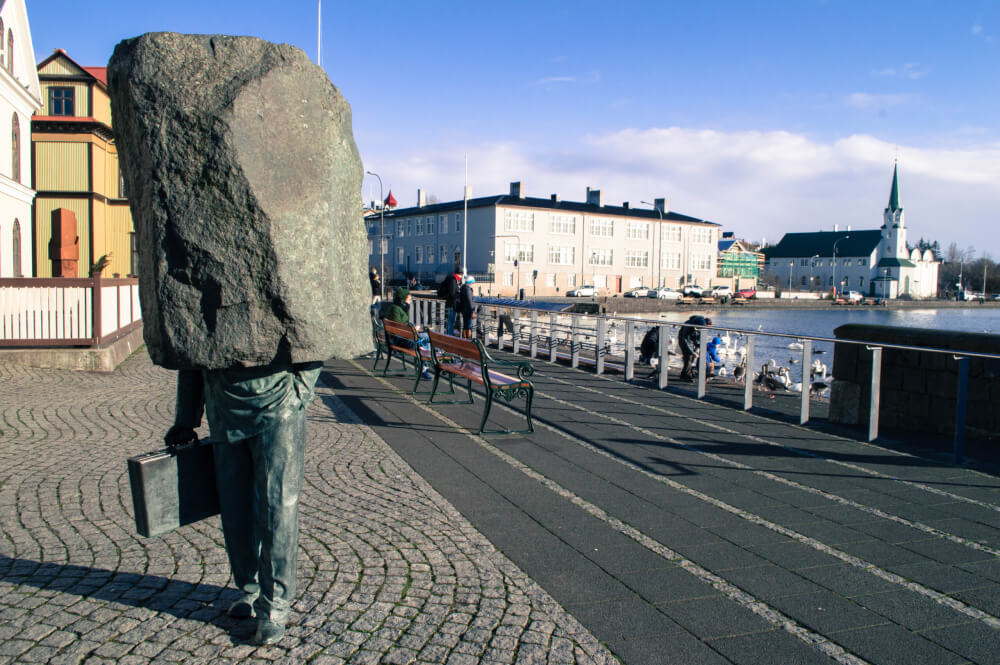
25. Beware that Iceland is very strict on speeding & drunk driving, with steep fines
So do not drink and drive at all, and also be sure to brush up on other general rules of the road so you’re properly prepared. The last thing you want to ruin your Iceland trip is a brush with the law!
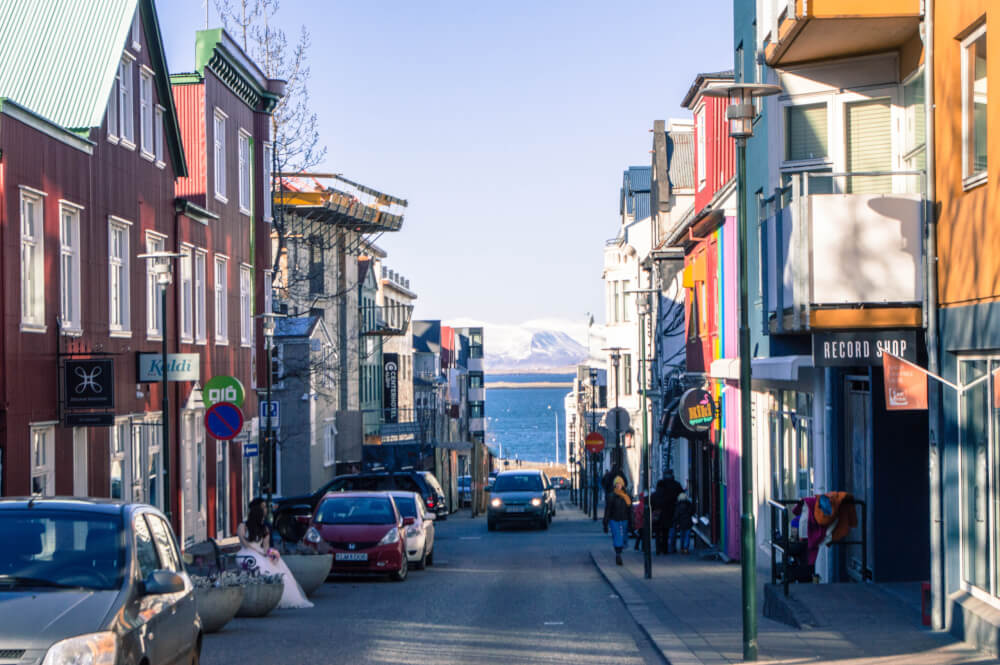
26. Most car rental companies offer a discount with certain fuel companies
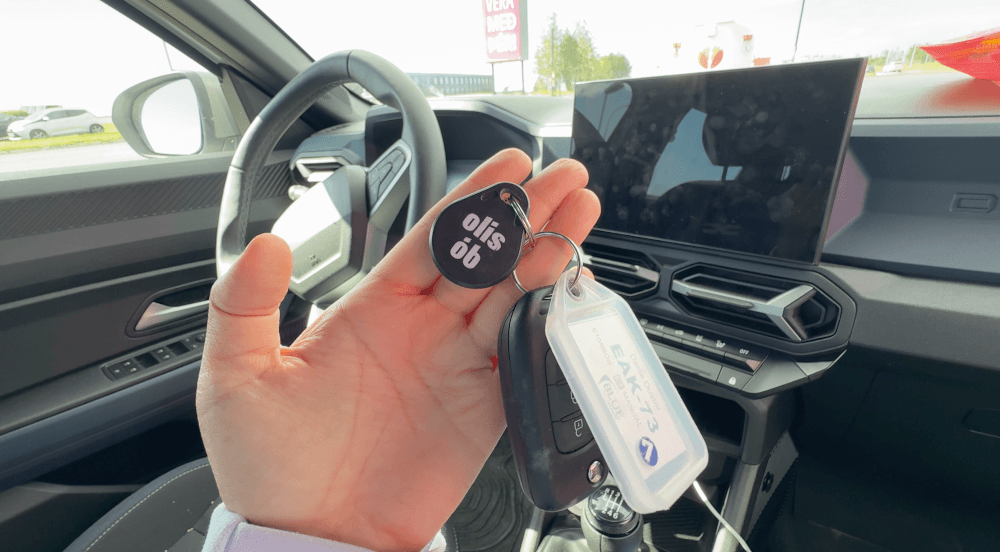
When it comes to time to filling your tank, do know that most of the rental companies have teamed up with different fuel companies for discounts, so ask about that when you get your rental, or keep an eye out for a special fob on the keys that you can tap at the right gas station to get a discount.
If you have a Costco membership though, I have heard that filling up at the Costco just outside Reykjavik is great value.
And while we’re talking about getting fuel, filling up in Iceland might not be the most intuitive experience for many first timers, so I’d recommend you watch some videos in advance of the process which annoyingly varies a bit depending on the company.
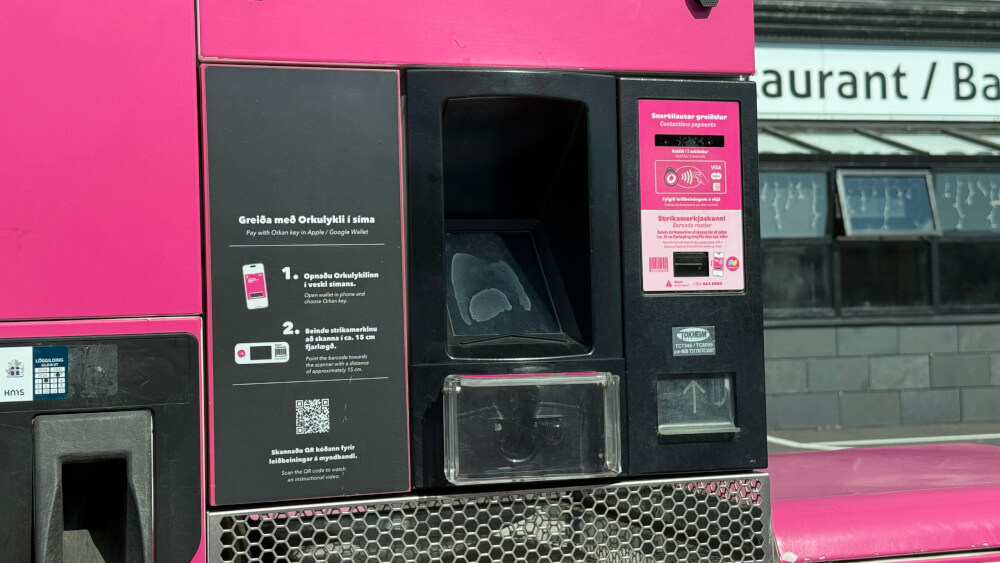
27. Some gas stations are unmanned and will not take cards without PINs
If you have a quick search of this topic online, this has led to many first timers getting stranded at the pump, with cards getting declined left and right.
To be honest, the stories seem so random as to what properly works – some people say their Apple Pay works fine, others say it doesn’t. Some people say their credit cards with PINs work fine, others say they still don’t work… so it’ll really depend.
The only fool proof way, it seems, is either going inside to pay when it’s possible or alternatively getting a prepaid card for ease, so that might be a good option.
Do keep in mind though you should always go for a set amount to fill, rather than press the ‘fill up’ button as this can apparently put a $200 hold on your card sometimes.
All in all, if your card isn’t working at the pump, don’t panic – it’s a common issue with foreign cards. Worst case scenario, try another gas station or go inside to pay if you can.
28. Download the Parka or EasyPark apps for quick & easy parking payments
These days, most of the main touristic points of interest in Iceland charge a parking fee. Luckily, there are apps you can use to quickly pay for parking so you don’t need to go up to the machine, and as a bonus, you have digital records and receipts.
We used Parka on our trip which worked for every parking area we went to except one, so the coverage is really good.
Do note though that most of the parking areas use license plate-based parking rather than ticket based ones to be displayed, so triple check you put the right license plate.
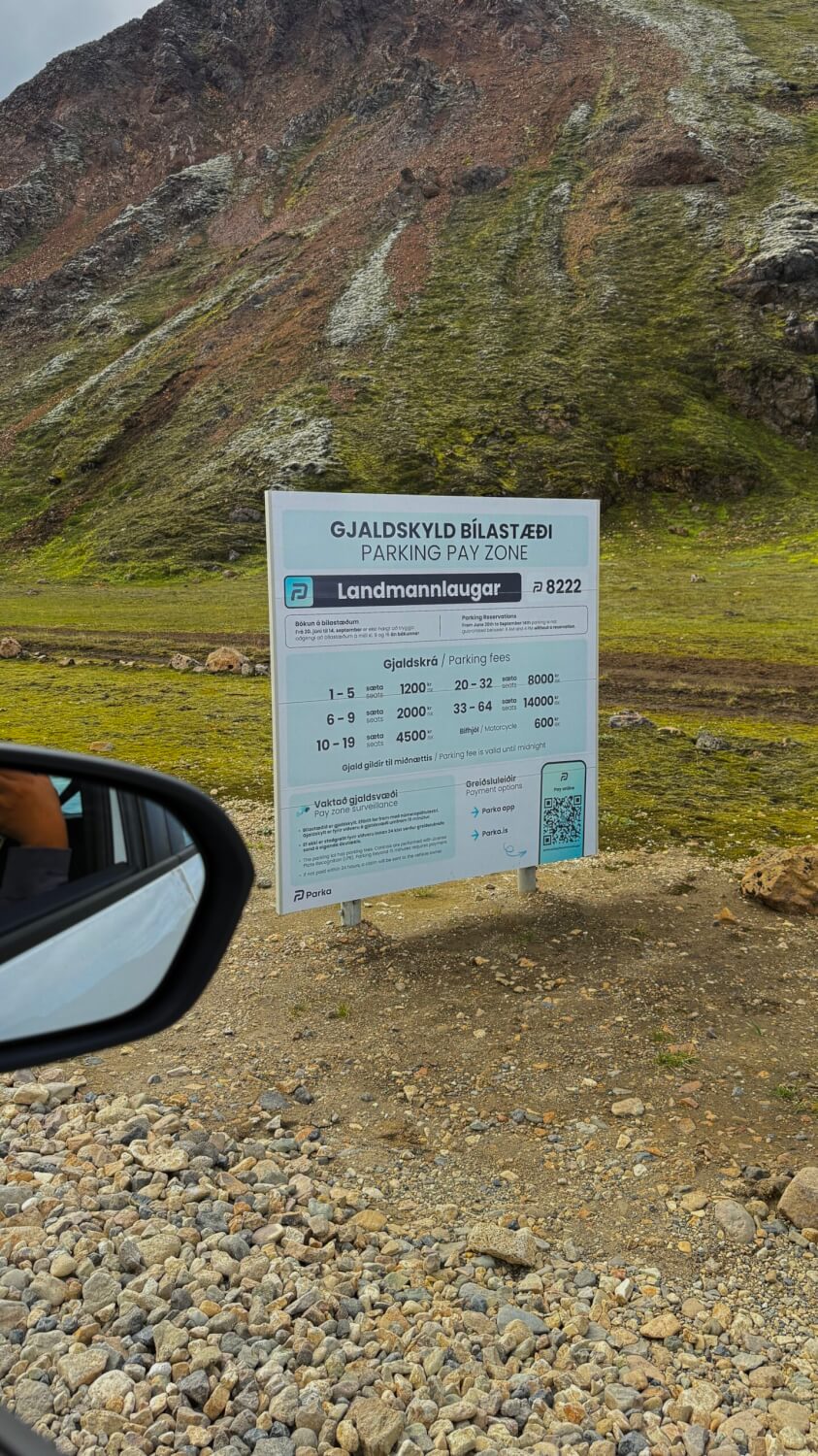
29. You may need to reserve parking spots for busy places w/ limited parking
Now, usually you’ll be fine to just pull up to a parking lot and pay on the app as you arrive, BUT beware that in some places you do need to reserve your parking spot.
Landmannalaugar for instance, has introduced a reservation based parking system for peak periods, during my visit being from June 20 to September 14th between 9 AM and 4 PM. So, do double check for any big sights you plan to see whether or not you might need to reserve parking ahead of time.
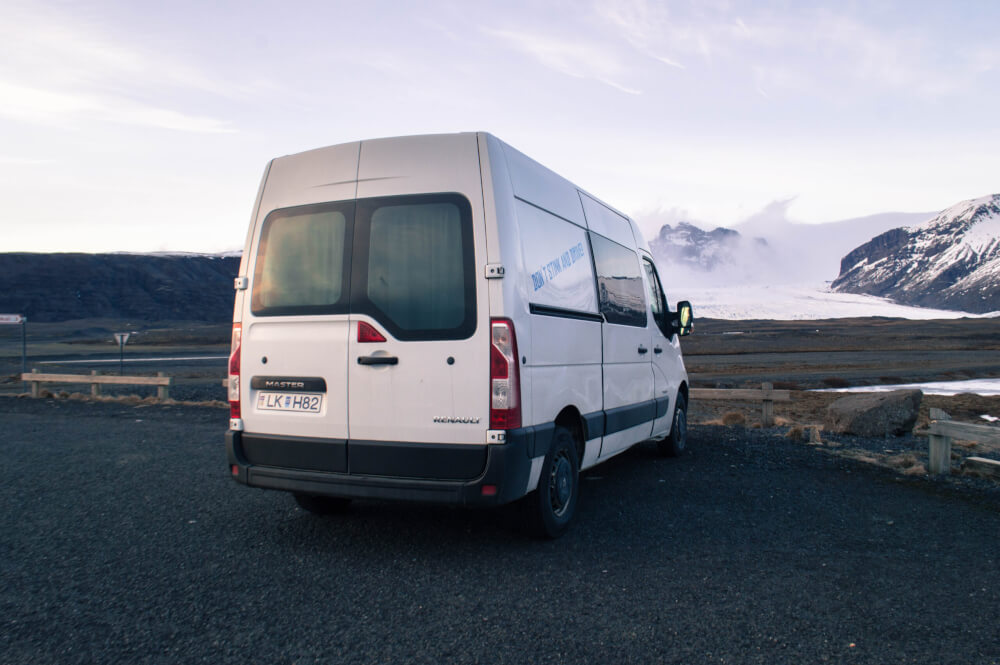
30. Book very popular attractions and tours well in advance (when needed)
Since most of Iceland’s main sights involve huge natural attractions, there truthfully aren’t too many big must-sees that require prior booking.
Off the top of my head though, the Blue Lagoon or snorkelling in Silfra would definitely be ones to book if you had your heart set on a specific date or time slot.
Any niche-r tours with smaller companies might also be worth booking in advance if you can… although there are always lots of tour companies doing similar routes so honestly, if you’re flexible, you’ll usually be able to find at least someone that you can go with if your tour is for a popular destination.
That said, I would really recommend you…
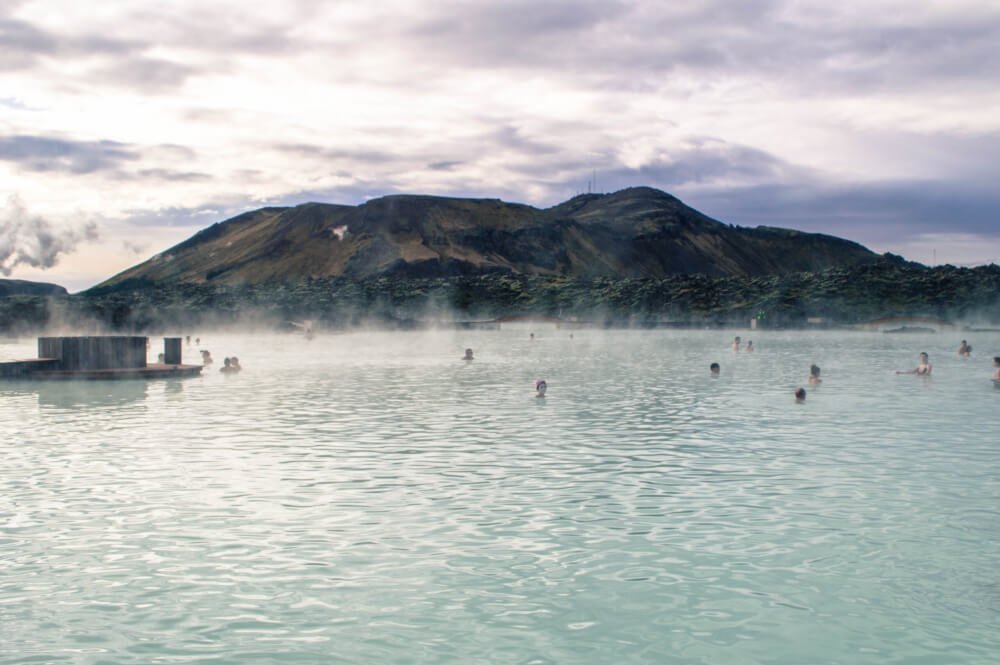
31. Look for less touristy alternatives to the most popular must-sees
This is especially doable with a car, and I just think Iceland is full of so many epic wonders that you’re not getting the full experience if you just go from one famous touristy spot to the next. Granted, many of them are famous for a reason, but with waterfalls, for instance, there’s 10,000 of them, so definitely have a little zoom around on Google Maps to potentially uncover lesser known sites.
This is how we ended up getting some truly incredible sights to ourselves… including free mud baths only 30 minutes outside of Reykjavik!
So, for every famous waterfall, thermal bath, and hike, there’s often hundreds of great alternatives, so be sure to dig a little deeper to expand your itinerary beyond the most famous ones.

32. Plan your visit to popular spots for before/after tour groups will arrive there
If you do plan to visit the most famous spots though, I do have a tip for you to beat the crowds… and that’s to go before or after the usual visiting times.
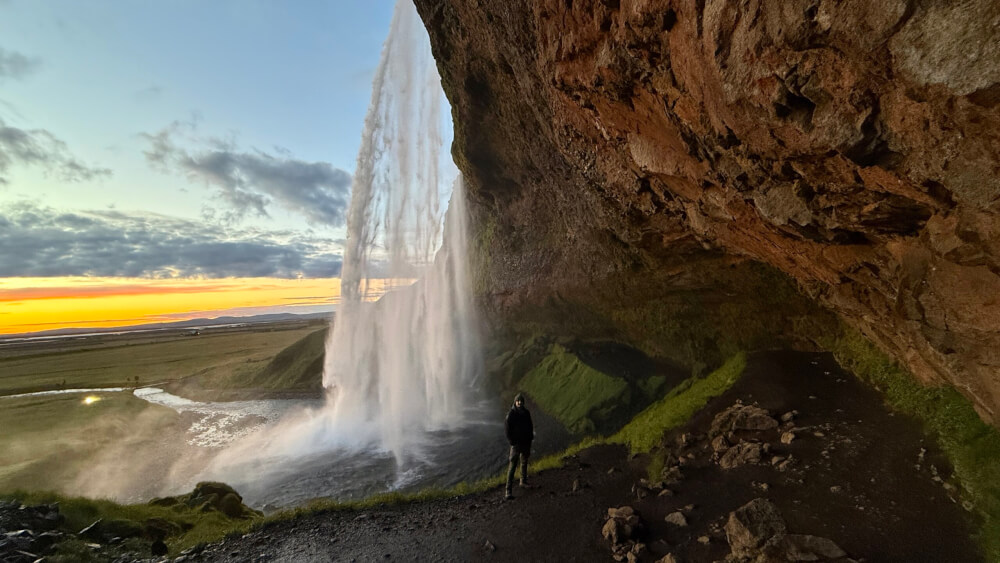
On our summer trip, we took advantage of the longer daylight hours and visited some of the most popular sights in the country late in the evening, often having them to ourselves completely. In some cases, we had spectacular sunset views which made the experience even more unforgettable.
There’s plenty of nature to go around in Iceland but places can feel quite congested when large bus tours frequent them, so planning to visit outside of peak bus tour hours, usually mid morning to late afternoon, will give you a better chance at dodging the worst of the crowds.
33. For museums and other man-made attractions, look into passes for savings
To be completely honest with you, I think your priority in Iceland should absolutely be the amazing nature and landscapes. While there are lots of man-made attractions popping up, especially in and around Reykjavik, I don’t think anything really can beat the thrill of seeing natural attractions…
BUT if you have a particular interest in something, or maybe the weather isn’t great, and you want to visit a museum or manmade attraction, two things – 1) definitely book ahead. Often tickets are cheaper online, and 2) look into any bundle deals or discounts especially for attractions in Reykjavik.
The Reykjavik City Card, for instance, include admission to tons of attractions, as well as public transport and lots of discounts for other spots, so definitely worth looking into for big savings.
34. Buy groceries and make a few of your own meals to save a LOT of money
In terms of the more affordable grocery stores in Iceland, Bónus and Krónan are both solid picks that you’ll find all over the country. For longer trips with more people, Costco might also make sense, but do know they sell larger quantities of things (as Costco does!) so you might not end up using it all.
We actually had extra baggage allowance on a recent trip so we brought some instant noodles and instant rice from brands we liked in the UK… but I was surprised by how affordable some of the staples were in Iceland, and I don’t think bringing food is needed at all.
You can definitely find good deals if you shop the specials and sales as well as stick to generic store brands like First Price.
While shopping at Bonus and Kronan, I found Pastas and sauces were in the 200-500 ISK range, I got a big packet of fresh spinach for around 300 ISK.
And some toiletry staples, like toothpaste and feminine hygiene products, even seemed cheaper than at home to me, with tubes of toothpaste going for the 400-500 ISK range.
So yes, grocery shopping can be a huge help!
35. Keep your receipts for grocery store shopping as you sometimes need to scan it
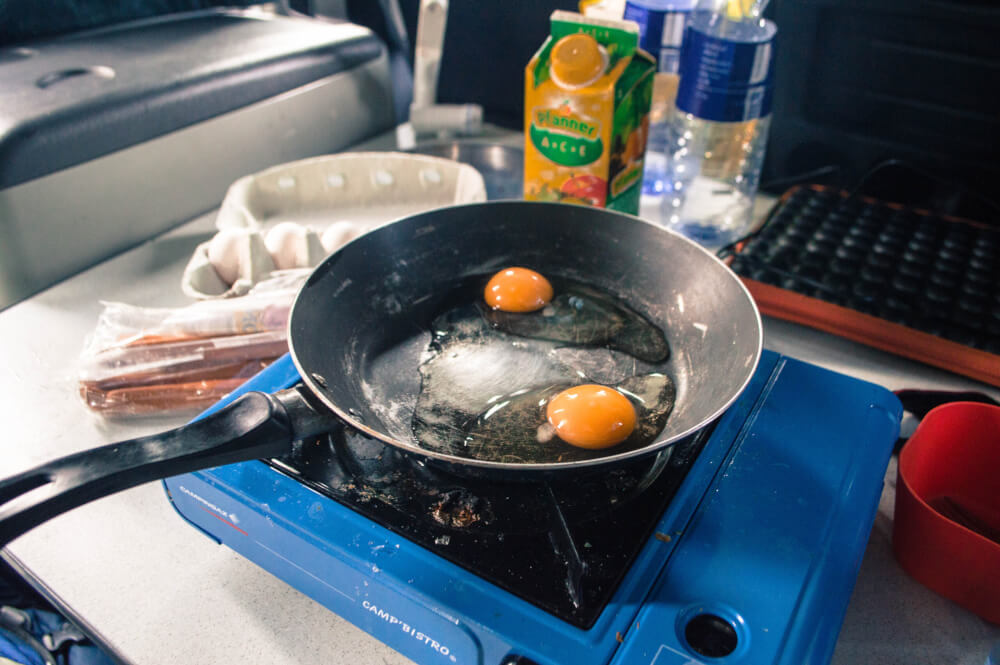
If you do shop for groceries though, do hold on to your receipt so you can leave the store! Often, there’s a gate where you need to scan your receipt to get out.
This is just a quirk I noticed – but don’t worry, an employee is usually happy to scan you out if you’ve somehow lost the receipt or just generally look like a hot mess.

36. Be sure to try some local specialties as well
While buying groceries is a good way to save money, part of travel is experiencing local cuisine, and luckily in Iceland, trying local dishes doesn’t have to be super expensive.
Some of the more affordable specialties include…
- Fish soup
- Cinnamon buns
- Skyr, which is similar to Greek Yogurt
- And of course, Icelandic hot dogs
Lamb and arctic char are both also very popular dishes you’ll find everywhere.
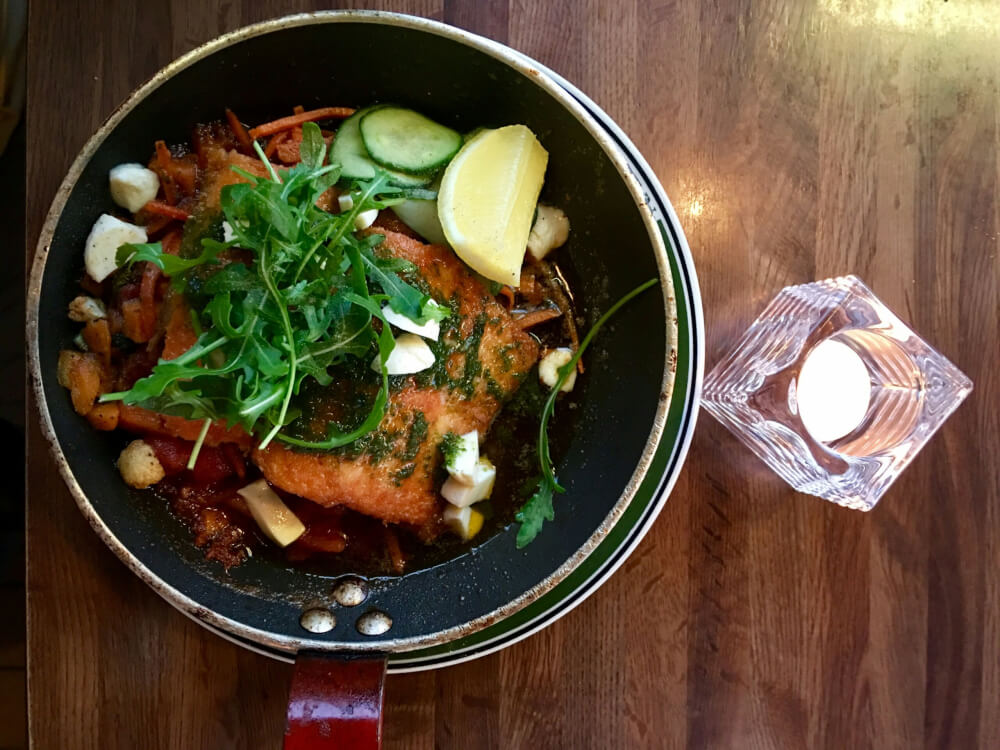
Another unique specialty of Iceland is produce grown with the help of the country’s geothermal energy, a big one being tomatoes, as made ultra popular by Friðheimar, who grow tomatoes year-round in their greenhouse and have made quite the splash selling tomato soup and other specialties on-site.
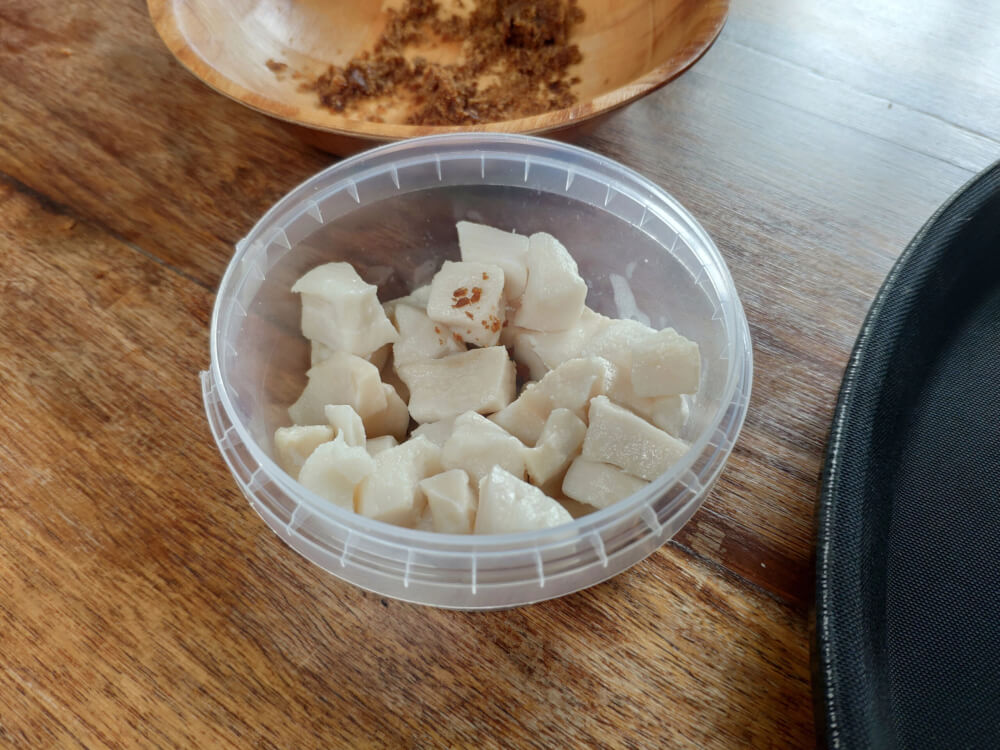
Of course, there are some other specialties too you might have heard of, like Hákarl, also known as fermented shark. I have never once heard someone describe it as being anything but disgusting so I don’t think you necessarily need to try it just for bragging rights, but know that it’s something else you can try.
37. Food Halls are another option for relatively more budget-friendly eats
These seem to be really popular now around Iceland.
They’re basically food courts where there’s a number of different stalls you can choose from, with a communal seating area which makes it ideal for travelling in a group, since people might want to have different things.
Since these are quicker service type places, they tend to be cheaper than sit-down restaurants.

38. Book popular restaurants in advance if you have your heart set on them
If there’s a particular restaurant you’ve heard of that’s also popular, make sure you book your visit in advance as these popular places get very busy.
The tomato place I mentioned earlier is a great example of somewhere that books out very far in advance, so do definitely make bookings ahead of time if there’s somewhere in particular you’re very keen to dine at.

39. Alcohol is pricey so buy from duty free
If you’re on a budget and road tripping, odds are you won’t be drinking much on your Iceland trip anyway, but just know the cheapest way to procure alcohol is at the duty-free.
And be prepared for high alcohol prices in restaurants and bars as well. Luckily, the water is very delicious and very free.
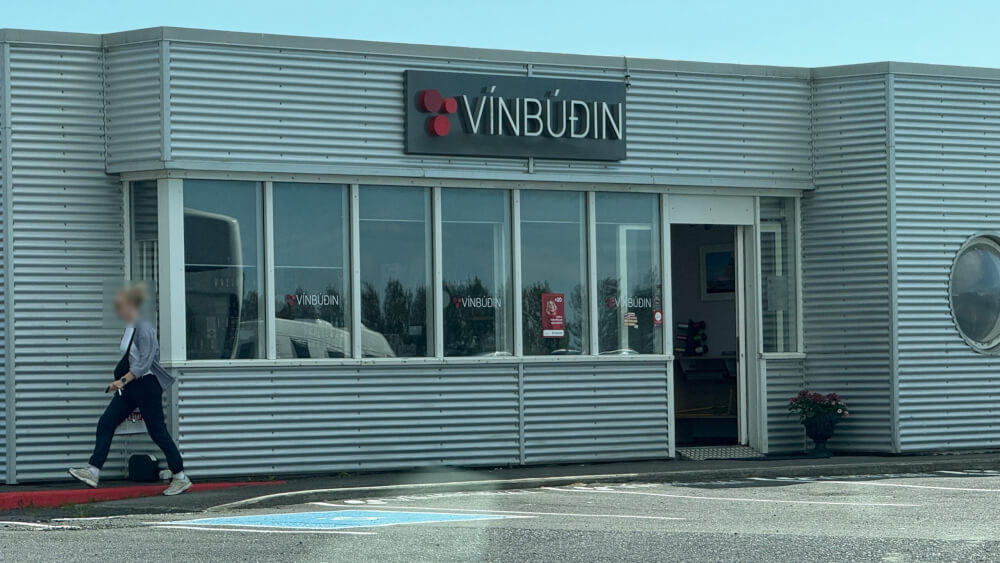
Also be aware that only Vinbudin can carry strong alcohol, so if you want something stronger than beer and you’ve already left the airport, that’s where you need to go.
40. There IS luggage storage at Keflavik Airport, but it’s surprisingly hidden
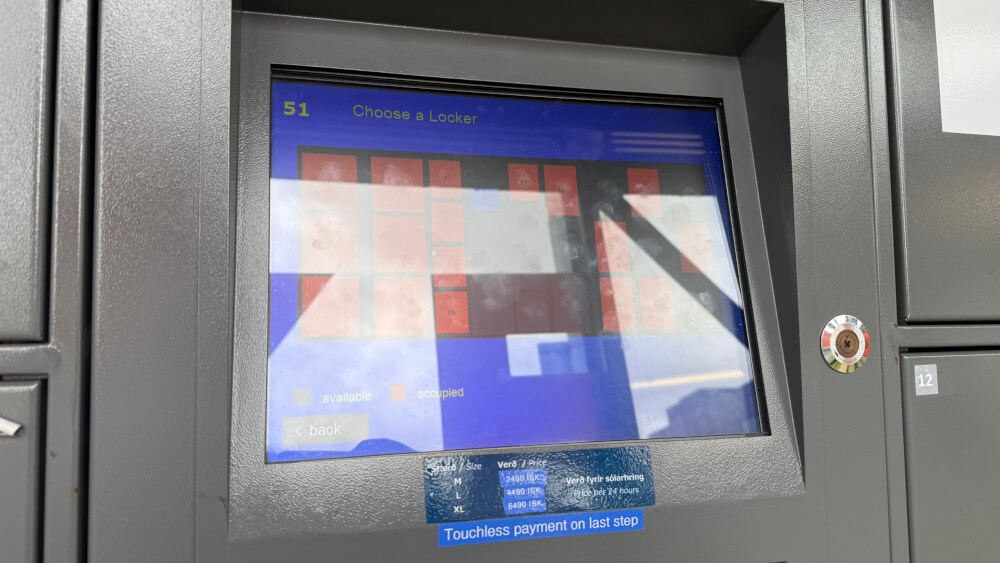
First off, a bit of info for those of you with short stopovers of maybe a day, there is luggage storage available at the airport – if you can find it!
There aren’t a ton of spaces though and it does work out to be quite expensive. As far as I could tell, the only option was to book one for 24 hours and so in June 2025 the prices were…
- Medium for 2490 ISK
- Large for 4490 ISK
- XL for 6490 ISK
I managed to get my carry-on bag and tote in a large but the available spaces were also very scarce, so don’t rely on this option unless you have to. I also saw lockers at the bus station as well if you need another option.
Now another important thing for once you arrive is to…
41. Learn the basics of Icelandic pronunciation for destination names
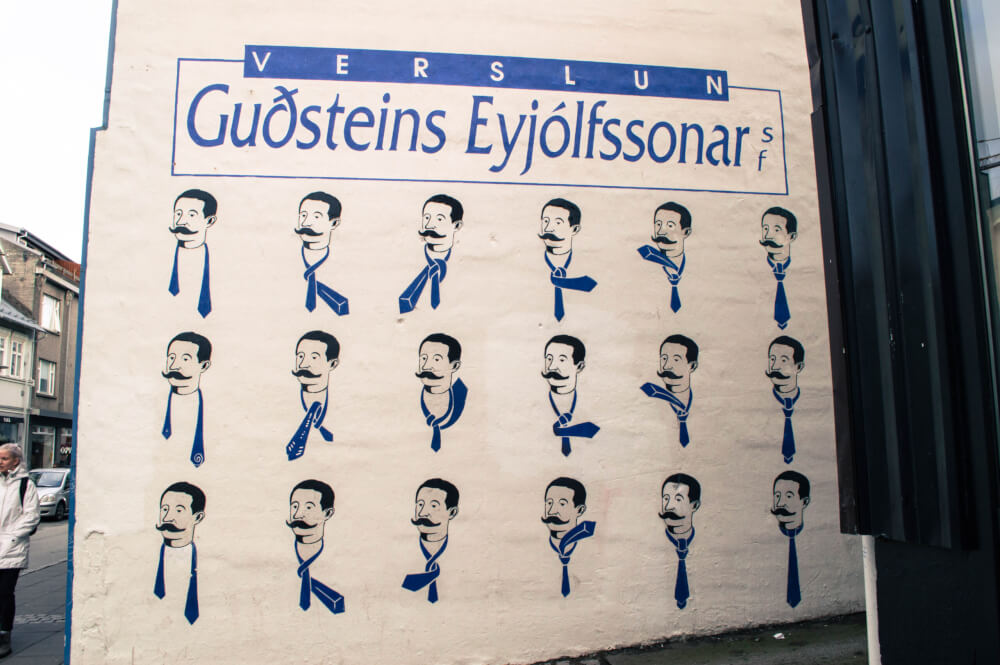
This is just helpful if you need to ask for directions or anything because generally Icelandic people will not expect you to speak that much Icelandic beyond thank you, which is Takk, but if you butcher the pronunciations of places they might have no idea where you’re actually talking about.
Some helpful must-knows include…
- ð – pronounced th
- æ – pronounced eye
- ll – often a tl sound
- j – pronounced with a y sound
- í – pronounced like an ee sound
42. Tipping culture doesn’t really exist in Iceland, so tips are generally not expected
Of course, as you can expect, many service providers will not complain if you try to give them extra money, but most Icelanders are very adamant about not bringing tipping culture into Iceland, so do with that info what you will. It’s most definitely not expected in the least.

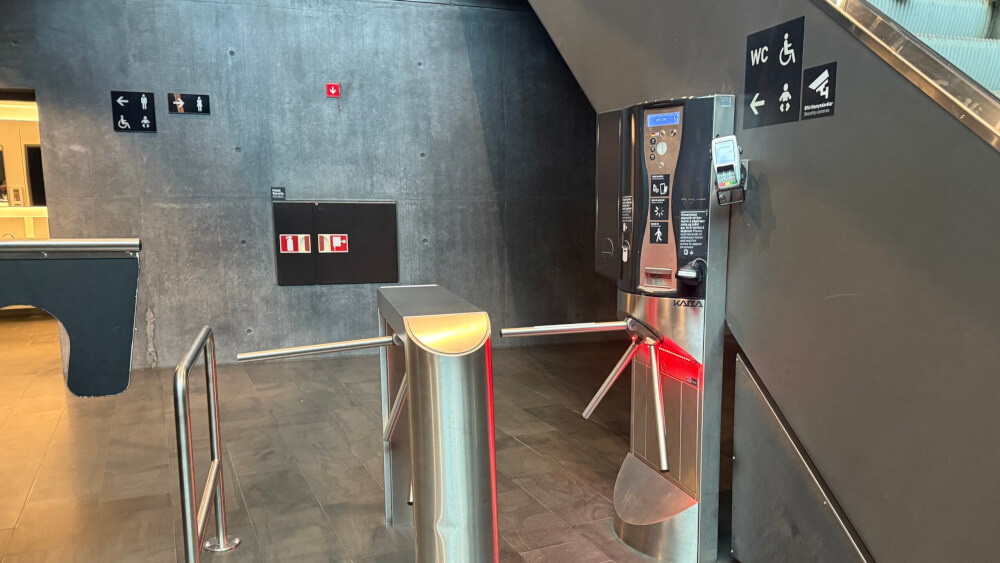
43. Beware that most public toilets do cost a small fee, but you can pay w/ card
From what I could see, the cost would range from 150-200 ISK so it’s not going to break the bank but if you can make it a point to use free facilities like at your hotel or at a restaurant when you can, that’ll save you a bit more money for cinnamon buns.
Now speaking of saving money, do…
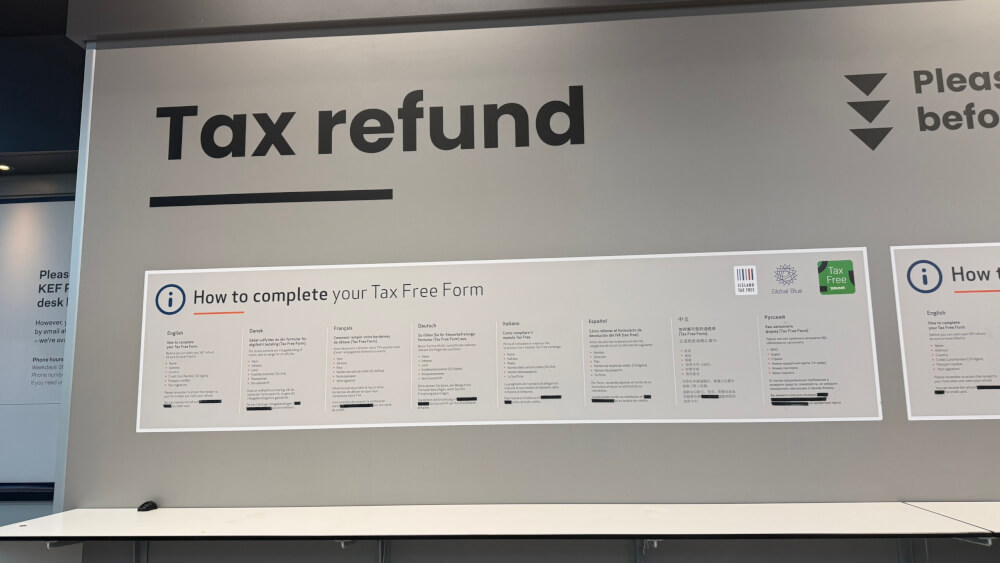
44. Ask for a tax free form when buying items that total more than 12,000 ISK
When shopping in Iceland, all non-residents are entitled to tax free purchases, so long as the items are going to be exported, or in other words, taken home with you. But the way this works is you have to get a tax free form in store when making purchases totalling at least 12,000 ISK on one receipt.
They’ll then fill out the form and attach the original receipts, then when you leave Iceland, you go to the refund point with this form to claim your refund. They may also ask to see the items, though not always, so make sure to do this before you check those items away in your luggage.
45. Do not plan to arrive too early for a flight from Keflavik Airport
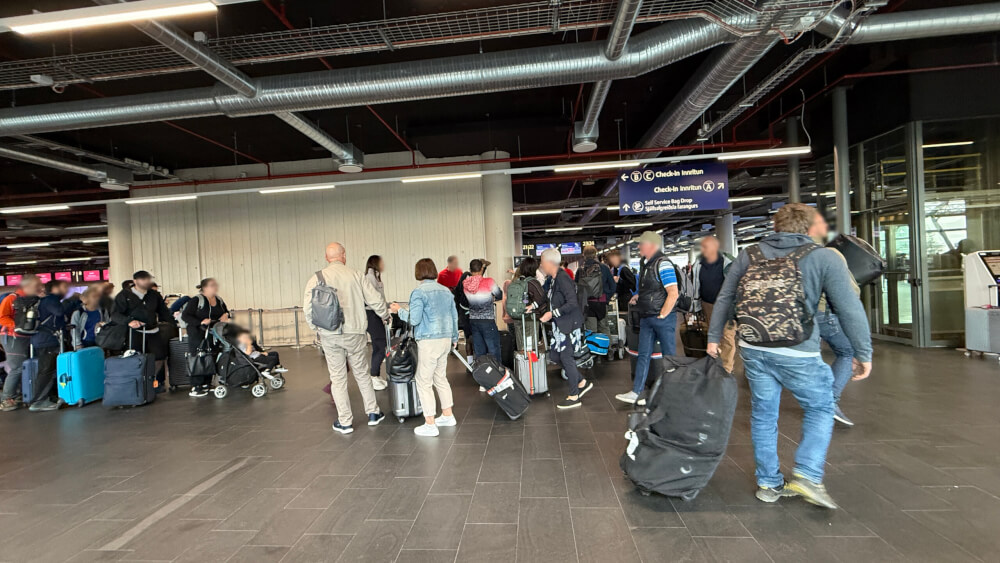
Before security, this small airport does not have very many amenities, or seats, for that matter. I don’t think I’ve ever seen this many people sitting on the airport floor before, made worse by the fact that there’s loads of people on layovers and check in desks only open a few hours before departure.
Also none of the bathrooms pre-security are very big. Like 4 or 5 stalls each!? Which is SO not enough. There will not be much for you to do pre security so definitely do not get to the airport too early.
Do note though that you might be able to check bags earlier than the 2.5 hours before your flight that is usually considered the norm. The self service bag drop is also really popular at this airport, so if you manage to get baggage tags printed at the check in kiosks then you can just check it early.
Some kiosks though, according to a staff member I spoke to, are broken, so they won’t print you the tags sometimes, only boarding passes. If this happens, you can always try just going up to the check in desk, especially if it’s one of the main airlines here like Iceland Air.
I personally checked mine 4.5 hours before just by going up to the Icelandair check in desk. Which saved me a lot of time waiting. So when in doubt, ask. There are usually plenty of staff at this airport.
46. Stay on marked paths and obey signs – they are there for a reason!
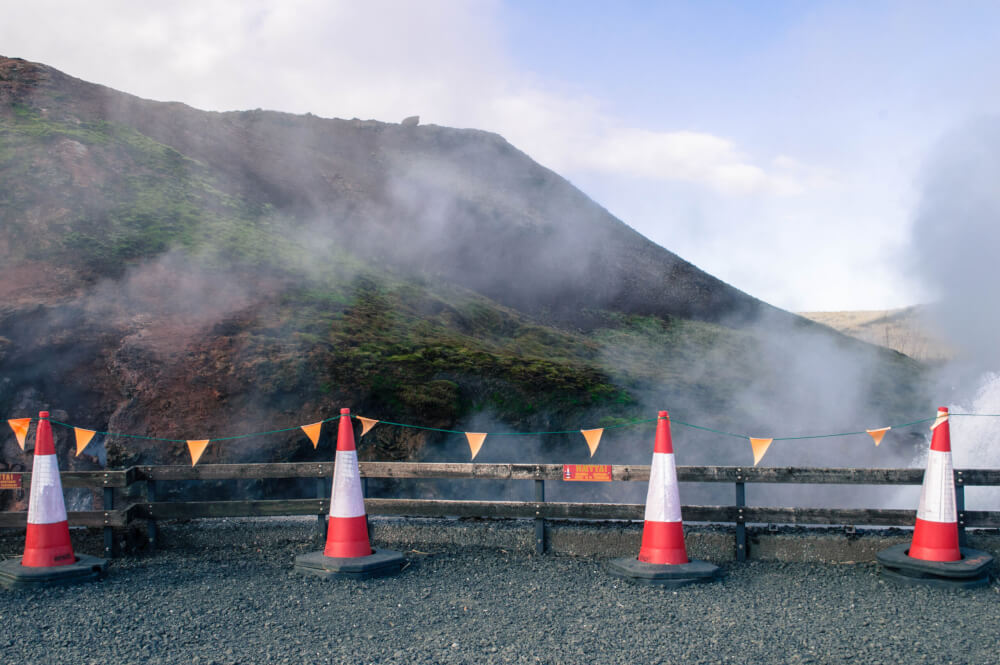
Unfortunately, reckless behaviour gets tourists killed in Iceland every year, so when there are warning signs put up, or trail areas that are clearly marked and roped off, it is usually for a very important reason.
Exercise caution at all times and remember that no photo opp is worth risking your life for.
Some especially dangerous areas include beaches like Reynisfjara, where sneaker waves can and do drag people out into the water unexpectedly. As a result, they’ve installed a light system that now tells you when it’s safe to go out to the beach, and what areas you can safely explore. So don’t ignore those signs.
Often, trails also exist to protect local nature, so do not stray off path, not even to get a quick photo.
47. Be mindful and respectful everywhere you go – be sure to clean up after yourself
Iceland is no doubt a popular destination and with that popularity comes the behaviour of bad tourists who give us all a bad reputation.
So don’t be a bad tourist, remember that as beautiful as Iceland is, it’s not a theme park, people actually live here, so be mindful at all times that you’re not randomly stopping to take photos and blocking people’s way.
Don’t be shouting and unnecessarily loud, or blasting music on trails. And most importantly, clean up after yourself and leave places as clean or cleaner than you found them.
Oh, and don’t forget to shower before and after entering public pools!!
I hope this list of Iceland travel tips was helpful!
Let me know in the comments if you have any more to add.