
*FYI - this post may contain affiliate links, which means we earn a commission at no extra cost to you if you purchase from them. Also, as an Amazon Associate I earn from qualifying purchases. Check out our Privacy Policy and Disclosure. for more info.
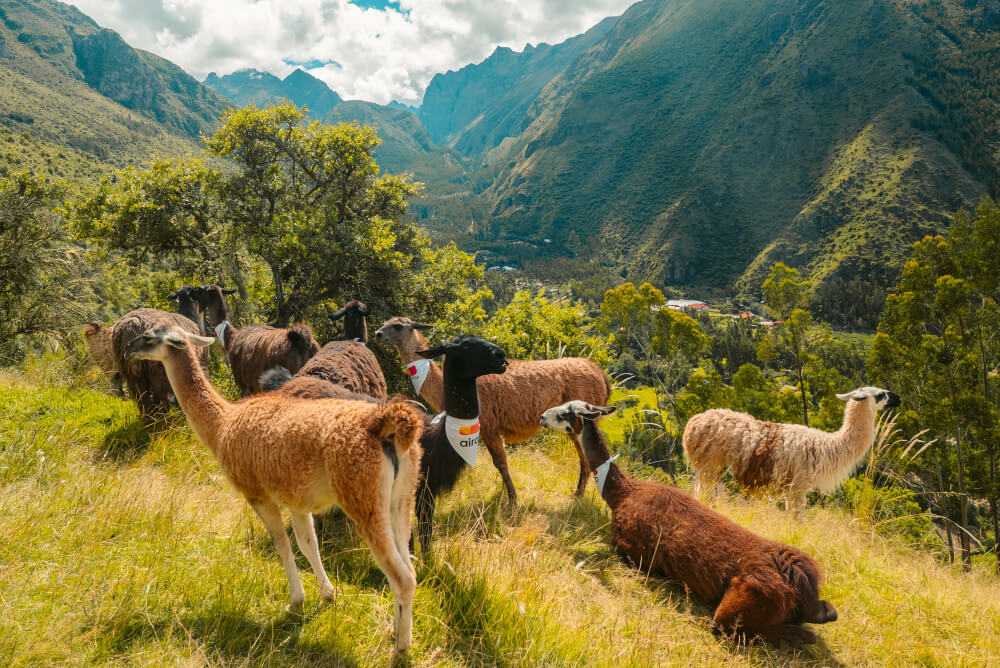
Peru is an absolute wonder of a country. Equal parts majestic, stunning & delightful.. and that’s just the llamas.
I have to say though, after spending over 2 weeks there this past Spring, Peru isn’t the easiest country to visit for first timers, with a number of potential challenges along the way that can turn a dream trip into a disaster.
Luckily for you though, my silly mistakes are your gain!
From dodging ATM fees and finding hidden hotel discounts to all the coolest places to stay, in this guide I am sharing everything you need to know before a first time visit to Peru. I hope you find it helpful.
Save this list of Peru Travel Tips for Later!
You’ll be very glad you did.
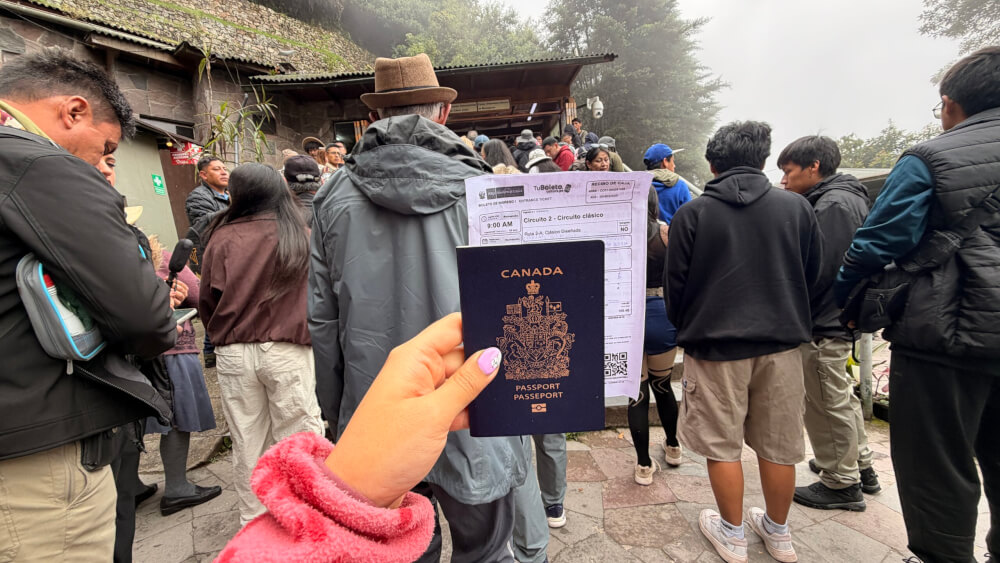
1. Memorize the passport numbers of everyone going on your trip
We’ll stat with a weirdly specific but important one – memorize your passport numbers!
More than any other trip I’ve done, I needed my passport number constantly for booking just about anything, from attraction and train tickets to tours, so if you don’t already have your passport number memorized, do it. Your life will be much easier.
I mean if you’re anything like me, odds are you will still open up your passport anyway to double check, but yes, have the info memorized to avoid future grief.
Next…
2. Peru is quite big, with 24 regions, 196 provinces & 3 distinct geographic areas
Peru is a massive, diverse country with wildly different climates and landscapes. To help you get your bearings, though, we can roughly split the main tourist points of interest into…
- The Coast, including Lima
- The Andes, home to Cusco and Machu Picchu
- And the Amazon, centered around places like Puerto Maldonado and Iquitos
Unfortunately, with how spread apart things are, it’s not realistic to think you’ll see all of Peru in one trip – it might look relatively compact on a map, but distances are long and travel can be slow. In fact, taking a bus from Lima to Cusco takes over 20 hours, which is why most people fly. With that said, a realistic first visit usually focuses on one or two regions max, unless you have a ton of time.
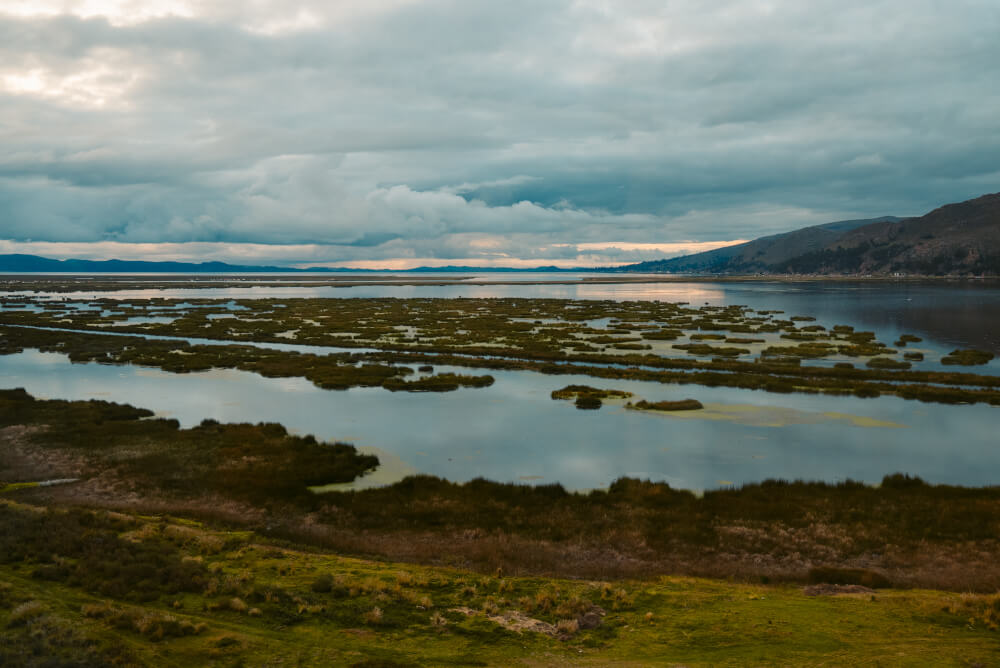
On my trip, I spent time in Lima, Cusco, the Sacred Valley and Puno, to spend some time at Lake Titicaca, which is the highest navigable lake in the world. I really enjoyed this itinerary and can definitely recommend it for a ‘greatest hits’ of Peru kind of trip.
And if you’re planning on visiting Machu Picchu, then be sure to check out my detailed Machu Picchu tips guide here.
Now, all this said…
3. Resist the urge to jam pack your itinerary in a way that hinders your enjoyment
I actually ended up rearranging parts of my itinerary a week before the trip, because I realized I’d simply never have a good time waking up at 4am for back-to-back day trips… certainly not after an already lengthy red eye flight.
So if there’s one tip you take away from this, it’s to givey our itinerary some room to breathe.
Speaking from personal experience, the temptation to cram as much in as possible is all too real… but in Peru, most day trips I noticed would have stupid early starts like 4 or 5am. Once or twice, this might be doable, but booking an excursion like this every day is sure to make you want to set yourself on fire… so remember: you can’t do everything, and that’s okay!
Before you plan your itinerary, though, do…
4. Take note that time of year can really impact your trip – know the pros and cons!
Given how much the climate varies, what time of year is best will depend on where exactly you’re going, but for most first-timers, I’ll assume you will head into the Andes at some point, where the two main seasons are rainy season, generally from November to April-ish, and dry season from May to October-ish.
Each season has its pros and cons depending on your goal. For people planning to hike, rainy season obviously doesn’t make the most sense, especially since the Inca Trail is also closed for the entire month of February, and rainy season makes roads especially dangerous, with mudslides not an uncommon occurrence.
Rainy season, however, is also when you will get a lot of that lush green vegetation that many people associate with Peru, whereas if you wait until July or August, things can get a little brown and toasty. And there are, of course, fewer crowds to spar with.
With dry season, you maximize your chances of good weather, but then have to deal with crowds and higher prices.
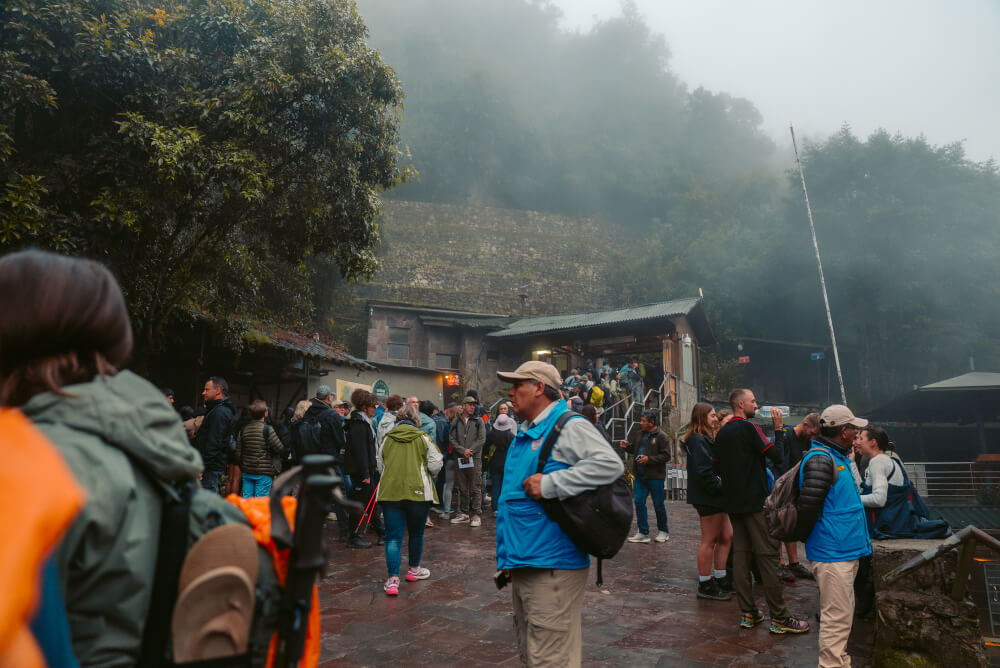
I personally went in mid-April and thought this was an amazing sweet spot – granted, we got pretty lucky with weather, but this is the tail end of rainy season, and from what I could see, crowds were a fraction of what they became just a few weeks later, so do consider visiting during these in between sort of shoulder seasons for the best of all worlds.
In terms of arrivals…
5. The main international airport is in Lima
You’ll most likely have to fly into Lima first, even if your final destination is Cusco, which it is for many first timers.
Listen, I know long travel days suck, but at all costs, make sure you have a layover of a minimum 3 hours in Lima, or better yet, just stay a night or two.
This is because you have to clear passport control in Lima, which can take a long time, and depending on your airline, very often they make you collect your bags upon arrival in Lima, and recheck them for the domestic portion of your flight.
Same goes for the way home, if you have a transfer in Lima again.
NOTE: This does depend on the airline. transferred from Sky to United and my bag was checked all the way through to my home airport… but this isn’t always the case, so always ask, and leave yourself plenty of time.
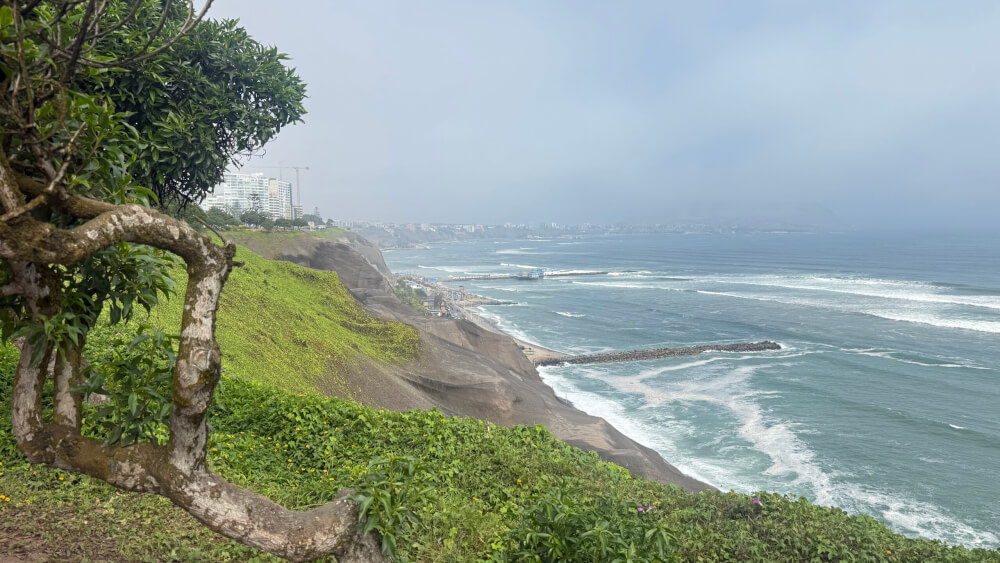
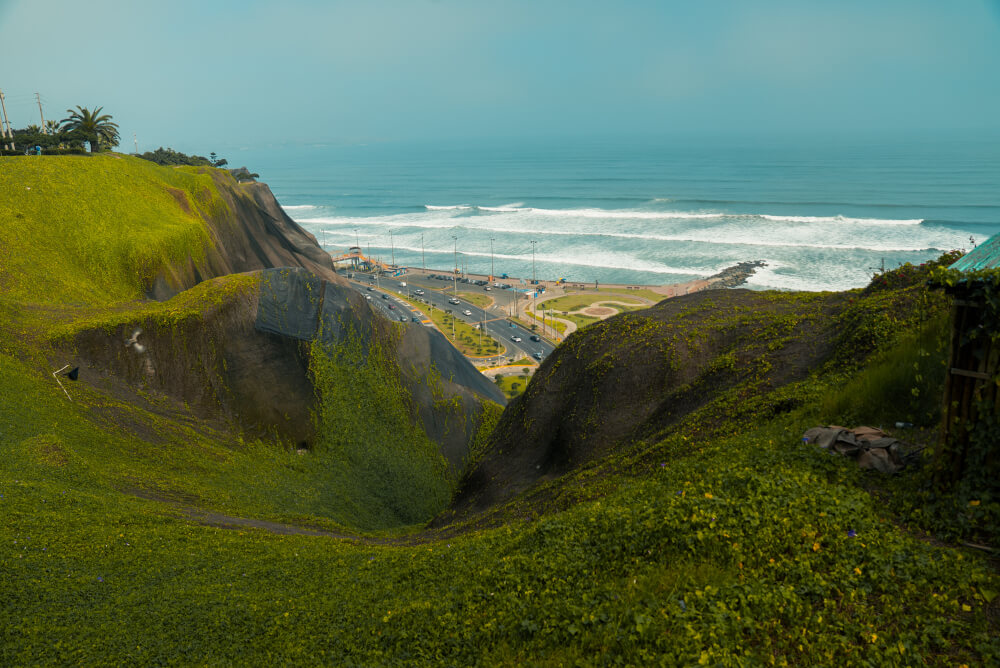
And yes if you have time, consider doing a longer stopover in Lima to ease the stress of that transfer. I know a lot of people don’t prioritize Lima on a first time trip because it’s more of a modern city, but there’s a great food scene and some cool sights like the Malecon de Miraflores path, which offers stunning views of the coast, and the Huaca Pucllana ruins, which has a restaurant overlooking it for a super cool and unique dining experience.
So, while I don’t think Lima is an absolute must-see for first timers, I do think if you are looking to see more of Peru, it’s worth two nights there, especially if you’re a foodie.

Now, when it comes to itinerary planning, I do have to emphasize how important it is that you…
6. Plan around altitude sickness and give your body time to acclimate
This will depend on where you go, of course, and it seems like altitude sickness is totally random and can affect some people way more than others, but my mindset was I just wanted to do as much as humanly possible to avoid it.
And this starts with the way you plan your itinerary.
In addition to ensuring you don’t do anything too full-on for the first few days, I would highly recommend looking up the elevations of all your potential destinations to help guide your itinerary planning.
Coming from ocean level in Vancouver, I was really worried about the change in altitude. So, we stayed two nights in Lima first, which is only about 500 feet above sea level at its highest but still, that’s 500 feet more than where I was coming from!
Then from Lima, we flew to Cusco and immediately headed for the Sacred Valley from the airport.
Cusco is at about 11,000 feet, so a huge jump from Lima, but Ollantaytambo is less at about 9,000 feet, and Aguas Calientes (which is the base of Machu Picchu) is only about 6,700. So if you’re stepping things up gradually, then it makes sense to go straight there.
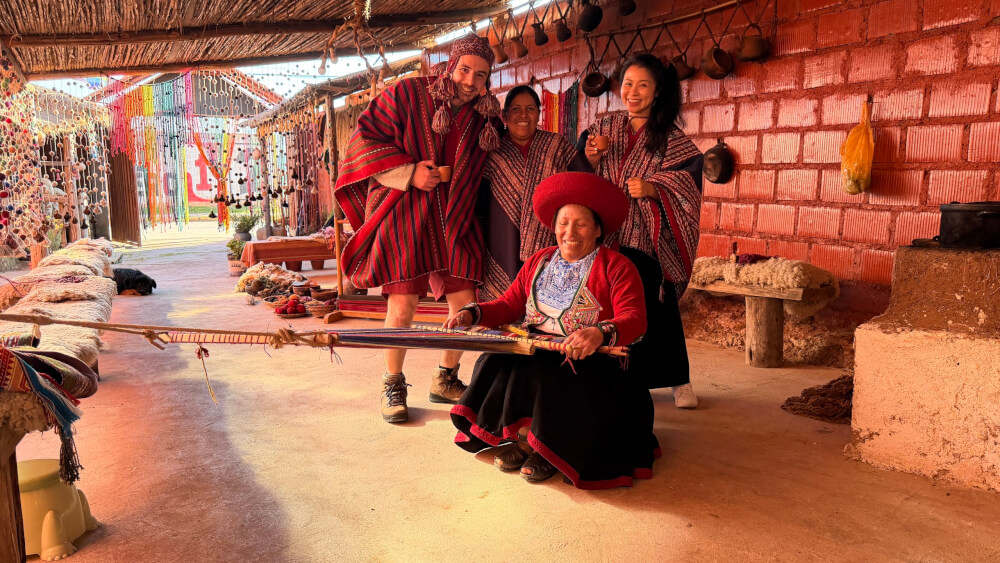
But in any case, looking at elevation is a must, because people don’t realize how much things vary. Vinicunca, also known as rainbow mountain, is 17,000 feet, so if you plan an excursion there on your first day, good luck!
It might also be worth getting some medication to help if you’re really worried – Diamox is a popular one, but it’s prescription only.
Though don’t worry if you don’t manage to get altitude sickness medication prescribed to you in advance, local pharmacies in Peru do sell the over the counter. In Lima, we easily got some generic Diamox (known as Acetazolamide), as well as the more herbal recommendation known as Saroche – for both packs I paid about $30 CAD.
This is another reason I would recommend actually spending some time in Lima before heading to Cusco, so you have time to get and start taking that medication, though I would advise consulting with your doctor just in case because you want to avoid adverse side effects as much as possible.
In terms of accommodation…
7. Familiarize yourself with popular Peruvian chains for more modern amenities
I’m not a super fussy person when it comes to accommodation, but two non negotiables for me are a nice modern bathroom, and air conditioning. After looking for accommodation in four different areas, I noticed I was gravitating towards the same brands offering what I felt to be amazing value for money and turns out, they’re all local Peruvian chains! Go figure.
So yes, some chains to look out for are Casa Andina, who have a few different types of properties based on budget. I stayed at their Standard one in Aguas Calientes and it was great. They have a good loyalty program that gets you late checkout if you stay 5-10 nights a year, which is easy to do in one trip.
There’s also Tierra Viva, who we stayed with in Lima, but they have over a dozen hotels across the country.
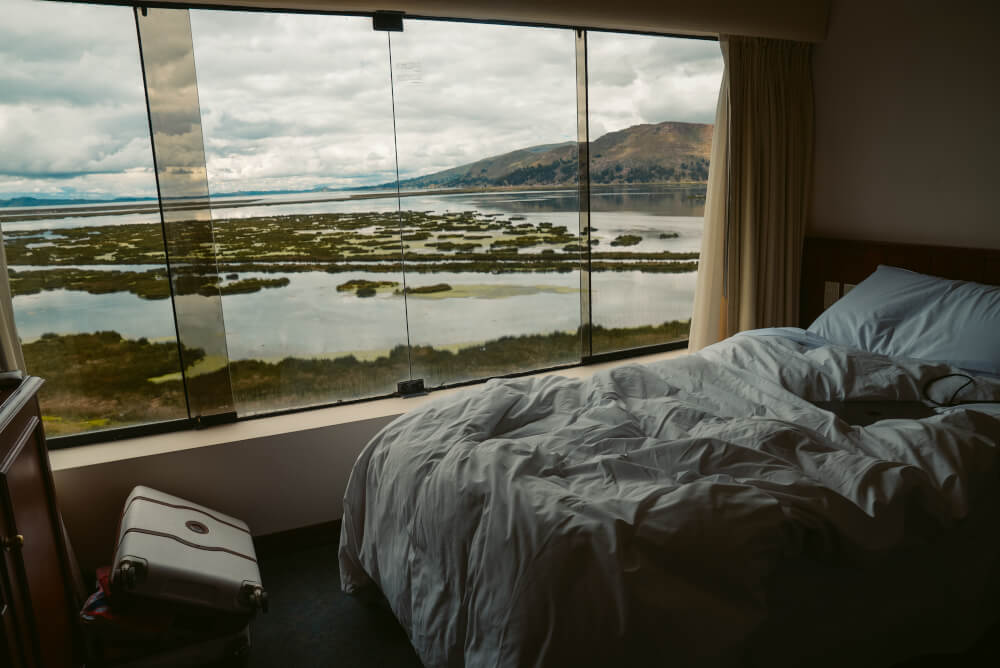
And this isn’t just a Peruvian chain but GHL is a Latin American chain with several hotels in Peru – we stayed at their property on Lake Titicaca and also their Sonesta in Cusco – both were fantastic.
The extra benefit of chains as well is you can get 20% off with many of them if you’re also a holder of a PeruRail ticket, which I only found out about after I got home, so I’m a bit sour about that. Please take advantage because I didn’t.
If you’re up for a splurge though…
8. Take note that there are lots of special “destination” hotels in Peru as well
I know for many people Peru is a true bucket list, once in a lifetime trip, so I have to say, there are some insanely cool properties you can book in this country that I would argue are a destination and experience in and of themselves.
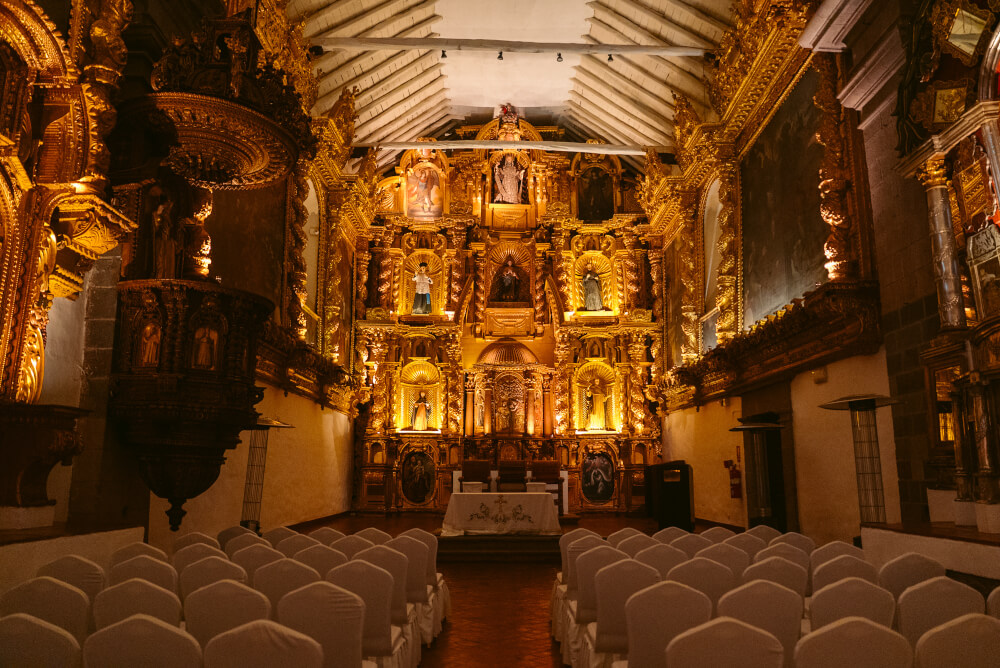
During the brand trip portion of my trip with Airalo, I was lucky enough to to stay at some of the most incredible properties in Peru. The first one I mentioned is the Monasterio in Cusco, which is housed in a 15th century monastery and steps away from all the city’s main sights. It also happens to have one of the most beautiful hidden chapels in Cusco:
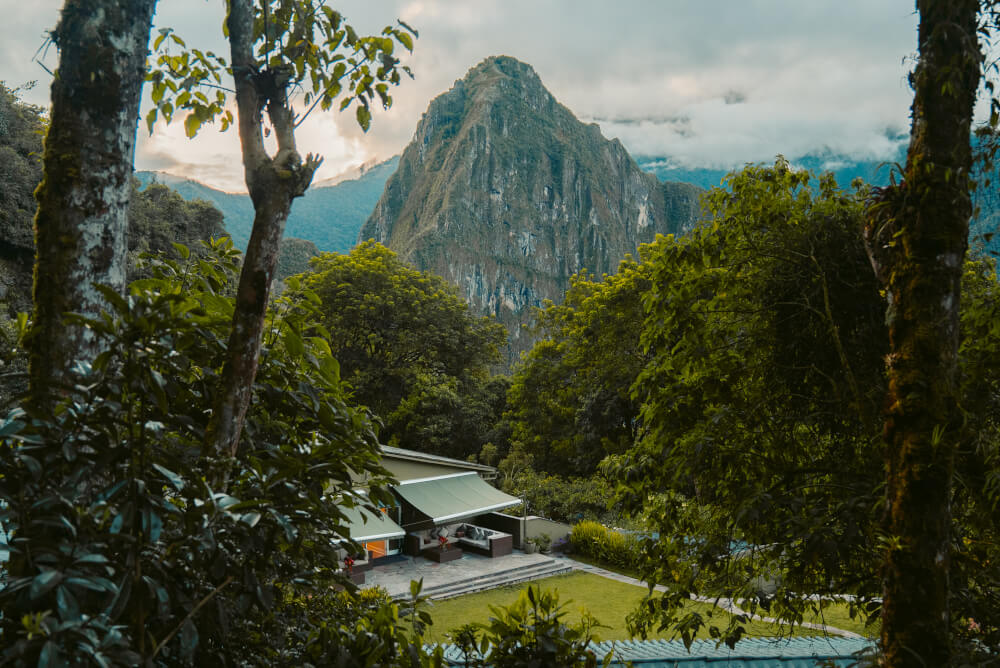
We also stayed at the Belmond Sanctuary Lodge, which is the only hotel right next to Machu Picchu, and it’s a full board hotel meaning everything is included, and just nothing beats that feeling of waking up steps away from the entry gate of Machu Picchu!
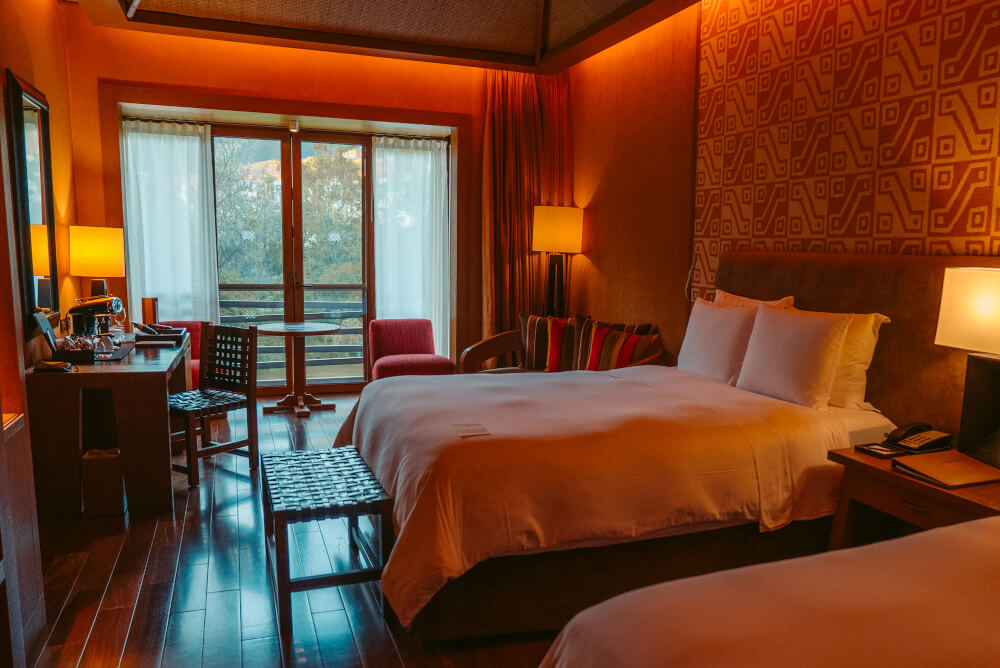
Another bucket list property that we checked off this trip in the Sacred Valley was the Tambo del Inka, and this is honestly one of the most beautiful properties I ever stayed at just in terms of the sense of place. It’s right on the river, the pool is amazing, the breakfast is never-ending, and the design of the hotel is just absurdly beautiful.
But all around the Sacred Valley and throughout the country there are just some really cool hotels, like the Mountain View Lodge, which has llamas that come to you in your hot tub and visit you!
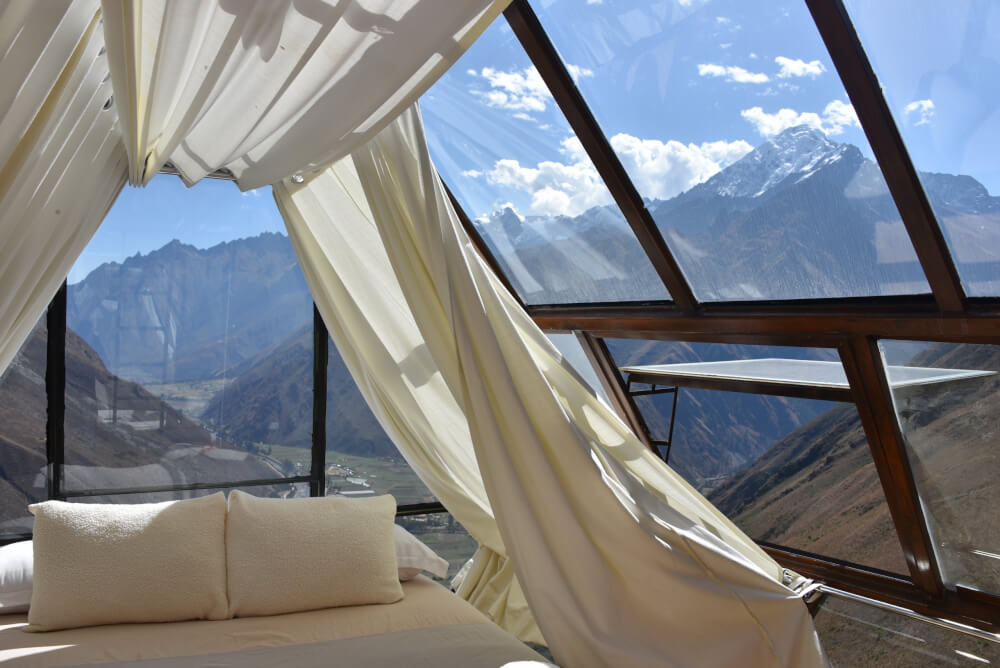
And also the famous Sky Lodges, where you can sleep in a pod dangling off a cliff… complete with a mini climbing experience to reach your bed.
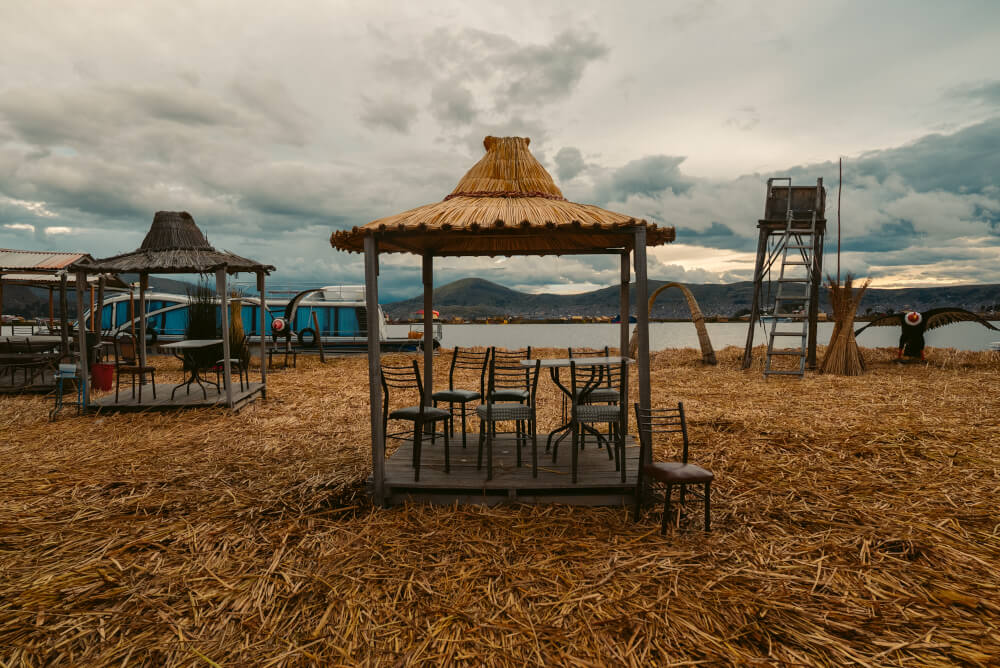
And granted, all of these unique stays I’ve mentioned so far are, super expensive because they are luxury experiences, but there are many other unique budget-friendly accommodation options as well. For instance, staying on a floating reed island in Lake Titicaca with the locals who call it home. Yes, many families, to support themselves, now offer up rooms on their island homes – an amazing local experience that doesn’t break the bank. You can check out some of the options here.
In terms of hotels, something very niche that I haven’t heard many people bring up is the fact that…
9. Honking in Peru is super super common, so avoid hotels on busier roads
When I say honking is nearly constant in Peru, I’m not joking.
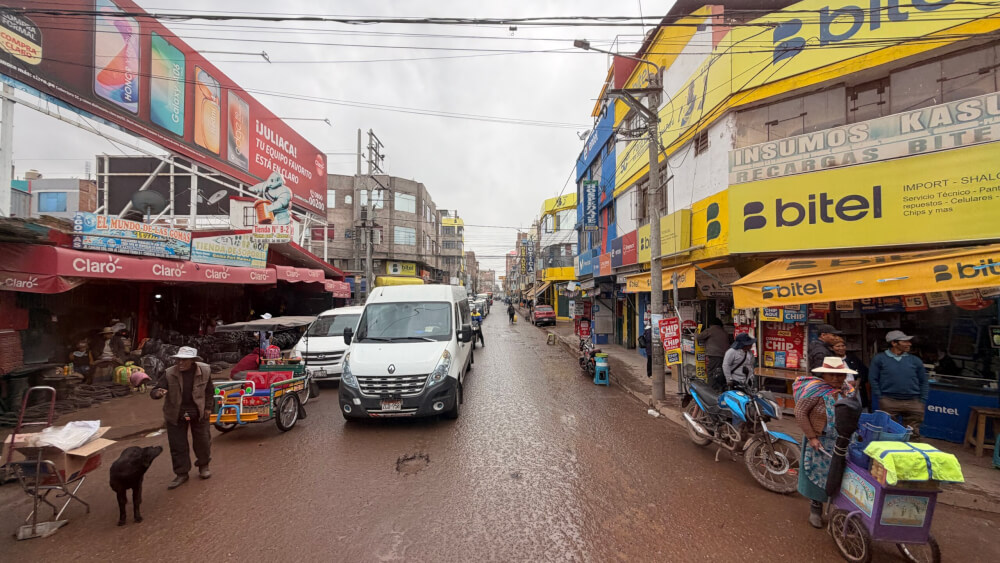
It’s apparently just a part of the driving culture – some of the smaller collectivo buses even honk as part of their routine, so really, just expect more honking than you’ve ever heard in your life, and avoid booking hotels on busy roads as a result.
PRO TIP: Be sure to search reviews for key words like “noise” and try to request rooms away from the street if that is a common complaint.
Now, another super important thing is to…
10. Make sure you have Whatsapp set up on your phone
If you aren’t familiar with Whatsapp, it’s basically a messaging service connected to your phone number that uses mobile data to send messages and make calls.
A lot of people use it for messaging friends abroad so many of you might be familiar with it already. If you aren’t, do get familiar because a lot of bookings happen in Peru over WhatsApp, from booking transport like taxis and shuttles to even booking things like nail appointments. To use it though, you need to ensure you have reliable mobile data, for which I recommend my go-to eSIM company Airalo!

11. Know that the local currency is the Sol (Soles) and cash is very important to have
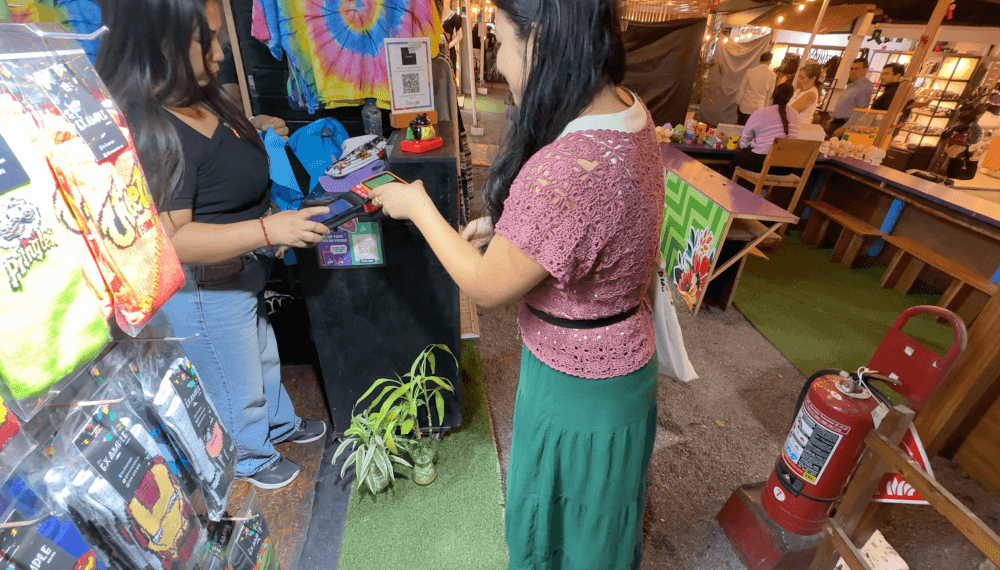
While a lot of places take card in Lima, the more remote you get, the more important cash becomes. Even in popular tourist spots like Aguas Calientes and Cusco, it seemed common to pass on the credit card commission payment to the customer, meaning a minimum 5% extra charge on what you’re buying.
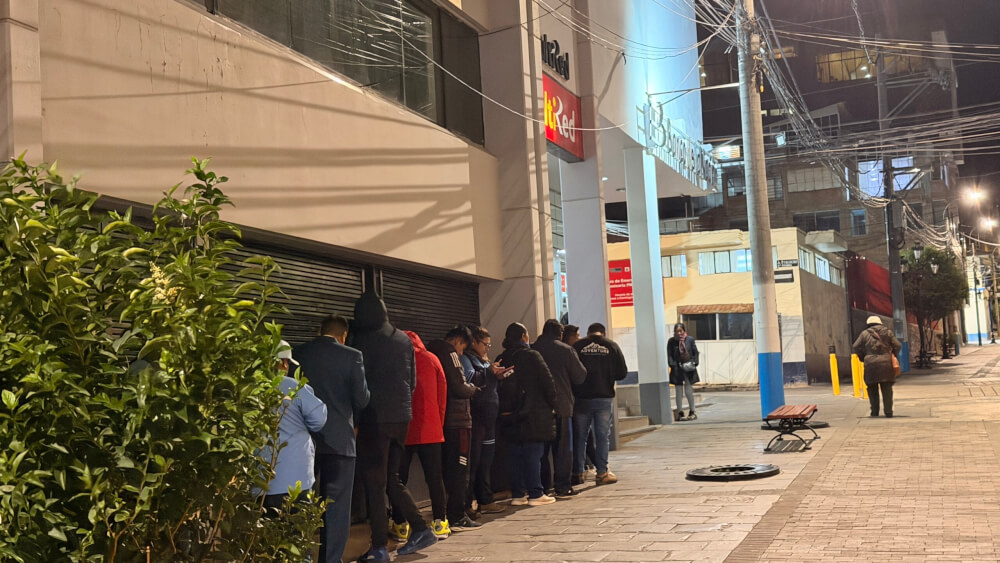
Maybe because cash is so crucial, I noticed ATM lineups are super long, especially at big banks like Banco de la Nacion, which doesn’t charge big fees, unlike BBVA who I have some serious beef with.
In any case, budget like 15-20 minutes to get cash out at fee free machines – don’t wait until the last minute.
12. Check out Peruvian YouTubers for local insights before your trip
This is a general tip I always love to give, because no matter where you go in the world, there’s usually a treasure trove of local creators who don’t get the praise they deserve!
For instance, I found this great creator on TikTok who asks about prices for stuff in English and in Spanish to see the different prices she’s given. Very interesting.
I also found Inka Time Peru really useful for Machu Picchu content.
And Stef’s Peru Travel Tips on YouTube is a really good one for general knowledge.
This is a tip I got from her, actually, that I would have never thought of myself… if you wear makeup like foundation or concealer…
13. Pack extra shades darker makeup than usual
… because you are going to tan quickly!
Apparently altitude sun is no joke, and this was something that I had first-hand experience with when I spent less than an hour outside at the hotel pool at Ollantaytambo and ended up with the silliest looking tan lines. So yes, plan accordingly.
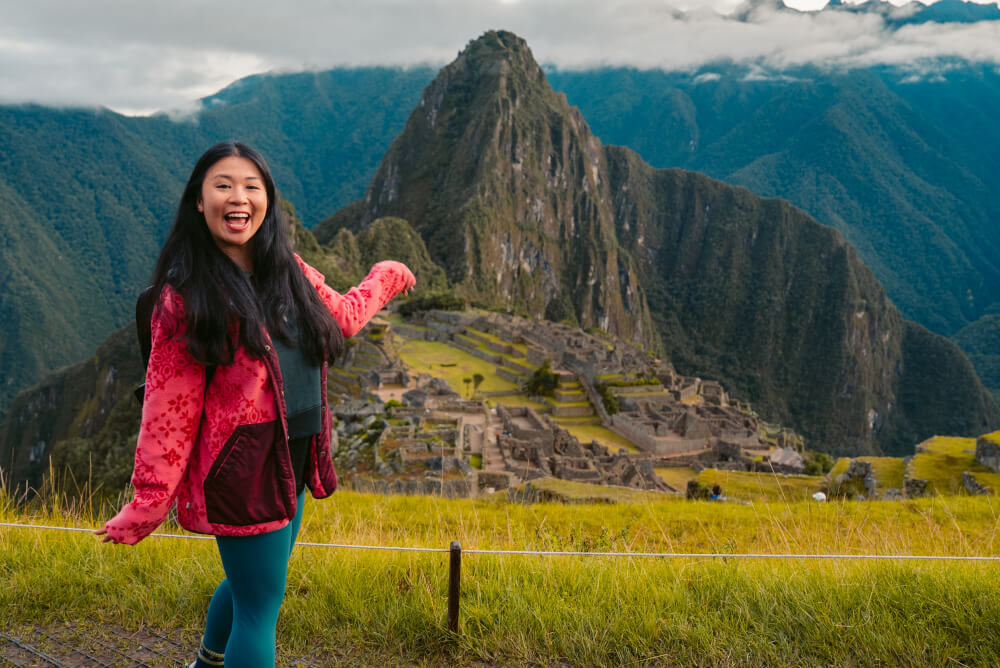
14. Beware that many places have multiple names so don’t get confused
In addition to place names being spelled slightly different, like Cusco with an s and a z, for instance, there can often be a difference with names in Quechua, Spanish and English.
Rainbow Mountain is a really good example because the official name in Quechua is Vinicunca, but in Spanish they might call it the Montaña de Siete Colores. So, just a heads up that a lot of these places might be known by various names, so don’t get confused!
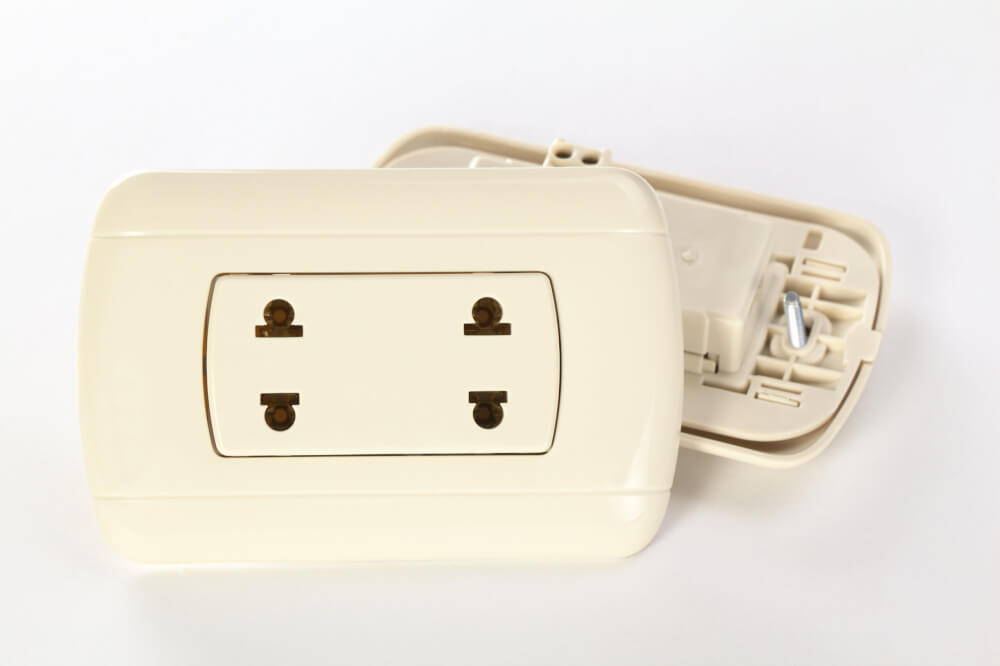
15. The most common type of plug is Type C but some places have Type A too
When it comes to power plugs, most commonly you’re going to encounter the type C plugs like you see in Europe.
These are the ones with the circular prongs, but I did notice in a lot of places, especially higher-end hotels, that they also offer type A plugs as well. So I would definitely advise you to bring a universal adapter with you. It’s just gonna make your life a lot easier!
16. Domestic flights are the quickest and most efficient ways to get between cities
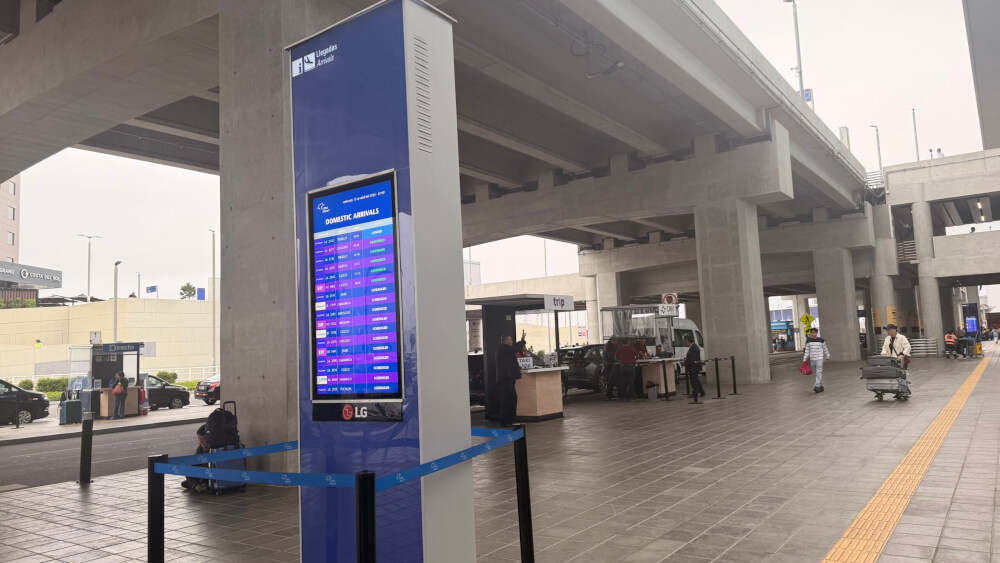
Seriously, don’t underestimate how long it takes to get from place to place in Peru. Even so-called day trips often involve 3+ hours of driving each way. Little wonder why domestic flights are so popular. Luckily, they are also plentiful and affordable, so long as you pack light, so don’t discount flights when planning your journeys between places.
That said…
17. Long distance buses can be a more budget friendly option, just know it’s very slow
Local buses are, of course, going to be the cheapest way to get around, but they also take a super long time, and the language barrier can be an issue if you’re not competent in Spanish.
Night buses, in particular, are a great value because you save that night’s accommodation as well. Most companies will advertise how far their seats recline in terms of degrees (e.g., 160 or 180 degrees), so that can help you find the most comfortable option. We did a day tour bus that took us from Cusco to Puno with Inka Express, and I couldn’t believe how far back this seat reclined – I was practically in a bed the whole time!
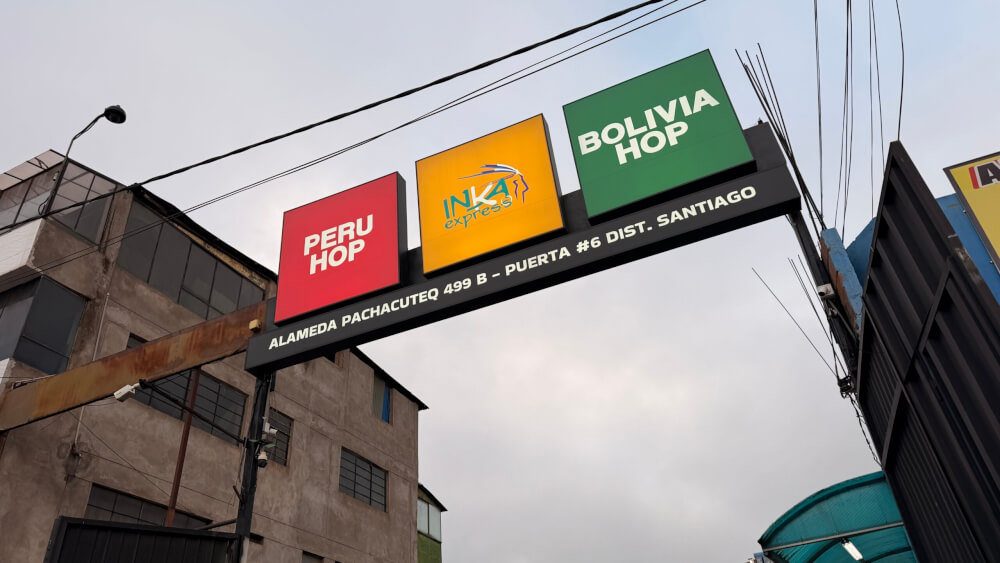
Now, in addition to local buses, there are also some long distance buses more geared towards tourists that are a bit more expensive than regular buses but come with extra perks like English speaking guides. Some popular options for these include…
- Peru Hop
- Cruz del Sur
I unfortunately didn’t have any experience with either, but please share your experience in the comments if you have!
If you’re up for a swankier adventure, do know that…
18. Peru has some really cool luxury train experiences that are worth the splurge
If you’re more of a “the journey is the destination” kind of person, then there truly are some great options in Peru.
Most people already know about the train to Machu Picchu – I cover those options in-depth in my Machu Picchu tips guide, but there are some nice sightseeing trains as well.
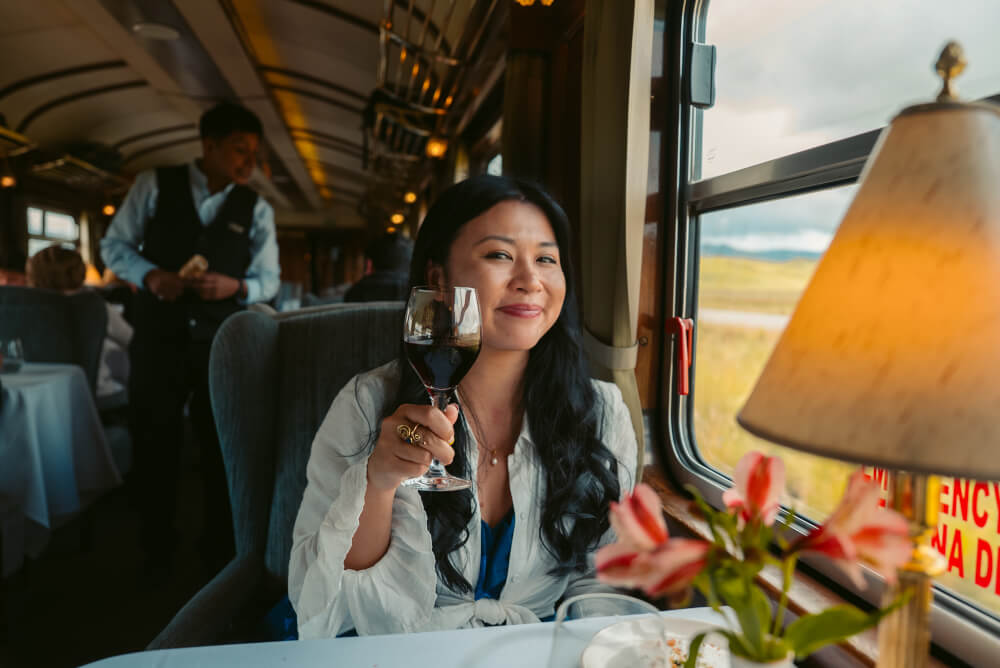
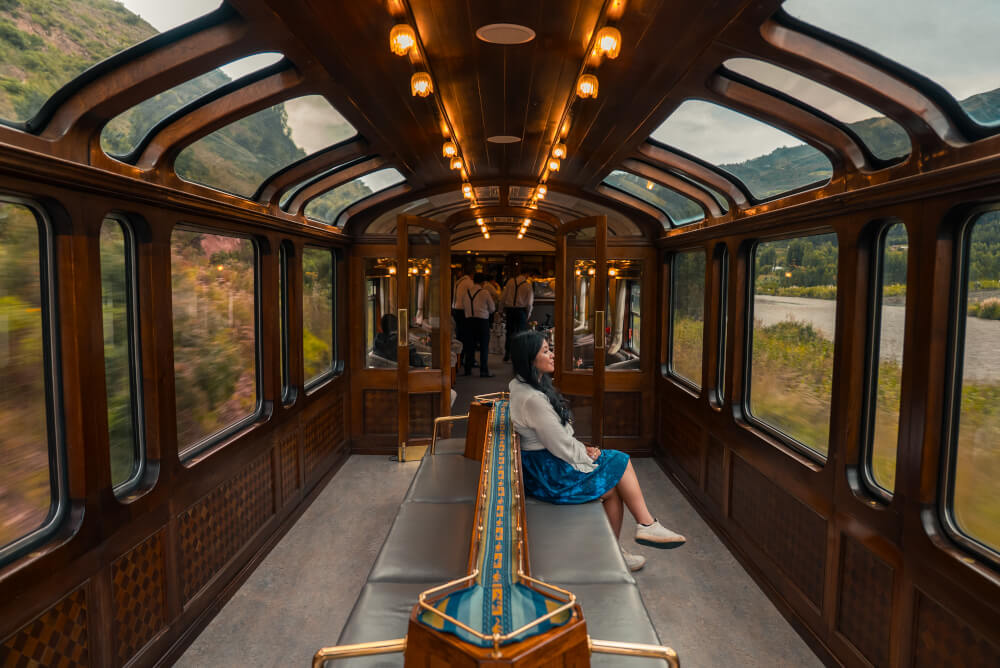
I personally took the PeruRail Titicaca train from Puno to Cusco, and wow… just wow. This 11 hour luxury train ride takes you through the Peruvian highlands, with a three course gourmet lunch, on-board entertainment and an afternoon tea at the end. There was even an open-air carriage attached to the bar cart where you could admire the views for hours, which was soooo special. Granted, the entire ride isn’t scenic – you do roll through some towns and cities, but the amazing views you do get definitely make it worth it.
For those with more time, there’s the Belmond Andean Explorer, which includes the journey I mentioned but extends it to Arequipa, which is a gorgeous city I really wish I had time to visit. Beware: since you sleep on board as well, there’s an eyewatering price tag to match.
So, if budget allows, look into some fancy trains, because Peru has several!
Speaking of a slow journey, though, I also do want to mention that…
19. You can take a slow cargo boat from Colombia to Peru
This might be at the opposite end of the budget spectrum, but if you want, this is a possibility. There are tons of TikTok videos about it if you’re up for an adventure – so I just thought I’d mention it.

Within cities though…
20. Prebooked taxis or Ubers are an efficient and safe way to get around
At all costs, do try to avoid just flagging a taxi off the street, because these aren’t guaranteed to be safe or fair in terms of pricing.
Especially when you have just arrived in a new destination, from train stations to airports, things can feel very chaotic very quickly because there will be tons of people who are offering help or services.
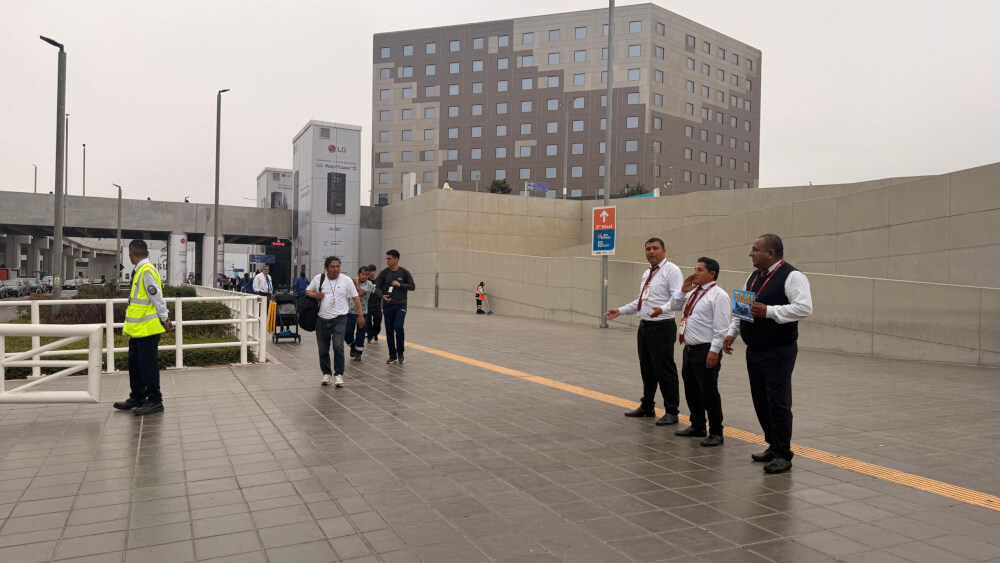
At Lima Airport, for instance, there were tons of very aggressive taxi drivers there dressed in nice shirts and lanyards so you might think they’re legit, but actually they’re not vetted like all the authorized taxis right next to the airport entrance.
One trick I’ve heard of is they’ll say, “Oh, we’ll take you to the city for 50,” but they won’t specify the currency, so you might assume it’s 50 soles which is very reasonable but then they will try to demand 50 USD. When we were waiting for our shuttle, we had SO many aggressive guys like this come up to us, telling us our shuttle wasn’t until 9 (which wasn’t true), so beware.
You’ll encounter much of the same vibe anytime you arrive anywhere touristy from taxi and shuttle companies at train stations to even tour guides at Machu Picchu, so just be ready for that… and make things easier for yourself by pre-booking rides.
I used a few during my time in Peru. Taxidatum was great in both Cusco and the Sacred Valley, and Taxi VIP was great in Puno.
NOTE: This whole ambush vibe goes beyond just transport though. Immediately upon landing at Cusco airport and going to baggage claim, for instance, there was a guy who knew my name, had a luggage cart ready and basically loaded my bags onto this cart before I even blinked. I was super confused because I had pre-booked a regular taxi, so I wasn’t expecting such hands on service, and then I realized afterwards that he must have seen my name on the driver’s sign and gone into the airport to find me and help me get to the driver. In this case he was just working for a tip so it wasn’t a scam, but it was just generally quite unexpected.
21. Read tons of reviews (on Reddit especially) before booking with a tour company
There are TONS of tour companies in Peru… but sadly, not all of them are amazing.
While researching, I read an alarming number of horror stories, especially on Reddit, about people who had their Machu Picchu bookings cancelled, or guides who got people lost in the Amazon with no backup plan, so you definitely want to book with someone reputable. Do not skip reading reviews, especially on honest platforms like Reddit or Facebook where people have very little incentive to lie.
Anecdotally, I’ve also heard that you can get tours for much cheaper in-person compared to booking online, which I did find to be the case when I saw prices listed at windows in Cusco… I still prefer the ease of mind of booking with a company that has online reviews though.

Now, when you start sightseeing around Peru, a very common thing is you’ll encounter guides at the entrance offering you a guided visit. For this I would say…
22. Guides are often worth the money – just take precautions
Make sure to clarify the price upfront and vet for “vibes.”
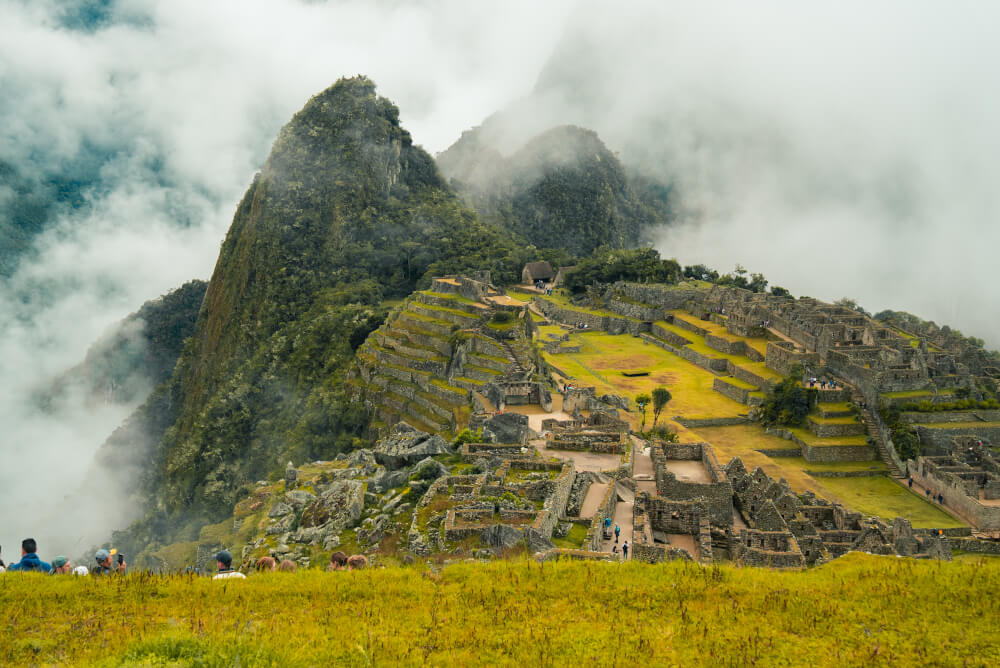
Having historical context is so important when it comes to a lot of the ruins and sights you see around Peru. I opted to not get a guide at Machu Picchu because I wanted to take my time and explore at my own pace, but I did end up getting a guide for Sacsayhuaman at Cusco and definitely recommend getting a guide at least once to get some much needed historical context – most of the guides at the entrance are registered and official, and are a wealth of knowledge.
In terms of entry tickets for big attractions…
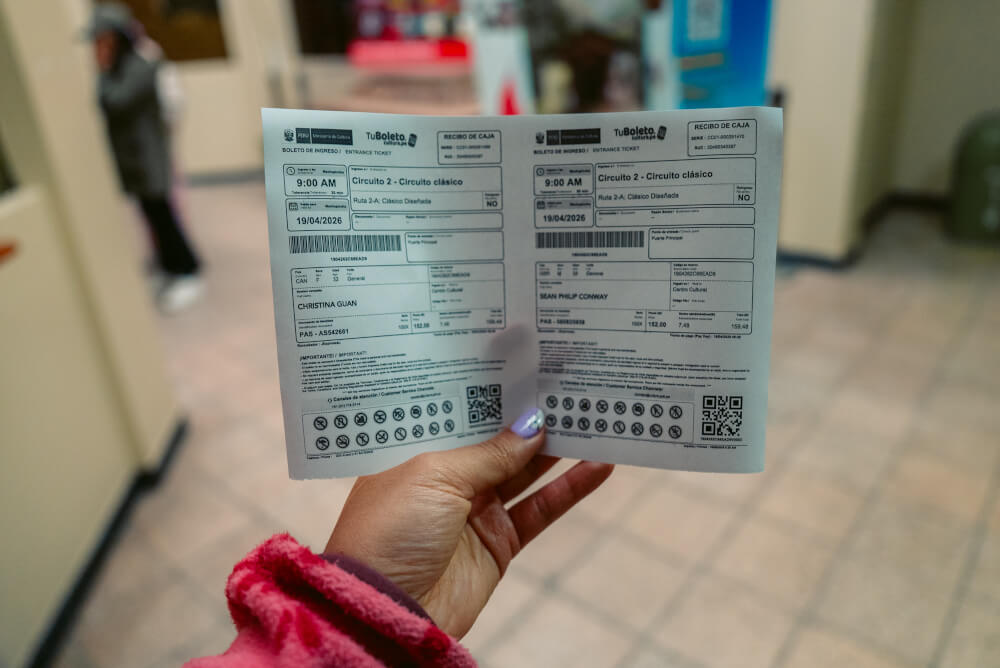
23. Keep an eye out for tourist combo tickets and deals – these can save you money
Always have a quick Google in advance to see if there might be a way to bundle up sights or get combo tickets that save you money.
Honestly, there aren’t a ton of these in Peru – most spots are just pay as you go and really affordable as well, BUT the infamous Cusco Tourist Ticket is a great example of a combo ticket in action. You can learn more in my things to do in Cusco guide.
Now, another thing…
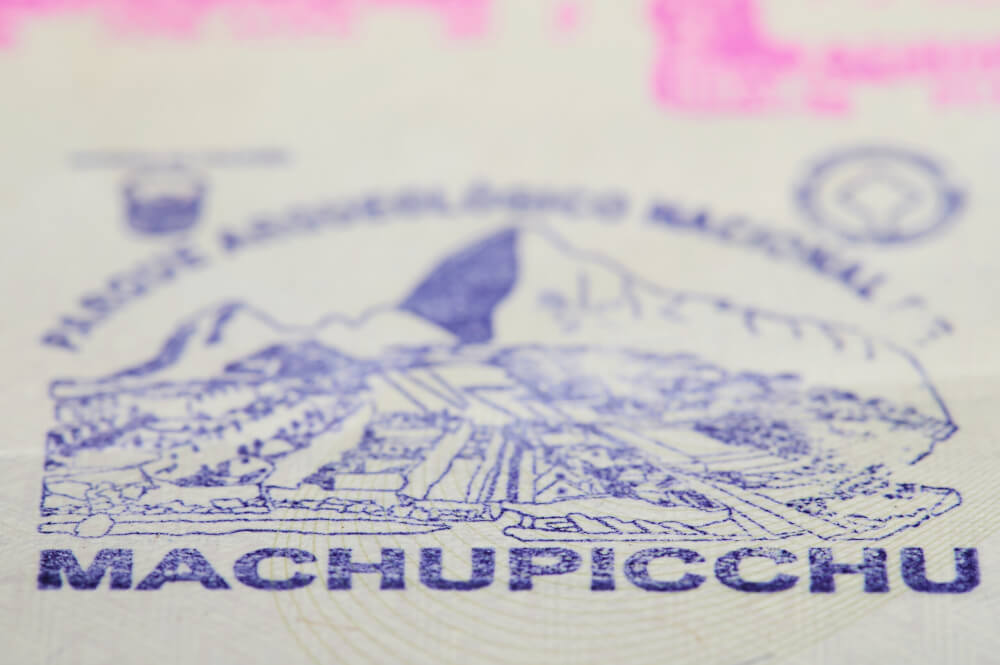
24. Be careful with novelty passport stamps at popular locations
I haven’t personally heard of anyone actually getting in trouble for having novelty stamps like these, but do know that, depending on where you’re from, some countries might consider novelty stamps like this as an unauthorized addition to your passport.
On US passports, for instance, they say inside that “Only authorized officials of the United States or of foreign countries may place stamps or make notations or additions to this passport.” And well, obviously, a random souvenir shop guy at Machu Picchu doesn’t count as an authorized official.
Again, I don’t think this is a big deal in most cases, but to play things safe, better to just get those novelty stamps in a notebook or something instead.
Okay, this might sound super silly but you should definitely…
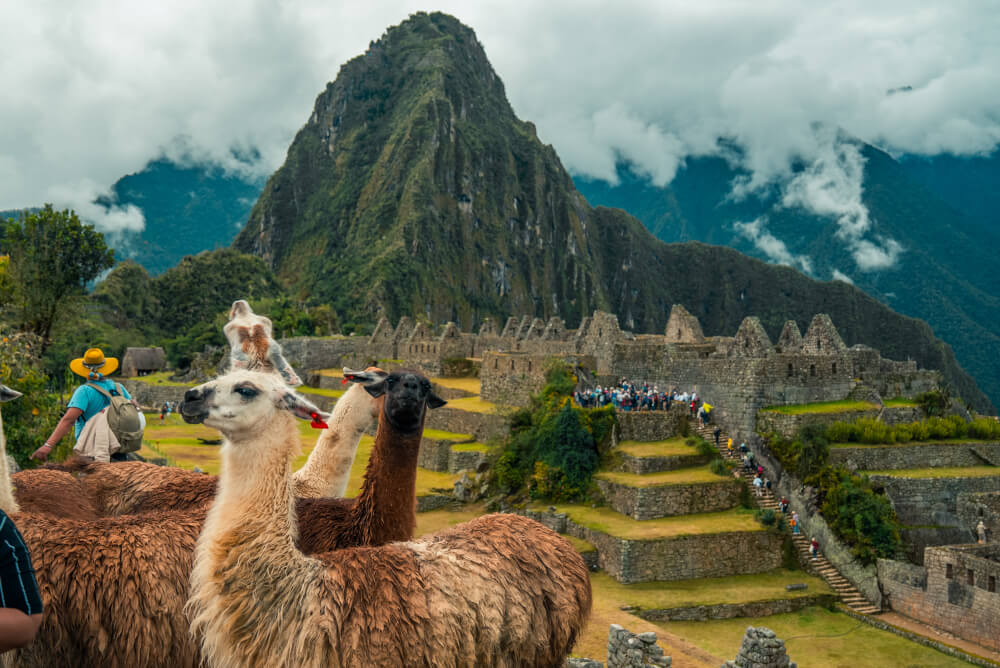
25. Learn how to spot the difference between an alpaca and a llama
These guys are everywhere, so you might as well learn the difference.
So, llamas are usually a bit bigger than alpacas, who, in my opinion, have kind of smaller cutesier faces that are short compared to llama faces which tend to be long.
Llamas generally also have ears that are more banana shaped whereas alpacas have the smaller pointed ears.
And llamas spit more. Apparently. So yeah, now you know.
26. Learn a few basic Spanish phrases to be polite and to make your visit smoother
English isn’t widely spoken outside tourist areas, and they do appreciate you making an effort in Spanish.
So, some basics to know are…
- Hello, which is hola
- Thank you, which is gracias
- Please, which is por favor
- Excuse me, which is con permiso when you’re trying to get by in a crowd, and disculpe when you’re trying to get someone’s attention
Something else that’s crucial to know are numbers, because you’ll use them a lot, even when you get into Ubers now, they ask you to provide a pin for safety. Sure, you can just show them the number, but it’s nice to be able to say things out loud.
There’s also some Peruvian slang that might be worth learning if you’re looking for more of an advanced challenge, but that won’t be necessary in most cases. FluentU has a great list though that I recommend quickly skimming before your trip.
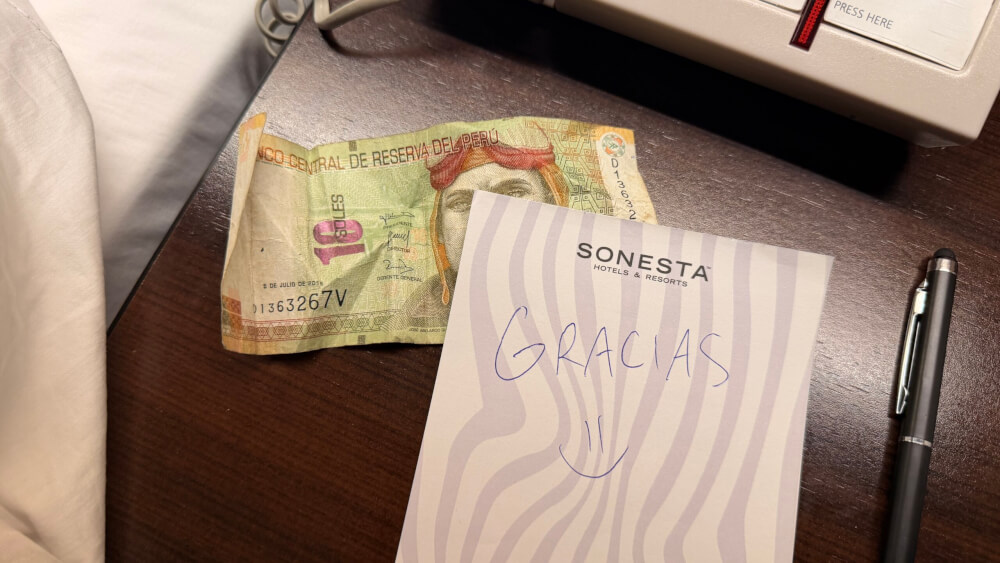
27. If you are visiting the Andes, knowing a tiny bit of Quechua is appreciated
Quechua, the language of Peru’s largest indigenous group, is spoken by over 3 million people, so if you’re visiting the Andean region, it might be worth learning a few basics in Quechua as well.
At the very least, know that thank you is Añay.
In addition to Quechua though, there are almost 50 different indigenous languages spoken in Peru, so depending on where you are, learning a bit about the local indigenous people and their language can really help enrich your trip.
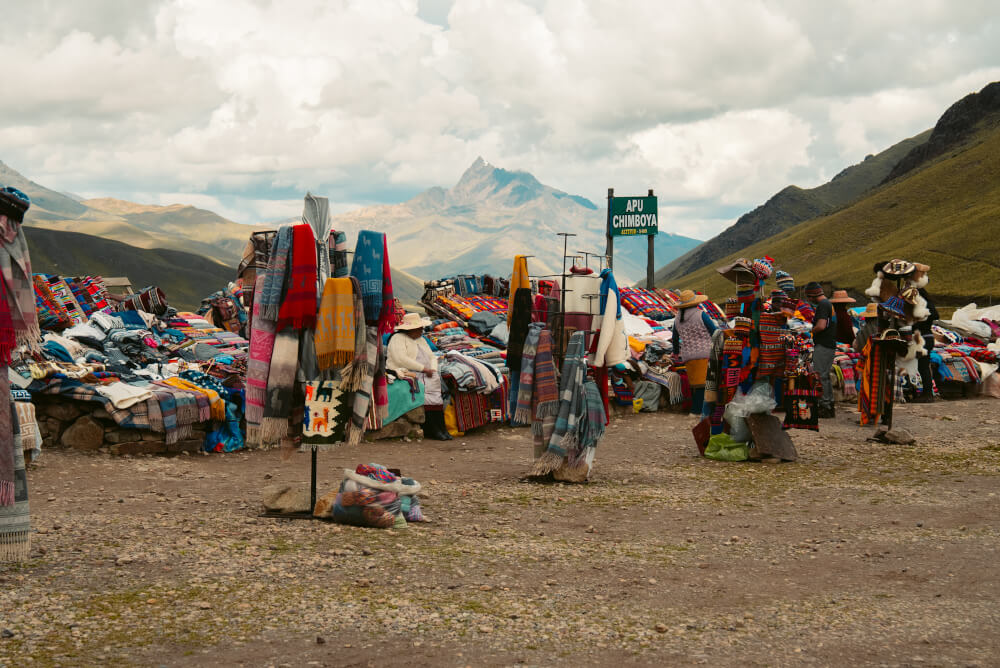
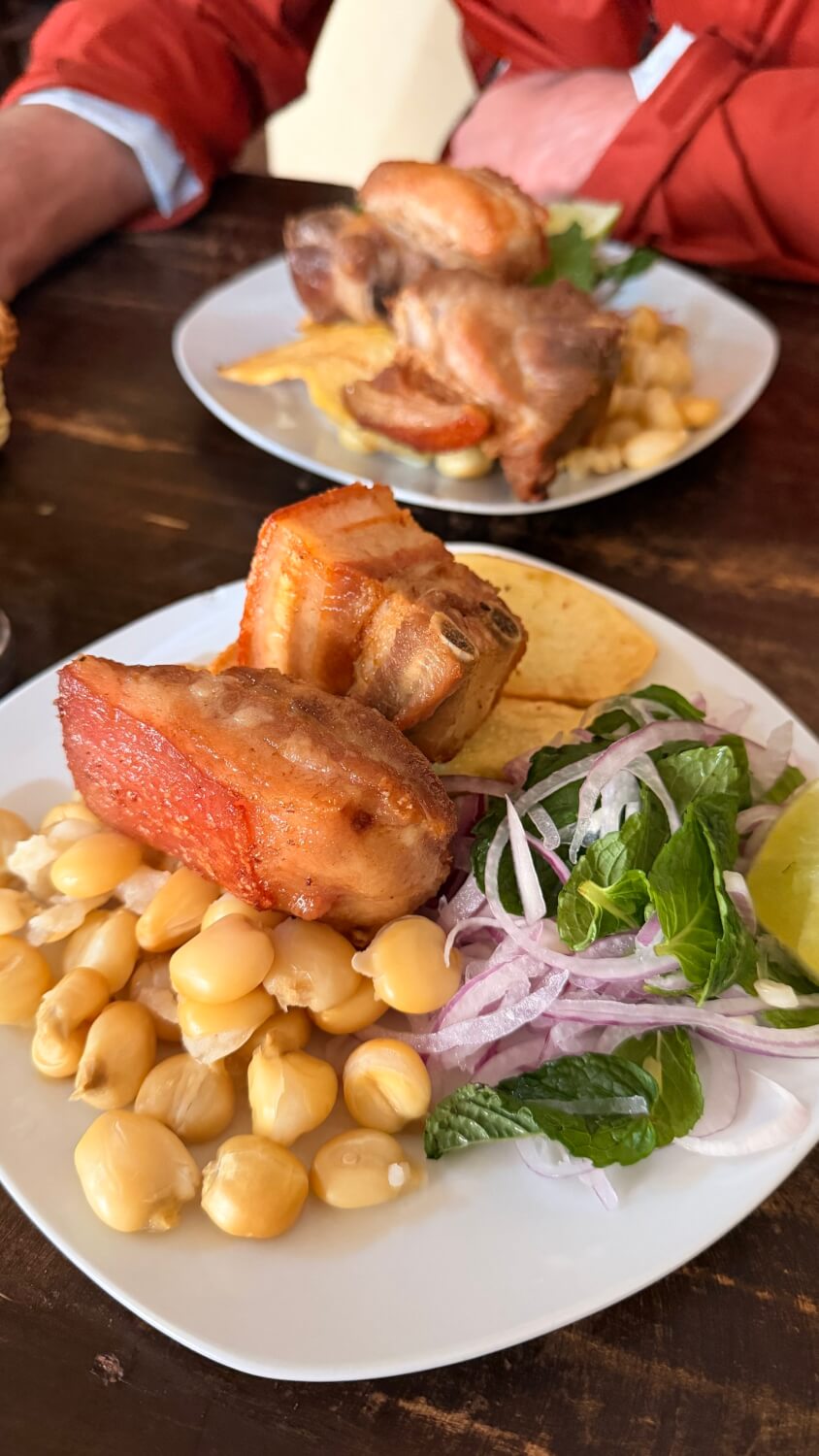
28. Try as much of the local cuisine as possible – Peruvian food is amazing!
You’ll definitely want to try national dishes such as:
- Ceviche, Peru’s most famous dish, made with fresh raw fish cured in citrus
- Ají de gallina, a creamy chicken dish with a gentle kick
- Causa, a layered potato dish often filled with tuna or chicken
- And of course, the legendary lomo saltado, a stir-fry that perfectly reflects Peru’s fusion cuisine
The cool thing about this dish, in particular, is it actually represents a sub-niche of Peruvian cuisine known as Chifa, which is the term that they use for a lot of of the Peruvian-Cantonese fusion dishes that have become so popular in the country that they are now kind of official dishes of the country.
As someone of Cantonese descent, this was so fun for me to see because actually, a lot of the most popular dishes that you can order in restaurants are things like fried rice, stir-fry, and other foods that I grew up with… but with a Peruvian twist! So, if you are into Chinese food – Cantonese food specifically – you are going to have such a fun time here because the dishes are so interesting. Like fried rice (AKA chaufa), but with special fix ins like plantain. SO GOOD!
The Aeropuerto is an especially fun one that mixes fried rice and noodles.
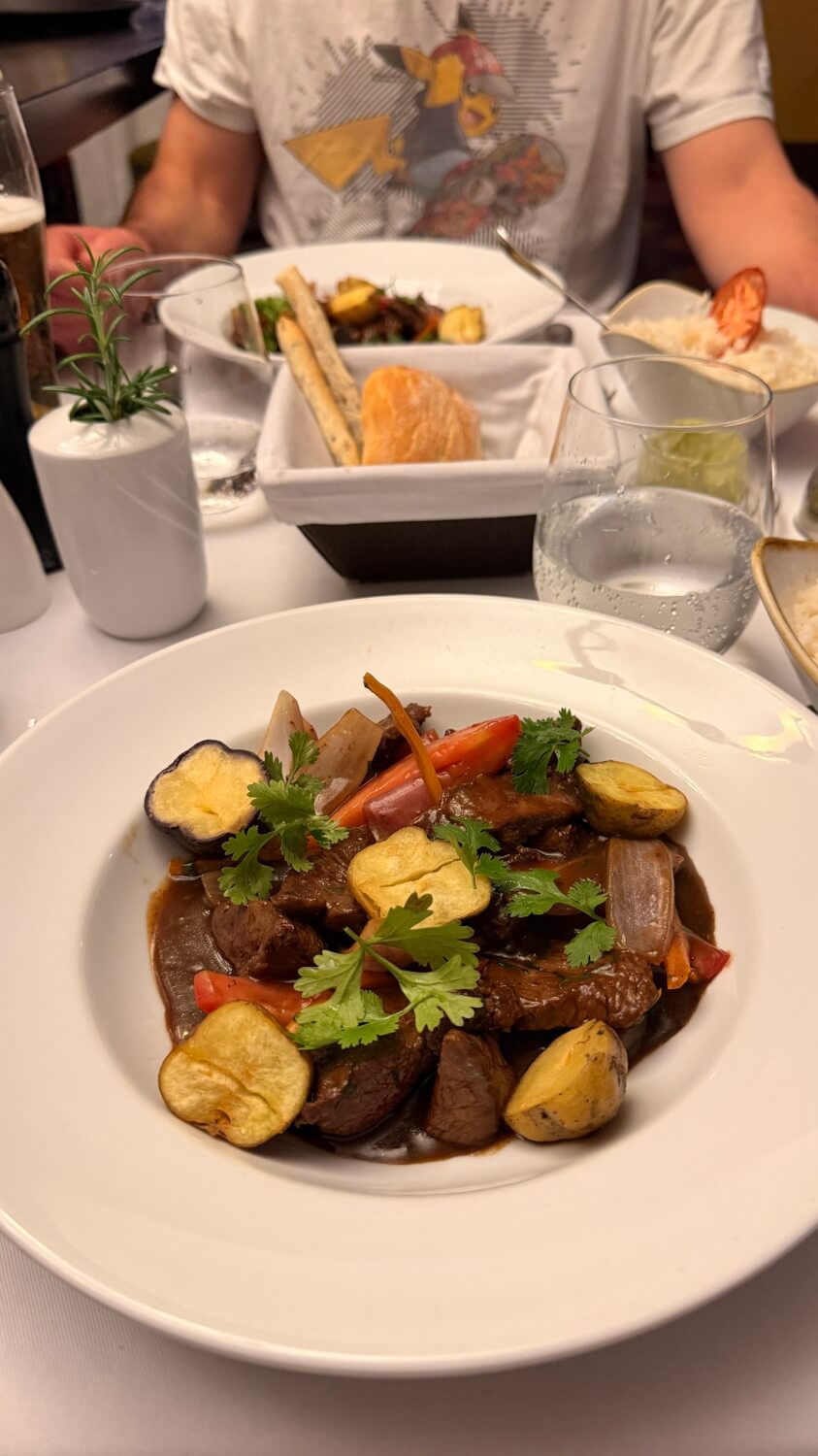

And in terms of desserts, there are loads tasty local fruits like…
- Lúcuma, which they use in a bunch of desserts because it has this caramelly, maple-y taste paired with a creamy texture. I had it in a tiramisu which was unreal
- Another favourite of mine is cherimoya (custard apple)
- And just a bunch of passionfruit, or maracuya, adjacent fruits which are amazing in juices and desserts
In general though, the fruit here is amazing – mangos, dragonfruit, everything. Be sure to try as much as possible.
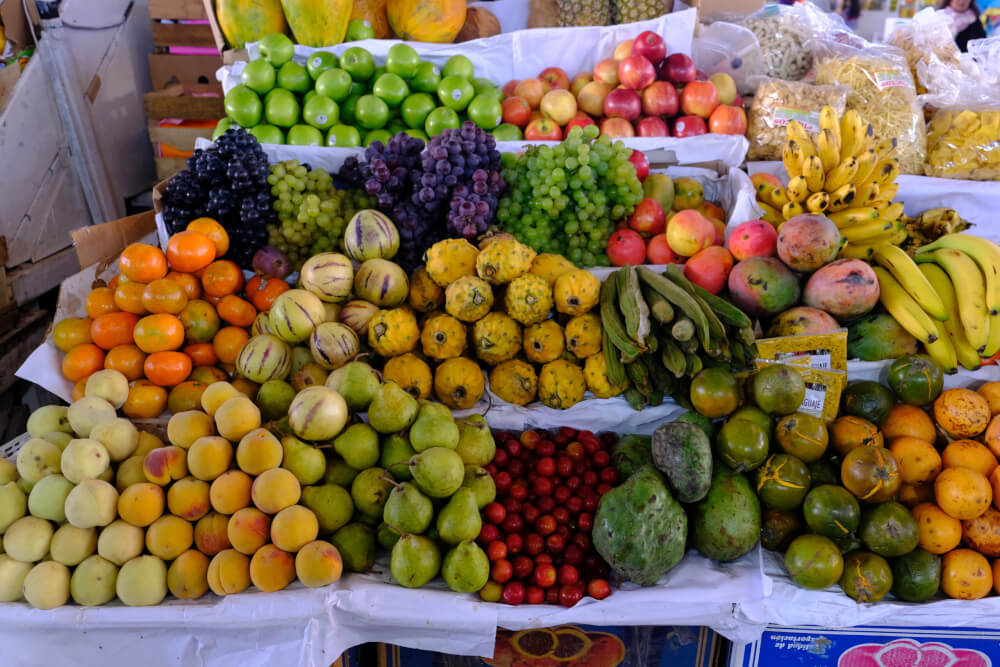
29. For more budget-friendly eats, visit markets & street stalls
If you’re eating on a budget, try to steer away from the tourist center.
One of the things I really appreciated about Peru is how you can find amazing meals everywhere and at every price point. Yes, you can find tons of amazing restaurants that are relatively speaking quite affordable, but if you escape the tourist centre, you’ll be shocked by how cheaply you can have great meals – I noticed this in Cusco especially.
So, don’t be afraid to venture away and try some local-oriented places for a change of pace and price. And even try some street food if you’re up for it – though I would personally avoid potentially problematic options like street ceviche.
In terms of food safety, another thing is…
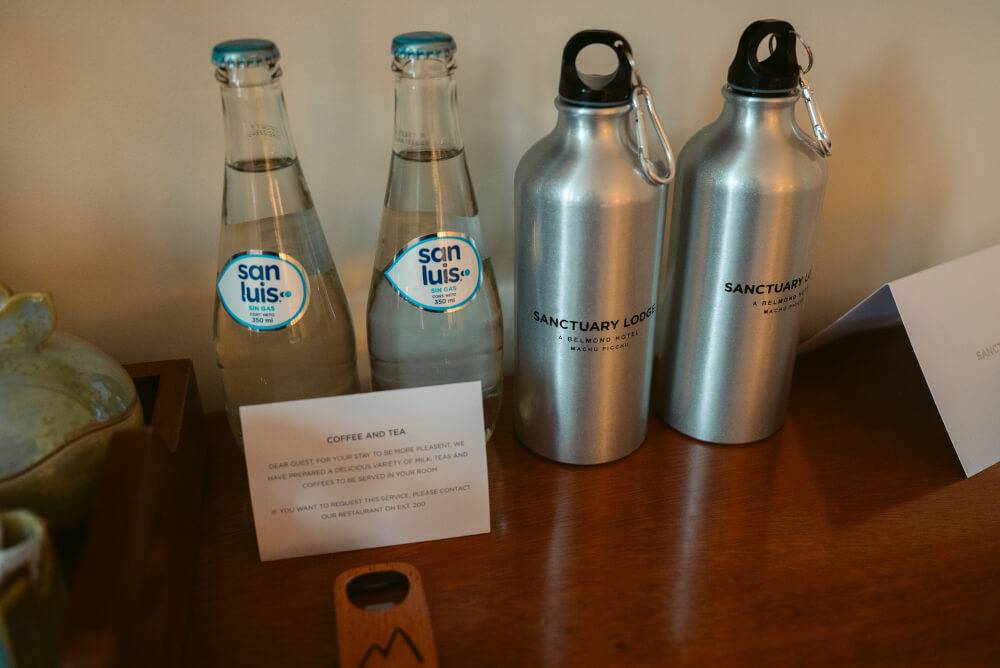
30. Do not drink tap water – stick to bottled or filtered, even for teeth brushing
It’s not unsafe everywhere but as a visitor, you’re probably not going to know where it is ok to drink straight from the tap, so just don’t do it! Better safe than sorry.
31. Coca tea is a legaland effective remedy against altitude sickness, so use it!
A lot of people get freaked out when they hear that coca tea is made out of the same leaves as cocaine, but… guys don’t worry, you won’t get high off this. It honestly tastes a lot like a Japanese green tea to me. But yes, it’s tasty and helps with altitude symptoms. Another great option is Muña tea which has a nice minty flavour.

Something that came in super handy for my trip that i would recommend as well is to…
32. Pack a mini emergency kit
And make sure to include Imodium, Advil, band-aids and some electrolyte packs.
I used this kit MUCH more than expected and it genuinely saved my life. I found electrolyte packs to be sooo helpful in staying hydrated and curbing altitude sickness, and anytime I felt a bit of a rumbly stomach, Imodium came to the rescue, so yes, have an emergency kit like this in your day bag!

Also, beware that…
33. Tipping isn’t a big thing – rounding up or 10% max is a good rule of thumb
Peru is not a country with a tipping culture. In more tourist-oriented places there might be an expectation that you do more, but just know that among locals, the norm is to not tip, or just round-up, maybe give a 10% tip at maximum if you really want to reward great service.

34. Always ask before taking photos of locals in traditional dress, and tip accordingly
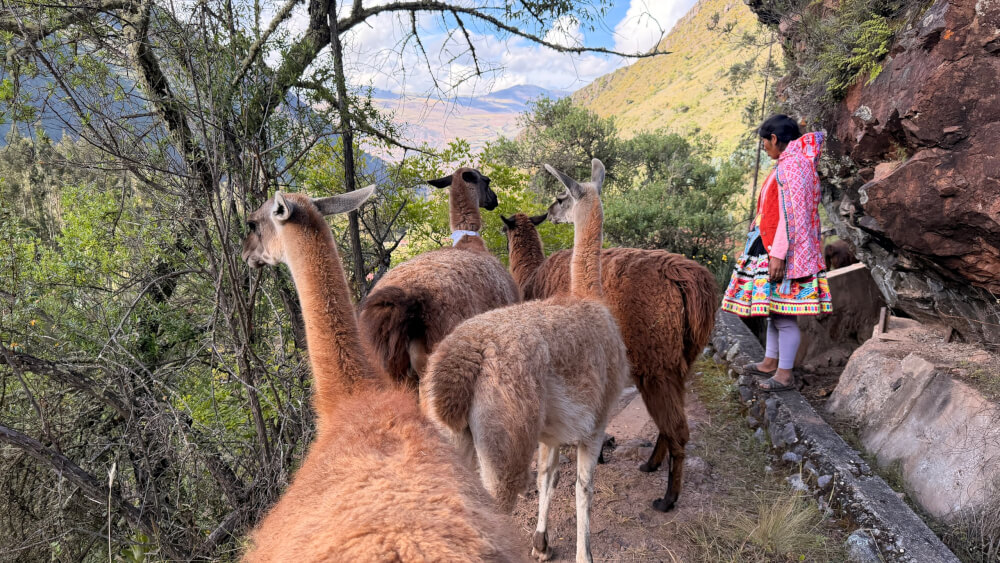
In Andean regions, you’ll often see locals in beautiful, colourful, traditional dress. Always ask before taking photos, and do note that sometimes a small tip is expected in return for taking said photos.
35. Always carry cash, especially when outside major cities
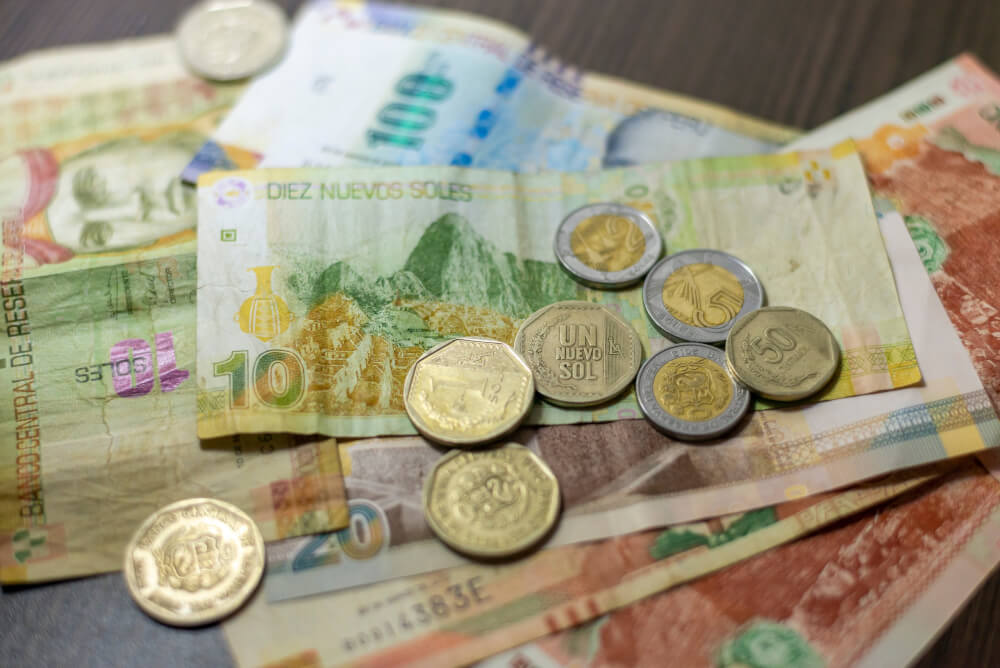
Cards are accepted in many places, but smaller restaurants, markets, and transport often require cash. Or sometimes they charge a bit extra for using a card, which we experienced in a few spots in Aguas Calientes and Cusco. So, just make sure to have at least a small amount of cash on you.
When paying with card though…
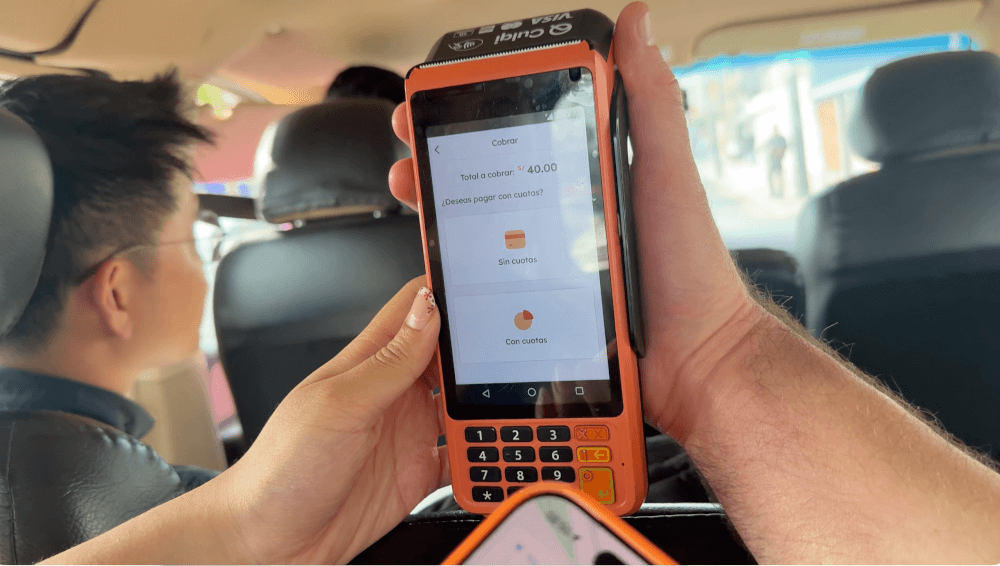
36. Know the difference between CON cuotas and SIN cuotas when you pay by card
This is something I’ve never encountered until Peru, but when you pay with credit card, often it’ll ask if you want CON cuotas, meaning with cuotas, or payment instalments, or SIN cuotas, without instalments.
Always pick sin cuotas for the least headache… because I don’t even know if splitting payments is something our cards are capable of.
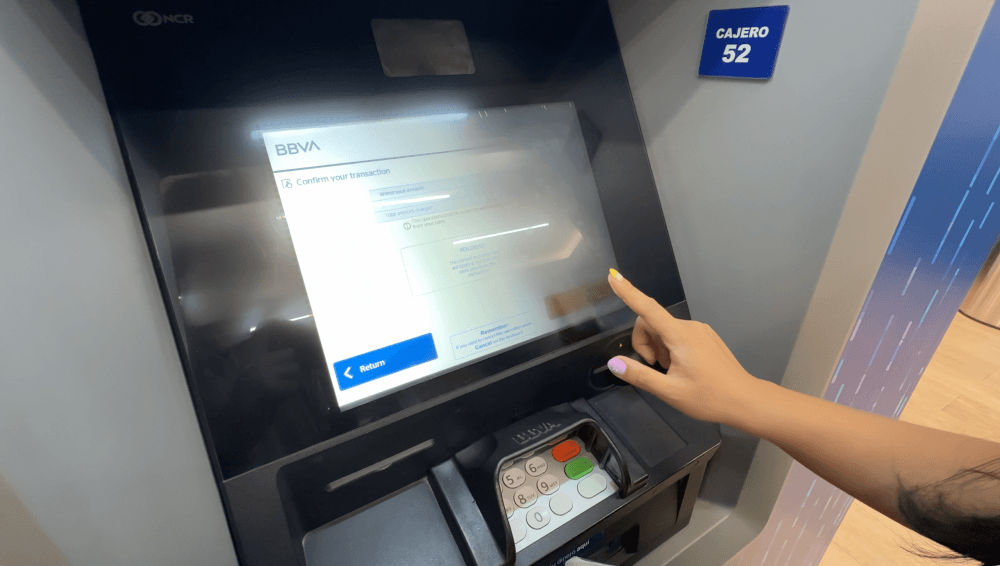
37. Be careful which ATMs you are using to avoid ultra expensive fees
I’ve heard Banco Nacional doesn’t have fees, so I would opt for them just in case, because I had to pay a 38 sole fee with BBVA bank and usually Wise doesn’t charge me for transactions like this, but I think I exceeded my two freebies from a previous trip. Anyway, all to say, go for the national bank to avoid fees just in case, which we did successfully later on in the trip.
And when withdrawing money, though you don’t always have the option, try to get the smallest bills you can. We tipped very generously on some occasions just because we didn’t have anything smaller.
And you’ll also want smaller coins and change for things like public toilets.
On that note, do…
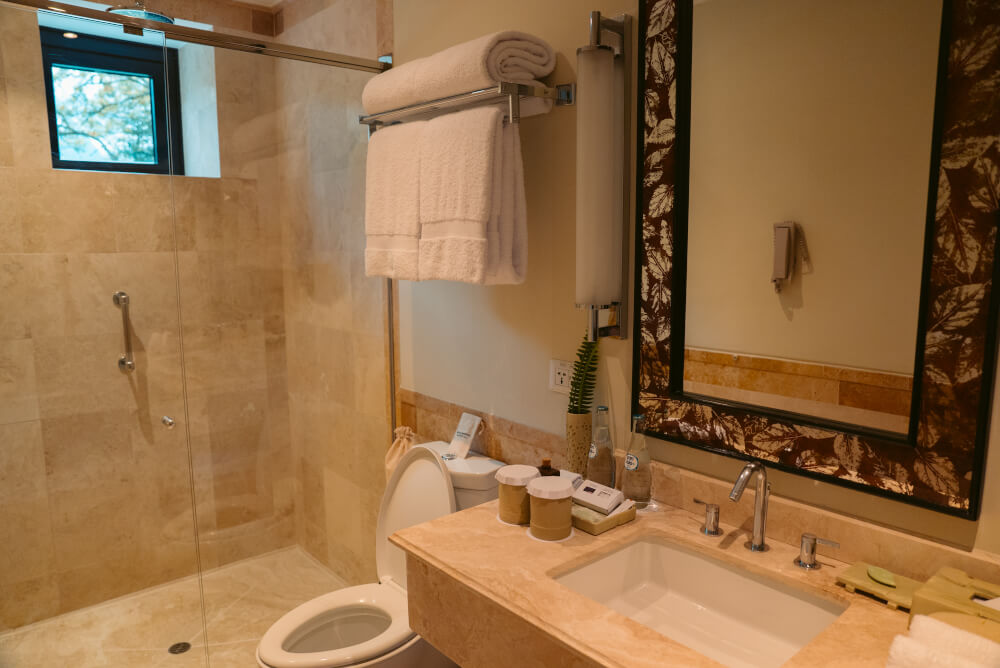
38. Be careful with flushing toilet paper – many places ask you not to
There will usually be signs that warn you of this when it’s necessary, but just pay attention. I was quite surprised that I’d see these signs even at some very nice hotels. I’m personally not used to just throwing toilet paper in the garbage can, so this threw me off guard.
I’d also advise you…
39. Pack and dress for dramatically changing weather
Conditions can change rapidly and unexpectedly all over Peru, so make sure you are prepared in terms of clothing.
Even in the same day, you might experience sun, rain, wind, and cold — especially in the Andes. So, always have a waterproof layer on you and extra layers to help keep warm and dry as needed.
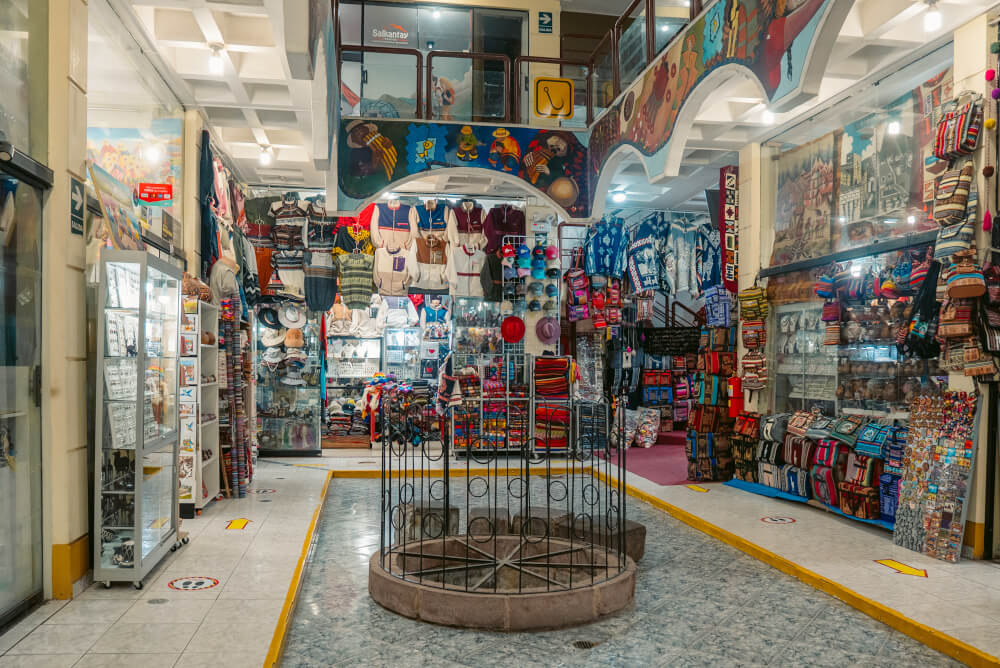
40. Do all your souvenir shopping before getting to the airport
I know airports aren’t known for having the best prices anyway, but the mark-ups I observed at Lima Airport were frankly absurd.
So, unless you want to pay 180 soles for a little llama that would be 20 soles elsewhere in the country, do all your souvenir shopping in advance, remembering again that any larger liquids get confiscated at the gate when you fly back to certain destinations like North America.
If you are shopping though…
41. Keep your receipts for a tax refund upon your departure from Peru
Yes, tourists are actually eligible to get a tax refund on goods when leaving from Peru – you just need to make sure you pay by card, spend more than 100 soles and have a specific type of invoice. Here is the official government site and this is a really good site where you can get more info on this in English!

And also…
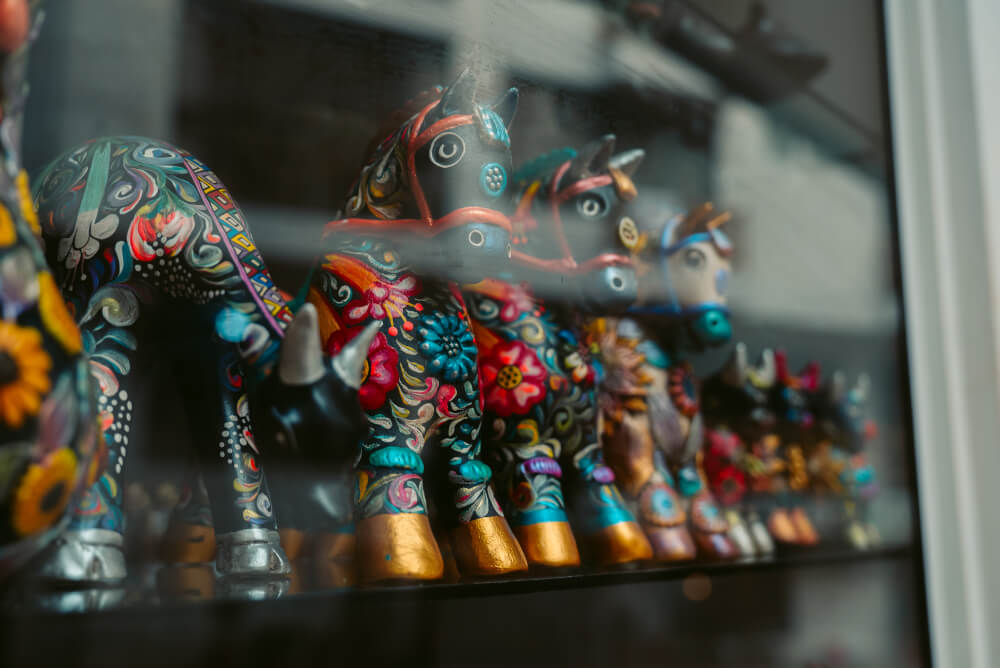
42. Get a feel for general prices before you buy your souvenirs
Prices for souvenirs can vary a lot!
To be honest with you, most souvenirs stalls sell the same stuff, but with dramatically different prices, especially in main squares or touristy areas. So, before you commit to buying anything, do a few loops around and ask for prices so you have an idea of what the rough going rate is, bearing in mind that haggling is a thing, but for me, I rarely do it beyond just asking for a discount if I buy two of something, because I just feel bad.
Lastly, if you are a dog person like me, I have to mention…
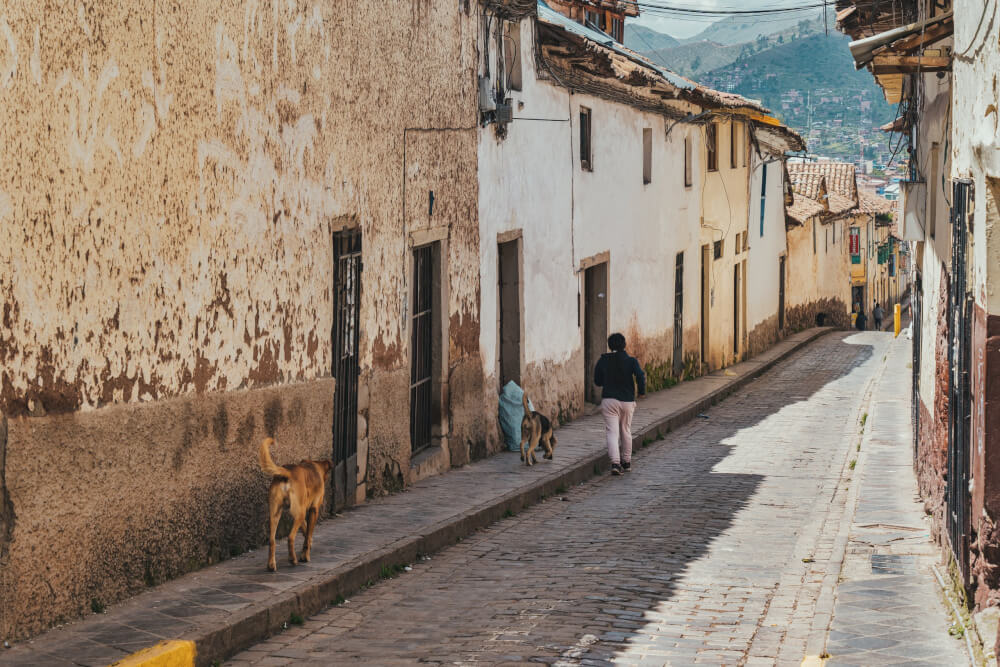
43. You will see a LOT of stray dogs in Peru – know how to protect yourself
I will say in cities, 99% of the stray dogs you encounter are harmless and honestly look pretty well kept and fed… but if you love dogs as much as I do, you’ll probably be tempted to get close to them, which might not always be the best idea if they get aggressive.
So, yes, as cute as they are, do try to keep your distance, especially if you’re alone, and if you feel you are being pursued by aggressive strays, apparently the best course of action is to bend down and pretend to pick up a rock, as they are conditioned to run off when they think something is about to be thrown at them.
And for a fun tip…
44. Watch some movies and read some books set in Peru before your big trip
I always find this is the best way to get excited for an upcoming trip and adds such a magical extra touch when you’re there because you’re recognizing places you’ve only seen before on screen.
Some more modern English ones include…
- The Motorcycle Diaries, which is about Che Guevara’s motorcycle ride across South America, where he spent a lot of time in Peru and saw many social class struggles which ultimately solidified the beliefs that led to his later political activities
- Transformers: Rise of the Beasts, a large chunk takes part in Peru
Weirdly, there are also lots of children’s films that showcase Peru, so if you’re not opposed to that, there’s…
- Dora and the Lost City of Gold
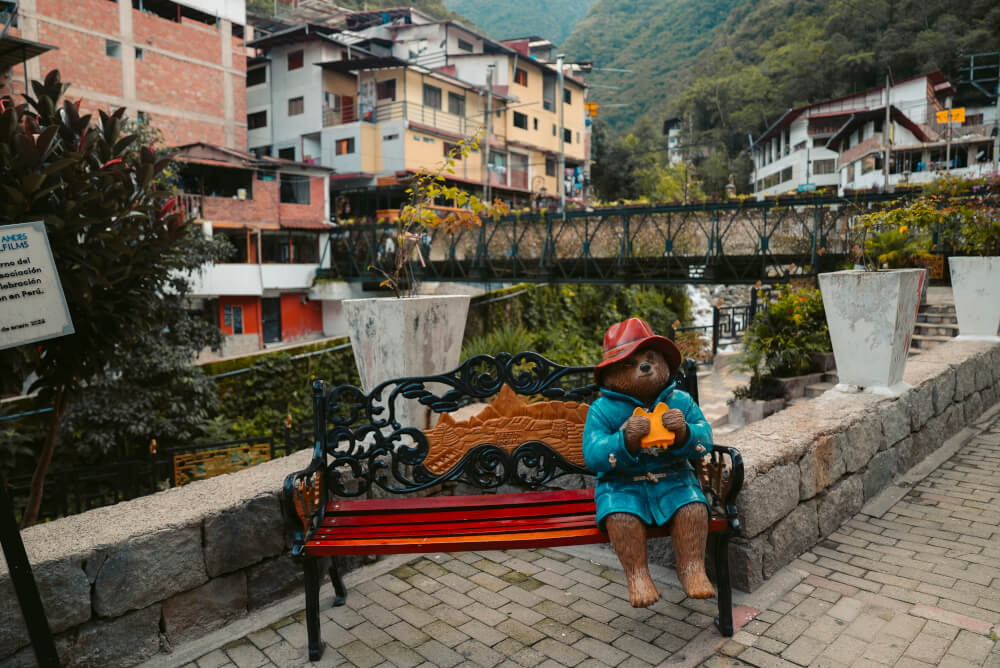
- Paddington in Peru
- (Don’t laugh) The Emperor’s New Groove
- The Celestine Prophecy
Some older classics filmed in Peru include…
- The Secret of the Incas, widely said to have been the inspo for Indiana Jones
- Fitzarraldo
And if you want to add some actual Peruvian movies in Spanish, then you might like,
- Hasta que nos volvamos a encontrar (Without Saying Goodbye), a 2022 rom-com on Netflix about a successful businessman falling for a carefree backpacker in Cusco, they also do the Salkantay Trek to Machu Picchu
- La teta asustada (The Milk of Sorrow – 2009), a sad story about how women who suffered sexual violence during the period of terrorism in Peru at the end of the 20th century was passed down through generations, and also the first Peruvian film to be nominated for an Academy Award
45. Be sure to read baggage restrictions carefully as they can be strict/confusing
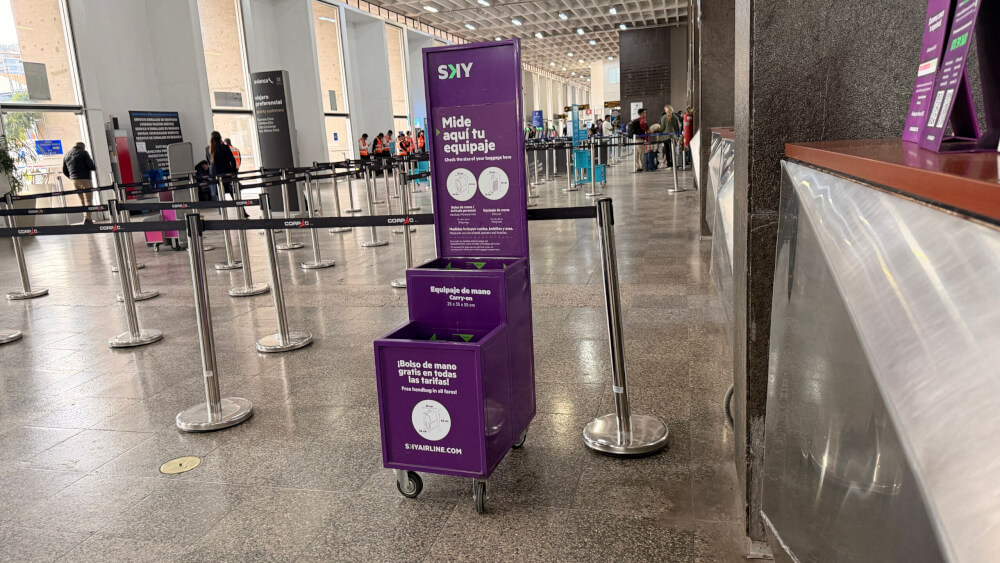
This was my first time in South America, so I’m not sure what dimensions are standard, but make sure you read the info on your flight website very closely.
With my LATAM flight, for instance, the maximum dimension was only 158cm if you added together the width, height and depth of your suitcase, which isn’t actually that big, so don’t assume that your usual suitcases and bags will work here.
Okay next, bit of a random one, but do…
46. Triple check bookings before you confirm – websites can be glitchy!
I noticed this on a few sites including IncaRail – sometimes you’ll be booking something and even after you click modify on dates or whatever, the changes don’t go through, so if you’re not careful, you might accidentally book the wrong date or time or slot for things.
Otherwise, sometimes if you click “back” while booking, the page just defaults to what they’re set to rather than the details you just put in, so be careful and always double, triple-check all bookings!
47. Lastly, be mindful of where you keep and use power banks when flying
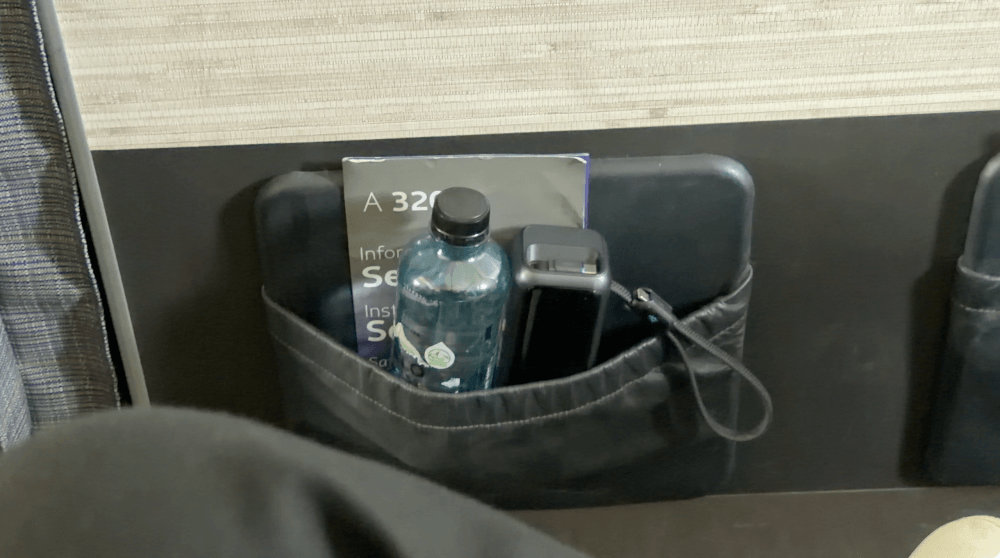
They also seemed super strict about this during my trip – we had to keep power banks on us at all times during flights, but we weren’t allowed to use them.
A couple in front of me while boarding actually left a power bank inside their checked bag, which caused a huge headache while boarding because they had to basically sign some forms saying, “Yes, you can dispose of my power bank,” as there was no time to get it to them so yeah, a bit of a shame and waste.
I hope this list of Peru travel tips was helpful!
Let me know in the comments if you have any more to add.