
*FYI - this post may contain affiliate links, which means we earn a commission at no extra cost to you if you purchase from them. Also, as an Amazon Associate I earn from qualifying purchases. Check out our Privacy Policy and Disclosure. for more info.
As the former capital of the Inca Empire, I think it’s safe to say that there’s no place in the world quite like Cusco… a Puma-shaped city wedged in the Andes at 11,000 feet elevation, where in a single day you can ogle sprawling Incan ruins, admire gleaming Baroque facades, and eat cake in a museum dedicated entirely to chocolate.
And while tourists come here in droves to start their journey to the (admittedly VERY impressive) site of Machu Picchu, far fewer stay long enough to do the city justice. But after spending several days exploring all that Cusco has to offer, I’d say that’s a huge mistake. This city is filled with hidden wonders, so make sure you take advantage!
In this post, I’ll be sharing the best things to do in Cusco, from frolicking through hidden courtyards to drooling over epic viewpoints and ruins. I hope you find it helpful, and give Cusco a biiiit more time than just a day or two.
Save this list of Things to Do in Cusco for Later!
You’ll be very glad you did.
My Free Map of Things to Do in Cusco
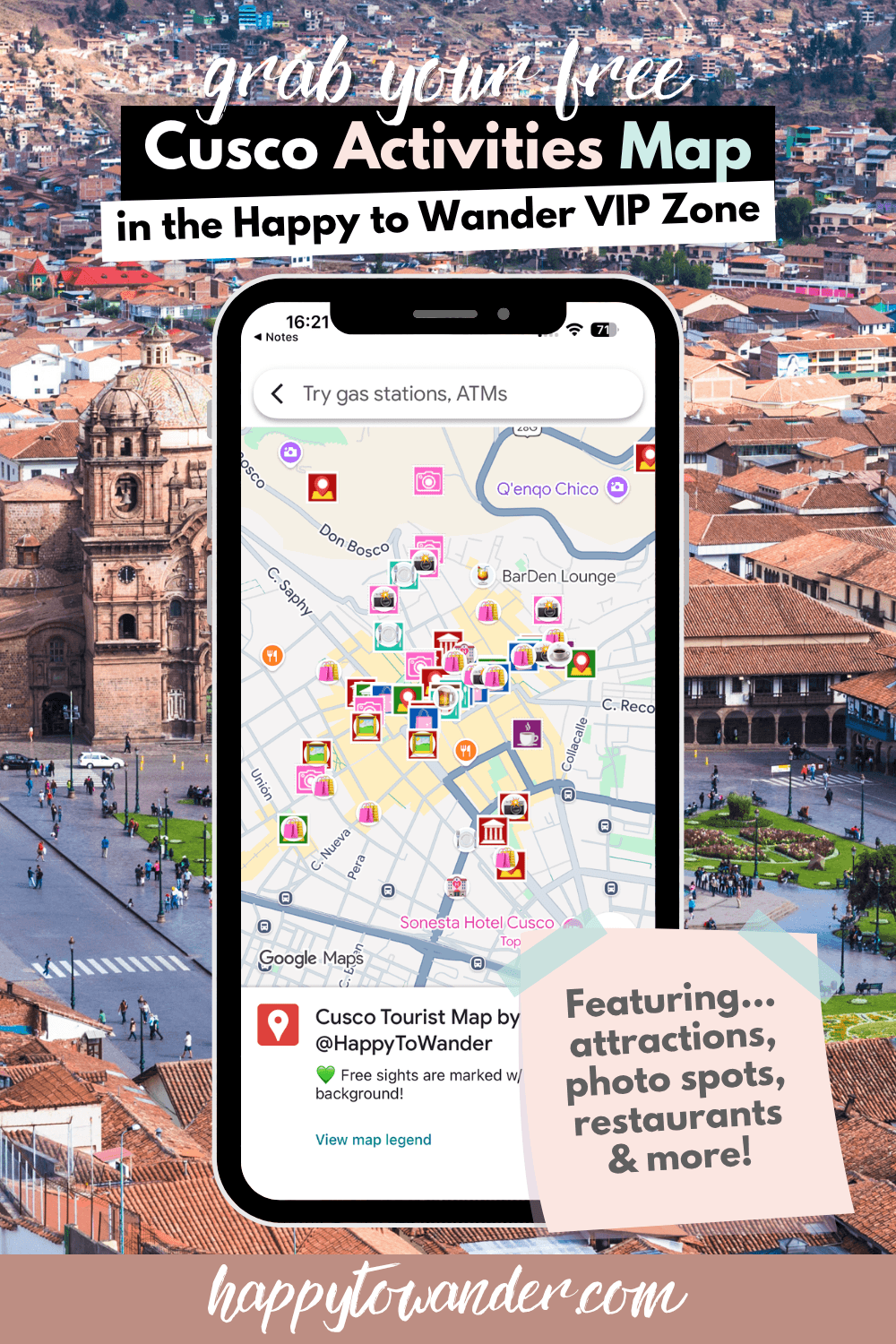
For a free map that includes all the activities below (plus recommendations for food, drink, etc.), head to my VIP Zone!
1. Wander Around the Centro Histórico
Famously shaped like a Puma, Cusco is a city that can be tough to navigate efficiently thanks to endless hills and sprawl. So, let’s use the Puma as our guide and start in its belly, where the Centro Histórico is located.
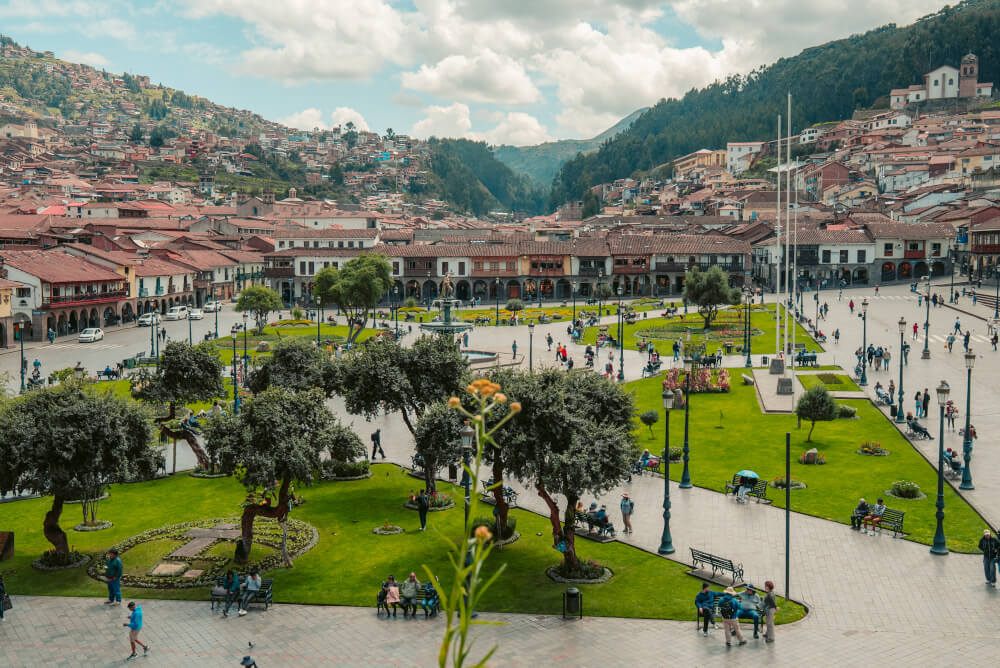
Centered around the bustling but beautiful Plaza de Armas, Cusco’s historic centre is a maze of cobblestone streets packed with colonial-era buildings. Within them? Countless lively restaurants, bars, and shops… along with a sprinkle of ancient Incan foundations and walls in between, just to keep you on your toes.
Now, as lovely as it is, Plaza de Armas is by far the busiest and most stressful piece of Cusco, so I’d advise ticking it off your list early in the morning before the crowds and touts settle in.
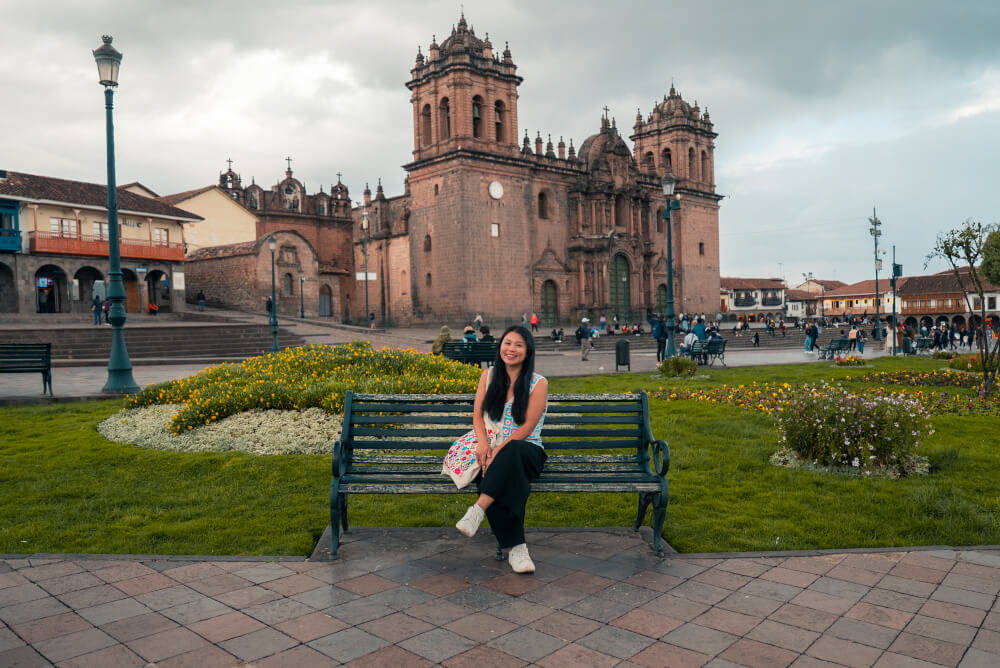
Highlights here include the grand Cusco Cathedral, known for its mish-mash of Gothic, Renaissance and Baroque design… built on the site of a former Inca Palace. No photos are allowed inside, but a unique highlight is a version of the Last Supper featuring local delicacies like Guinea pig and chicha!
In the heart of the square, you’ll find a central fountain depicting the Inca Emperor Pachacuti, surrounded at almost all hours by tour groups.
And on the square’s south-eastern edge, you’ll find the ornate Templo de la Compañía de Jesus, known for housing the largest altarpiece in Peru at 21 meters tall and 12 meters wide, decked in glittering gold. Sadly, once again no photos are allowed inside, but I did snap this amazing view of the square from the impressive vantage point of its tower… though the nearby Starbucks supposedly offers a very similar view.
And if you’re looking to make it rain some soles, right next door to this church is a small market hall housing the Benemerita Sociedad de Artesanos del Cusco, which has a ton of amazing art and vendors selling the usual Cusco souvenir wares alongside some more unique items as well. I found some very fun pieces there, including the cutest lllama notebook and also some of the fluffiest alpaca dolls I encountered on my trip, complete with tiny hats.
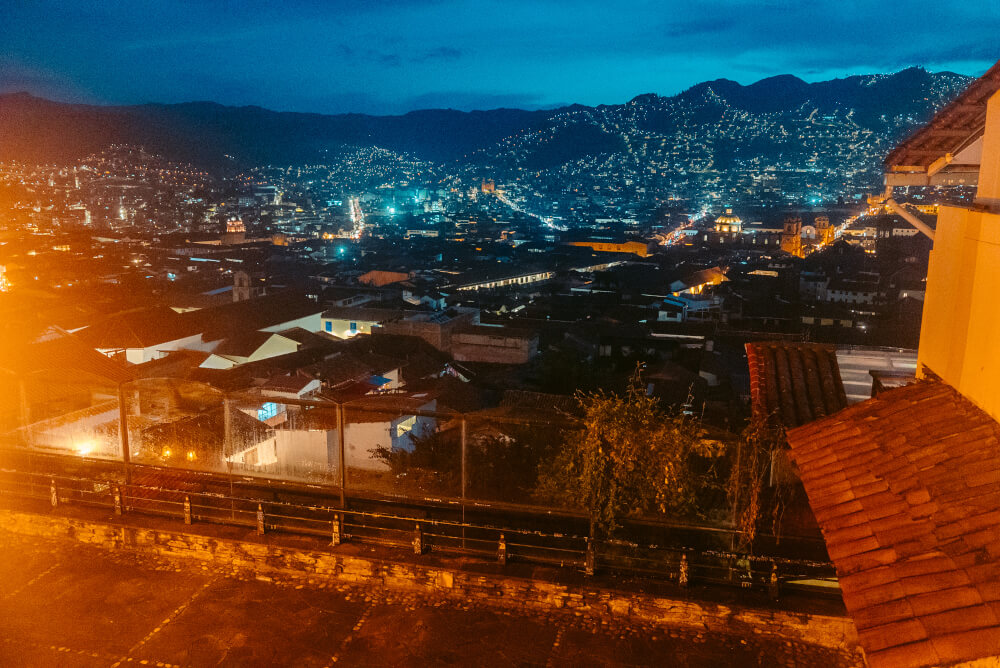
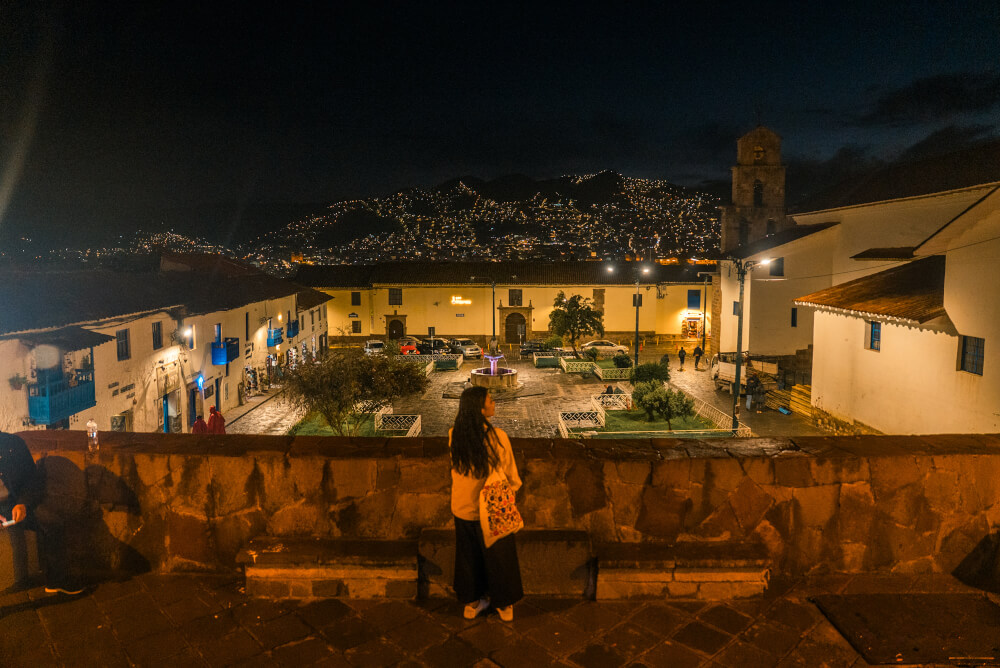
PS: Be sure to come back to the square at night for a completely different vibe, with the lights in Cusco’s surroundings hills and mountains lighting up the sky like tiny stars… and some fun nightlife opportunities as well, including a classic tourist pilgrimage to Paddy’s just off the square, which has the obscure bragging right of being the highest 100% Irish-owned pub in the world.
2. Head Out Further From Plaza de Armas
Now, if cans of Guinness aren’t what you’re after in your Cusco experience (yes, sadly they only have cans!), the good news is you have cool must-sees awaiting you in literally every direction from Plaza de Armas, so let’s move onto those.
Amble eastwards and you’ll find Calle Hatunrumiyoc, an ancient street where you can still find original Inca stone walls, housing unique highlights like the famous Twelve Angled Stone, known for its incredibly precise stonework and seamless fit.
And just one street over, two of Cusco’s most interesting museums.
First – the Museo de Arte Precolombino, home to an astounding collection of pre-Columbian artefacts from cultures across Peru. From necklaces and jewellery pieces made of bone and shell to silver artefacts like Chimu silver pins, bowls and ceremonial vessels.
I especially enjoyed the wood gallery with centuries old wood sculptures and sceptres, as well as the upper floor, where you’ll find a dreamy selection of Nasca ceramics and Inca artifacts.
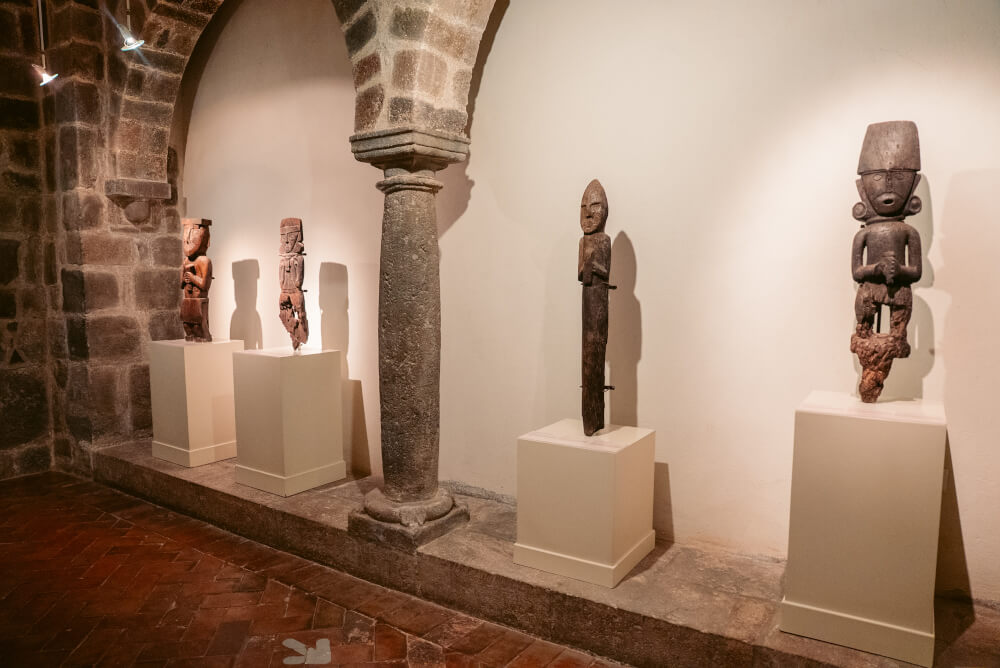
Of course, you’ll find Cusco colonial art here as well… but if it’s more about Inca history you’re after, you’re in luck.
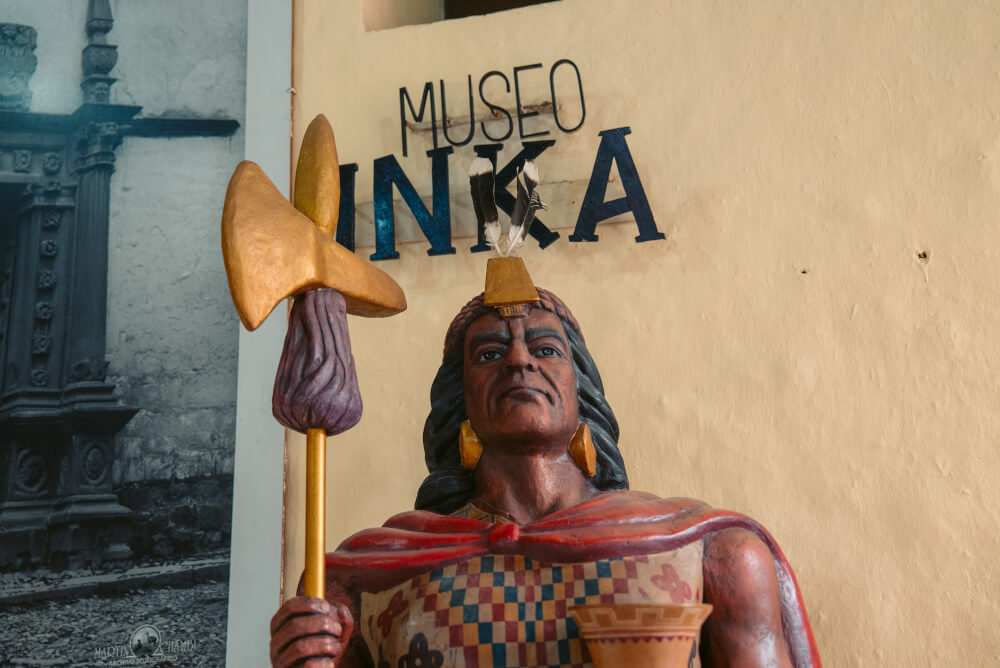
Just down the street, you’ll find the Inca Museum, housed in a beautiful colonial mansion once owned by a Spanish admiral.
Sadly, photos aren’t allowed inside, but the displays are quite extensive, providing a lot of context to the historic sites and culture and traditions that you see and experience all through Cusco. And on the upper floors, more displays about the different regions of the Andes along with artifacts discovered within them.
There are also a lot of dioramas and scale models that help you better understand the landscapes and historic context around popular symbols of the country, like llamas and alpacas.
And of course, artefacts reflecting some brutal and unsettling parts of Incan culture, including trepanation and skull deformation… along with various mummies and funeral practises presented in the rawest form you will probably ever see, including mummified dogs, who were considered to be sacred guides in death.
Colonial art takes its place in this museum as well, with a collection of domestic furniture pieces once used to decorate local homes, and even paintings depicting nobility from the 17th century. As I said, this is a dense museum with plenty to get through, so budget a good amount of time here.
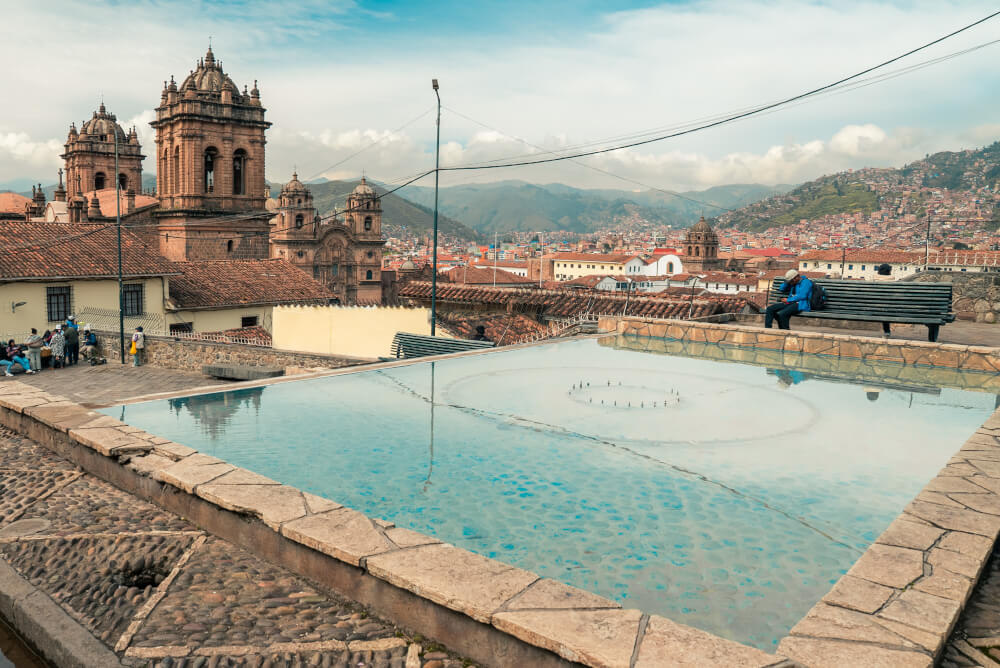
Now, if you’ve had enough of museums and are more into photo opps, one of Cusco’s best can be found right outside the Inca Museum in Plaza Tricentenario, with an amazing perspective over Plaza de Armas.
Before we go any farther though, I have to say: if your goal is to see all the main sights of Cusco and you plan to explore further in the Sacred Valley, then it might make sense for you to first head south from Plaza de Armas, straight to the Committee of Integrated Tourist Cultural Services of Cusco (COSITUC) central office to….
3. Buy a Boleto Turistico first, for convenience
This ticket bundles entry to several attractions in and around Cusco, with archaeological sites and museums aplenty.
While it isn’t cheap upfront, it can save money if you’re planning to see multiple sites… and, annoyingly, there are some sites that can only be visited with the purchase of a pass (e.g. Sacsayhuaman), which forces you to get one even if you just want to see one thing.
NOTE: Do not make the mistake of assuming it includes everything, because actually within the city of Cusco itself, there are several prominent sites missing. Notable exceptions will be mentioned below, but remember to always double check which sites are included.
Now, the easiest place to buy this pass in the city centre is at the COSITUC office at Avenue el sol 103… but some sites will have them available for sale as well.
Because we’re all about efficiency around here, though, buying from the COISTUC office first will actually allow you to check off your first sight without even leaving the building because yes, just downstairs is where you can check out the Museo de Arte Popular, which is dedicated to traditional Cusco folk art, miniatures, and religious crafts.
While the fluorescent lighting and basement location aren’t the most promising, I actually really enjoyed the collection here, with highlights including various Corpus Christi altars, ranging from mini to ultra-mini, as well as some really beautiful sculptures and adorably tiny recreations of Cusco.
You’ll also find tons of fun miniatures and dioramas, many with a religious theme… but my personal faves depicted everyday life and birds.
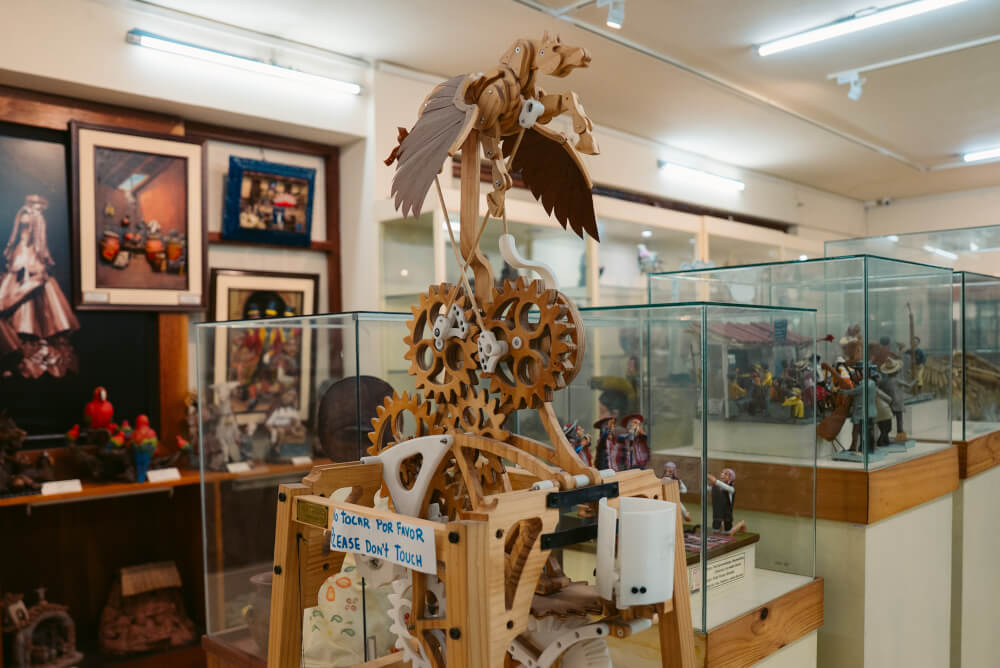
Now, after posing with all the adorable tiny things, you can walk southwards a little further from here for one of my top Cusco must-dos, which is to…
4. Explore Qorikancha
Also known as the Temple of the Sun, this was once the most important temple in the entire Inca Empire.
During its peak, the temple walls were said to be covered in sheets of gold and dedicated to the worship of the sun… as noticeable still in the ruins and curved stone foundations that remain today.
But because we can’t have nice things, after the Spanish conquest, the Convent of Santo Domingo was built directly on top of the ruins, creating today’s striking fusion of Incan and colonial architecture.
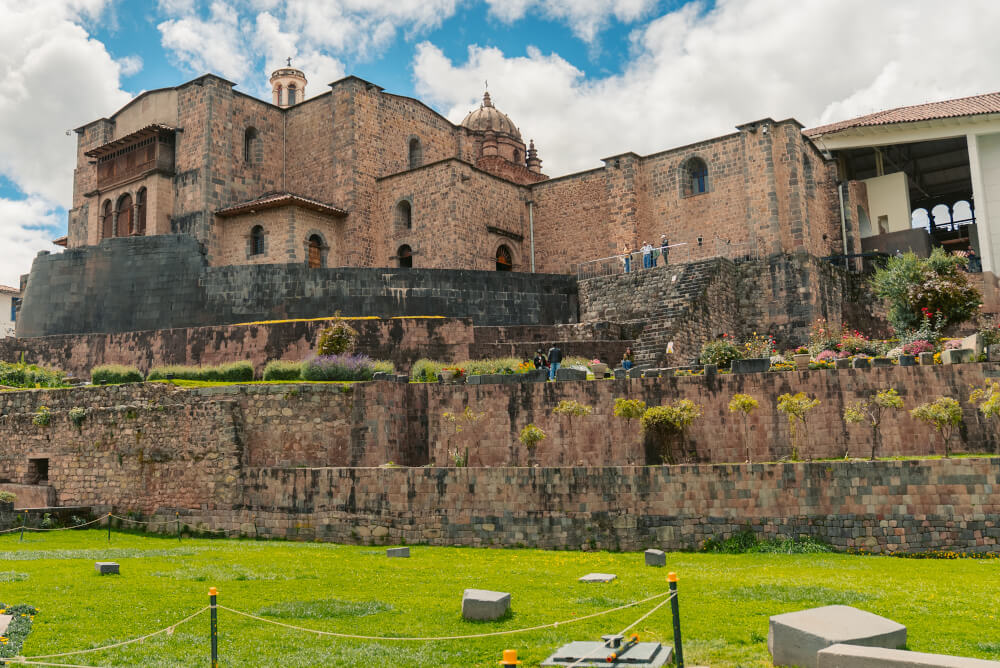
This is definitely one of the most interesting places in the city to learn about the many layers of Cusco’s history… literally.
Just beware that this site is unfortunately not included in the tourist ticket, unlike the Museo de Sitio Qorikancha, located directly below.
Yes, it’s confusing. I assume on purpose.
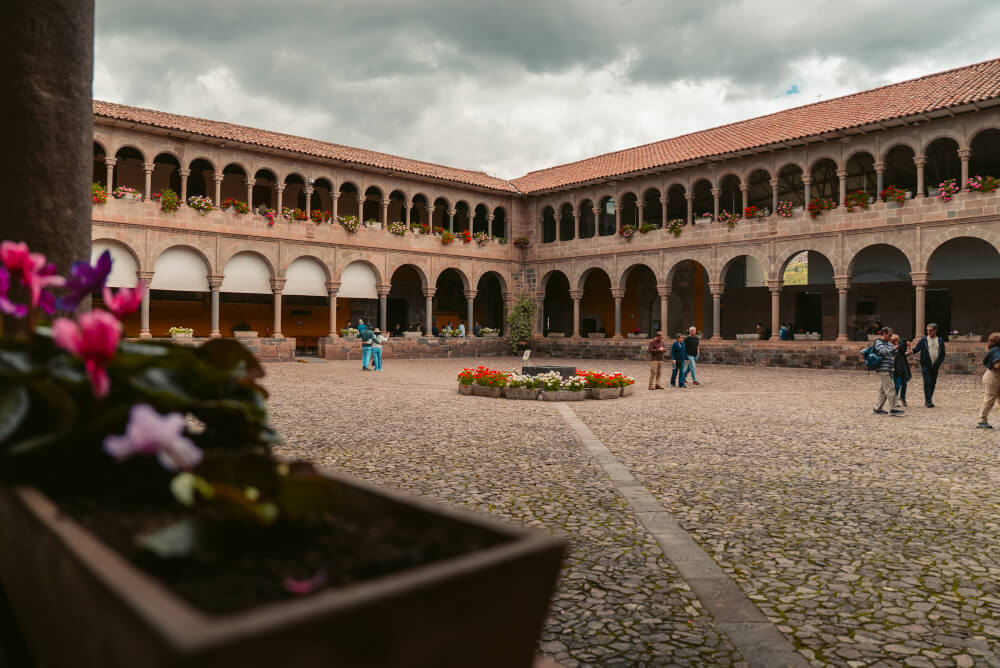
So, to avoid confusion, do note that the main entrance of Qorikancha can be accessed at the top of the hill, whereas the entrance for the museum is at the bottom of the site… something I personally learned the hard way. The more impressive site is by far Qorikancha itself, where you can explore beautiful courtyards and original Inca walls.
But the museum is interesting too. You get to see a lot of artefacts and unique displays, even ones depicting ancient burial rituals… ending with a fun frolic in the grassy area of the site for some unique photo opps.
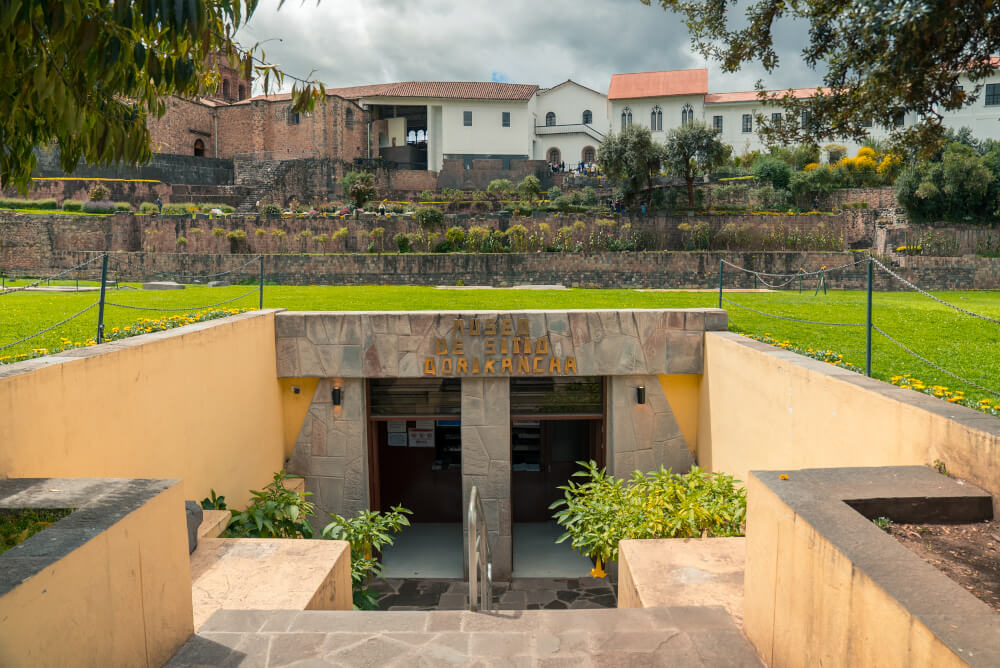
If you’re short on time, though, the actual Qorikancha site is infinitely more interesting and worth the extra ticket.
Just around the corner from here is the Centro Qosqo de Arte Nativo, which is also included in the Boleto Turistico and features a showcase of traditional Peruvian folk dances every evening.
But there’s a lot more to see on the western side of the city, or the earth upon which the Cusco puma lays.
Just steps away from Plaza de Armas for instance, you can…
5. Visit Plaza Regocijo (and its many museums)
This plaza is surrounded by several museums, including the Museo Histórico Regional de Cusco, which is home to exhibits on the city’s Inca and colonial past, with a beautiful courtyard adorned with rainbow ribbons.
The fairly small Museo de Arte Contemporaneo is in this square as well, with a small collection of modern Peruvian artworks on display.
Perhaps more enticing to most, though, is the deliciously named ChocoMuseo, a free option offering demos about Peruvian cacao and chocolate-making… though beware that this spot is definitely less of a museum and more of a café and gift shop… though you can observe chocolates being prepped and prepared, and the view from their café is admittedly fantastic, as is their chocolate cake and coffee.
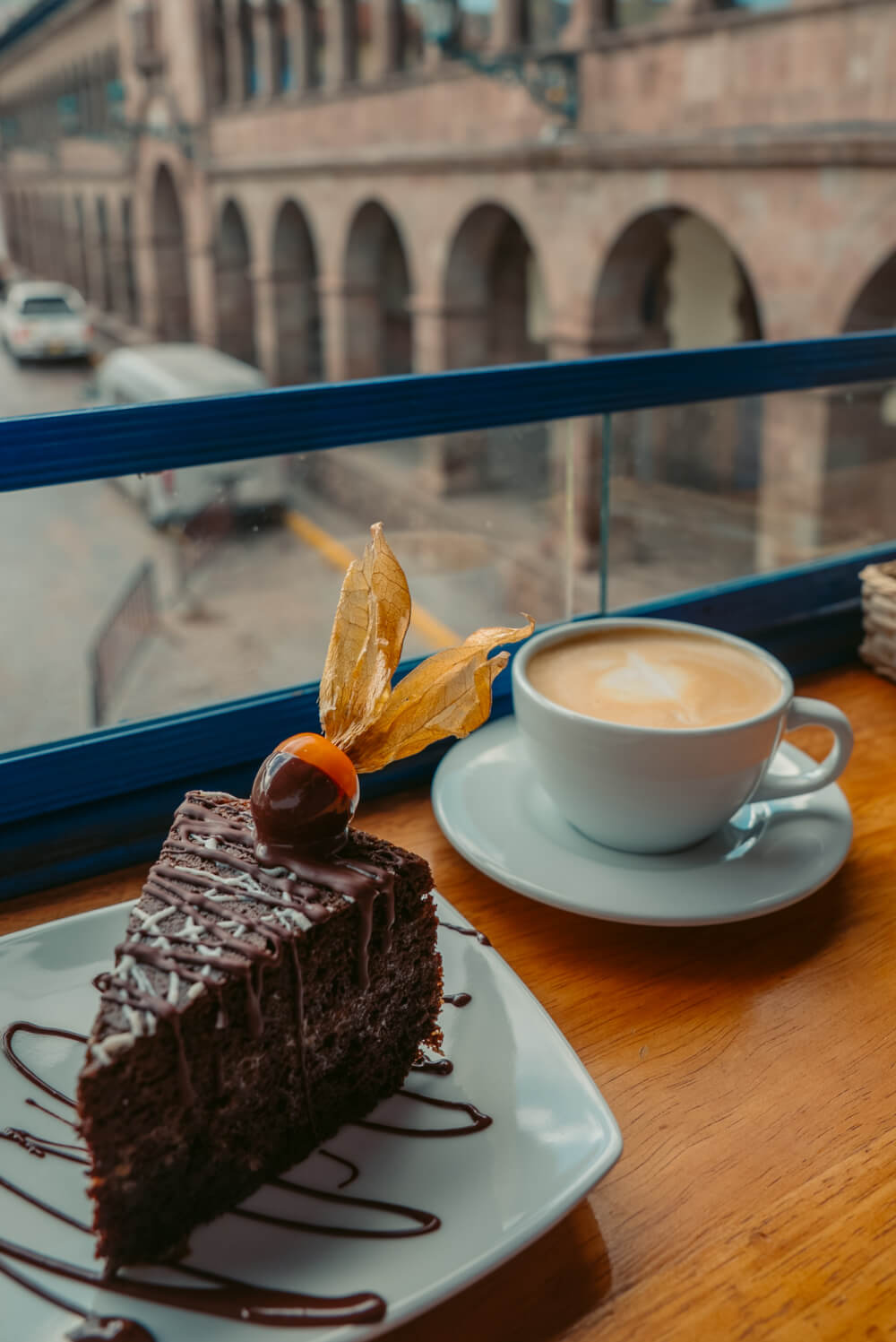
Enter around the side entrance as well and you can also admire several highly impressive chocolate models including an epic chocolate recreation of Machu Picchu.
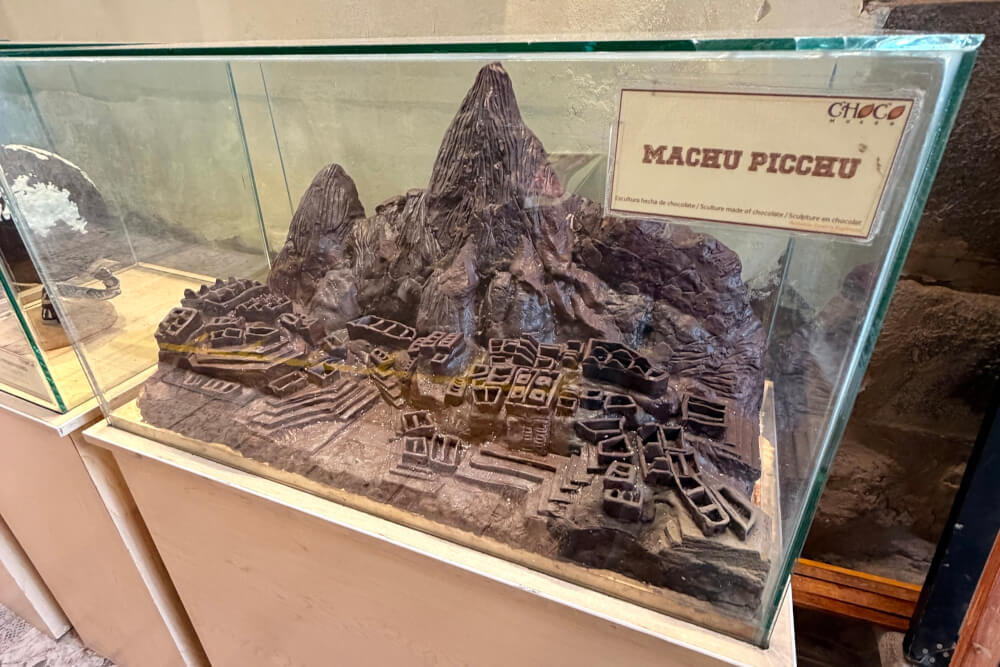
For a more immersive historic experience, though, just two streets over, you’ll find one of my favourite lesser-known gems in Cusco, so let’s move onto our next must-do which is to….
6. Visit the Museo y Catacumbas del Convento de San Francisco de Asís de Cusco
I had this place pretty much all to myself, and I can’t believe more people don’t talk about it! Maybe because the name is so long.
In any case, this peaceful convent complex is one of the most idyllic and beautiful museums in the city… and a welcome reprieve from the chaos of the Plaza San Francisco just outside.
Unfortunately, some of the most striking parts of the space are off limits to photos and videos, but some bits that took my breath away include the courtyard, as well as a library filled with hundreds of ancient, sacred texts beautifully displayed in glass enclosed wooden bookshelves.
There are also two small crypts from wealthy families here, but more interesting for me were the peaceful cloister and the stunning interiors.
Plus, if you haven’t had enough nice views, with a staff escort, you can even visit the tower, where you’ll find massive historic bells as well a unique perspective over the city.
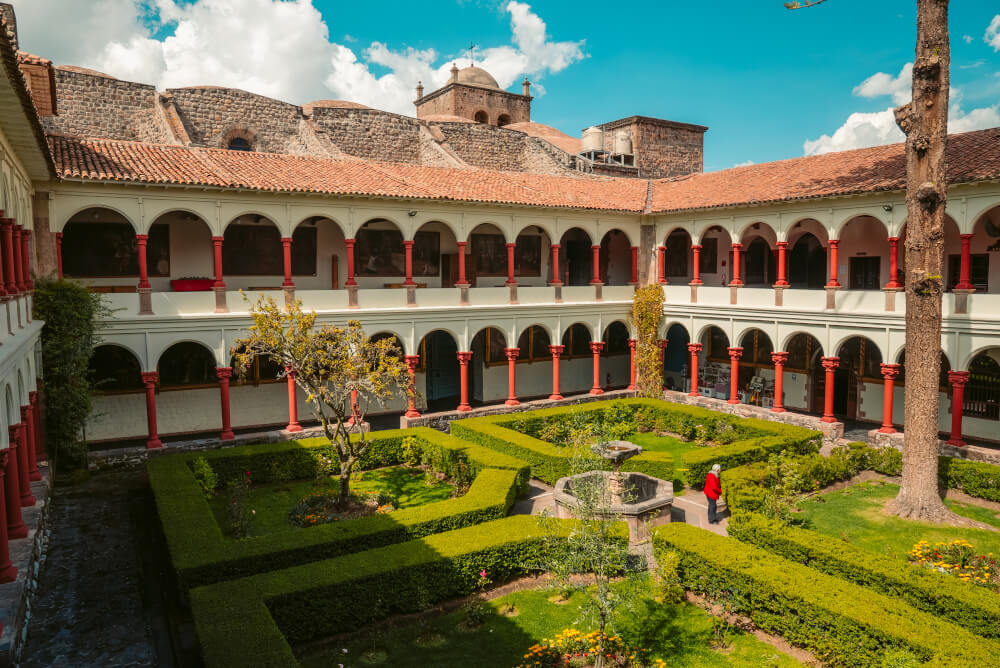
And hey, if you’ve worked up an appetite, from here, you’re just around the corner from one of Cusco’s most popular attractions, so why not walk through the beautiful Santa Clara arch and head over to…
7. Explore San Pedro Market
This lively market is packed with vendors selling everything from ultra colourful produce and spices to affordable eats and souvenirs aplenty… though sadly, I visited on a day that it was exceptionally closed, so I had to use my imagination a bit.
Still, I’ve heard it’s a great place to try local snacks, sample exotic fruits, or simply soak up the atmosphere of everyday life in Cusco.
Some of which I did get to experience with the sprawl of market stalls and vendors outside, where I even found the cutest pet stall selling Peru-inspired garments.
The surrounding neighbourhood is also home to some cool murals as well as a ton of affordable local food spots and shopping, so it’s worth a little wander.
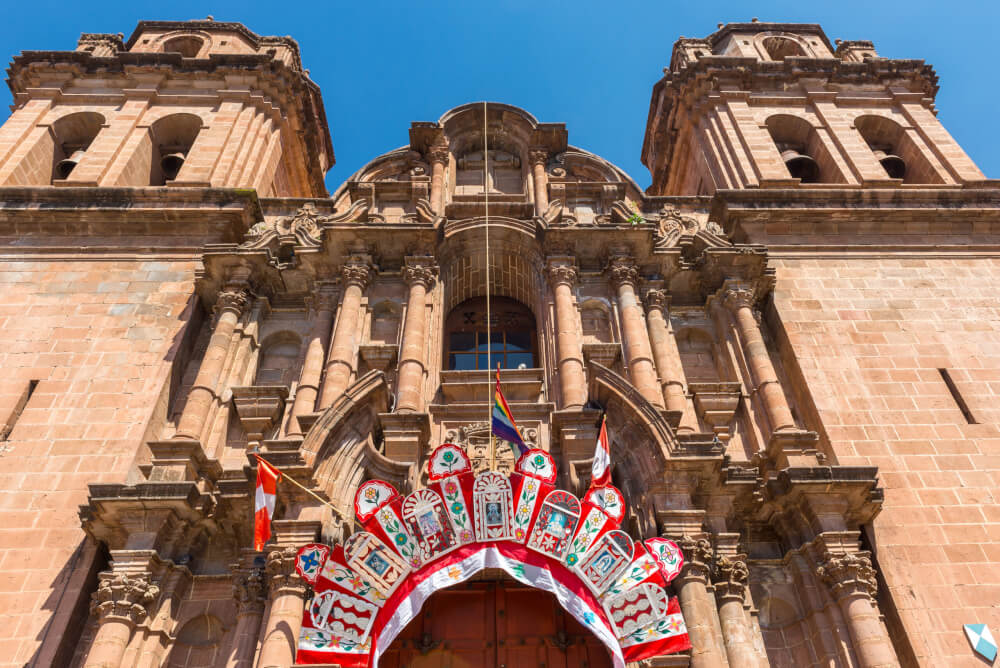
Now let’s head up. Way up! Our next stop is the famed head of Cusco’s puma where we can…
8. Visit the Massive Ruins of Sacsayhuamán
If you’re still feeling the altitude, I’d recommend grabbing a taxi to reach the top, then taking a leisurely walk downhill afterwards to see all the sights.
If you’re feeling ambitious, however, a 30-minute steep uphill walk from the historic centre of Cusco will bring you to the city’s most impressive archaeological site: Sacsayhuamán. Pronounced like “sack-say hwa-mahn”, sadly not “sexy woman” as many will be tempted to.
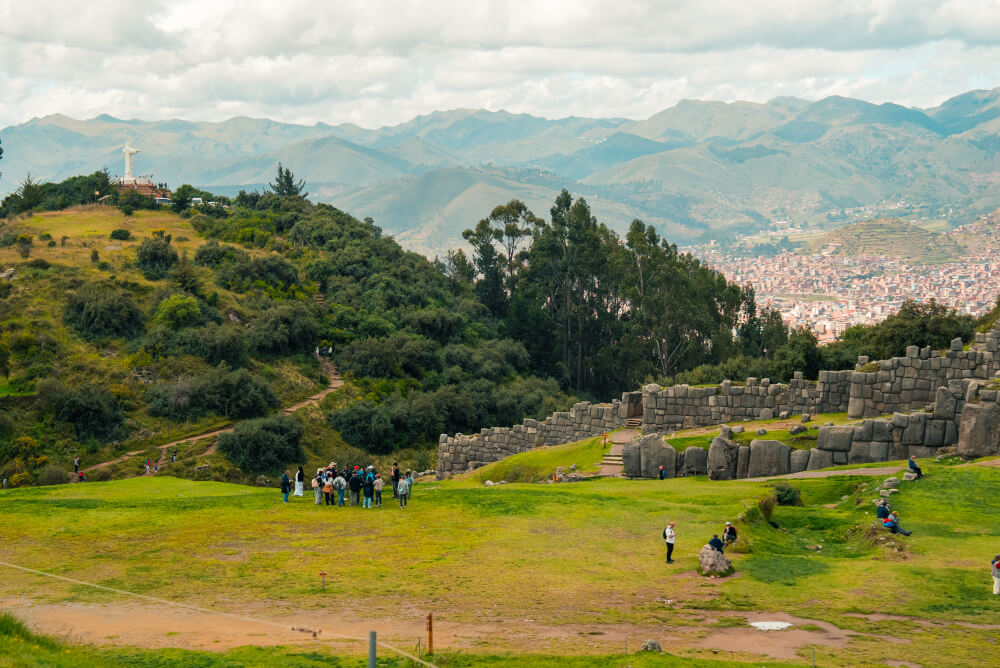
This enormous complex is famous for its zig-zagging stone walls made from precisely fitted blocks, some weighing over 100 tons.
While Machu Picchu has largely overshadowed these ruins, it is important to note that prior to its discovery, Sacsayhuaman was actually considered some of the best Incan ruins to visit, thanks to its dramatic size and easy accessibility from Cusco.
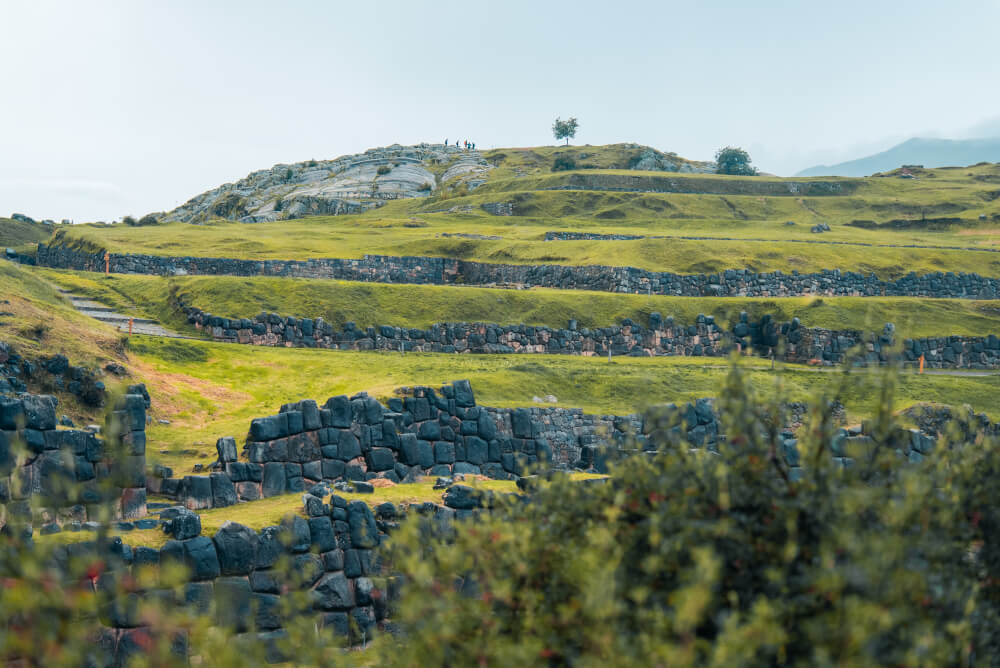
The scale and precision of these stones is truly mind-blowing, especially when you consider they were built centuries ago without modern tools. Highlights here include the colossal terrace walls, and the open ceremonial fields used during Inti Raymi celebrations… but the site also offers fantastic views over the city, making it a popular spot to combine history with a side of Instagrammy indulgence.
For those up to taking an extra detour, you can head to the Cristo Blanco from here as well, a large white statue of Christ that overlooks the city from above… kind of Cusco’s answer to Christ the Redeemer, installed in 1945 as a gift to the city from the Palestinian community, standing as a symbol of peace and protection.
As you can assume, from such a high point, from here you’ll get more sweeping views over Cusco’s iconic rooftops and surrounding mountains.
But if that’s not high enough, the Cusco Planetarium can be found close by as well – offering views of the glittering skies above, with roundtrip transport from the city centre included.
Now, if you’re already visiting Sacsayhuamán, it may be worth it to…
9. Explore other nearby Inca sites
The closest of which is Qenqo, an archaeological site known for its carved rock formations and ceremonial spaces, including tunnels you can walk through and a lower site that’s free, where you’ll see lots of locals enjoying picnics.
Though be warned, the walk here is along the road and not the most pleasant when it’s hot out, which is something I personally learned the hard way.
If you’re up for exploring farther afield, there’s also Tambomachay, sometimes referred to as the “Baths of the Inca” thanks to its impressive water channels and fountains.
And nearby Puka Pukara, believed to have once served as a military checkpoint.
For those who love maximizing value like me, these sites are all included in the Cusco Tourist Ticket as well.
Now, whether you choose to add on further explorations or not, after some wanders through Incan history, it’s time to head back down into the center, because, if you plan your route strategically, you can gawk at some of the city’s most beautiful spots along the way, to avoid backtracking later.
Just a few short minutes from the southern exit of Sacsayhuaman, for instance, you can…
10. Enjoy a frolic along Calle 7 Borreguitos
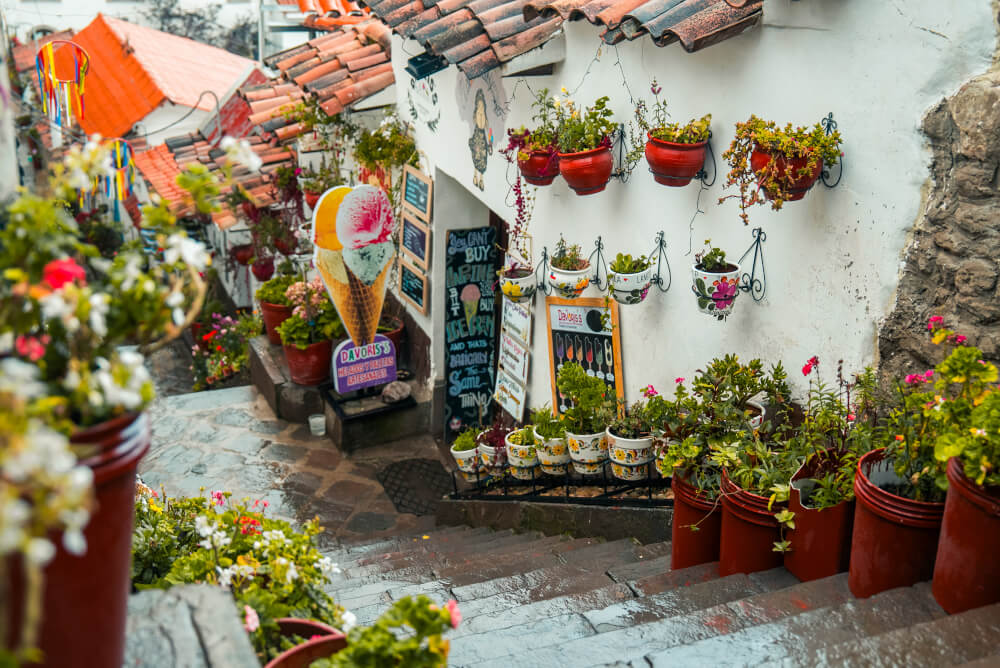
This photogenic hotspot is one of the cutest spots for a quickie piccy in the city, with colourful flower pots adorning the whitewashed walls and stairs.
This street has easily made a name for itself as one of the prettiest spots with pots in all of Cusco, many of which are adorned with names.
While you’ll no doubt have to dodge a few photoshoots along the way, I’d say it’s worth a peek, since you’ll find other noteworthy spots close by.
The Sapantiana Aqueduct, for instance, is just a few minutes away. This small aqueduct dates back to the colonial era and is known for its beautiful stone arches tucked into a scenic green backdrop.
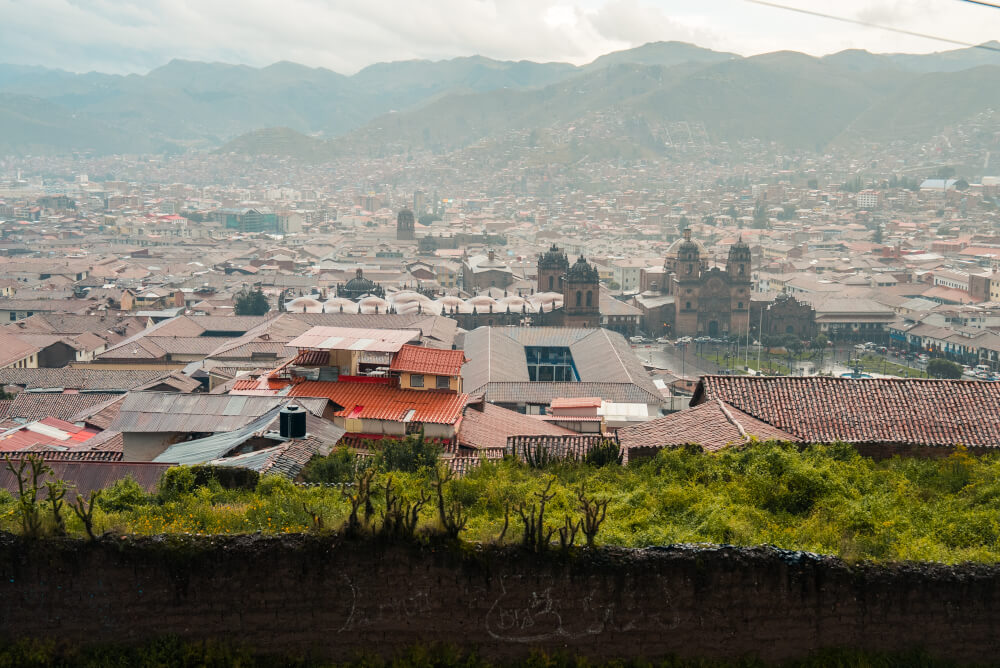
Or you can head over to one of the most amazing viewpoints in the entire city, the Mirador de San Cristóbal, located near the church of the same name, offering one of the best perspectives over the Plaza de Armas. There’s also an option to go even slightly higher by climbing the church tower, if your legs can handle any more trauma.
I can confirm, the views here are stunning, even when you are actively getting soaked in the rain. Bonus points for being only steps away from some of Cusco’s coolest murals and lunch spots with a view.
For a quieter viewpoint alternative, though, you can also head to Mirador de San Blas, a peaceful terrace tucked away, of course, in the San Blas neighbourhood.
Which deserves its own entry, so let’s move onto our next must-do which is to…
11. Explore the San Blas Neighbourhood
This is one of Cusco’s most charming areas, steeply and breathlessly uphill from the historic center.
This artsy quarter is known for its narrow winding streets, whitewashed buildings, and beautiful views… Which is the least it can offer, because getting here will be absolute torture for your legs. A lesson you’ll no doubt learn the hard way, especially if you’re directionally challenged like me.
One highlight here is the Templo de San Blas, home to a wooden pulpit often considered one of the finest examples of colonial woodcarving in Peru.
But, there’s also the San Blas Market, which is a smaller alternative to the popular San Pedro Market, with local produce and artisan stalls, and plenty of snacks and souvenirs to peruse.
I did a local fruit tasting here, which was awesome – be sure to try some Chirimoya, once described by Mark Twain as “the most delicious fruit known to men.”
Besides wolfing down legendary fruit, however, honestly, the best thing to do in San Blas is, cliché of clichés, just to wander around… browsing local art galleries, popping into craft shops, and enjoying the slower pace compared to the chaotic city center.
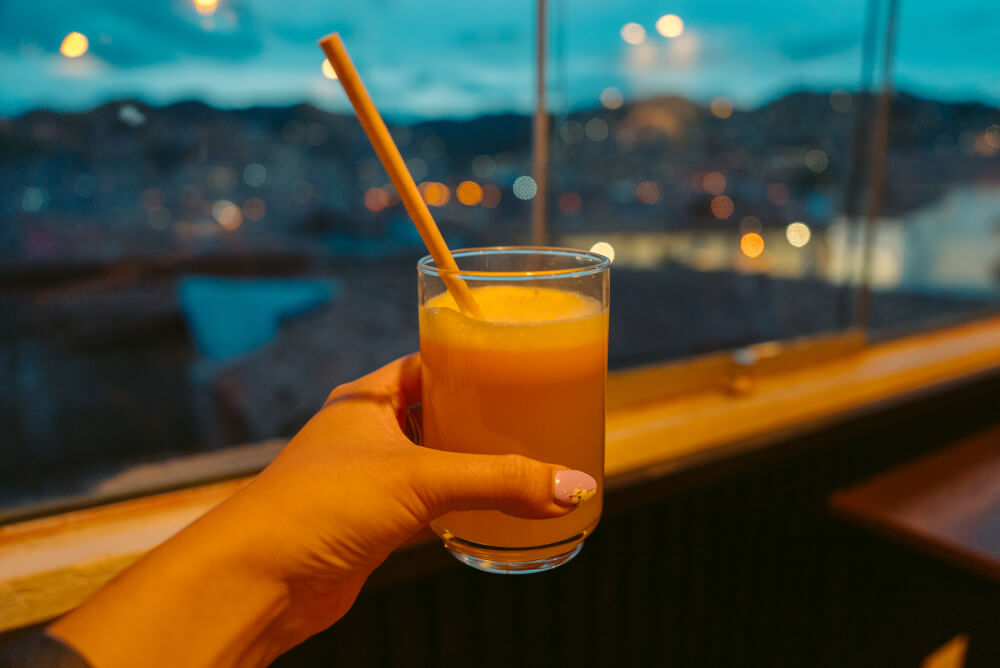
Some spots I can recommend checking out include Casita del Chocolate for great local chocolates, including ones shaped like Paddington, and Espresso 18, a beautiful little coffee shop with an incredible view over the city and a mouthwatering assortment of baked goods.
There are also plenty of great local artisan shops in this quarter as well, if you tire of the endless parade of samey souvenirs.
On that note, one of my personal favourite things to do in Cusco was to…
12. Shop and spend all your money
Cusco is a paradise for those wanting mementos to bring home… and those with a generous luggage allowance.
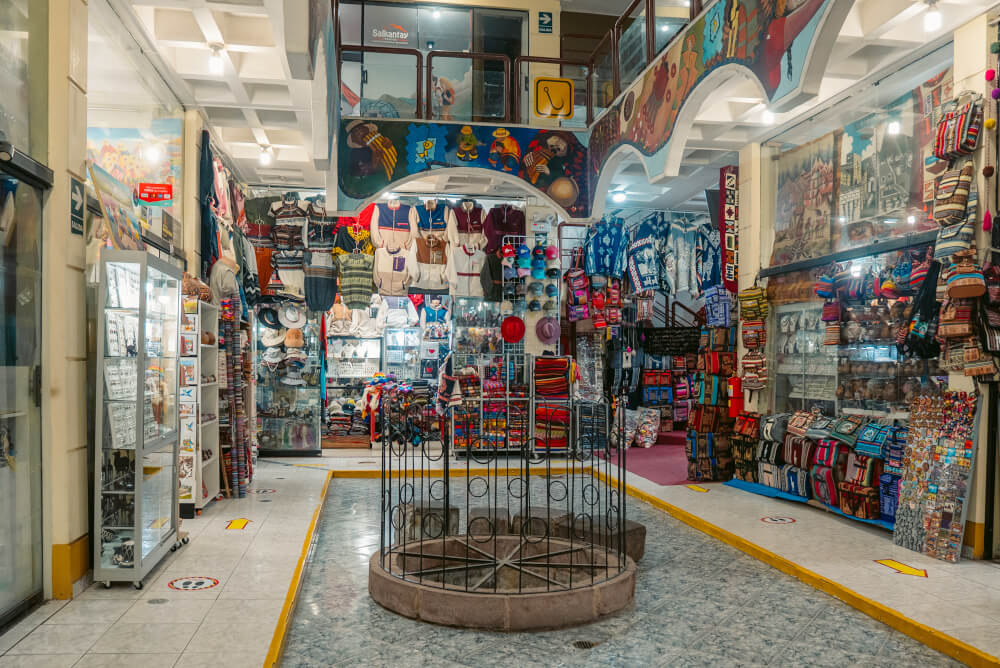
If it’s typical souvenirs you’re looking for, Artesanías Asunta in the historic centre have made a name for themselves offering very transparent pricing and a truly massive selection of all the typical souvenirs found in shops all around the city.
Whether you’re trying to hunt down the perfect poncho, score a fluffy alpaca or choose from a messy myriad of scarves, this shockingly massive souvenir Wonderland is packed with fairly priced and clearly labelled goods, making it an overwhelming but transparent alternative to the other stalls that are laden with guesswork and confusion.

Though I did find a lot of fun stuff at the Centro Artesanal Arte de Inka as well, including the perfect carry-on bag for all my extra shopping.
I have to say, though, if you’re looking for more unique finds, Cusco is full of them if you know where to look.
Artisan shops are pretty easy to spot after a few laps around the city’s souvenir circuit, but some spots I really loved for shopping include…
Pukllas Andean Fashion, which is full of unique one of a kind pieces inspired by Andean textiles – perfect if you love the vibe of local garments but don’t see yourself wearing a poncho at home.
And PUSHKA, home to a ton of amazing pieces made by local family designers.
In any case, my best advice is to shop around a bit before committing to buying anything, since prices will vary significantly by vendor and how much they think you’ll pay.
Now, I firmly believe that Cusco is a city that deserves more time than most visitors give it, but I also have to admit it makes an epic jumping point for further Perú explorations, the most common of which is to…
13. Venture out to the Sacred Valley
Located between Cusco and Machu Picchu, this magical slice of Peru is home to ancient Incan ruins, traditional Andean villages, and some of the country’s most spectacular scenery.
Little wonder why most guides on “things to do in Cusco” inevitably have you visiting these sites instead of the actual city.
Popular stops include:
- Pisac, known for its colourful market and hilltop ruins
- Ollantaytambo, famous for its impressive fortress and beautifully preserved Inca street grid
- The beautiful terraces of Moray, known for its giant circular agricultural rings
- Chincero, home to several alpaca wool workshops, and in the near future, a shiny new international airport
- And the striking salt pools of Maras, known for their thousands of bright, white, terraced evaporation pools carved into the hillside
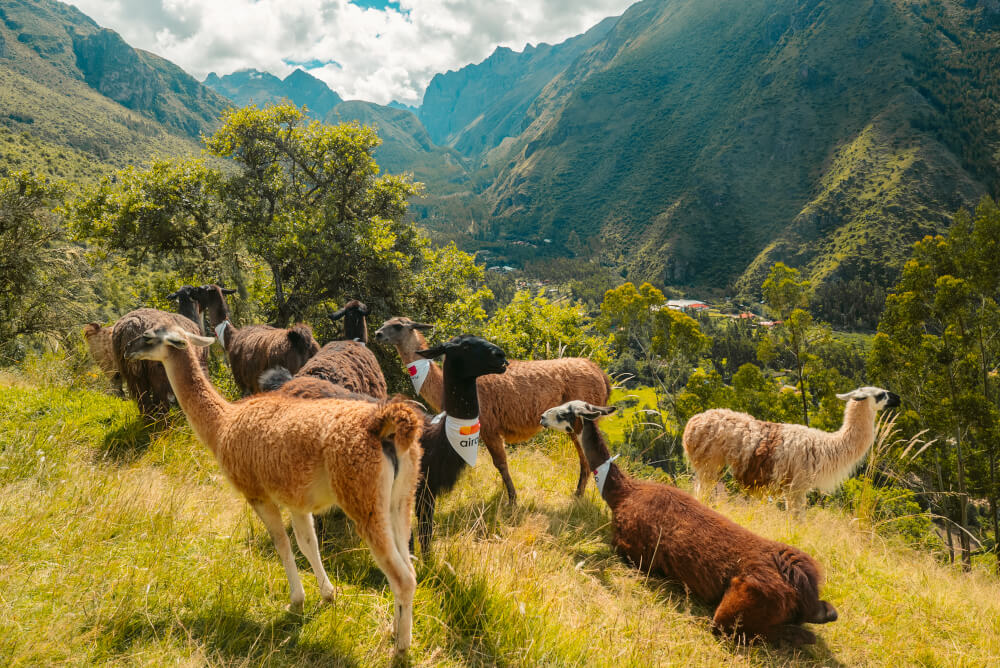
One of my favourite experiences that we did though was a llama trek coordinated by the Llama Pack Project, a unique organization whose goal is to restore the original role of llamas as pack animals in an effort to create a more sustainable solution for tourism in the local area, where non-native mules are prioritized by many companies, which has led to degradation and a lack of involvement for local families.
Today, the organization works with over 100 families in 11 communities in the Sacred Valley and beyond. And as for your role? Well, visitors have the incredibly difficult task of trekking alongside llamas of all shapes and sizes. We were really lucky and we got to spend time with not only male llamas, but also mama llamas, expectant mama llamas, and baby llamas as young as two weeks old.
This was definitely one of the most adorable and unique experiences I got to enjoy.
Speaking of unique, another up and coming experience to check off your list in the Sacred Valley is astrotourism, which we enjoyed in Misminay.
During our trip, Airalo made a donation to the local Misminay community, who graciously invited us for a homemade dinner and an unforgettable fireside evening with local song, dance, and surprisingly, stargazing. While our endeavours were impeded by a few clouds, the darkness of the skies still allowed for some amazing star spotting.
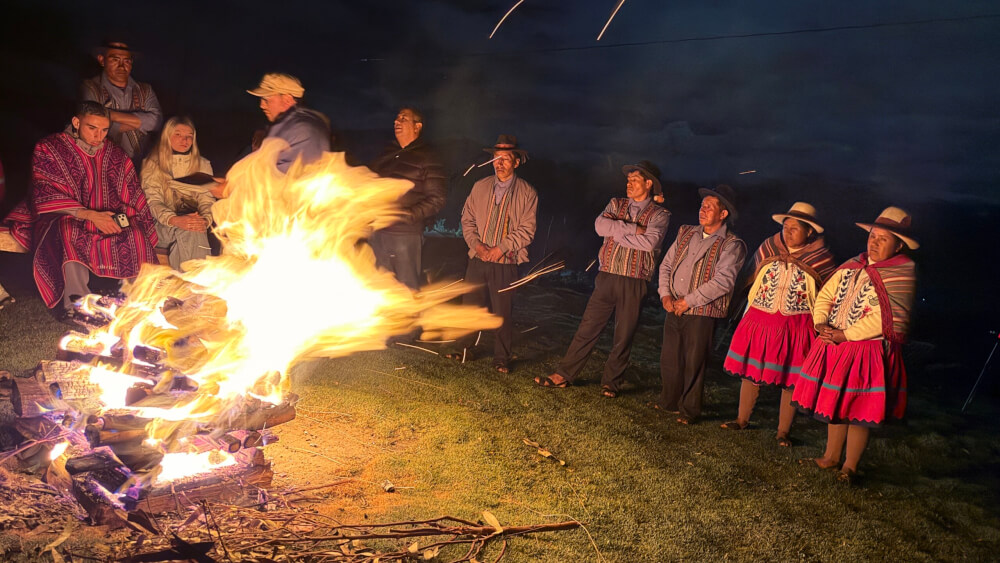
Now, while many travellers dip into the Sacred Valley for just a day trip, I’d advise staying overnight, especially en route to Machu Picchu… Day trips are nice, but actually staying here is a different experience entirely. Plus, some of Peru’s most unique and stunning accommodation can be found here, from llama hot tub lodges to actual sky pods dangling off the side of a cliff.
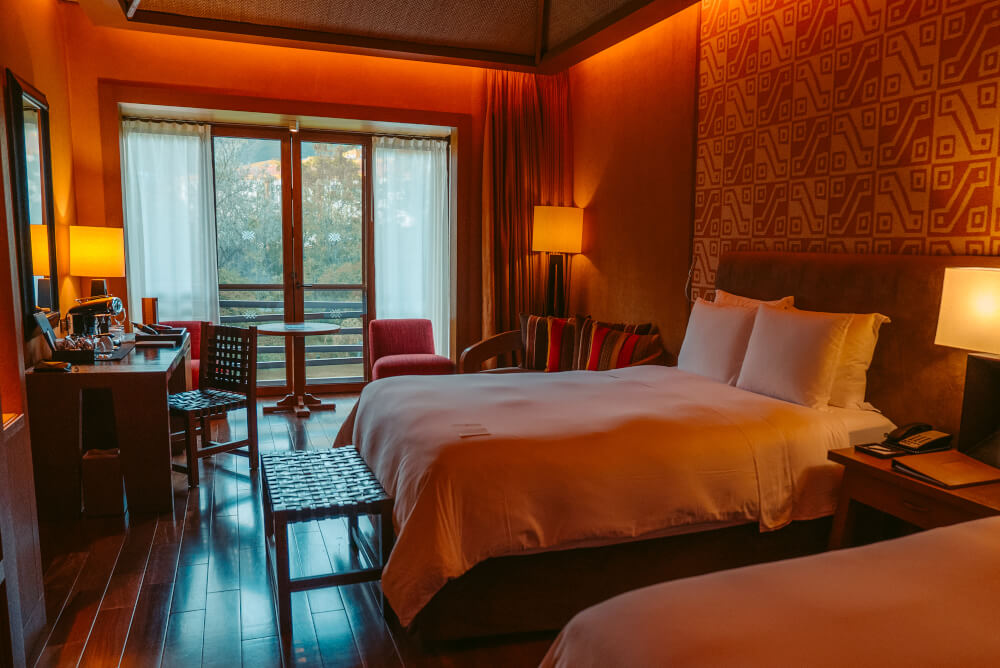
We stayed at Tambo del Inka, a stunning property just off of the Urubamba River, with a dreamy pool and even dreamier rooms.
Now, if you have the time, a final onward journey from Cusco I can highly recommend is to…
14. Hop on the luxurious PeruRail Titicaca to Puno
This was one of my favourite experiences we enjoyed in Peru, so yes, I have to mention it.
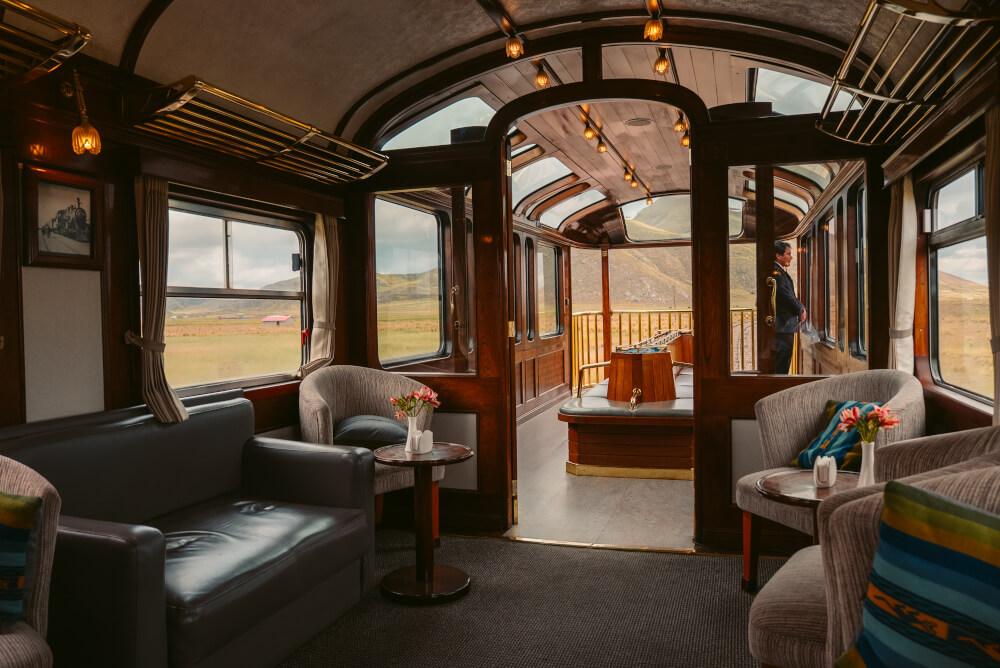
This 11 hour journey takes you through the heart of the Peruvian Highlands, passing by rolling mountains, remote villages, and a truly unfathomable number of alpacas. All from the comfort of luxurious seats, or a swishy bar cart with an open-air panoramic carriage.
Throughout the journey, you get to enjoy a three course gourmet lunch, as well as afternoon tea shortly before arriving.
And aside from the endless views, there’s plenty of fun entertainment as well, from live music and wool product fashion shows to even a pisco sour demonstration. I have to say, though, the classic rock covers with the addition of pan flute were a personal highlight.
Or for a more budget-friendly option that is literally 10x cheaper, you can catch the Inka Express bus to Puno instead.
This full day tour brings you along the Ruta del Sol, Route of the Sun, to some amazing spots south of Cusco that most tourists miss, including….
- The picturesque village of Andahuaylillas, home to the church of San Pedro Apóstol de Andahuaylillas, known for its lavishly painted interior often nicknamed the “Sistine Chapel of the Andes” which, sadly, I wasn’t allowed to photograph.
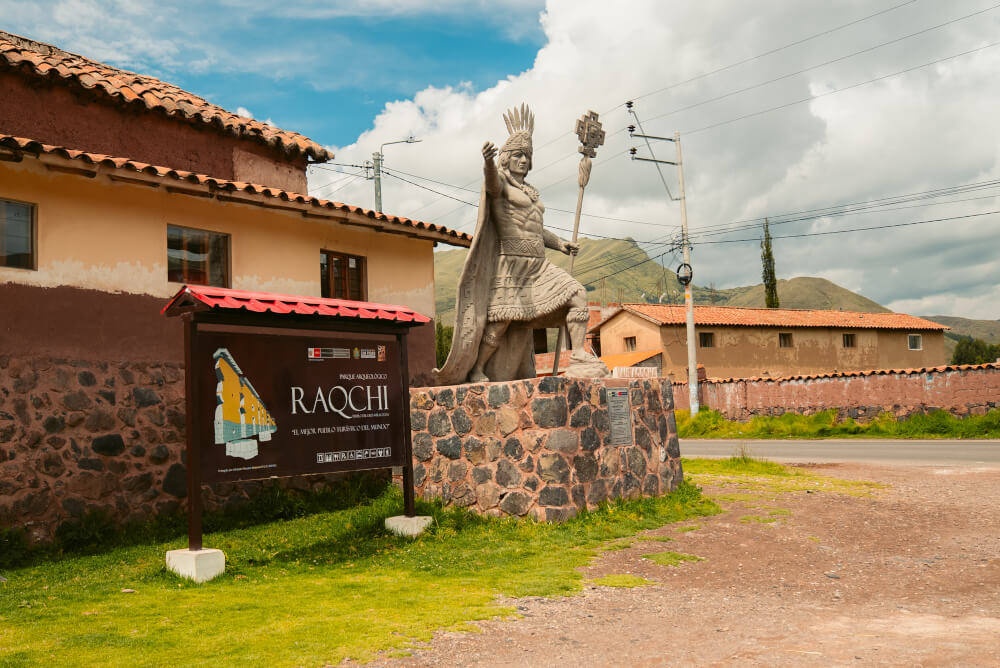
- Raqchi, an important Inca archaeological site known for its Temple of Wiracocha and 14 metre high walls.
- Abu Chimboya, the highest point between Cusco and Puno, and possibly the most stunning place you’ll ever souvenir shop.
- And Pucara, home to a museum dedicated to the region’s pre-Inca Pucará culture and its famous bull sculptures.
The tour ends, of course, in Puno, whose main draw is its location on Lake Titicaca, the world’s highest navigable lake. We stayed at the GHL Lake Titicaca and slept with amazing views, and had breakfast with even more amazing views. One time, I even saw a dog chase the property’s on-site alpacas, which was one of the funniest sights I’ve ever personally seen.
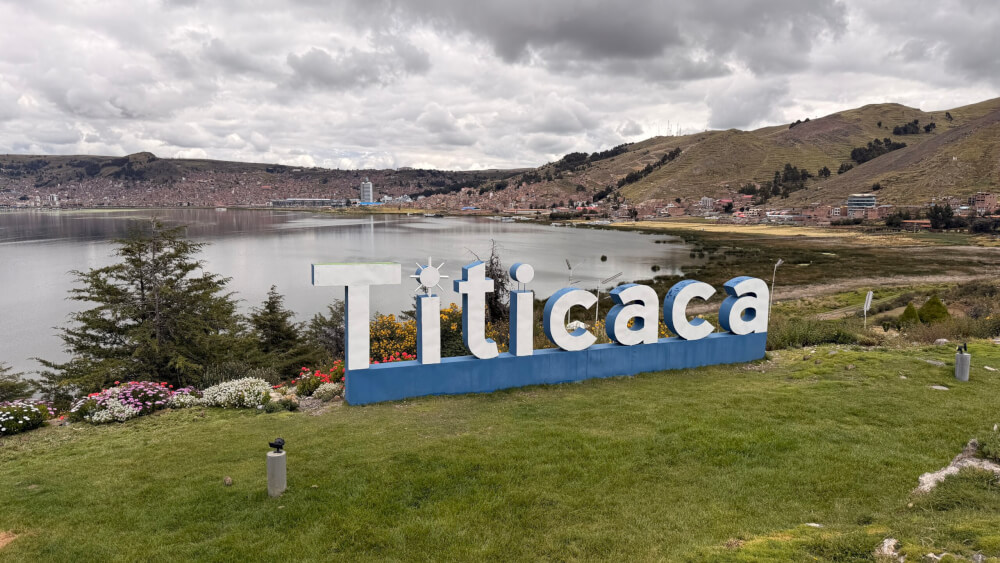
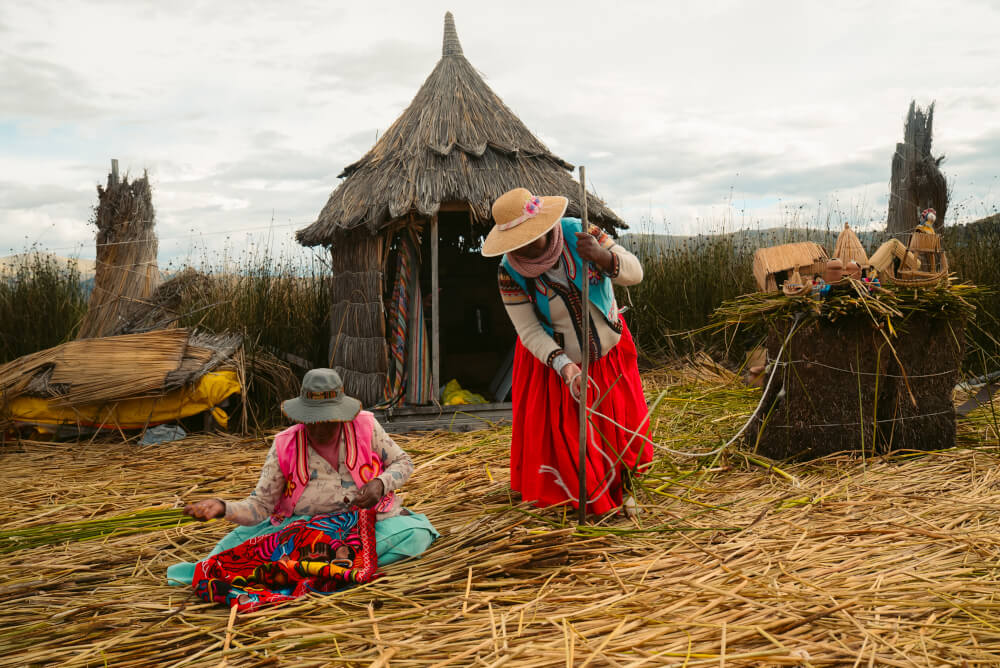
The main reason to visit this portion of the lake are the intriguing Uros Islands, which are made entirely of reeds carefully layered and maintained by the local Uros people. A half-day trip to see these is also a must! We booked with this company and loved the experience.
Did I miss any of your favourite things to do in Cusco?
Let me know in the comments so I can add more of the best Cusco activities to this list. Happy and safe travels!