
*FYI - this post may contain affiliate links, which means we earn a commission at no extra cost to you if you purchase from them. Also, as an Amazon Associate I earn from qualifying purchases. Check out our Privacy Policy and Disclosure. for more info.
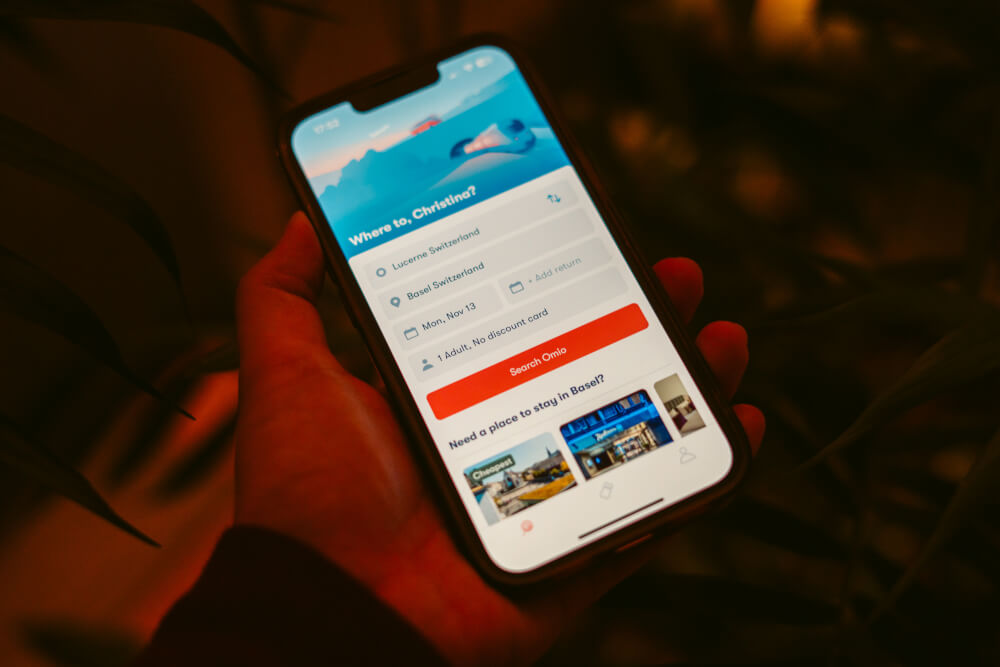
Anyone who has planned a trip before will know this stressful scenario first-hand: encountering ‘too good to be true’ deals on websites like Expedia, Booking.com, Omio, GetYourGuide, etc… and wondering whether that deal is legit, or if you’re about to get scammed out of your precious spaghetti money.
Well, this post is going to tell you everything you need to know about booking with 3rd party travel websites like the ones just listed… and even hand you a foolproof system you can use to decide whether it makes sense to book with them. I hope you find it helpful!
Save this Guide to 3rd Party Websites for Later!
You’ll be very glad you did.
What are 3rd Party Websites in Travel?
Now, first off, juuuust to make sure we’re all on the same page – I want to clarify what I mean when I say “3rd party website” when it comes to travel.
In brief, “3rd party” basically just means they’re not the ones directly providing the service and instead act as a kind of middleman between the provider and you, the customer. These 3rd parties can sell you a plane ticket or tour, but they usually aren’t the ones actually operating that flight or organizing that tour.
This is in contrast to the actual service providers. In the world of travel, we have tons of service providers who actually provide the service that you’re using, whether that’s…
- Transport providers like individual airlines, bus companies, and train companies
- Accommodation providers like individual hotels, B&Bs, and rental apartments
- Tour providers like the actual companies running the tours
- Attractions, like the actual museums or shows themselves
So, anytime you book directly with these operators, let’s say on the official airline website, on the actual hotel website or the actual tour company’s website, this would be a direct booking. You’re booking directly with the person or company providing the service.
But as you’ve probably encountered, there are SO many options for most things that searching and comparing hotel prices across every individual hotel website or every single tour website would take forever.
So, that is where 3rd party websites can come in handy. Many act as aggregators that combine lots of services from various providers, or give other benefits like a more user friendly interface or service in your local language.
I know this distinction can seem obvious, but a lot of travellers don’t realize the difference, so now you know. Some very popular 3rd party websites in travel include…
- Online travel agencies like Expedia and Travelocity
- Hotel aggregators like Booking.com and Hotels.com
- Transport aggregators like Omio or Trainline
- Tour and activity aggregators like GetYourGuide or Viator
So how do you know when to use a 3rd party or when to book directly?
There are many people who consider ALL 3rd parties to be scams but that’s not the most accurate way to look at it.
Instead, here is a four step process to help you decide what to do!

1. Consider Whether That Actual 3rd Party is Legitimate
As we’ve already established, not all third party websites are scams, and most of the time, the ones you see on popular aggregators like Google Flights will be legitimate.
But you should always double check.
Usually a quick search of reviews is all it takes to see whether or not that 3rd party is legit – meaning they do actually provide the service they promise. So, if you book a flight through them, you will get a ticket or if you book a tour through them, the tour does actually exist.
So, have a quick look at the reviews to confirm whether or not this is the case. Usually a page or two of skimming will tell you everything you need to know.
NOTE: Don’t just look at the star rating because 3rd parties almost always inevitably have many one star ratings due to issues beyond their providing of the service – e.g. inflexibility with changes and things like that, so make sure you actually read the low reviews to determine whether or not that 3rd party is legit.

2. Consider What the Benefits of that 3rd Party Actually Are
After we’ve established that this 3rd party is actually real and isn’t going to run off with your money, it’s time for a good old fashioned pros vs. cons moment, starting with… the pros!
Now, I hate to sound overly optimistic, but really the reason 3rd parties exist and are SO popular is because they do have a lot of benefits. So, understanding the benefits of whatever 3rd party you’re looking at will help you decide if it’s worth it.
Here are some of the most common benefits of booking with a 3rd party:
- Time: One tool allows you to search multiple companies and service providers
- Better user experience: Often 3rd parties have better search filters, more languages, and a better overall UX
- Simpler solutions: 3rd parties will often have tools that make things like cancelling much easier (e.g. one click cancellations on Booking.com)
- A centralized hub for bookings: You’ll be able to access multiple bookings for different modes of transport, or different hotels in one place, rather than having all those bookings float around in your email inbox
- Competitive pricing: Some 3rd parties will have best rate guarantees, or will have cheaper rooms available that have been set aside for the purpose of 3rd party resale
- Loyalty status: If booking with multiple companies/chains, using the same 3rd party might allow you to rack up loyalty bonuses like the Booking.com Genius program

So look at your 3rd party and consider what the perks are, then move onto the next step which is…
3. Consider Any Dealbreakers of Booking with a 3rd Party
Next: onto the cons… because of course there are a few!
Some of the most common downsides to booking with 3rd parties is…
- Customer service: As middlemen, 3rd parties are seldom able to provide urgent help as quickly as the service provider themselves, who tend to have more access to details and information re: your booking
- Lack of flexibility: Middlemen aren’t the best when you need to modify your booking (especially when it’s a time-sensitive matter) as all requests usually need to be approved by the provider themselves
- Lower priority in upgrades: Particularly with accommodation websites, usually rooms booked via 3rd parties are at the bottom of the priority list for upgrades, and are often even the least desirable rooms (e.g. lower floors, near elevators, etc.)
- Cost: Often companies (especially accommodation providers) have a best rate guarantee for direct bookings, or offer other perks like free breakfast to incentivize direct bookings
With all these downsides in mind, I generally advise against using third parties unless your plans are pretty much set in stone and you don’t foresee needing to make any changes.

Now, with all that in mind, the final step is to…
4. See Whether or Not You Can Combine Both to Get the Best of Both Worlds
Finally, I might get in trouble for saying this, but there is nothing stopping you from using a 3rd party website’s tools to research and compare your options, then booking directly.
This can make sense in a lot of situations, especially if you’re only booking a handful of hotels or transport tickets.
For longer more complicated trips, there are definitely compelling reasons to use 3rd parties, like the ease of keeping everything in one place… but again, weigh all the personal pros and cons for you and see what makes sense.
Share Your 3rd Party Experiences Below!
Let me know which 3rd party travel websites you love (or hate).