*FYI - this post may contain affiliate links, which means we earn a commission at no extra cost to you if you purchase from them. Also, as an Amazon Associate I earn from qualifying purchases. Check out our Privacy Policy and Disclosure. for more info.
Planning a trip to Mexico City is a sure recipe for overwhelm, as much as it is a recipe for taco comas, ceramics hoarding, and endless camera roll clutter.
But hey, if you’re visiting the largest city in North America, you best come prepared… because there’s approximately 50 million things to see, do, and eat. So, in this post, I’m going to be sharing all the most important tips and must-knows for your very first trip… learned first-hand the hard way!
So from random items you should never pack in your day bag, to all the coolest free things to do, I hope you enjoy these tips!
Save this list of Mexico City Travel Tips for Later!
You’ll be very glad you did.
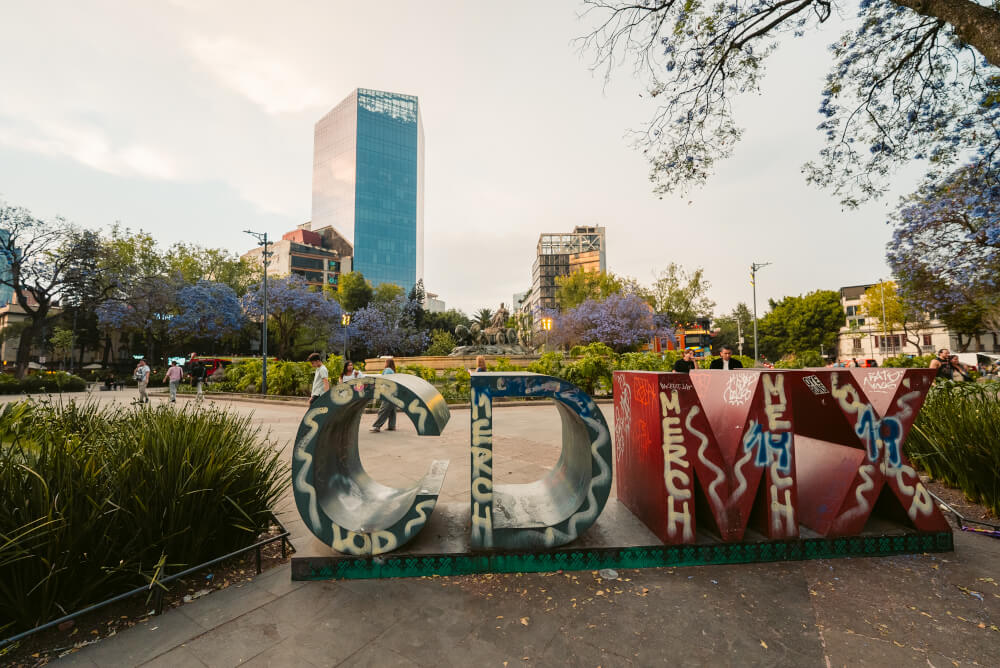
1. Know that CDMX is the acronym commonly used for the city
This stands of course for the Ciudad de México, which as of 2016 is the official name of the city. So yes, you’ll see it all over the place, from giant photo opp letters to shorthand in pamphlets and articles.
2. Mexico City is massive & spread out, so set realistic expectations
To help you understand just how huge this city is, it spreads out to almost 1500km² in the city proper, with about 9 million people calling this area home.
Buuut if you expand it to the greater metropolitan area, that’ll widen the net to over 7000km² and more than 20. million. residents.
Needless to say, you will not be able to see everything on your first trip, so make peace with that now and get that cry out of the way. I had a week, and though I managed to cover the main sights pretty well, I’m already planning to go back for more. I’d say 5 days is the absolute minimum.
3. Roma Norte & La Condesa are nice areas to stay
Now in terms of where to stay, choosing a central base is key, and there are two names you’ll undoubtedly encounter over and over again in terms of recommendations: Roma Norte and La Condesa.
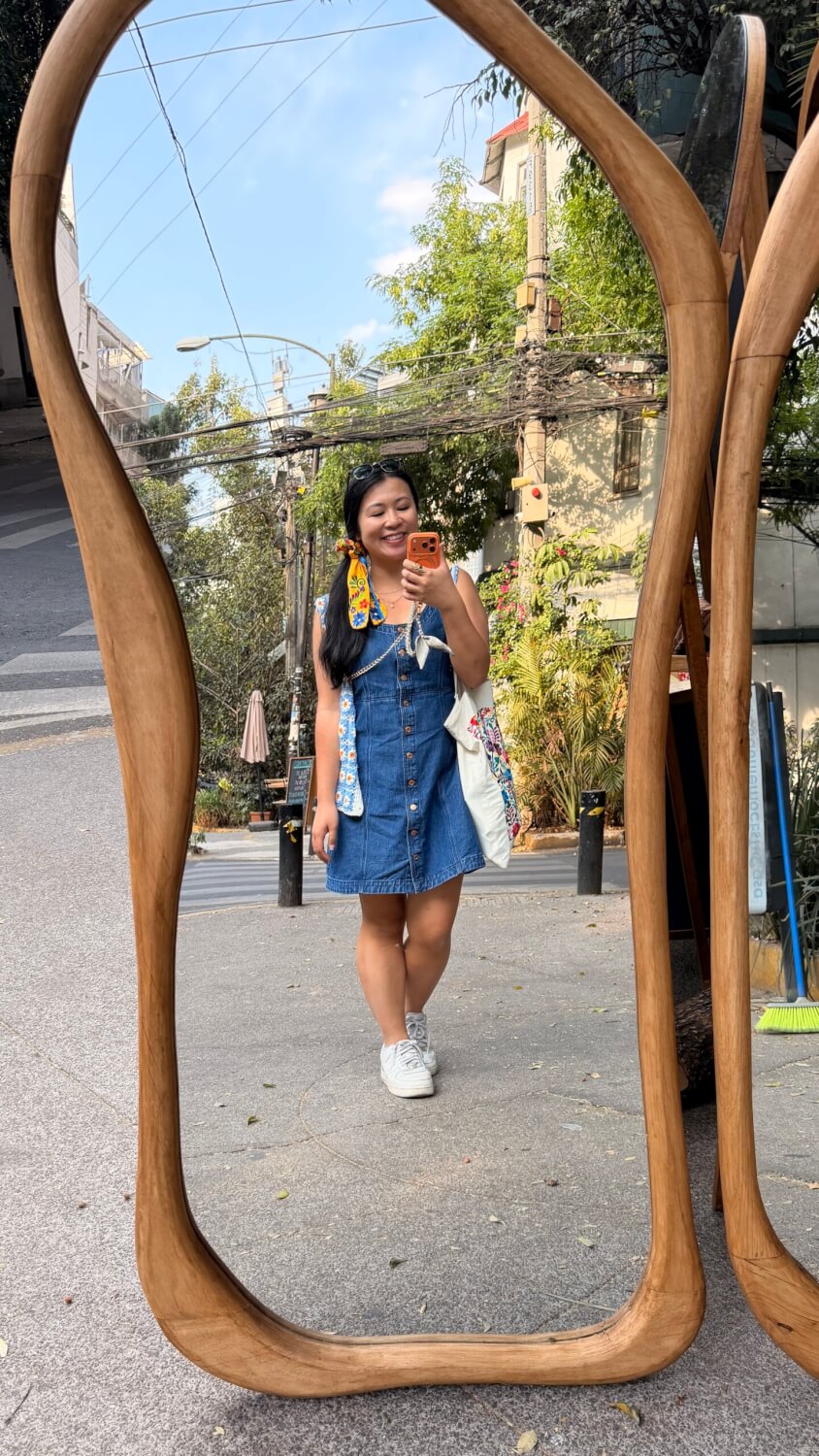
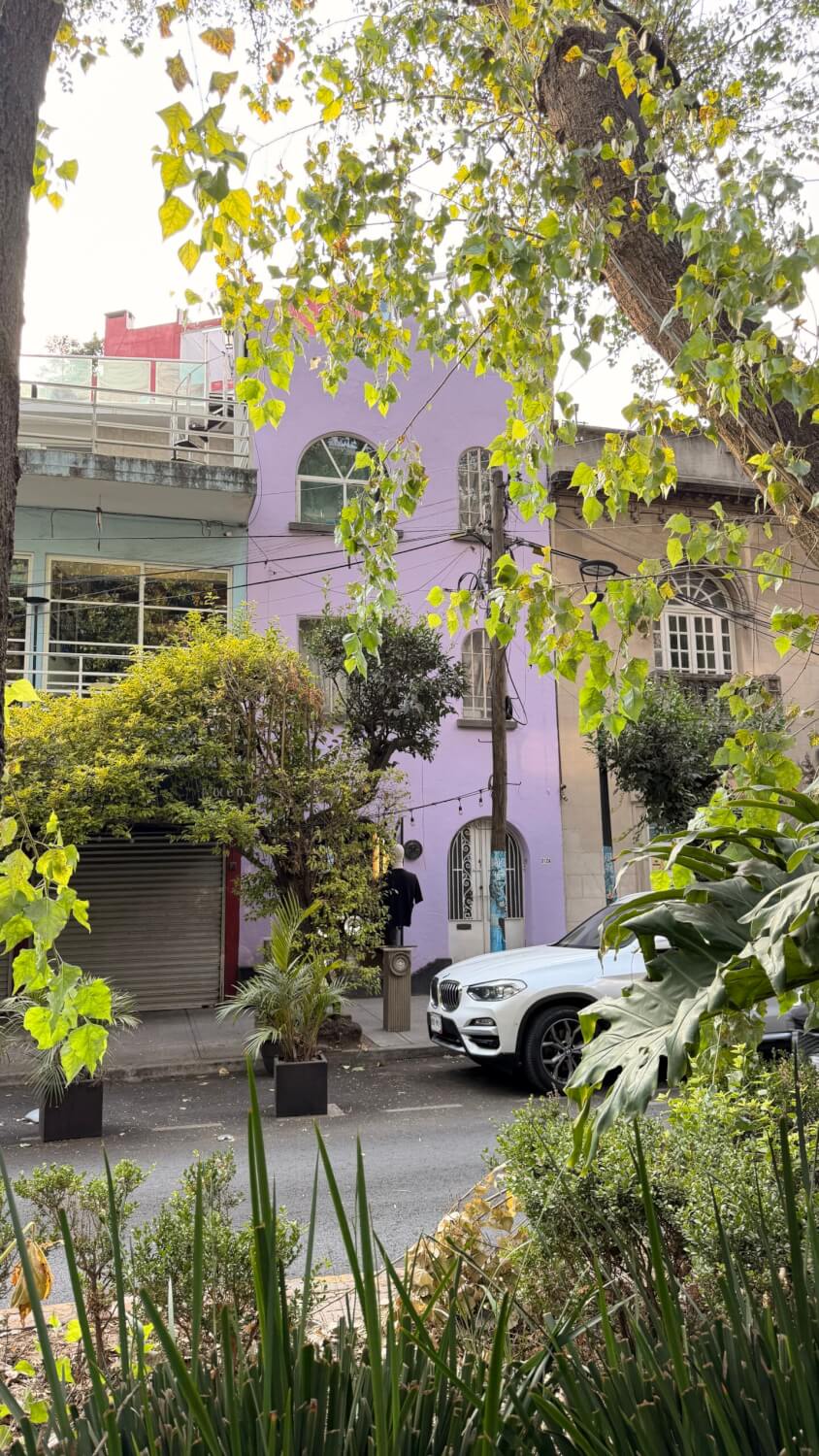
Admittedly, they tend to be the usual spots that most tourists flock to… but for good reason. Both are super leafy, safe, and densely packed with gorgeous places to eat and shop.
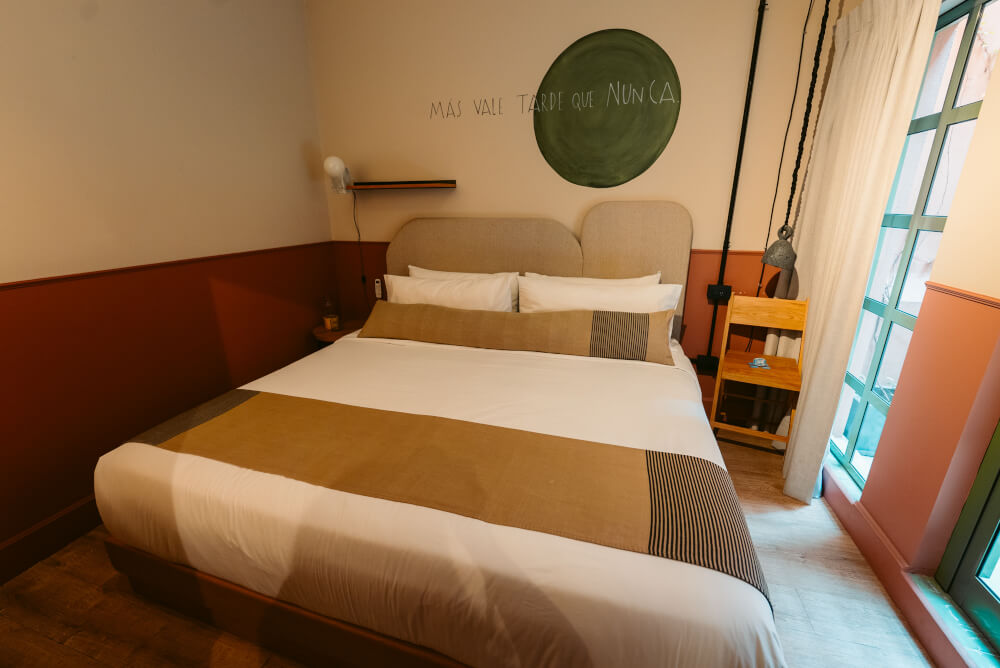
During this trip, I stayed at Casa Oliva in Roma Norte for the week and loved it. The place itself was super cute and also secure with a lovely doorman always on-site, and a nice rooftop terrace as well. The only downside was the noise, as it is an older (though renovated) building, so the soundproofing isn’t ideal.
I really loved the vibe of La Condesa as well!
But, I have to say, staying in these neighbourhoods can definitely make you feel like you’re living in a photogenic foreigner bubble. Thanks to their popularity with tourists and expats alike, you’ll find loads of English menus, higher prices, etc. There’s also the complicated issue of gentrification, which is something there have been huge protests about, but the intricacies of that are beyond the scope of this guide.
All to say: Roma Norte and La Condesa are lovely, but there are definitely some issues lurking beneath those glossy, Instagram-friendly faccades.
4. Visit from November to April to avoid the rain
In terms of when to visit, something you should definitely keep in mind is that there is a rainy season in Mexico City, usually from May to October, so ideally you’ll want to visit between November – April to maximize your chances at good weather.
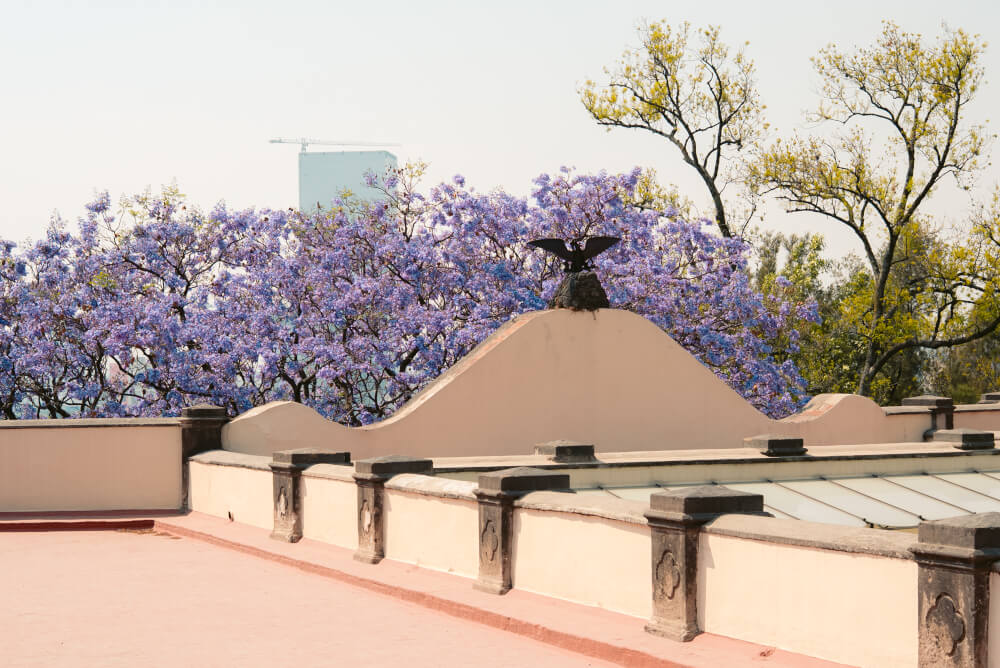
We personally visited in the middle of March and I would definitely recommend it! Or, I might even recommend going few weeks later at the end of March to catch the glorious purple jacaranda trees that explode around the city in vivid lavender bursts. These generally reach their peak between mid March to mid April.
NOTE: Avoid coming here during Easter time just because there are many tourists who come during the Easter break, which skyrockets both prices and crowd levels.
Another exciting time to come visit Mexico City is around Dia de los Muertos which is of course celebrated at the start of November, buuut do know that the big procession they do is actually a relatively recent thing that they only started doing after a James Bond movie (Spectre, 2015 for my fellow nerds) made it a big super popular deal.
5. Give yourself extra time to adjust to the altitude
At over 2,200m elevation, it’s common to feel tired or light-headed at first when arriving in Mexico City, so plan for your first day or two to be relatively relaxed so you can acclimate.
Although I came from ocean level, I have to say it didn’t impact me that much except when for some breathlessness when I was walking uphill, or when I was attempting in vain to walk and talk at the same time…but it does impact everyone in different ways.
I also got drunk a lot faster! But hey, depending on how you look at it, that’s not necessarily the worst thing.
6. Learning some basic Spanish can go a long way
I generally found locals in Mexico City to be unfathomably kind, even when you don’t speak Spanish, but trust me – a loose grasp of the basics will make everything smoother, since English knowledge can’t be assumed.
I’ll share some other key phrases and words I find important throughout this guide, some basics I recommend knowing for general politeness include…
- Hola = hello
- Gracias = thank you
- Por favor = please
- Con permiso = excuse me (e.g. when you’re trying to get past someone in a crowd)
- Disculpe = excuse me (e.g. trying to get someone’s attention)
In a pinch though, I have to say, people are very happy to communicate with Google Translate. In fact, I survived a two hour nail appointment using mostly Google Translate! And she…… nailed it. So don’t worry too much about becoming fluent.
7. The local currency is the Peso but they still use the $
Honestly, I struggled a little bit with the currency conversion when I first arrived, so try your best to look up the exchange rate in advance, and come up with a short hand way of remembering, because that is going to make things way easier when you’re gauging prices and also whether or not you’re likely to get scammed.
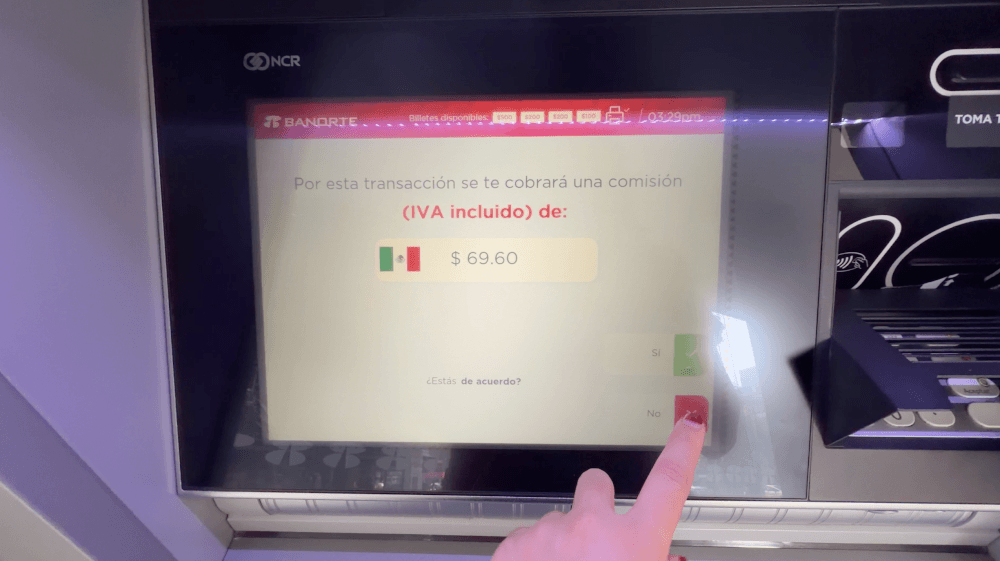
Before you go I would also recommend getting a travel friendly card that doesn’t charge you foreign transaction fees, especially for withdrawing cash because honestly, some of the commission charges on the ATMs were ridiculous, like almost 70 pesos or more.
Luckily, I had my Wise card which I’ve been using for years. This is a special card allows you to “send and spend money around the world at the real exchange rate”, avoiding hidden fees in the process.
It is SO handy for travel, because you can use it for over 150 currencies around the world, and you even get 2 free ATM withdrawals per month with it overseas.
8. Watch some movies about/set in Mexico City before you arrive
This is one of my favourite tips for visiting any place really, but watching something set in the city really helps bring it to life and that excitement of recognition once you’re there is an awesome feeling.
My main recommendation is Frida (2002). It does a great job at bringing Frida Kahlo’s story to life and of course you see a lot of CDMX as well, especially the Coyoacan neighbourhood. A mandatory watch I think if you plan to go see her house or museum.
And if you just want to see Mexico City on screen…
- Spectre for James Bond fans, where the opening sequence takes place in the city
- Romeo and Juliet – the Baz Luhrmann one shot in the city and
- Roma which is a bit of an artsier one set in the 70s and shot in black and white
9. Walking is great within neighbourhoods, but not so much between them
As we’ve already established, Mexico City is MASSIVE so there’s zero chance you can expect to get around on foot everywhere. Within neighbourhoods, yes for sure, but not between them. Distances can be deceiving on Google Maps, so do plan to be catching other forms of transport besides walking.
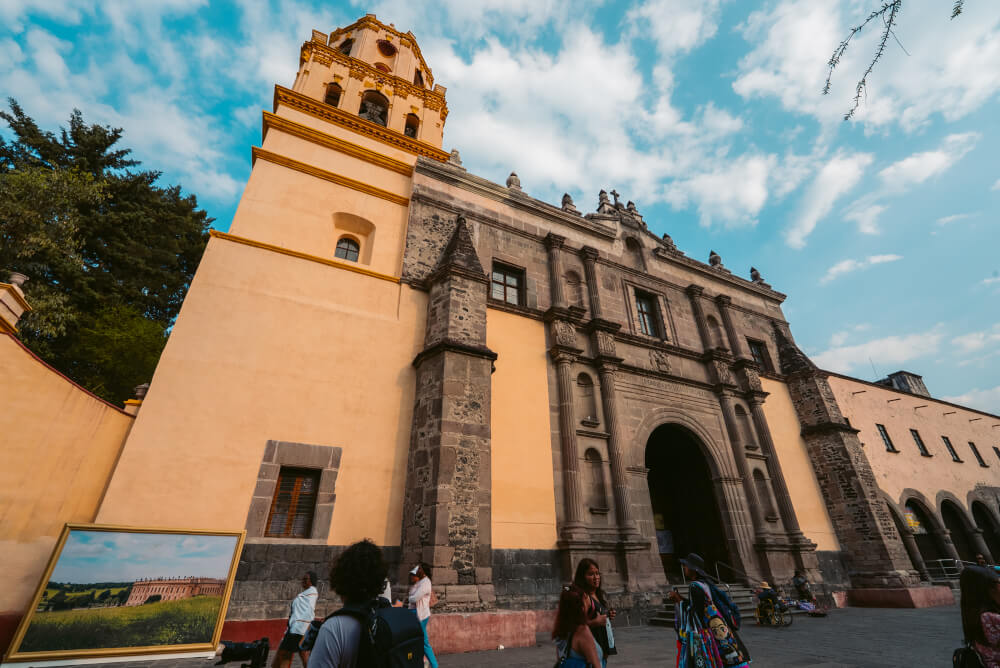
For that I would recommend you…
10. Use Uber or Didi for ease/safety
Generally, people advise that you don’t just take random taxis, although maybe this fear is a little over blown. My friend took a taxi from the airport with no issue, but I do tend to prefer ordering from an app just because there’s always a paper trail and I know what to expect in terms of cost so I’ll never be caught off guard.
I used Uber throughout my entire stay in Mexico City and found that rides were really affordable even longer ones like from the airport into the city or from the city to Camilo were always under C$30, which was really really great and anything between neighbourhoods once I was in the city centre tended to be under $10 including tip so really affordable.
Yes, of course you can pay public transport for a fraction of the cost, but a lot of the time Uber is going to offer the most direct way for a pretty affordable price so if you’re short on time, it might be worth it to just go for them. If you’re taking the metro or the bus, sometimes it will stop so many times that it can double the time it takes, so definitely check it out.
Another local app that a lot of people swear by is called Didi – I didn’t personally use it just because I’ve already got Uber set up on my phone, but sometimes people say that can be cheaper so if you’re trying to find the best price, it might be worth downloading both apps and then comparing.
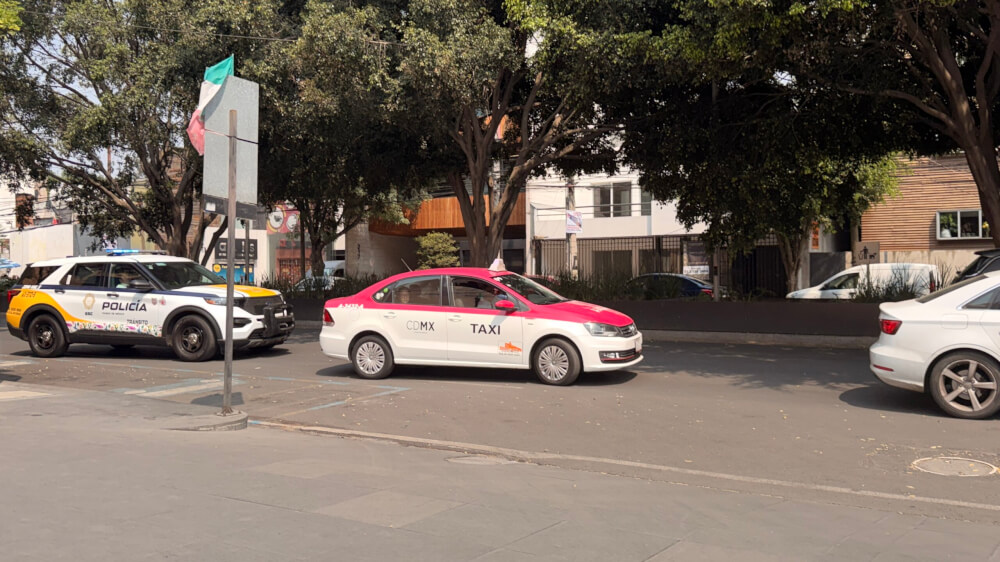
Getting to the city from the airport though…
11. But Beware that Ubers and Didis are a hot issue at the airport
Having a backup in mind might be a good idea.
During my trip in March 2026, there was a lot of confusion and mixed messaging about whether or not rideshare apps were allowed to pick people up at the airport, which caused a huge amount of stress for people, so I would say it’s good to have a rough idea of other ways you can get from the airport to the city.
Ordering an Uber in my opinion is still the best way.
PRO TIP: Google in advance where you need to get picked up, as there are special designated areas for this.
If you do find that it’s difficult to get an Uber to the airport for some reason, or you want a clearer pickup spot, a hack might be to walk over to one of the airport hotels connected to the airport and catch one from there if you really want. I stayed at the Camino Real the night I arrived and getting an Uber from there was super easy.
Alternatively, you can go to an authorized taxi stand in the airport where you basically pay a fixed fee in advance before you get in, thereby thwarting any later scams or trickery. Just be ready for a LOT of people to be shouting at you trying to get your attention, especially once you go out any of the doors – it’s pretty overwhelming.
You can also take the Metrobus as well which is cheaper but honestly if you have a lot of luggage, it’s probably not the best option… especially at busy times.
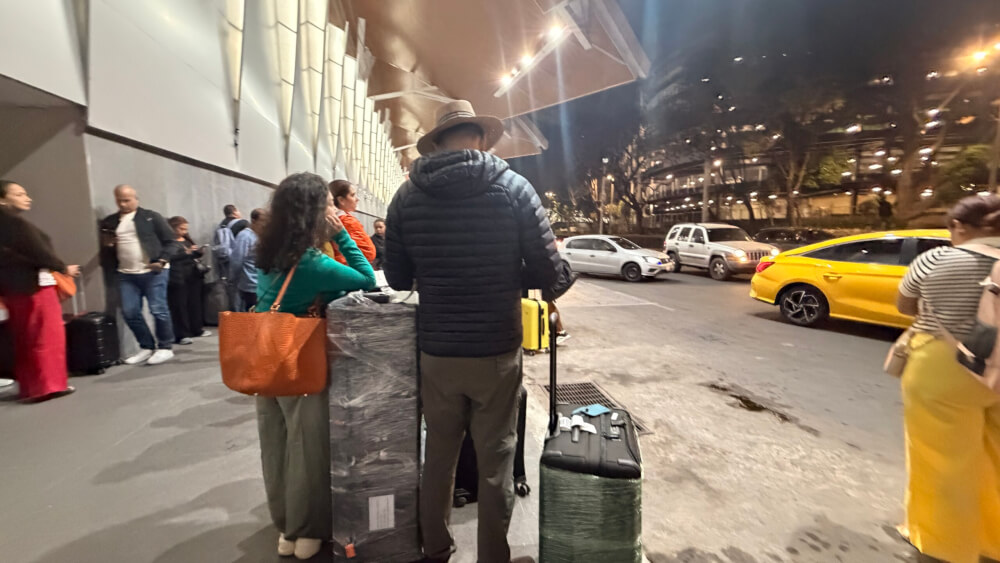
12. Beware that traffic can be awful so avoid peak travel times
Generally this is considered to be 7-9am and between 5-8pm. As you know by now, there are a ton of people in Mexico City, so an atrocious amount of traffic to match. Things can be tough to predict though, so always check Uber and Google Maps an hour or two in advance of your departure so you can leave earlier if traffic is crazy.
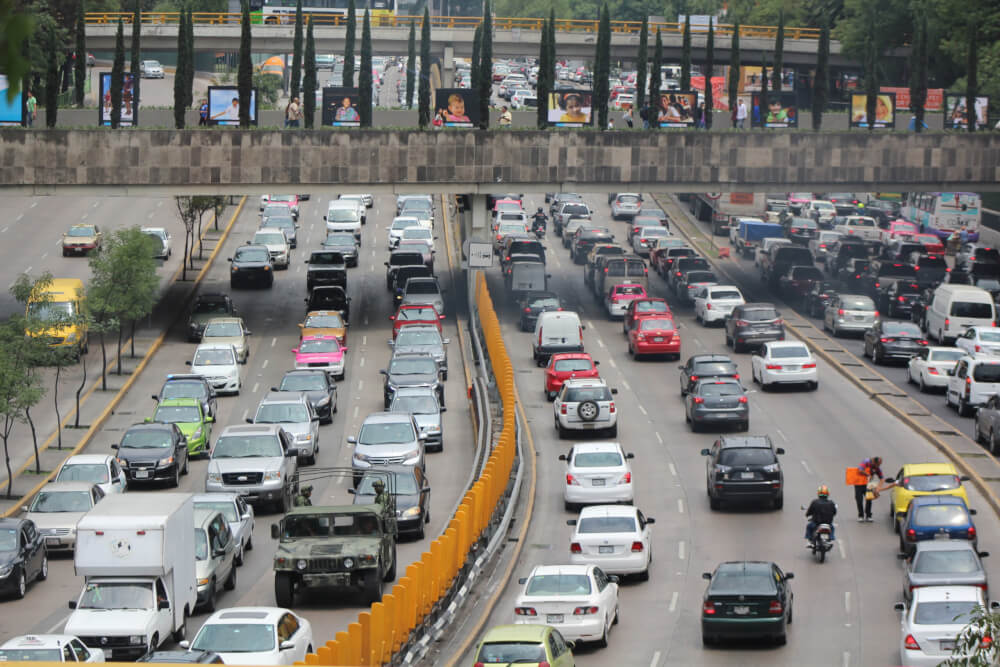
13. Public transport is extensive, but a little confusing
So I have good news and bad news. And then good news again.
The good news is that public transport in Mexico City is incredibly robust with tons of options, many of which together form the Integrated Mobility System of Mexico City (Sistema de Movilidad Integrada de la Ciudad de México).
The bad news? There are a lot of different options, which can get incredibly overwhelming and confusing if you’re new to it… especially when you search something up on Google Maps and see all the different symbols with zero idea what they mean.
But good news again, as a tourist, you don’t need to stress about understanding ALL of the system’s offerings and intricacies. What YOU need to know is actually pretty simple… especially if you’re just sticking to touristy neighbourhoods.
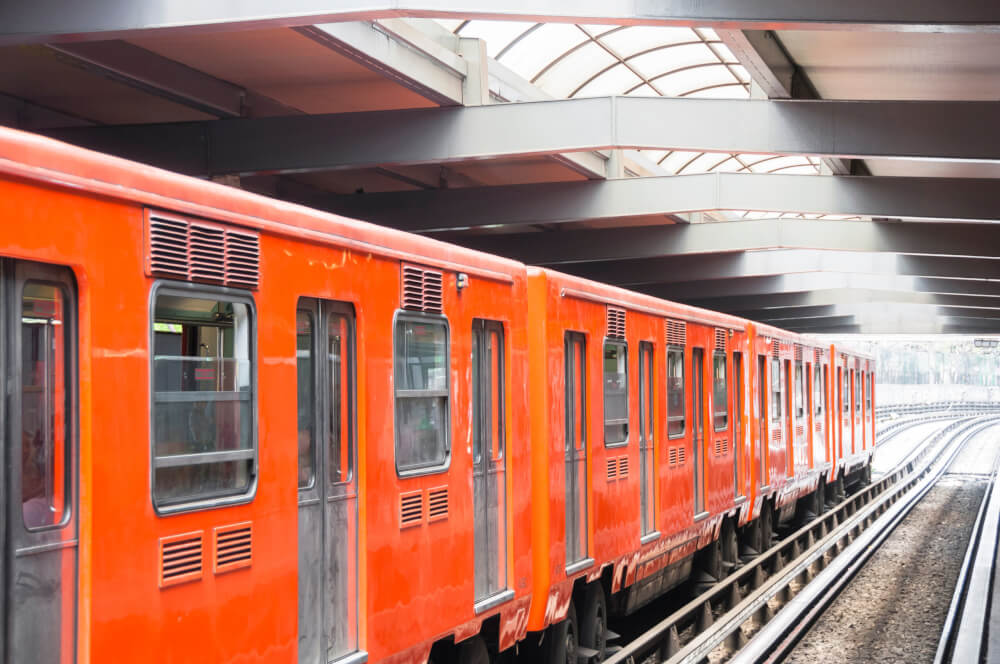
Simply put, under the Sistema de Movilidad Integrada umbrella, you’ll find various modes of transport, each with their own colour-coded symbol that reflects what that transport mode looks like in real life:
- Metro (orange), the subway system connecting the city with 12 lines
- Servicio de Transportes Electricos Trolébus or electric trolley buses, and Tren Ligero (Light Rail) which are blue
- Red de Transporte de Pasajeros (RTP) (green) buses
- Metrobuses (red), which have their own dedicated lanes meaning they can beat traffic
- Corredores (purple) which are smaller buses
- Cablebús (light blue) a cool gondola system that takes you above the city
- Ecobici bikes, which aren’t fully green but usually have a green sticker
As of 2024, there are no more paper tickets for these transport modes so yes, make sure you get a MetroCard upon arrival.
Now, you will probably read online that you can use Visa cards and Apple Pay or Google Pay as well… but this did not work for me or my travel partner, and it seems like the system generally isn’t great with many foreign cards so I’d advise just getting the Metro Card so you don’t need to stress at all.
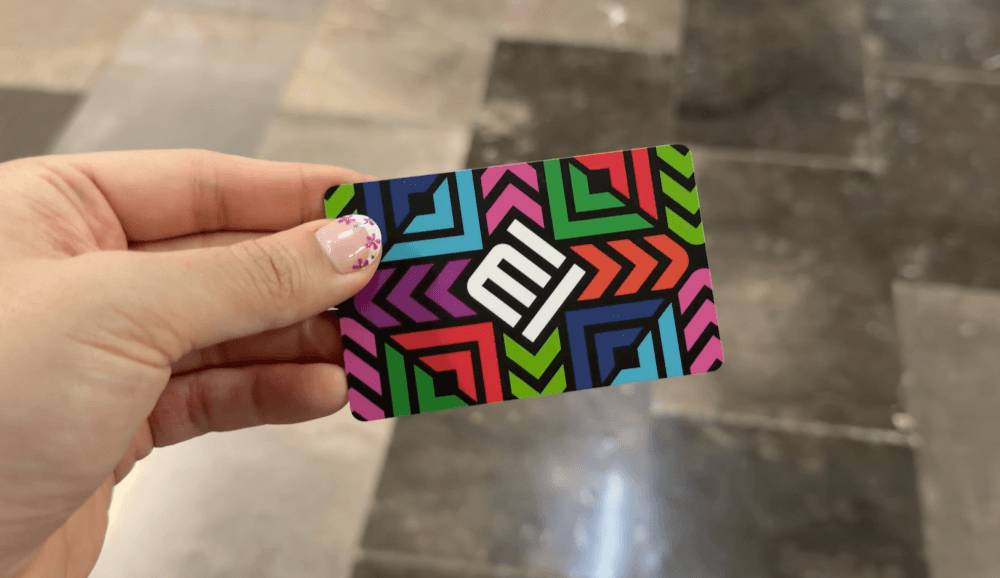
Actually let’s make that its own tip – if you want to take public transport, do…
14. Buy a MetroCard for public transport
This card costs 15 pesos and then you basically load money onto it that you can use for each journey. Metro journeys are 5 pesos one way so if you want to take a roundtrip that day, you can load on 10 pesos, etc.
You can also SHARE a card as well since it’s just loaded with a set amount of money, so not every member of your party needs their own. I’ve heard the most efficient way to do this (rather than pass the card back to each person) is to have the “card guardian” just stand at the front, tapping the card for each person, then letting themselves in last.
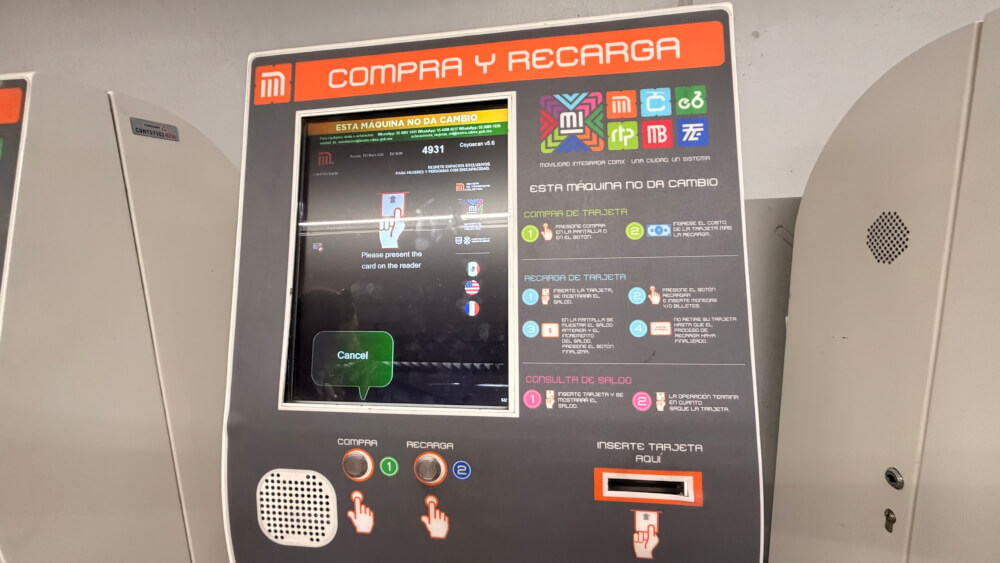
You can buy these cards in-person either at a machine at larger stations, which I would strongly recommend, or you can also get it from a ticket office or Taquilla at regular stations which is what we did… but the language barrier made the experience a bit more confusing than necessary so yes, try to get it from a machine if you can.
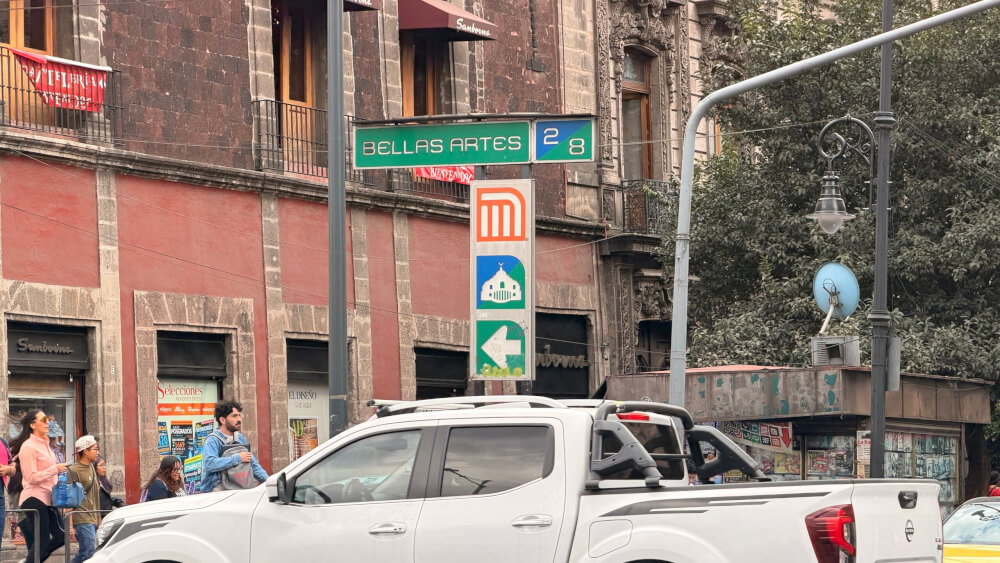
15. Different stations have their own special symbols/icons
Fun fact: in Mexico City, not only do all the Metro lines have their own special colours like many cities do, each stop actually has its own special little symbol and icon which I think is so fun and cute. Plus it makes identifying station names simpler if you’re not great at Spanish, so keep an eye out!
16. Avoid rush hour times (usually 7-9am and 5-7pm)
I can’t speak from personal experience because I was just too chicken to attempt it, but I have heard many horror stories about how busy public transport can be in these hours, so do try your best to plan around that.
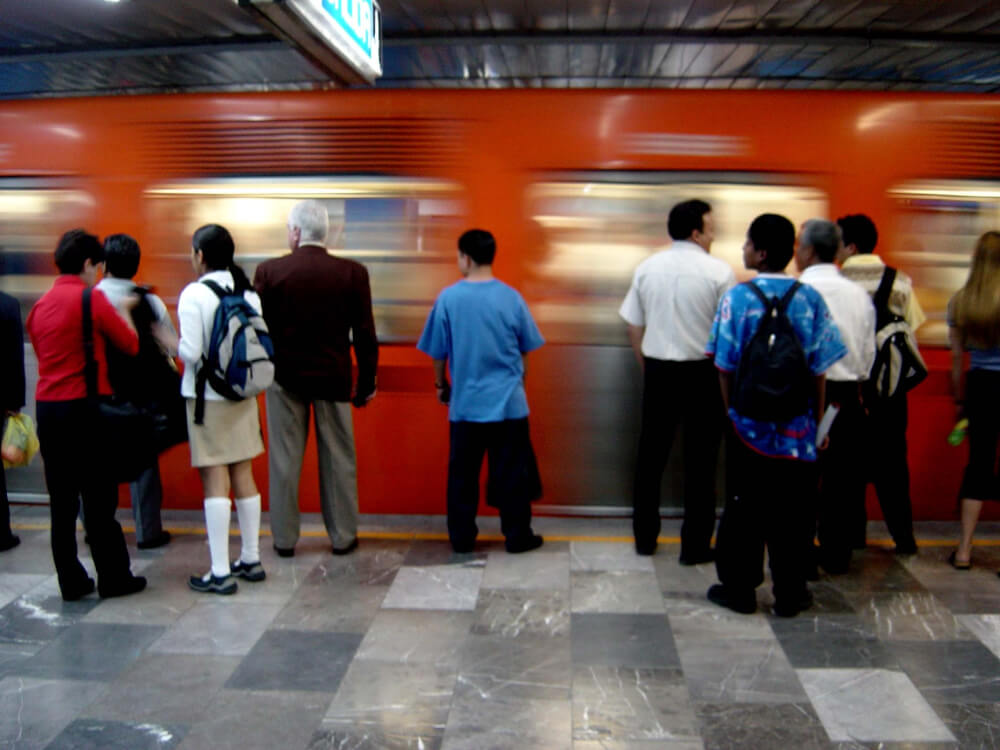
17. There are women’s only carriages on the Metro/Metrobuses
These are usually marked by a pink sign, and are intended as safe spaces for women, children under 12 and also differently abled individuals. Beware though that apparently men don’t always respect these rules.
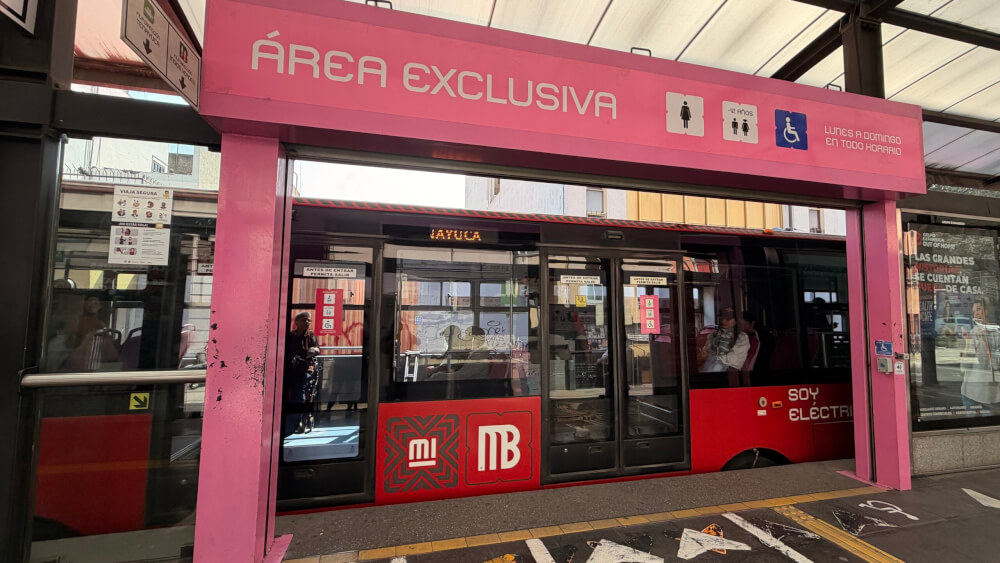
Now as a tourist, you are probably best off sticking to just rideshare apps and the government options run under the Sistema de Movilidad Integrada, but for the sake of being thorough…
18. Privately run transport options like peseros need coins
I didn’t have personal experience with these smaller buses because they stop a lot, so tend to take way longer, and to be totally honest with you, I found them quite intimidating because they always seemed to be jam packed with people, but yes these options do exist as well.
For a regular tourist, I don’t really think they are the best option, but if you end up needing one though, do make sure you have plenty of change on hand as you usually have to pay in cash, and you don’t get any change back.
Finally, while walking around and exploring, do…
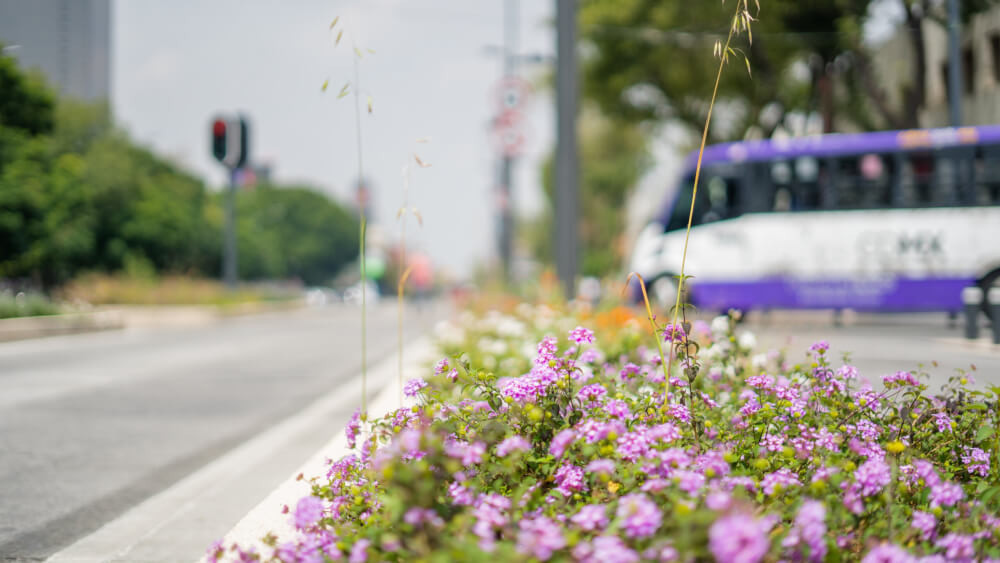
19. Be prepared to jaywalk & cross the street bravely
While there are some pedestrian crossings controlled by lights, it seems the general rule is to just cross when there’s a safe opening to do so. For this, I would just look at the traffic lights when they’re available, if it’s red for them, you should be able to cross assuming it’s not a stale red that’s about to change imminently
So yes be brave but also be careful – look on both sides.
Or use locals as a shield – that’s always a safe bet. I was shocked to see some of the advanced jaywalking some locals do though – like through traffic, around cars, around bikes, all sorts. I was simply not brave enough.
20. Don’t just get your food recs off social media
One of my biggest pet peeves when I was researching for my trip was that people tend to recommend the exact same 5-6 places to eat, which to be honest with you, in a city with thousands of food spots, is…. insane.
I personally think it makes a lot more sense to plan your meals around where you’re gonna be rather than making reservations in advance and then planning your trip to be at a specific restaurant at a specific time, which can make things kinda stressful.
Don’t get me wrong, I know that there are certain bucket list restaurants like Pujol for instance that are really famous and really well-known but to me Mexico City is full of so many amazing eats and it does feel infinitely more magical when you’ve kind of stumbled upon these places and find them for yourself.
So I definitely don’t think that you should get all your recommendations off of TikTok or else you’re gonna be braving really big lines and also surrounded by a bunch of other tourists, which isn’t necessarily a bad thing, but you can definitely do better.
It might sound silly but simply going on Google Maps and typing in the type of food that you’re looking for can give you tons of great options. This is exactly what we did throughout our trip and we didn’t have a single bad meal. So yes don’t give it to the hype, I promise you very few places are worth waiting hours in line for…
All that said, if you do want to go somewhere with hype on its side, then do make sure to book ahead of time to avoid disappointment.
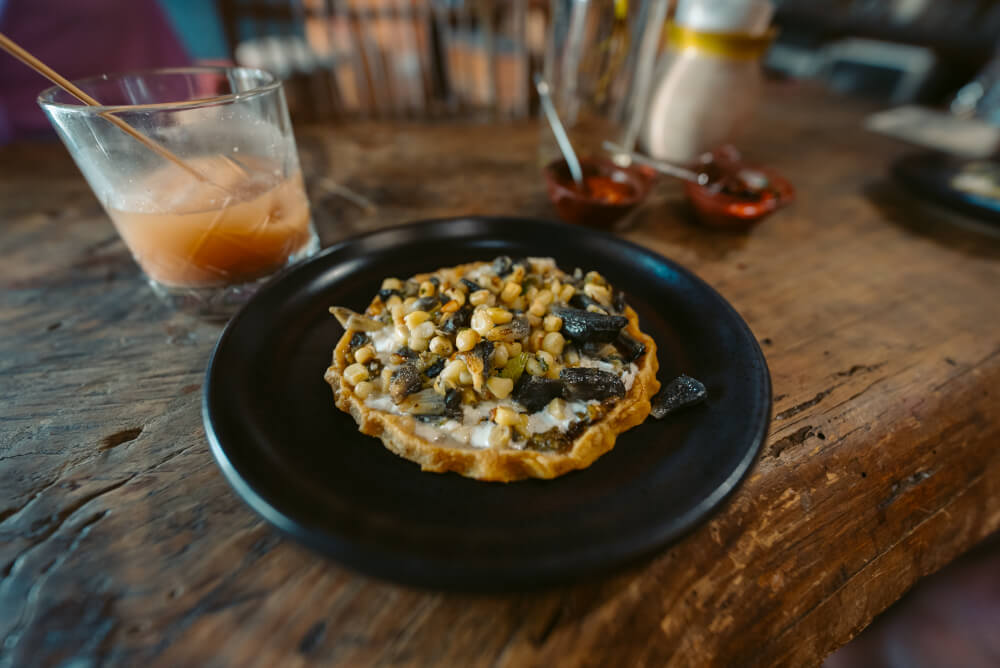
21. Street food is the true must in Mexico City
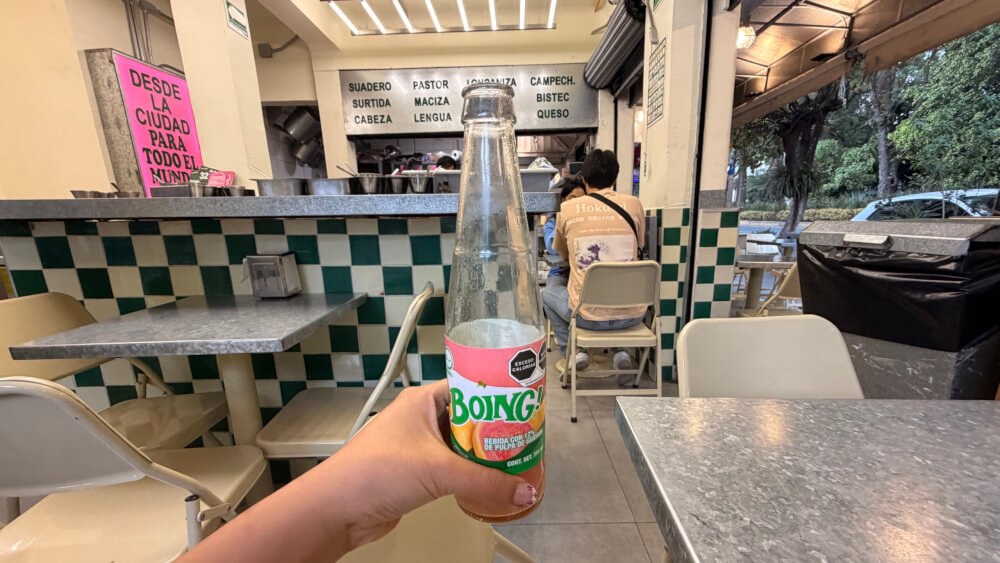
Yes, there are tons of amazing restaurants in Mexico City but I’m from Vancouver, which also has its share of amazing restaurants. What we don’t have are amazing street food vendors on every corner, so that to me as a very unique defining feature of the Mexico City food scene, and what I would personally prioritize, especially because street food is also very quick – ideal for those long sightseeing days.
There’s a seemingly infinite number of options, but I do think it’s fun to just walk around and see what looks good and what’s busy. Busy stalls usually mean a high turnover, and a higher likelihood that the food hasn’t been sitting around too long as well.
I know I just mentioned using Google Maps for research, but nothing beats just walking around and seeing what’s good! One of the best street food finds on my trip wasn’t even on Google Maps, so yes don’t be afraid to be a little adventurous.
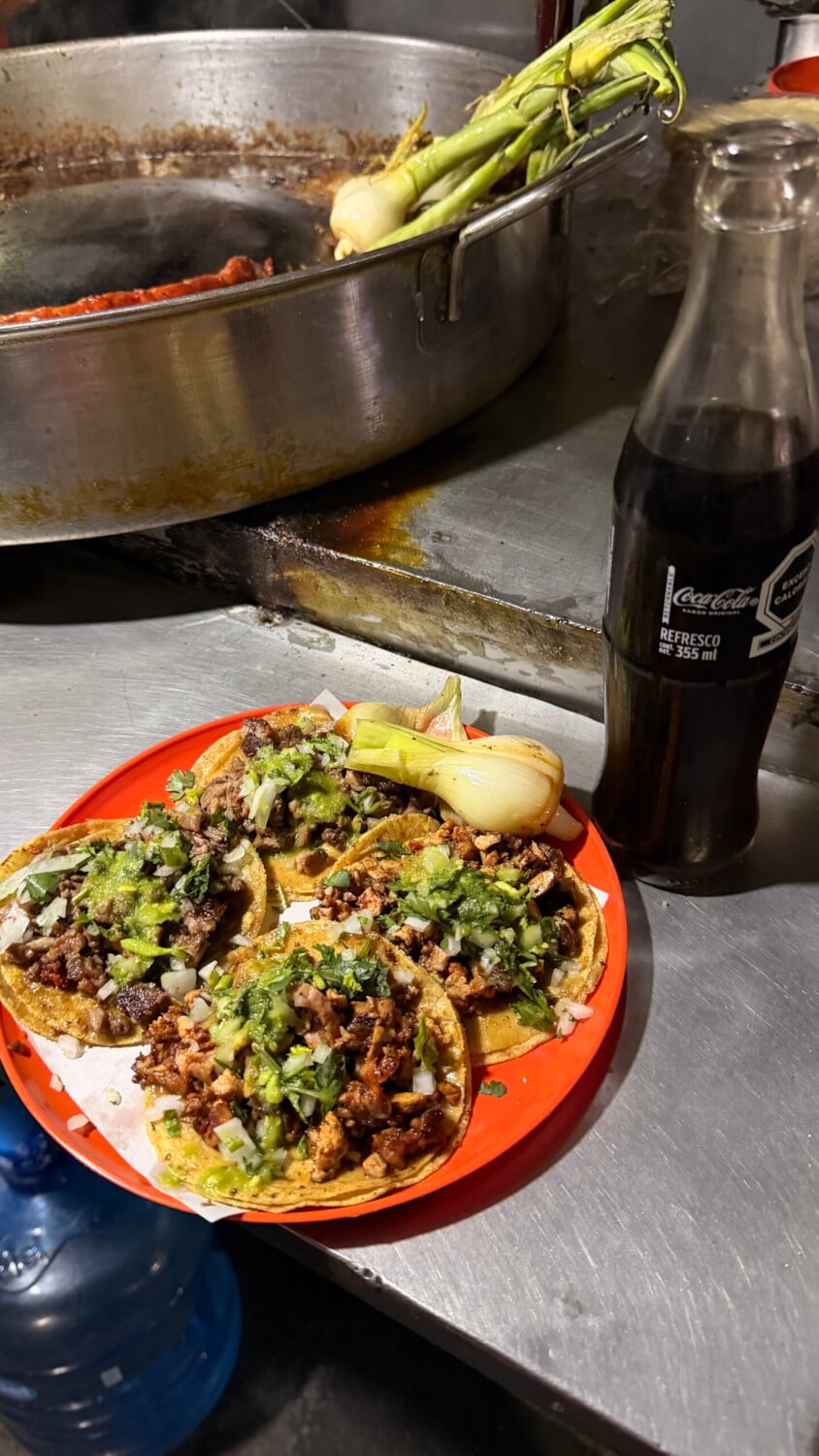
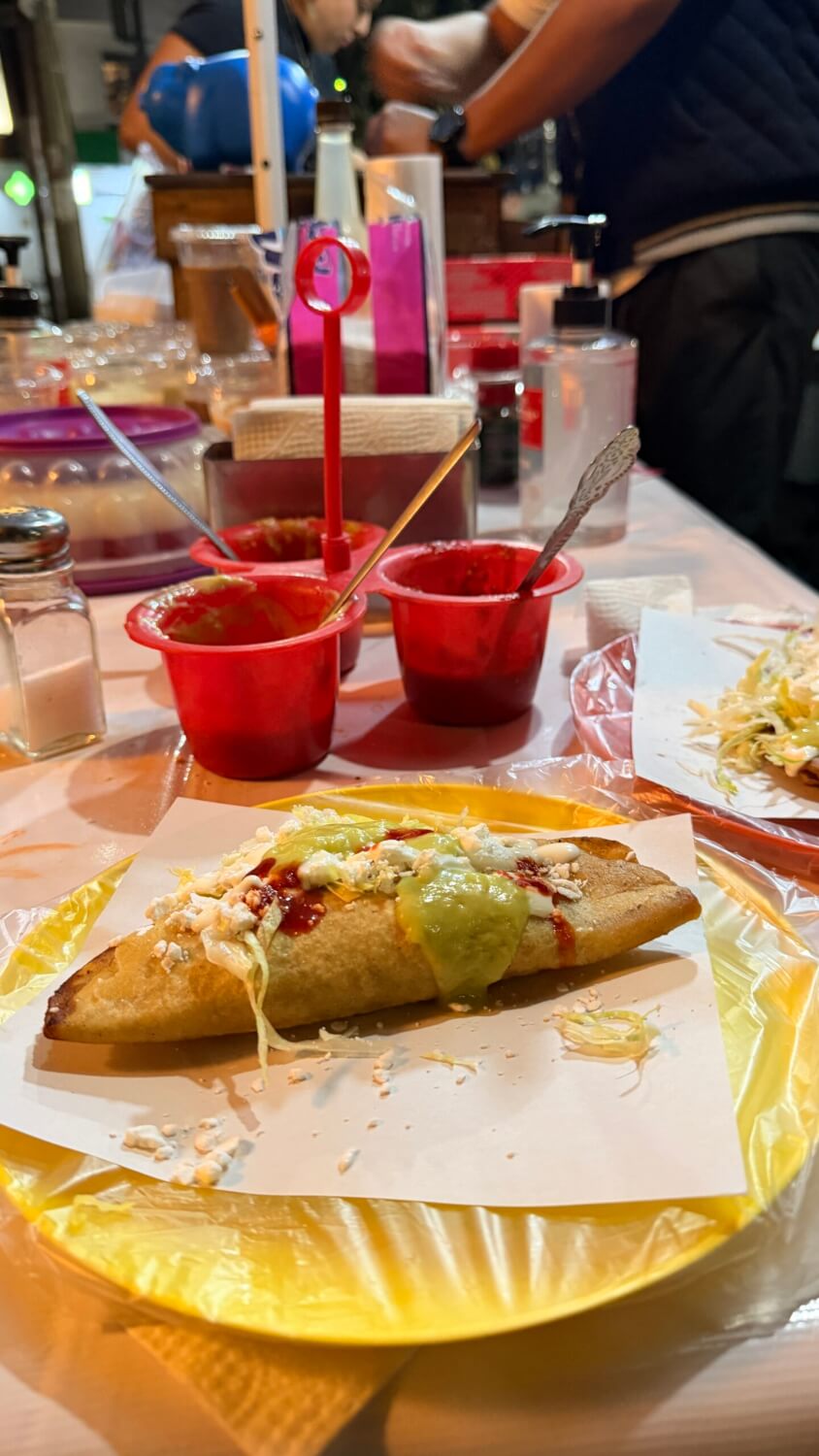
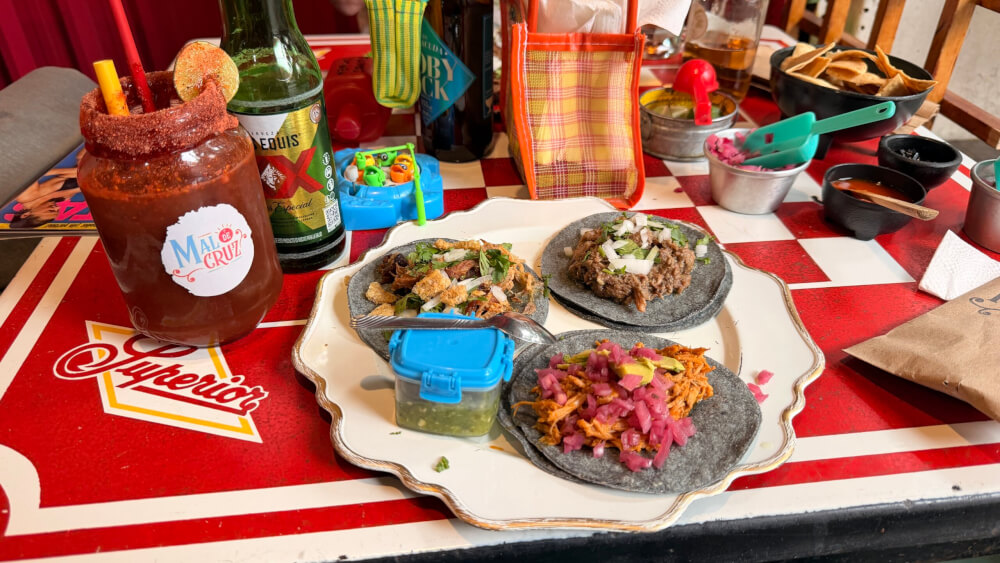
22. Try as many styles of ‘tortillas + toppings’ as possible
Honestly, Mexican cuisine is incredible and varied, buuuut something that I couldn’t help but notice (and love) were the many many ways that they can serve tortillas with various toppings to create new dishes… and all of them, I assure you, are delicious.
Here are some of the most common ones!
Of course, firstly we have tacos.
I was personally quite surprised by the different names because I eat a lot of tacos at home but in Mexico City, they have very specific types of meat and things that you might not be used to seeing depending on how authentic your Mexican restaurants are where you’re from so definitely take note of some of the more common taco types. In Mexico City some super popular ones I saw included…
- Suadero, a slow cooked beef taco
- Chicharrones, a pork rind taco
- Taco al pastor, a Mexico City invention consisting of juicy pork and pineapple
- Tacos de canasta, stew-filled tacos, with a name translating to basket tacos because they’re usually stored and sold from big baskets, so yeah, dig in.
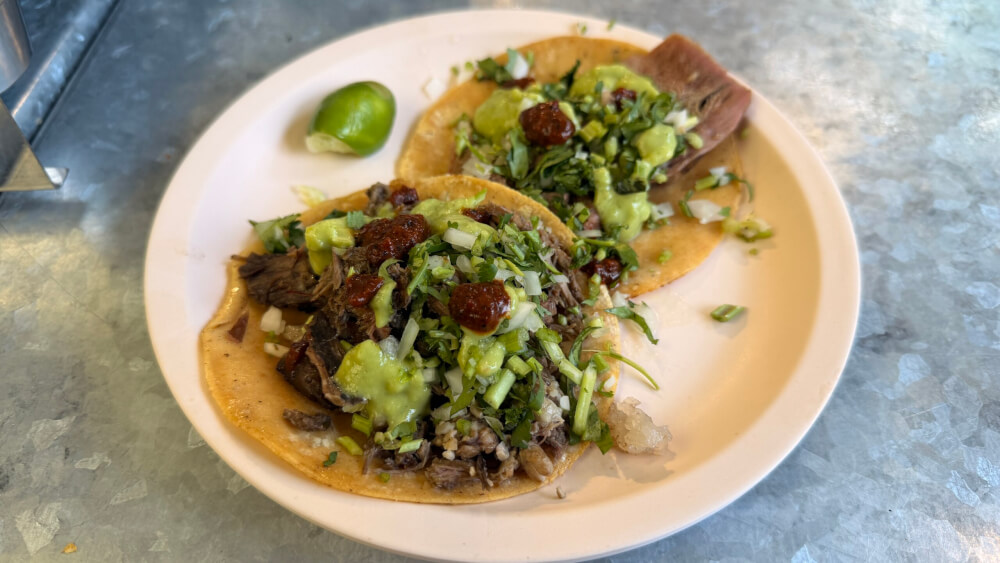
Again though, so many other ways to enjoy tortillas with toppings. Some common musts include…
- Chilaquiles: a breakfast dish with tortillas simmered in salsa with toppings like egg, avocado, and beans
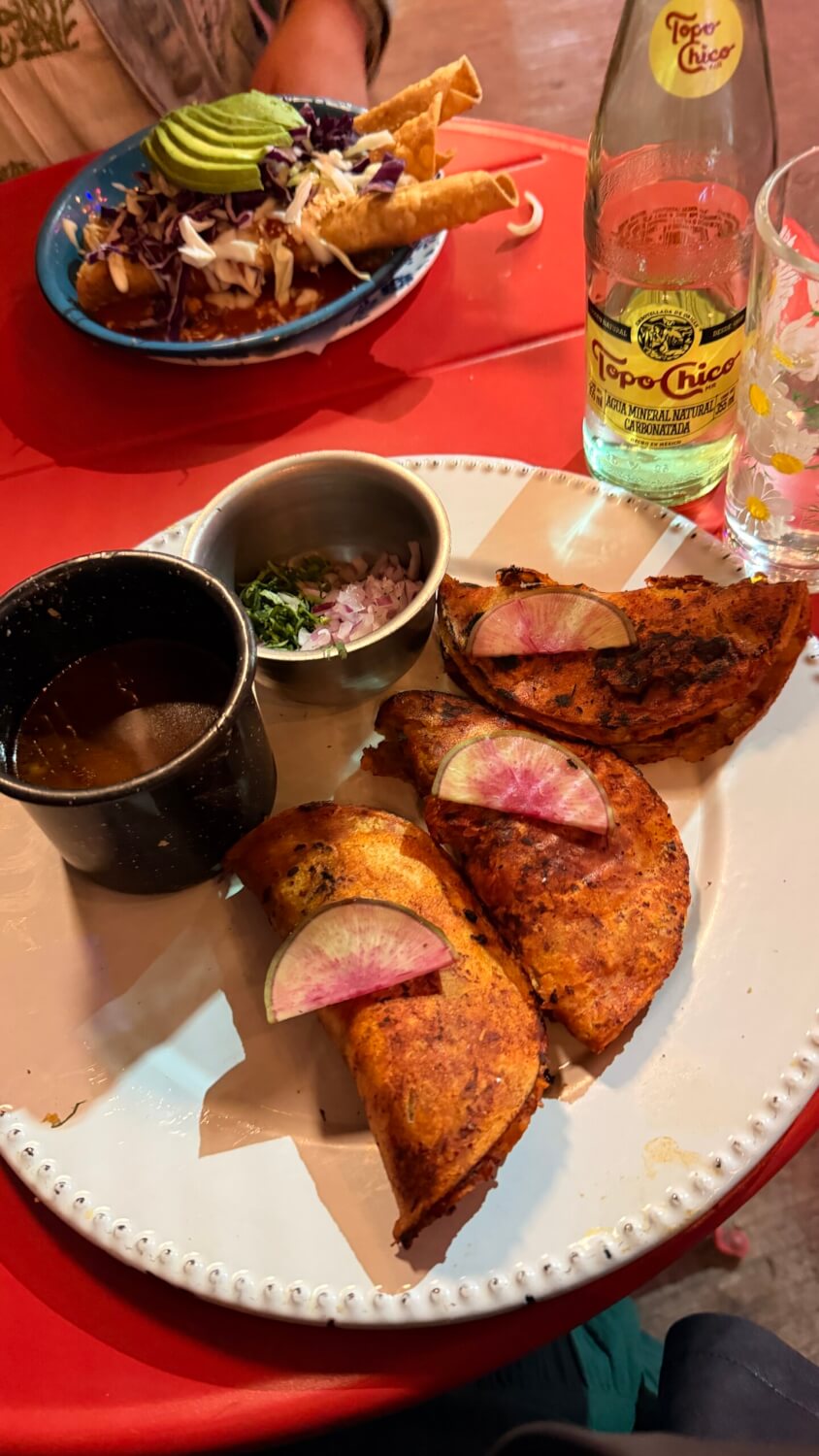
- Quesadillas: a tortilla with fillings that’s folded in half then grilled til crispy on the outside with melty insides
- Enchiladas: a corn tortilla rolled with fillings that’s topped with a savoury sauce. Enchiladas Suizas is a popular one you’ll find with cream on top… and Enfrijoladas are similar with a bean-based sauce on top.
- Flautas: rolled tortillas with fillings as well, thin like flutes hence the name, but deep fried and meant to be crispy, rather than drowned in sauce
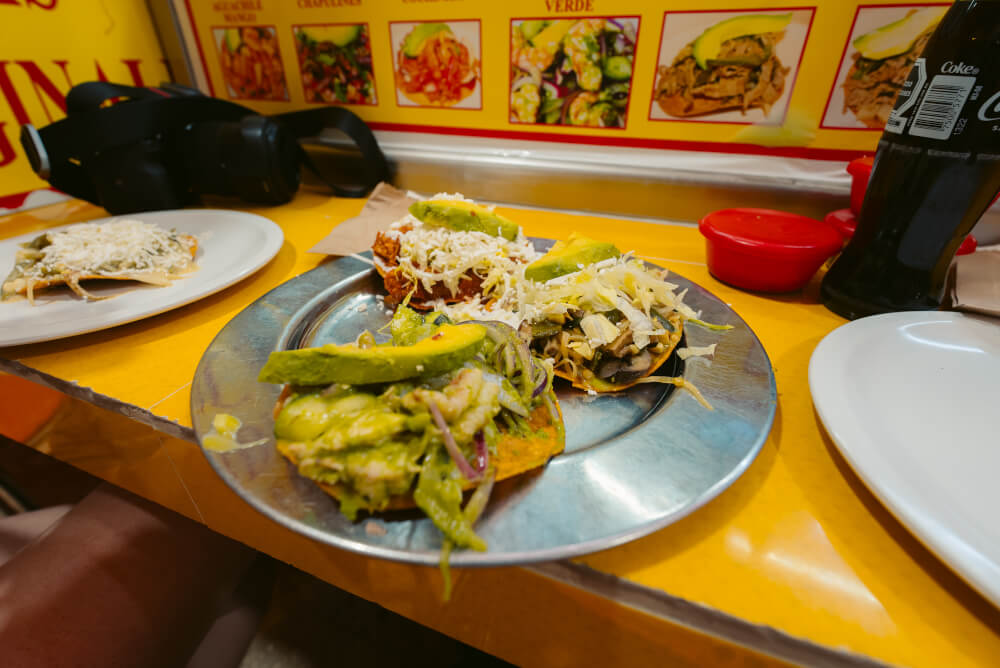
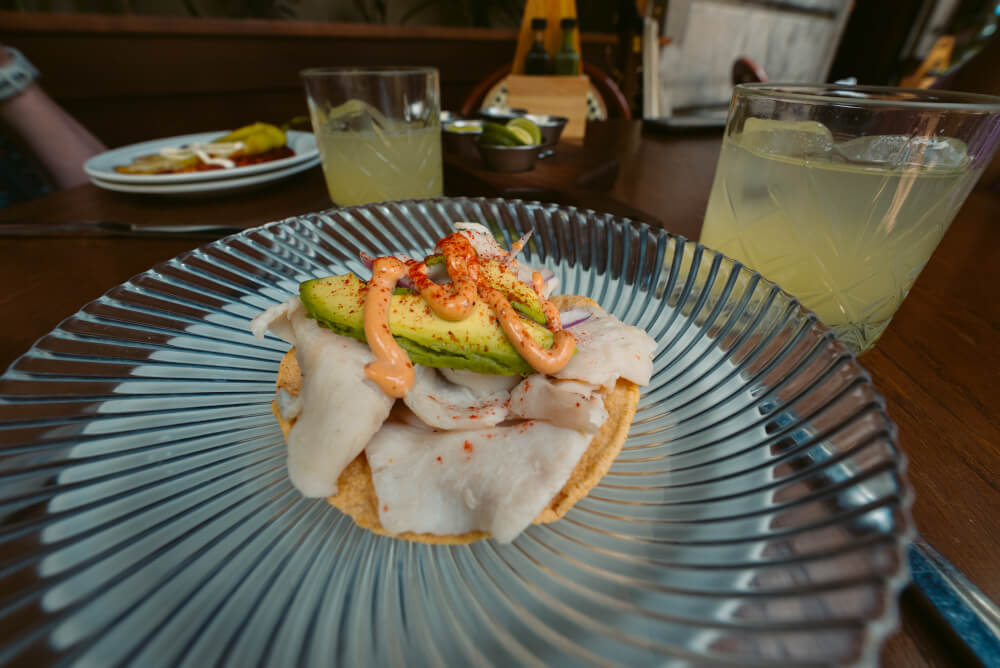
- Tostadas: crispy tortillas topped with various fresh toppings, kind of like a crispy open face taco
And honourary mention goes to Gorditas which are deep fried dough pockets filled with meat, cheese, beans, and other fillings… where the pocket dough is the same as corn tortillas, just thicker.
… And somehow, against all odds, that’s not even all of them.
23. Learn how to say key ingredients in Spanish
Your life will be infinitely easier if you know some basic food words in Spanish, just because you’re gonna encounter them everywhere. This is especially important if you have allergies or dietary restrictions of any kind.
Now, if you love Mexican food, some of the words may be familiar already, but trust me, just because you know carnitas and barbacoa from Chipotle doesn’t mean you’ll magically understand the menus here – there are lots of fairly specific terms.
Some words you will 100% encounter include…
- “con” = with
- “sin” = without
- “con todo” = with everything, so they’ll just put whatever they usually put and you don’t need to know too much vocabulary.
Some words you should know though include…
- Maiz = corn
- Harina = flour
Usually, you will see these words in the context of tortillas, specifying what type of tortilla it is.
Other key words include…
- Picante = spicy (beware: Mexican spicy doesn’t mess around)
- Queso = cheese (beware: it isn’t always a given so if you want cheese in your stuff, make sure it explicitly says so)
- Cebollas = onion
- Cilantro = cilantro or coriander
Meat-wise, especially with tacos and stuff, they are really specific with the terms here, which makes it easy to get confused if you have a very basic baseline of Spanish. Here’s what makes things especially confusing: often they’ll have specific words that designate WHICH part of the animal your meat came from, so menus don’t generally just say ‘beef’ or ‘pork’ for instance. Depending on what you order, you can literally be eating cow’s head or tongue rather than your usual steak. So always give things a Google if you’re not sure.
You likely won’t be able to memorize these specialty terms, so just know in a pinch that…
- Res = beef
- Cerdo = pork/pig
- Pollo = chicken
For vegetarians especially, some good words to know include…
- Vegetariano or vegetariana (for ladies) = vegetarian
- Vegano or vegana (for ladies) = vegan
- Sin carne = without meat
- Champiñones = mushrooms
- Flor de calabaza = squash blossom
- Huitlacoche = a special fungus that grows on corn often known as Mexican truffle
- Aguacate = avocado
- Nopales = an edible cactus they use in some dishes
Honestly though, practice makes perfect… so just go eat a bunch and I’m sure you’ll absorb the vocabulary.
24. Learn when to say “Provecho”
This is typically said to other diners when you arrive, or when you leave.
Apparently this is a cultural politeness thing, it’s just kinda like “hi I see you! enjoy your meal!” so… kinda nice for bonding it up with strangers.
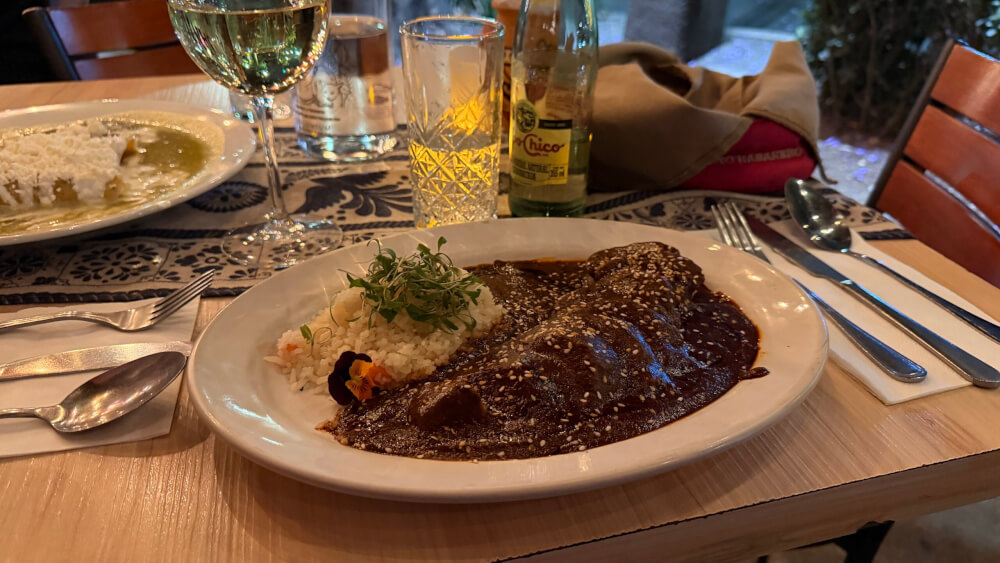
25. The bill isn’t brought to you automatically
Instead, in most settings, you have to ask for it by saying “la cuenta, por favor?”
And two additional words to know here are tarjeta, which means card, and efectivo, which means cash.
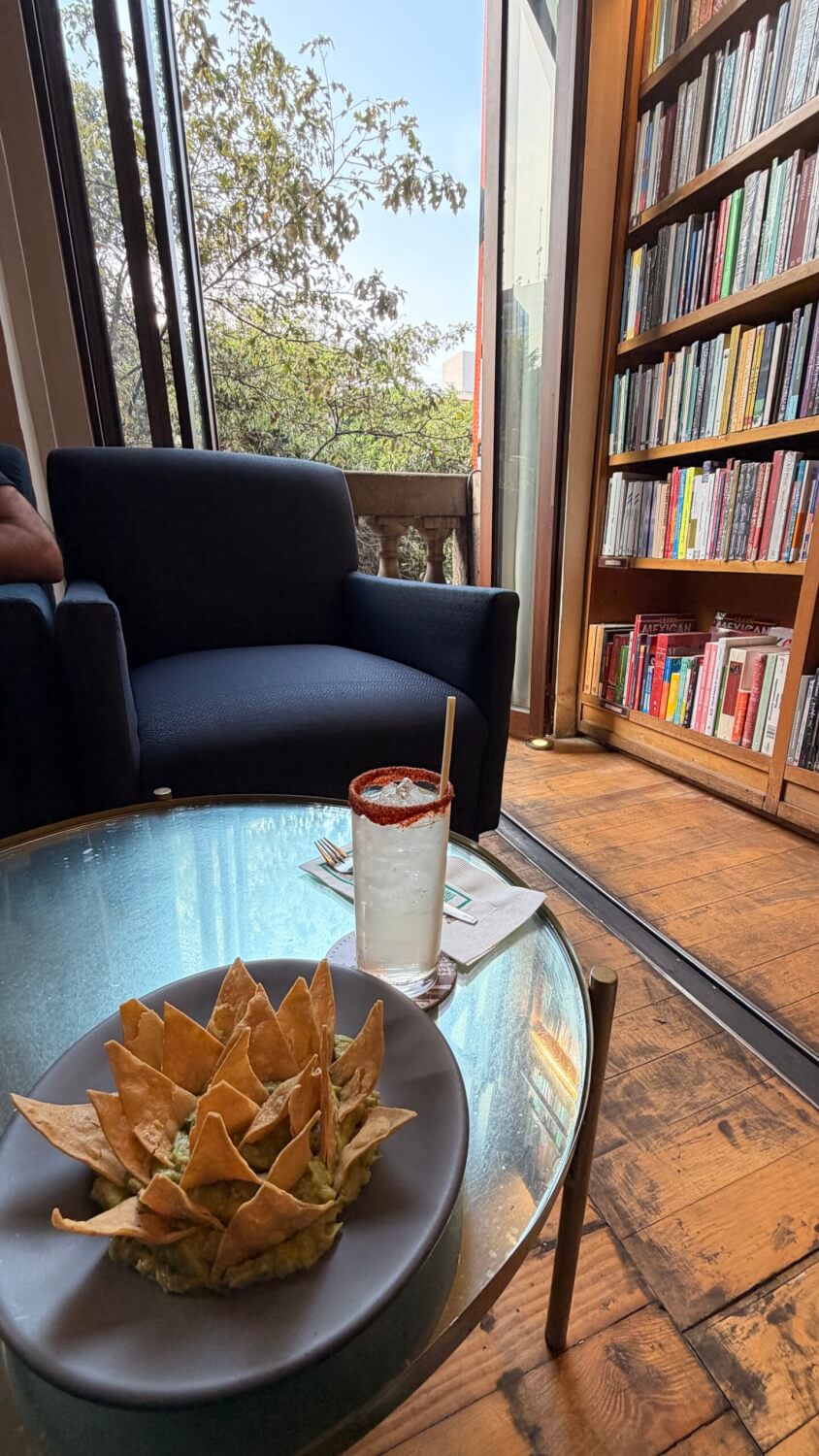
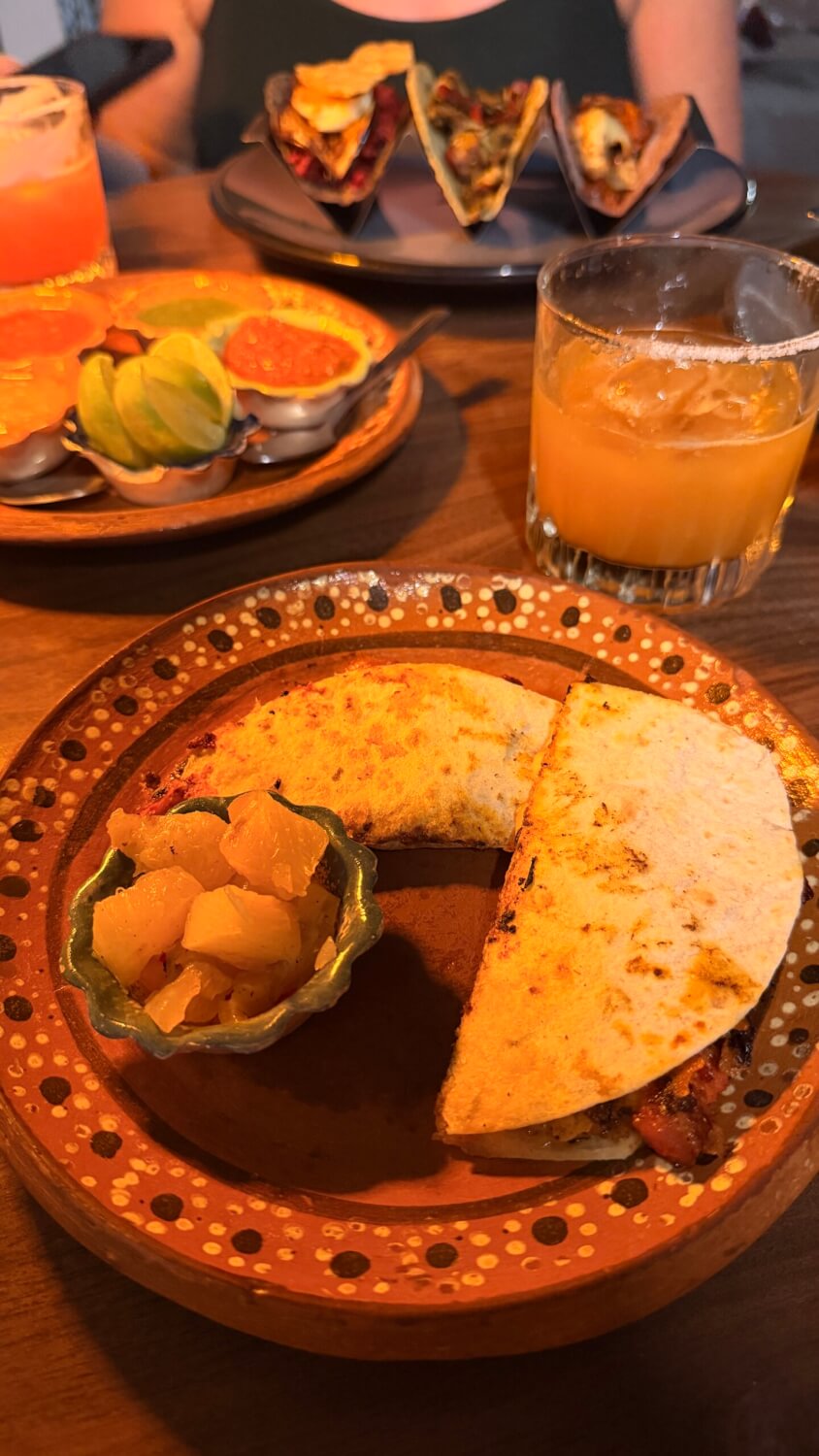
26. Group must-sees by neighbourhood to avoid backtracking
Again, Mexico City is crazy big so needless to say unless you have 20 years or more, you can’t realistically “do it all” when it comes to Mexico City, so grouping sights by area will save you tons of time and energy.
For my first visit the main areas I split my days into were…
- Centro Historico
- Chapultepec Park (and Polanco since I feeling ambitious)
- Roma Norte & La Condesa
- Coyoacan
- Xochimilco as a half day trip
- Teotihuacan as a day trip
From my experience, if you dedicate a day to exploring each of these areas, you can easily get by on foot apart from your initial transport in and out so it makes things way more efficient.
Yes, of course you can Uber between neighbourhoods or take transport between neighbourhoods (more on this later), but do know that with traffic a lot of the time even places that aren’t too far away from each other can take you quite a decent amount of time to get between and you’re not gonna wanna waste your time sitting in traffic.
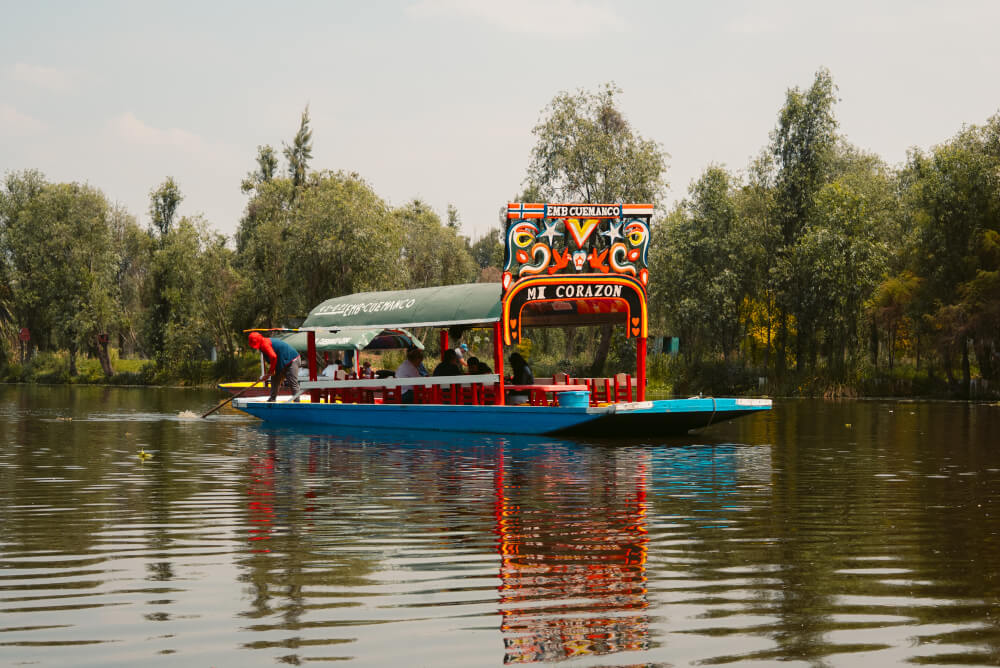
27. Pick must-sees based on category for a well-rounded trip
For the ideal mix, I would recommend at least…
- One art-related attraction – the modern art museum was a favourite of mine for seeing some iconic Frida Kahlo paintings, but the National Art Museum was housed in a stunning building really worth checking out.
- One history related attraction – depending on which type of history you’re interested in. For Mesoamerican history, the Anthropology Museum is definitely worth doing. The Templo Mayor Museum is also really cool because you get to explore actual ruins and also see tons of artifacts.. and if more modern history is your jam, there’s also a museum dedicated to the Mexican Revolution or Chapultepec Castle if you want history with a side of stunning design
- One stunning building or piece of architecture – the Centro Historico especially has loads of these – the Palacio de las Bellas Artes is a must with its murals, but the Palacio Postal was my personal favourite just in terms of sheer wow factor

28. Many museums are closed on Mondays
This includes pretty much all state run museums, as well as many restaurants and Section 1 of the Bosque de Chapultepec which is where most of the main sights are.
This makes Monday a pretty great day to do a day trip out of the city, like going to Teotihuacan or Xochimilco.
Or you can head over to some of the attractions still open on Mondays like the Monumento a la Revolución, Torre Latinoamericana or the Soumaya Museum which is not only open on Monday, but also free.
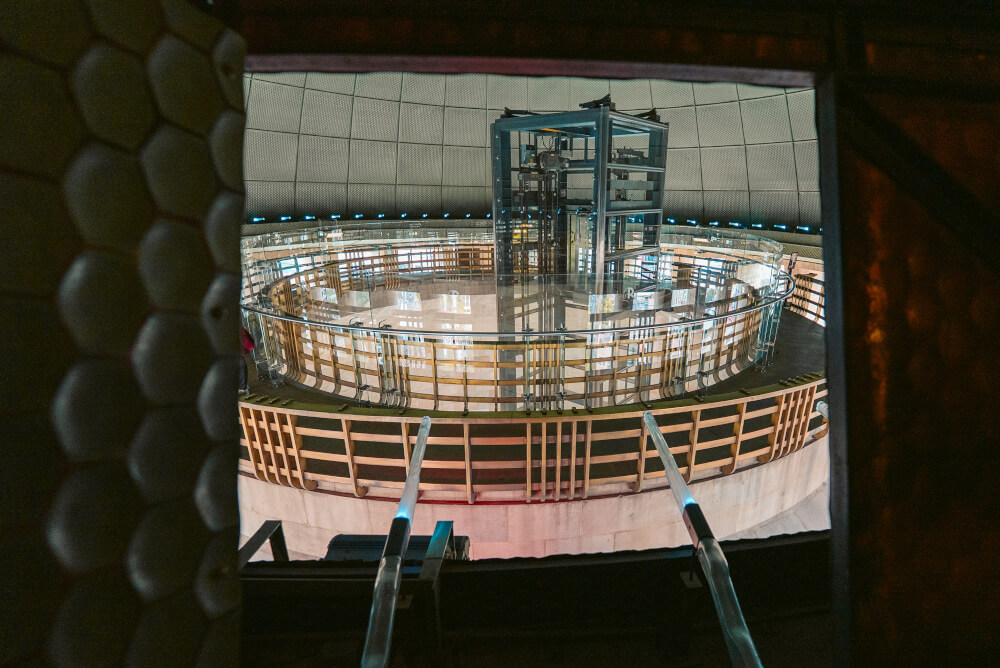
29. Sundays are free museum days (but only for residents of Mexico)
So yes unless you happen to be a resident of Mexico, plan to visit museums on other days, and save your Sundays for other activities.
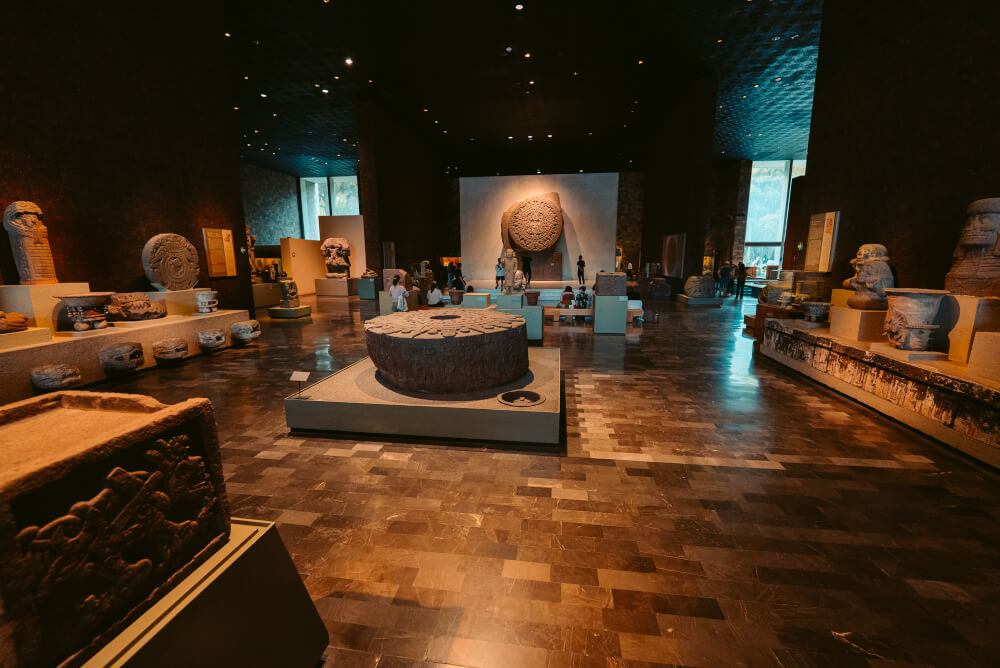
30. Sunday is a great day to bike around
So a very cool program that they have in Mexico City is on Sundays usually from 8am – 3pm ish, when they close many major streets off to car traffic making them a dream to run, walk or cycle on.
The most prominent of these streets is the lengthy thoroughfare Paseo de la Reforma. And they even have stalls close to the Angel of Independence statue where you can rent bikes for free if you bring two pieces of ID and get there early enough while supplies last.
If this doesn’t pan out, you can rent an Ecobici with your Metrocard which is still fairly inexpensive.
If you’re around on a Sunday, this can be a really unique and fun way to see the city – my friend Sooz did it during our trip (I stayed behind because I’m hopeless on a bike) – but she loved it! You can learn more in her guide to the CDMX Free Bike program.
In terms of good days to visit museums, do…
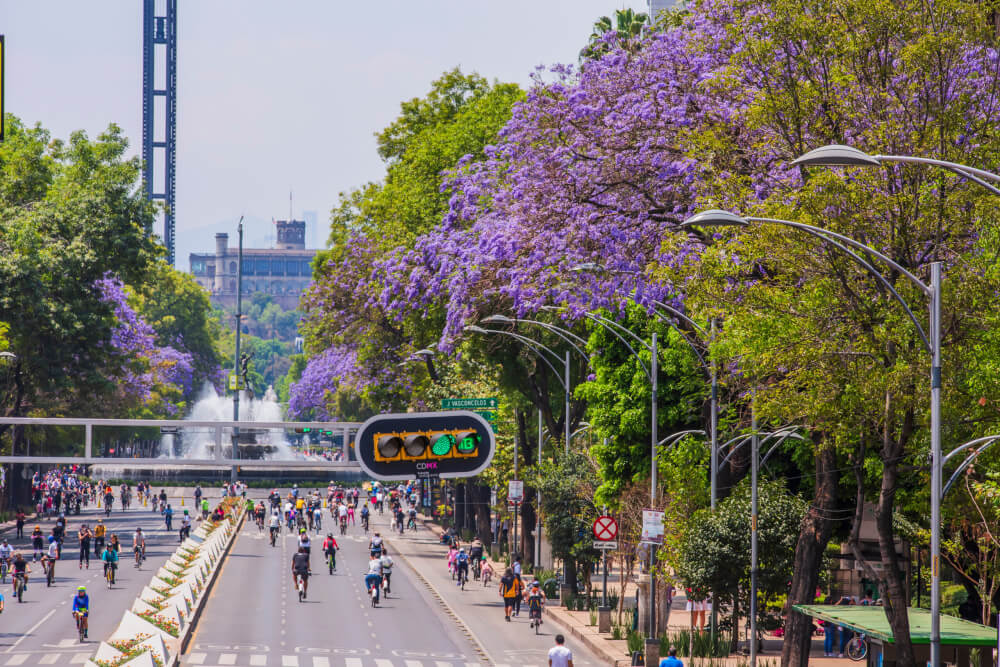
31. The Noche de Museos is the last Wednesday of the month
On this day, museums are open later and there’s often unique events, tours and experiences like concerts in some seriously impressive and iconic venues, so if that overlaps with your trip definitely check it out!
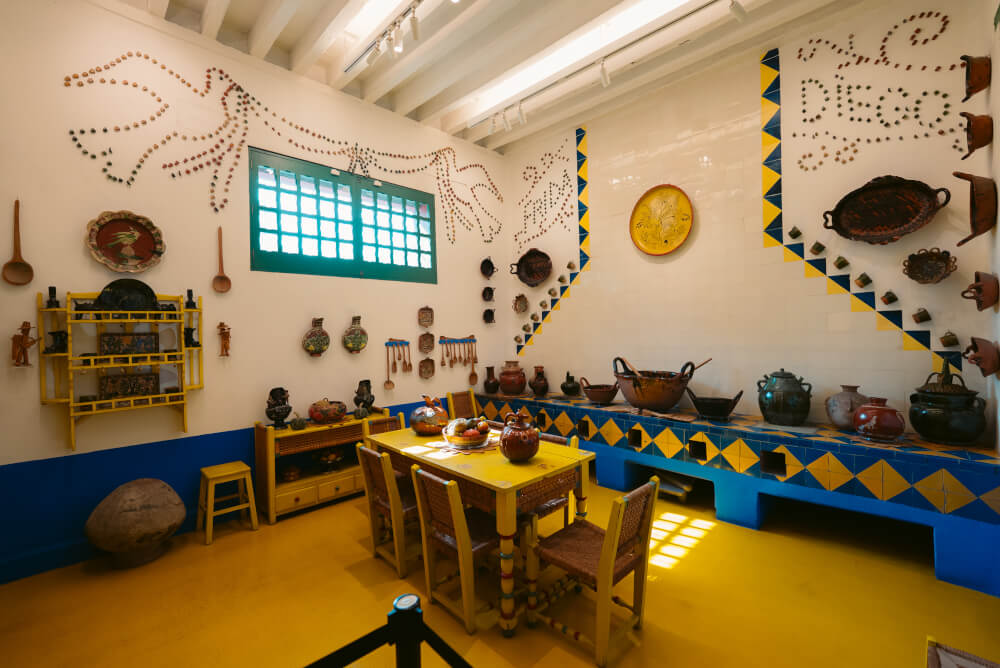
32. Book early for the Frida Khalo Museum (AKA la Casa Azul)
This is pretty much the only museum you’ll have to book in advance in Mexico City, but the catch is the tickets go very quickly. We booked ours about 3 weeks beforehand for our March trip and most of the slots were already sold out, especially on weekends.
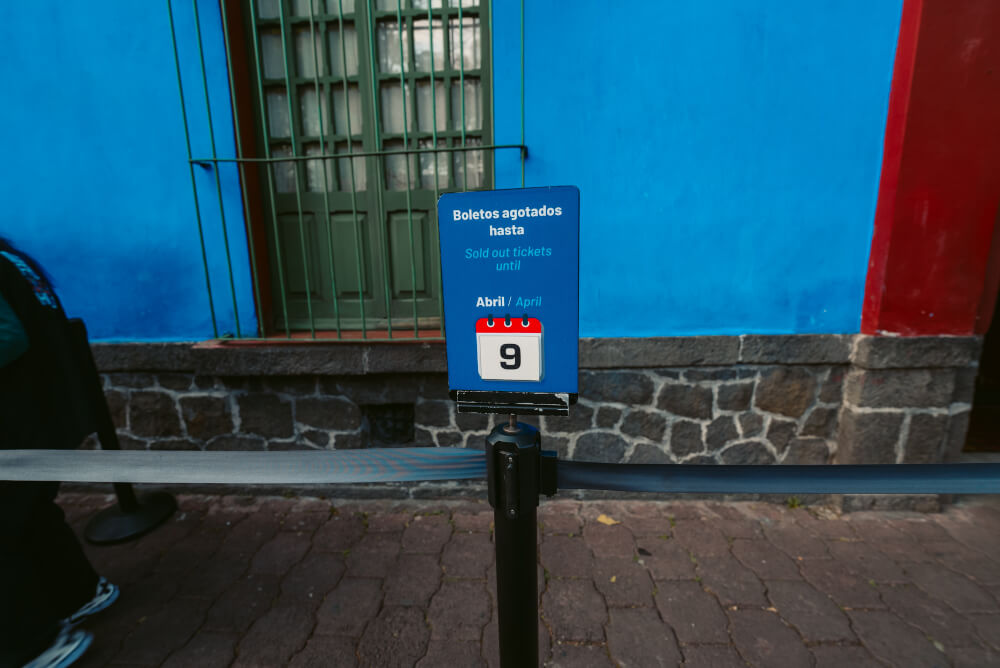
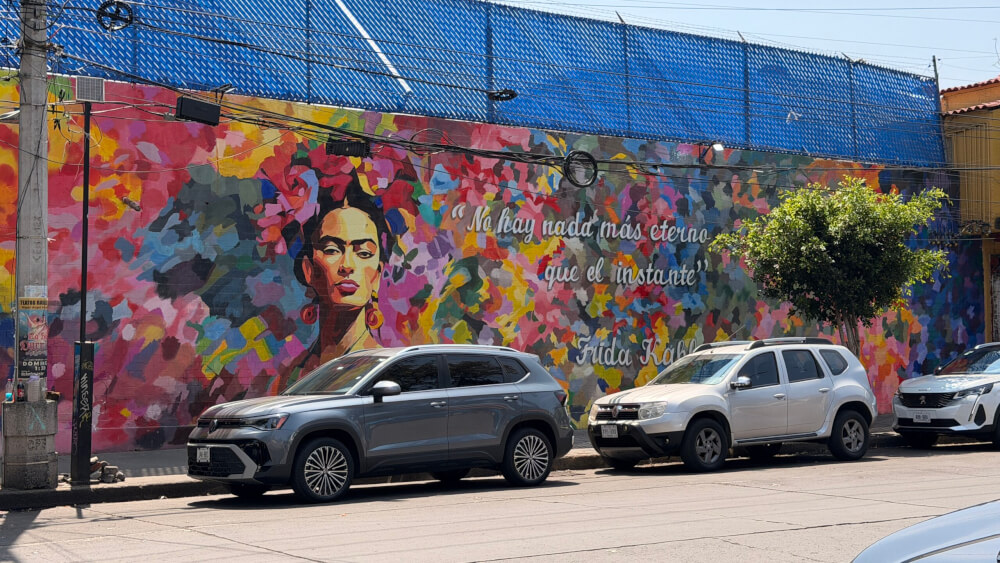
For some reason, a lot of people consider this museum to be a tourist trap but honestly if you’re interested in Frida Kahlo’s life and story, it’s a super interesting place. I think a lot of people come here assuming they will see many pieces of her art here, but if that’s your main goal, you might be better off just visiting the Museo de Arte Moderno. This museum focuses more on her story, and what her life was like here at the Casa Azul. If you want to be invested in this spot, I highly recommend again watching the movie Frida – it brings her story to life in a really engaging way.
Plus tickets also include free admission to the Anahuacalli Museum, designed by Frida’s husband Diego Rivera to house his private collection of pre-Hispanic art, so if you have time you can add that onto your day in Coyoacan – it’s a 10ish minute drive from the Frida Kahlo Museum.
Now I will say something really surprised me was that on our visit, we came across a SECOND Frida Kahlo museum that had just opened up in September 2025, not in the Casa Azul but in what they call the Casa Roja, or Red House which was a house Frida owned and gifted to her sister so she could live there with her family. Museo Casa Kahlo as it’s known is actually run by her relatives and focuses more on her personal life and early days.
These two museums are super similarly named so if you’re not careful, you will probably buy tickets to the wrong one, so double check and remember the blue one Casa Azul is where she actually lived and is the more popular one that requires advanced booking. If you’ve been to this new one though, do let me know because I’m pretty curious.
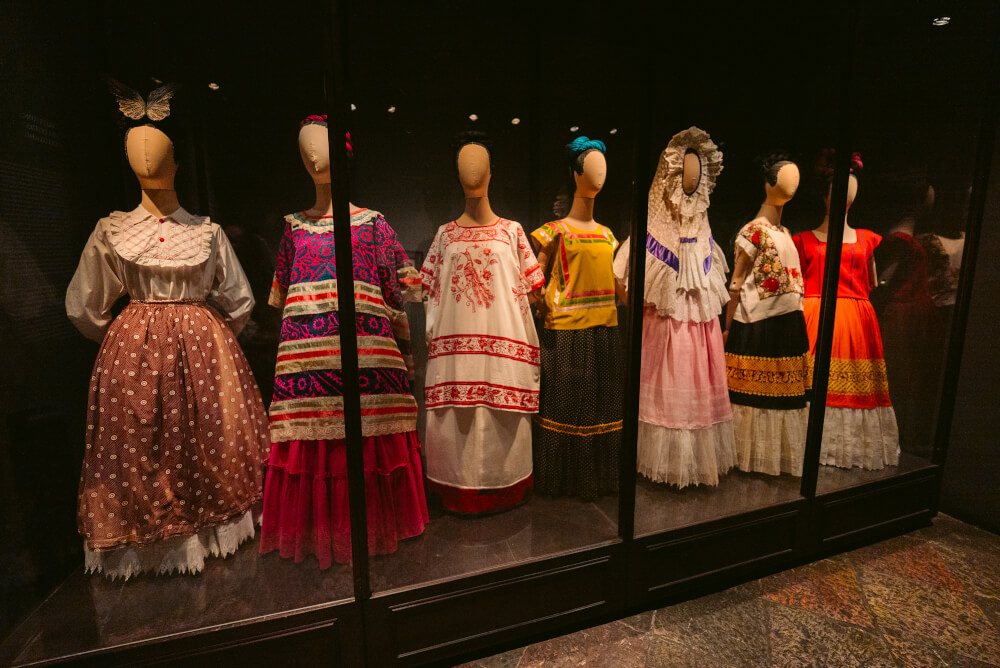
Speaking of museums, if you’re visiting any, I would advise you…
33. Arrive early or choose smaller (lesser known) museums
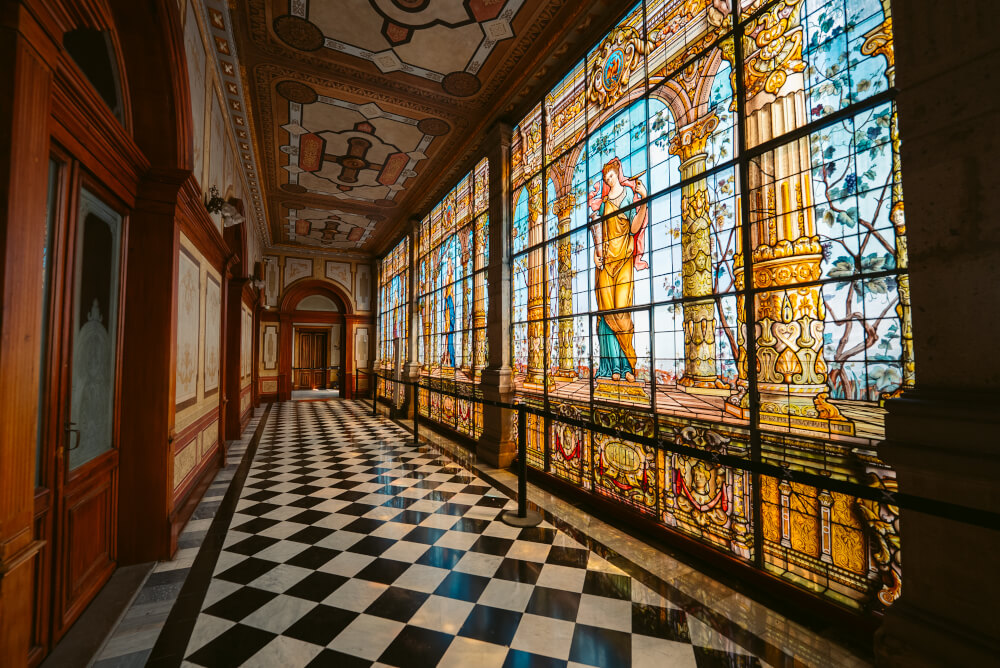
Mexico City is a pretty popular destination so many of the big attractions like Chapultepec Castle, the Palacio de Bellas Artes, and the Museum of Anthropology are unbearably busy during the day.
So for these ones I’d advise arriving really early. I got to Chapultepec Castle as soon as it opened and had sections of it all to myself, which was incredible.
Otherwise, you can consider going later, like I did at the Museum of Anthropology a mere 2 hours before closing. I admit, it’s a huge museum, so maybe you’d need more time if you want to take things at a slower pace, but I really enjoyed the relative lack of crowds.
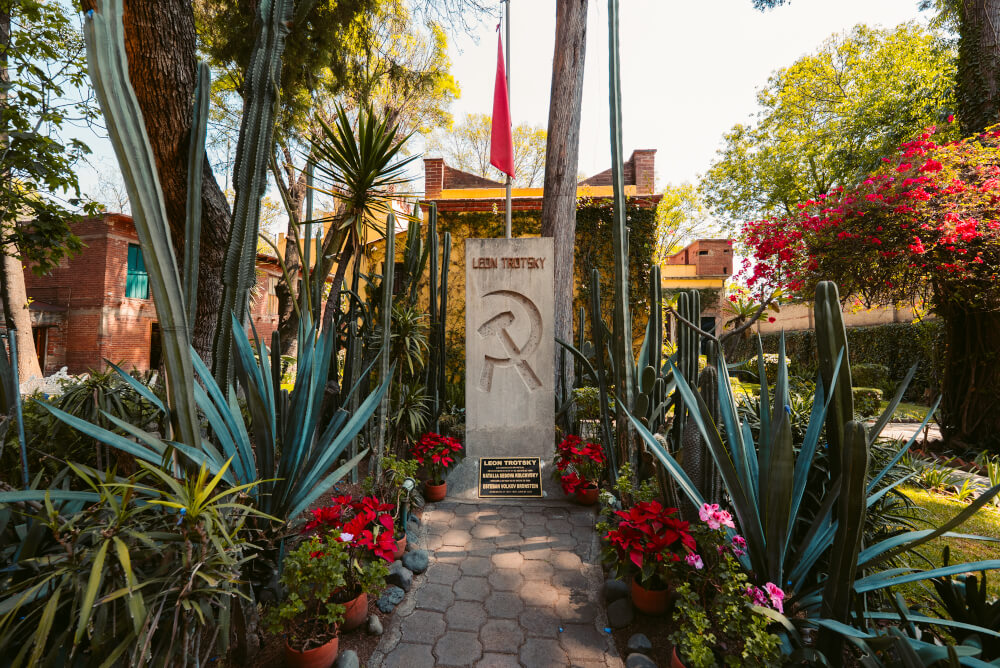
Speaking of a relative lack of crowds, there are also several lesser known museums to visit beyond these big popular heavyweights… literally over 150, so be sure to do some extra research and branch out. Often you’ll find less touristy spots super close to the very popular ones, like the Leon Trotsky House Museum for instance which we did the same day as the Casa Azul in Coyoacan. It was wild to be at such a historically significant sight (Trotsky was infamously murdered here), and again, almost no one was there!
And if you’re into architecture, there’s a TON of house museums, many of which are reservation only but look so so cool like the Casa Organica.
All that said…
34. Some of the best things to do are free
Listen I know there’s loads of attractions to tackle in this city but truly some of the best stuff I went to was free.
There are some really lovely parks in this city like the Parque Mexico and of course the biggest one: Bosque de Chapultepe, home to many paid museums sure… but also many free attractions as well! The zoo there for instance is free and is (fun fact) home to the only giant panda in the world that doesn’t belong to China.
And there’s lots of fun surprises like a Canadian totem pole, and a cool Audiorama garden I stumbled upon which was playing classical music in an enclosed portion of the park. So relaxing and magical.
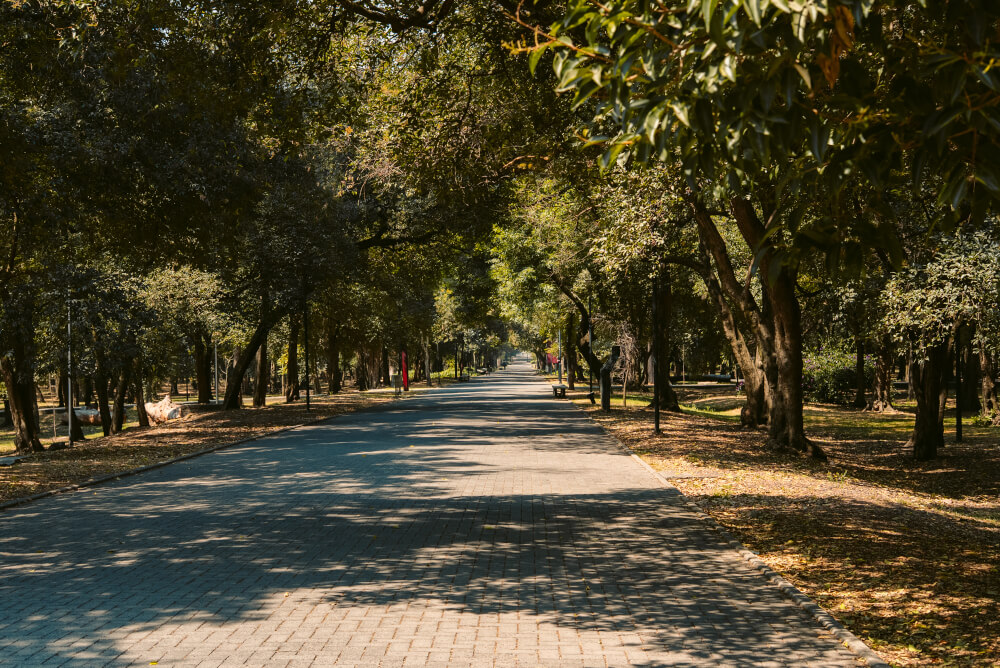
Niche tip though if you do go to this park, be aware that once you’re in, it may take a while to get out just because any of the Uber pick up zones are a little while away from the interior of the park and a lot of the time, when you’re leaving let’s say after a major museum closes, then the wait time is gonna be much longer and pricier, so do factor that into your plans.
Other great freebies include two museums in Polanco – the fairly small Museo Jumex which is devoted to contemporary art installations and the super beautiful Museo Soumaya which is this massive museum with a mix of pre-Hispanic, Mexican and European art including the world’s largest collection of Rodin pieces outside of France so yeah pretty wild that it’s free.
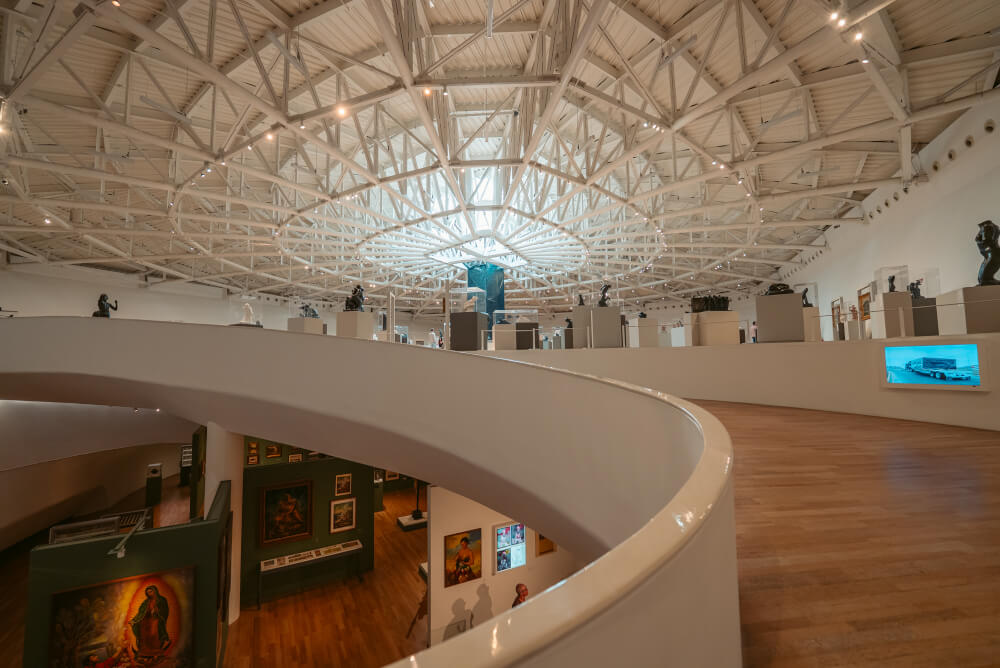
In the historic centre we also happened across the Museo del Estanquillo, which has a few small exhibitions and is free but more importantly has one of what I consider to be the best hidden gem views in the center – at this gorgeous cafe on the roof.
And you can even tour the Palacio Nacional, the National Palace for free if you’re quick enough to score one of their tour time slots. If not, there’s the free Museo Nacional de las Culturas for you there to explore which is a museum dedicated to items showcasing various world cultures.
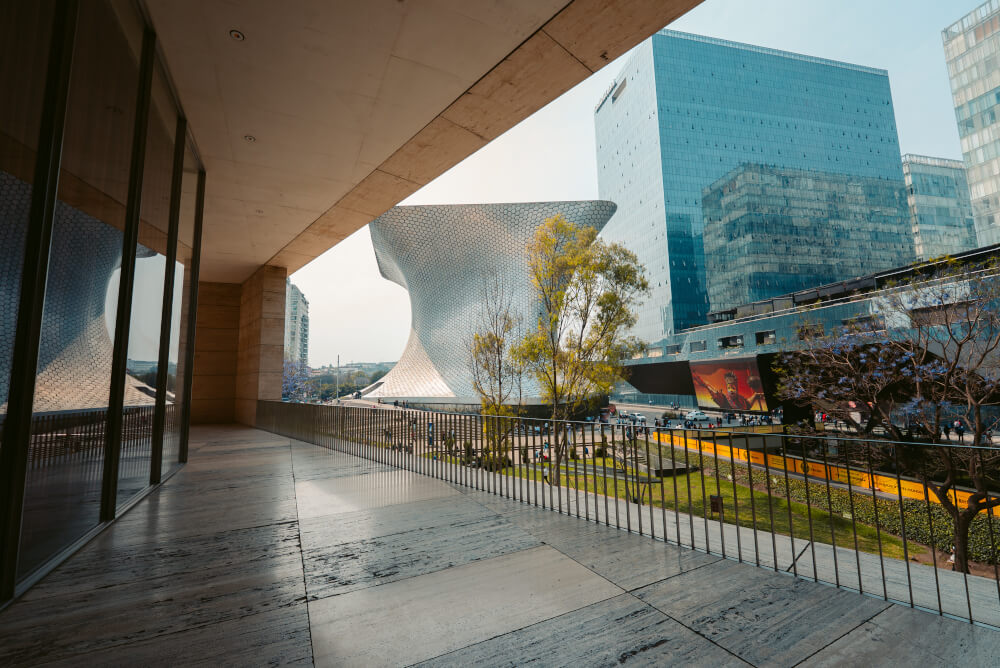
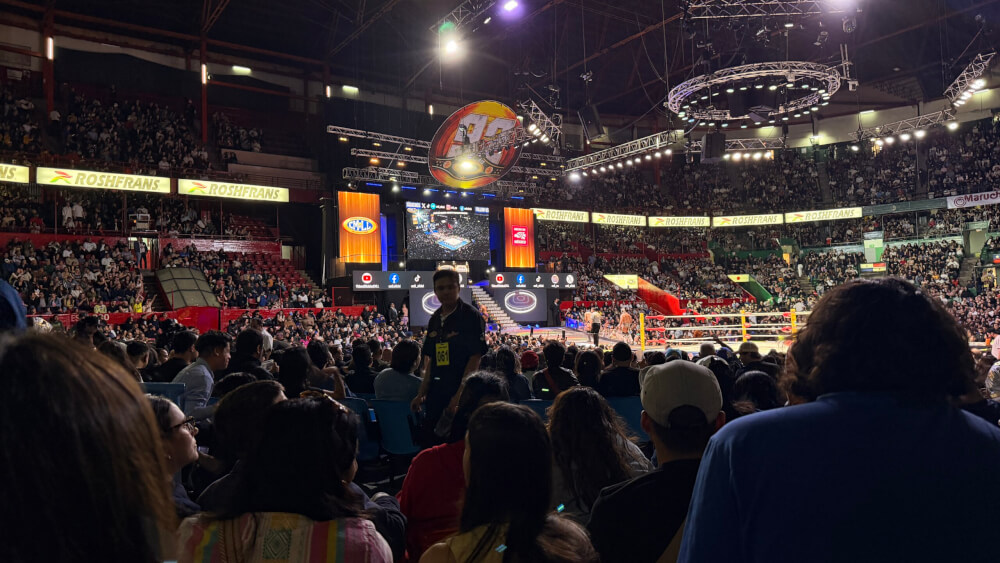
35. Definitely go to a Lucha Libre show
I grew up watching professional wrestling so this was right up my alley, but honestly the energy and entertainment levels were unreal. Especially with a giant drink in hand.
Now if you’re interested in seeing some live Lucha Libre, there will be many tours that sell you this experience. The good news? You don’t need to book through them. You can easily get tickets yourself for cheap on Ticketmaster. Friday shows are a bit pricier but they have bigger match ups. And I’ve heard Sunday ones are a bit more family friendly. All in all, we very much enjoyed our Friday match at the Arena Mexico though.
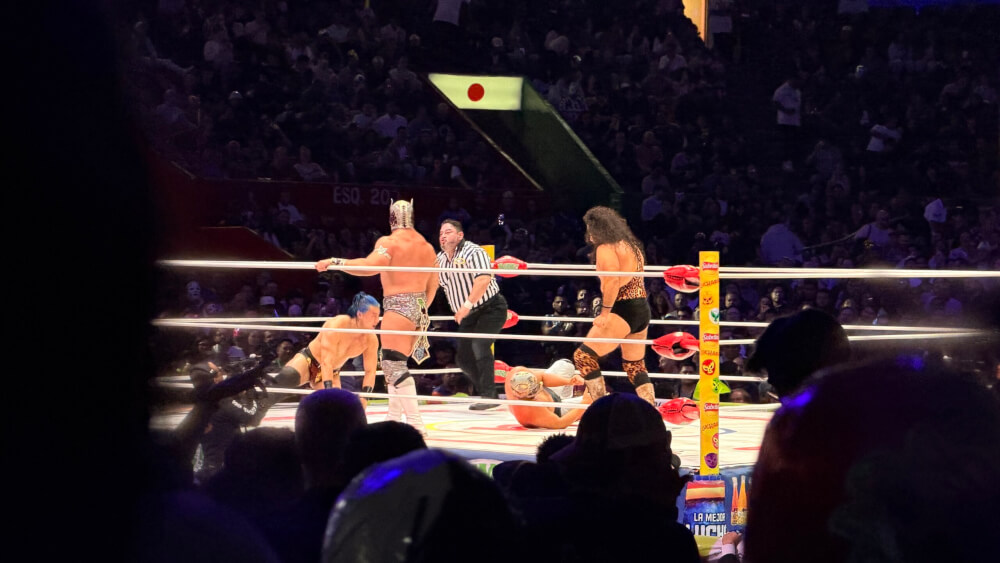
Some extra tips in terms of the experience:
- Avoid buying tickets for the first few rows in the corners as those seats aren’t elevated like the higher rows
- They are pretty punctual, so definitely try to get there in advance of the start time probably half an hour-ish so that you have time to get a drink and get settled
- The entrance may look very chaotic, with lots of people standing around, but there are multiple “lines” to get in – all you need to do is walk up to a security guard to get searched, then you can go show your tickets right by the door
- There are a bunch of people at the front entrance wearing blue vests. These are ushers that will ask you if you need help finding your seat. They are super helpful but do note they expect a tip, so bring coins
- Bathrooms only had paper towel and no toilet paper as far as I could see, so bring some of your own. There are also people out front selling packets of tissue for 10 pesos
- You are allowed to bring in your own snacks but getting a few drinks is definitely part of the experience
- The price for some of the souvenirs is outrageous. We had some people come up to us in our seats and they were selling masks for cost to 500 pesos each, which is extremely overpriced… so beware!
36. Look out for common traps when booking a Teotihuacan day trip
Now, I feel like this could be a separate guide on its own, but to put things succinctly, taking a day trip to Teotihuacan is definitely worthwhile, but it requires some research or you can fall victim easily into tourist traps.
I personally did a tour that included a hot air balloon ride with Volare, the oldest hot air balloon company in the area and it was incredible. A bucket list activity for sure! Everything was very professional from start to finish and I can highly recommend them.
Most companies offer a similar (if not exact same) service though – just beware of very slight differences. Key considerations are…
- Shared flight vs private flight
- Transport included or no
- Photos included or no
- Breakfast in a cave included or no
- Any extra inclusions like visits to obsidian and agave vendors or a visit to the Basilica of Our Lady of Guadalupe
Often a company will have many variations of their tours that do and don’t include these. So, before you get too excited about how affordable it is, beware that often the price they show you is the cheapest possible one for the bare bones package like a hot air balloon ride and nothing else.
We opted for the simplest tour – just the hot air balloon with transport and enjoyed it a lot.

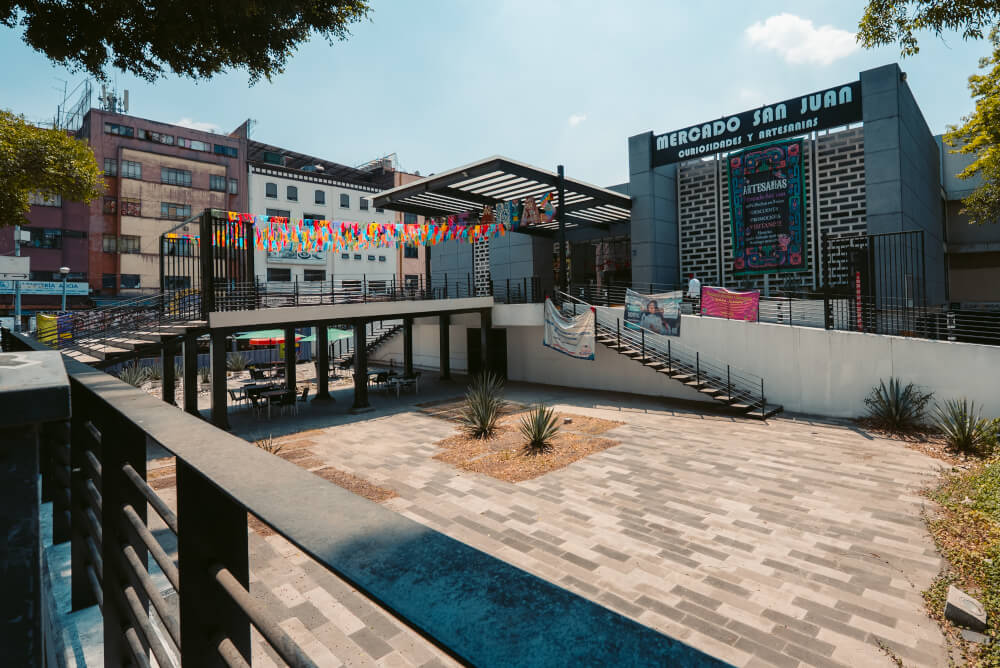
37. Be sure to check out artisan markets
I consider these wonderful worthwhile attractions in and of themselves in Mexico City. I’m not usually a huge shopper, but CDMX awoke something deep in me and I went a little crazy with my souvenir haul.
There are several Mercados de Artesanía around the city, so just look out for those… but we found so much great stuff at the one in Coyoacan and also at the San Juan Crafts and Curiosities Market near Chinatown.
38. Don’t consume the tap water
I learned this the hard way when I accidentally gave myself food poisoning.
… no joke. It’s okay to laugh now if you want. I am, against all odds, over it.
Long story short: I was trying to multitask making coffee at the same time as I was talking on the phone, and I forgot to use filtered water for the coffee machine and guess what:? That was the only day I even felt remotely sick, so definitely take your proper precautions… including avoiding tap water for brushing your teeth. Some say this might be overly paranoid but honestly, better overly paranoid than dying from diarrhea so… the choice is yours.
As for ice, most places use filtered water for ice so it should usually be fine, but I mean, use your own judgment – have a look around for the vibe, and exercise caution when necessary.
39. The weather changes a lot, so layers are your friend
We never got caught in the rain, but there were many times when it looked dangerously close, which made us deeply regret our super summery outfits, so yes always make sure you have at least have an outer layer just in case you get caught in the rain or face unexpected winds.

40. Tip around 10%
This is a commonly accepted amount for sit-down meals.
In Spanish, the word for tip is Propina so if you see that word on jars, etc. that is a tip jar, commonly seen at street food stalls and quicker service spots, but if you want to keep things simple, you can always just tell them to keep the change by saying “así está bien”, which means “that is good”.
These days in many more modern sit-down places, they will have the option to just tip on the machine so it’ll show you percentages that you can add on there or you can also just leave some cash. Do note though, the more tourist-oriented places definitely have the suggested tip buttons set wayyyy higher, since they are very well aware of the insane tipping culture elsewhere in North America.
In any case…
41. Have some cash and coins on you
While some restaurants will accept tips via card, you’ll generally need cash for tipping tour guides, hotel staff etc.
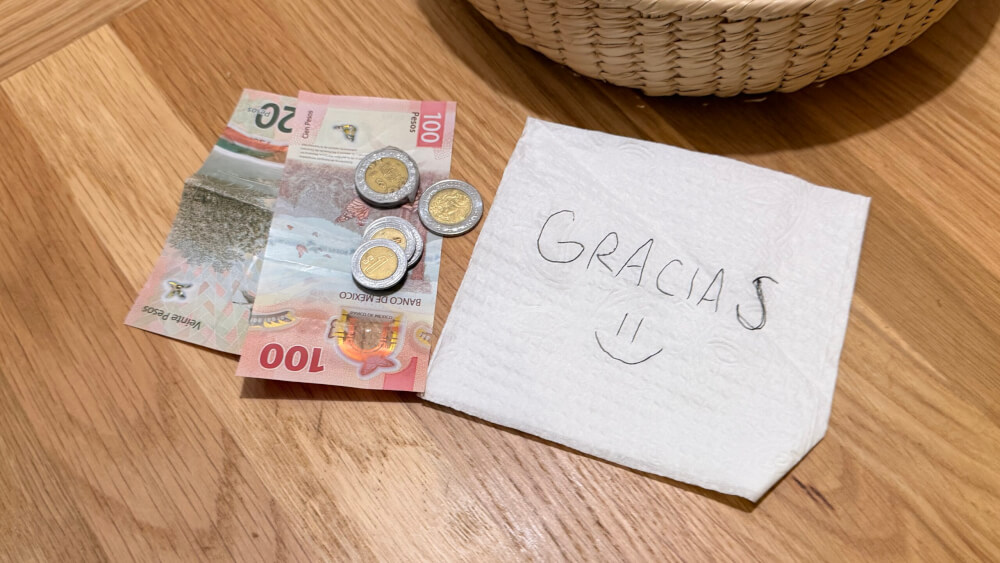
But in addition to tips though, many market stalls, street food vendors, and public toilets will not accept card payments.
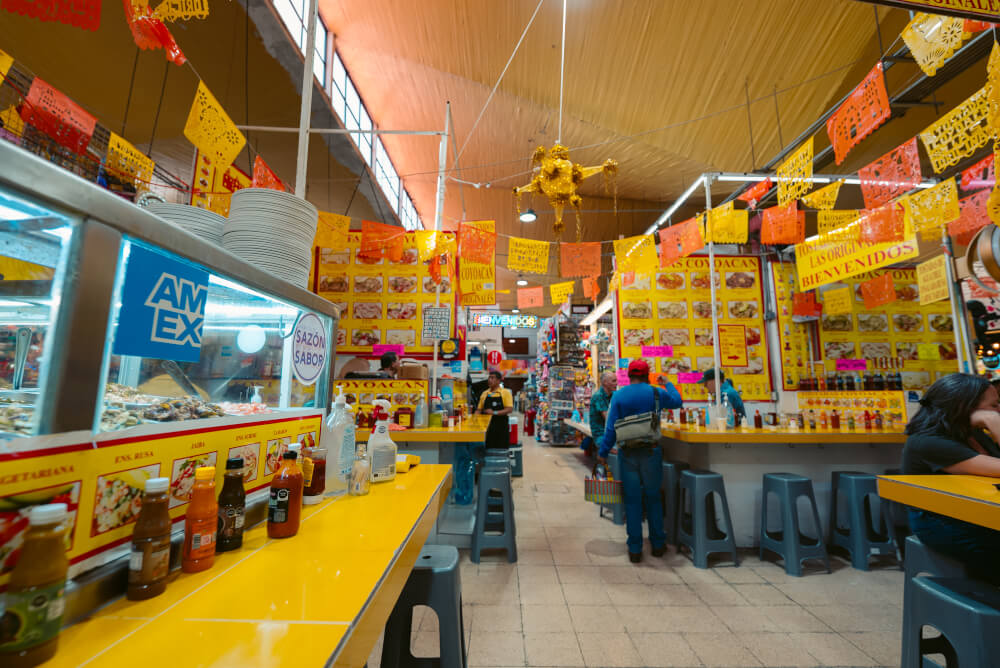
Ultimately, this depends on individual vendors, but I noticed that a lot of the markets and vendors now have signs that explicitly say that they accept Visa, even AMEX, so card is definitely becoming more popular!
In any case though, it is a good idea to have some cash just in case because you will no doubt encounter some spots that don’t accept card.
And again, it’s worth repeating…
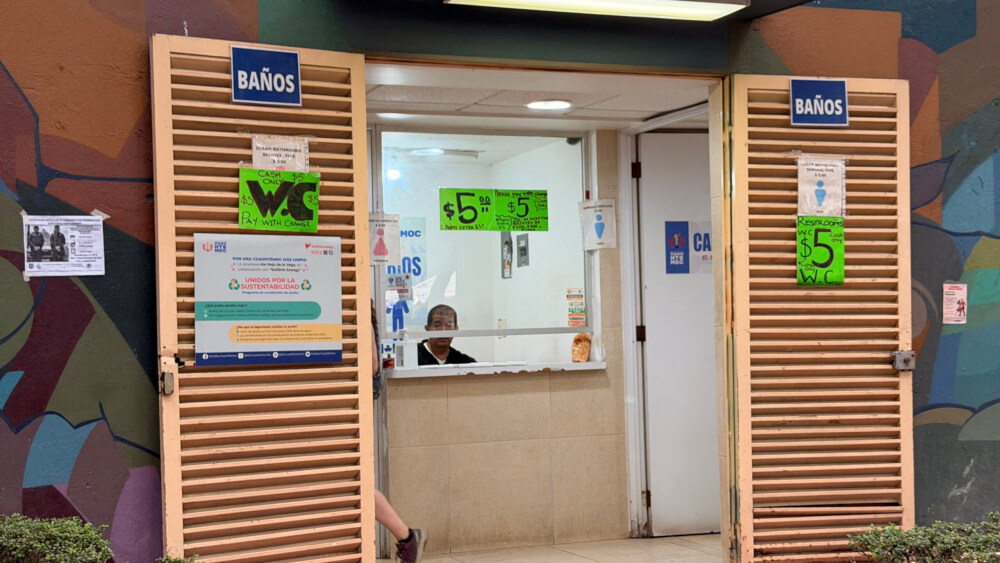
42. Public toilets often cost a small fee
… and toilet paper can cost extra!
This is why I always advise that you keep some smaller coins on you, and maybe pack your own toilet paper just in case because there may be some instances that you don’t have any toilet paper available at all, even if you wanted to pay for it.
While we’re on the topic of super niche public toilet advice, sometimes you will need to grab your toilet paper in advance of heading in the stalls – like they won’t have any in the stalls themselves, but rather only out in the common sink area, so pay attention to any signs you see that may indicate that.
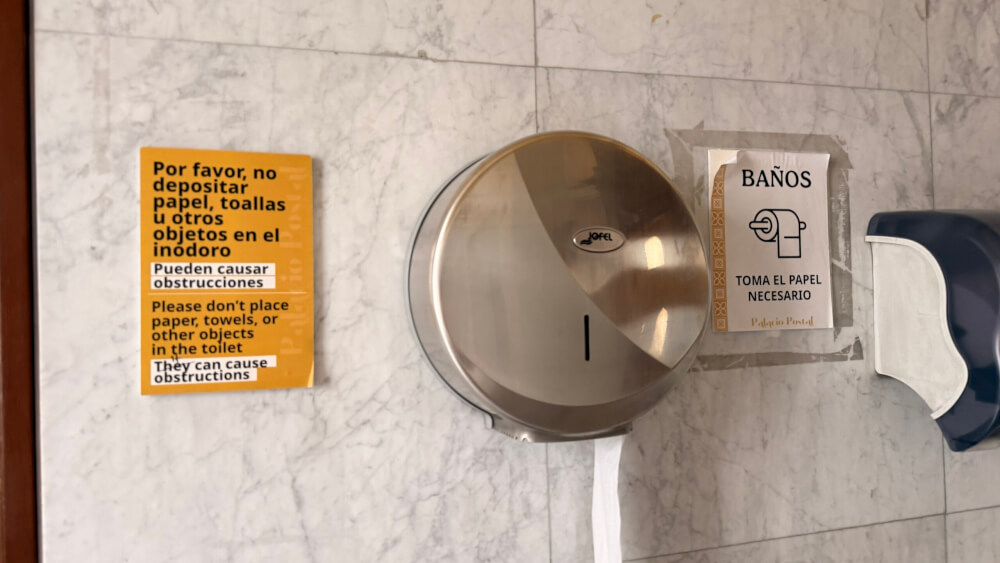
Also keep an eye out for any signs/context clues that tell you NOT to flush the toilet paper, because sometimes the plumbing in older buildings cannot handle it.
Oh, and if you can’t find the flush for the life of you, look out for pedal flushes. I hadn’t encountered many of these before so it took me a hot second to get it.
43. Bring hand sanitizer and wet wipes
Not only do public bathrooms sometimes lack soap, but you’re probably gonna be eating a lot of street food, so it makes sense for you to have some hand sanitizer to make sure that you have clean hands before and after you eat.
Now in terms of getting cash out though…
44. Read bank reviews before you go to an ATM
I know, who thinks to review ATMs? Turns out , a lot of people who have been done wrong by ATMs.
Please learn from my mistake here! I ignored several bad reviews I saw because I was in a rush and I had a very scary moment where the machine wouldn’t return my card… like all the reviews said. I got it eventually but I was in full panic mode for a few minutes so yes, take those ATM reviews seriously especially if you’re going after hours when there isn’t likely to be a human there to help you. And I would generally just advise going to an ATM attached to a bank rather than just any random one off the street.

45. Always double check receipts and change
I always like to give people the benefit of the doubt, but throughout my trip there were a few times that we weren’t given the correct change or maybe the receipt included an extra item or two that we didn’t order. I’m not saying that this was done on purpose, but a lot of of the time, busy places can be quite chaotic and so you should always double check just in case rather than assuming everything is correct.
46. Avoid putting your bag on the ground
If you want to abide by local superstition, many consider it bad luck to put your bag on the ground apparently. There’s a saying that is more or less like “A purse on the floor is money out the door” so yes… keep that bag elevated for all our sakes’!
Often, they will bring out a little rack for you to hang your stuff on, or there may be hooks underneath the table. Otherwise, maybe put it on the back of your chair, but securely… in a way that someone walking by can just snatch it.

47. Don’t pack gum or small food items when going to museums
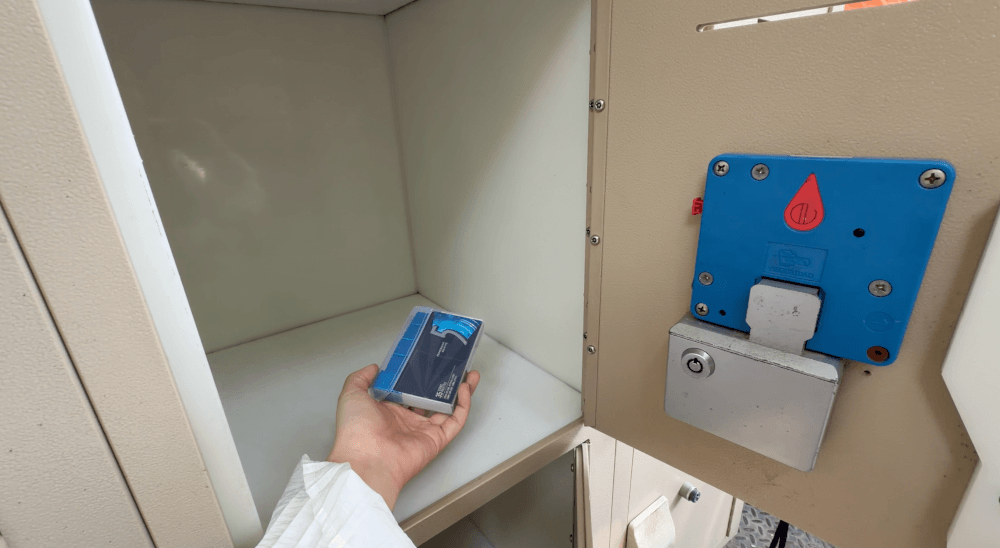
They take their rules super seriously, and no food or drink is allowed in most museum sites! I had to rent a whole locker to check my gum at Chapultepec Castle, and later had to coat check the same box of gum at Museo Soumaya. How embarrassing.
And I know you must be thinking “why didn’t you just throw it away?” and the truth is, it was a new box of gum and I was feeling stubborn… so there you have it.
48. Be mindful with “professional” looking cameras
Unfortunately, many security guards in Mexico City have a personal vendetta when it comes to cameras w/ detachable lenses, so be mindful of the fact that you might be asked to put it away, and stick to iPhone photos only when asked.